
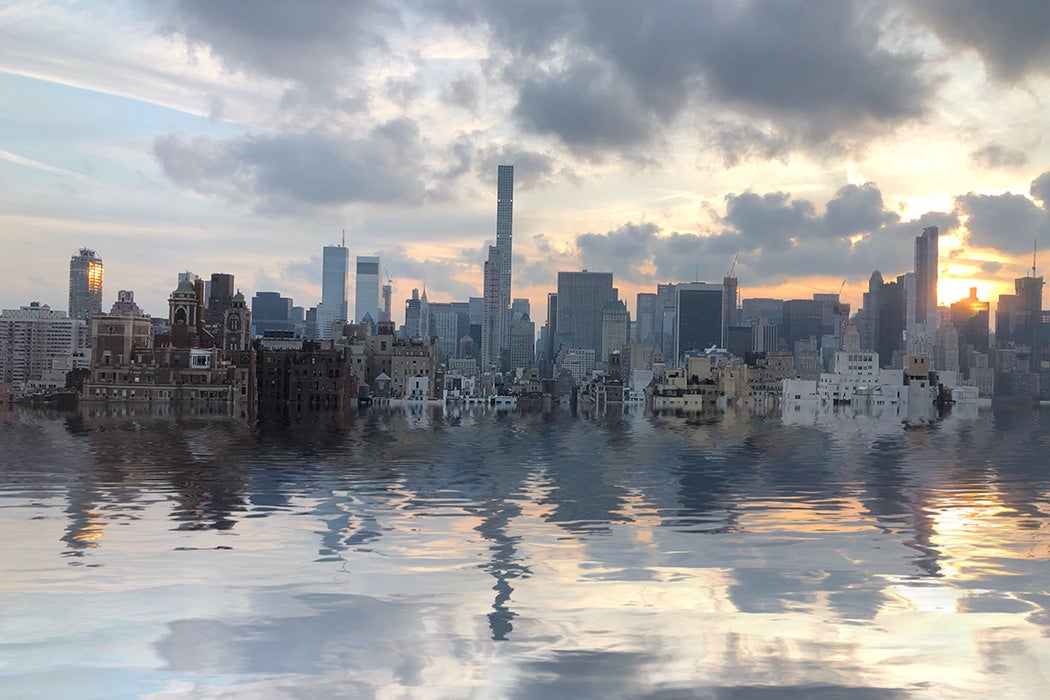
The prospect of New York City facing a future submerged beneath the rising tides of the Atlantic Ocean is no longer confined to the realms of science fiction or disaster cinema. As a global hub of culture, commerce, and architectural marvels, the city’s relationship with water is fundamental to its identity. From the historic shores of Manhattan to the expansive coastlines of Brooklyn and Queens, the threat of rising sea levels poses a monumental challenge to the preservation of some of the world’s most iconic Landmarks.
The Geographical Vulnerability of the Five Boroughs
New York City is a coastal metropolis defined by its proximity to the water. The geography of the city, characterized by islands, estuaries, and riverbanks, makes it exceptionally susceptible to the fluctuations of the global climate.
The Low-Lying Coastlines
Much of the infrastructure in Lower Manhattan sits at an elevation only a few feet above current sea levels. Areas like the Financial District and Battery Park are historical landfill sites, meaning their structural foundation is inherently closer to the waterline. When storm surges hit, these areas are often the first to experience flooding, reminding urban planners that the city’s foundation is as fragile as it is historic.
Erosion and Natural Defenses
Beyond the concrete jungles, the natural barriers protecting the city—such as the salt marshes of Jamaica Bay—are disappearing. These natural buffers are essential for absorbing storm surges and preventing the erosion of the coastline. As these wetlands diminish, the direct impact of high tides and hurricane events on Staten Island and the Rockaway Peninsula becomes increasingly severe, threatening both residential communities and the ecosystem.
Protecting Iconic Architecture and Cultural Heritage
If the sea levels continue to rise at the projected rates, the physical presence of global icons is at risk. Preserving the integrity of New York City requires a delicate balance between urban expansion and environmental conservation.
The Threat to Historic Districts
Consider the South Street Seaport, a district that reflects the early maritime history of the city. These historic sites are not merely tourist destinations; they are the architectural bedrock of American history. Protecting Cobblestone streets and century-old brick buildings from saltwater intrusion is an engineering nightmare, yet it is a priority for those looking to keep the soul of the city intact.
Resilience in Engineering
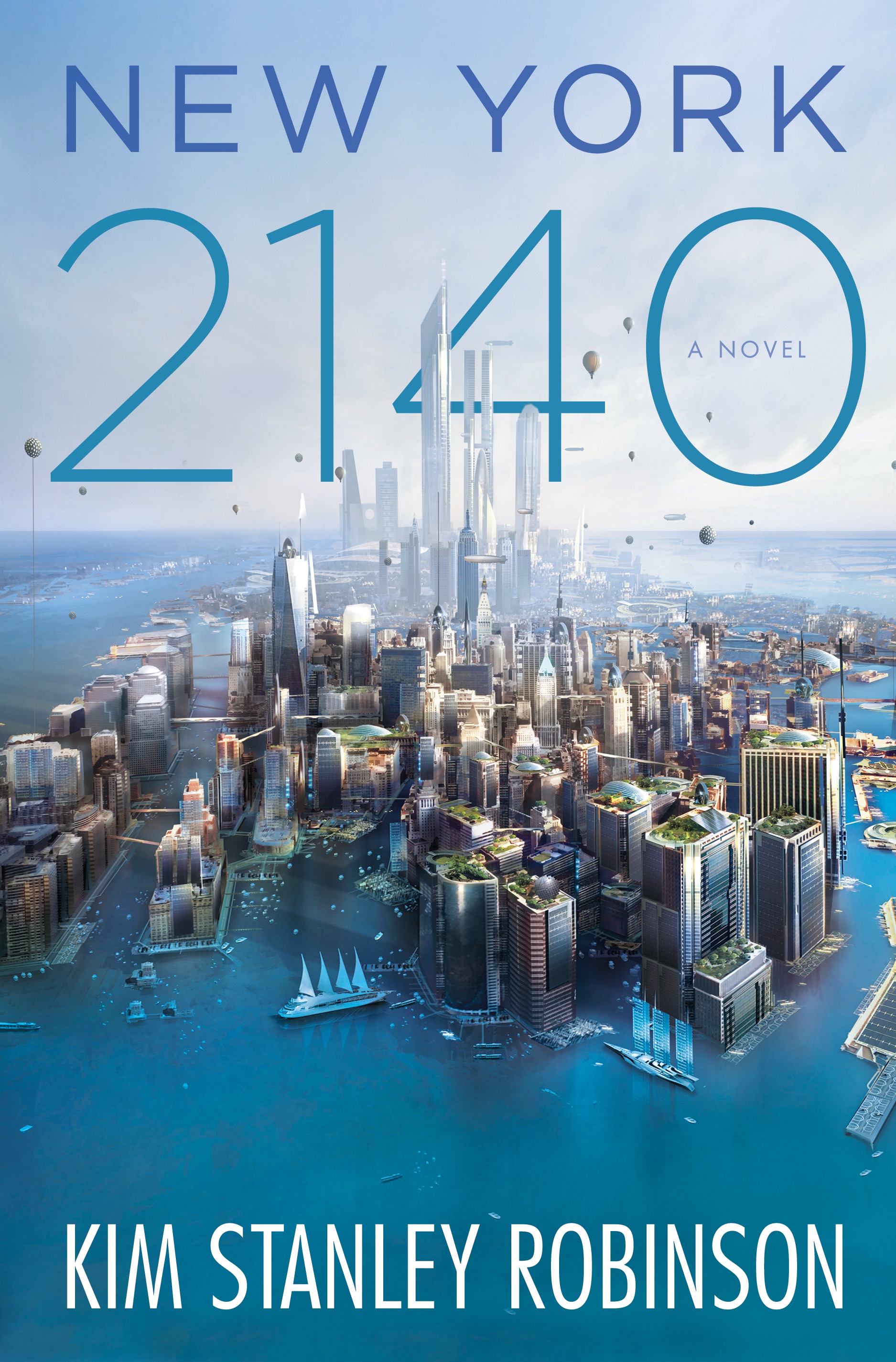
The city has already begun implementing ambitious projects to mitigate flooding. The East Side Coastal Resiliency Project is a massive undertaking designed to protect neighborhoods from the East River. By raising parkland and creating protective barriers, the city is attempting to rewrite its narrative, moving from a vulnerable coastal inhabitant to a resilient urban fortress. Similar strategies are being discussed for the Hudson River banks, ensuring that the breathtaking views from Riverside Park remain a staple of the city’s visual identity.
The Future of Urban Tourism and Navigation
If the city does face significant sea-level rise, the way tourists experience the city will fundamentally change. The concept of “water-based tourism” might evolve from sightseeing cruises around the Statue of Liberty to a new reality of navigating a city that functions similarly to Venice.
Adaptive Waterfront Attractions
The High Line offers a glimpse into how the city reclaims its industrial past for public enjoyment. Looking forward, public spaces may need to be “floodable,” designed with materials that withstand temporary submersion, turning potential disasters into part of the public utility. Parks like Brooklyn Bridge Park are already incorporating sophisticated drainage systems and elevated landscapes to anticipate future water levels, setting a precedent for how global cities can manage climate change while maintaining public access to the waterfront.
The Economic and Cultural Shift
Tourism remains the lifeblood of New York City. The uncertainty of the future climate impacts investment decisions for luxury hotels and tourist centers. However, the resilient spirit of New Yorkers suggests that rather than abandoning the coast, the city will reinvent itself. We are likely to see a shift toward elevated pedestrian pathways, amphibious public transport, and a deeper integration of the city’s water features into the daily life of both residents and visitors.
A Vision for 2100 and Beyond
Will the city be underwater? The answer is not a simple “yes” or “no,” but rather a spectrum of adaptation. The future of New York City depends on the global commitment to curbing carbon emissions and the local commitment to resilient urban design.
Long-term Planning and Sustainability
The city’s government is actively engaging in long-range planning, such as the “PlaNYC” initiative, which focuses on sustainability and climate readiness. This involves everything from retrofitting older skyscrapers in Midtown Manhattan to improving the infrastructure of the New York City Subway to prevent the kinds of catastrophic flooding seen during major storms.

Preservation of the Human Spirit
Despite the environmental threats, New York City has proven time and again that it can rise above adversity. From the rejuvenation of Times Square to the revitalization of the World Trade Center site, the city is defined by its ability to rebuild, adapt, and innovate. The preservation of the city is not just about keeping the water at bay; it is about preserving the cultural, artistic, and historical weight that makes New York City the center of the world.
Whether through colossal sea walls or creative urban landscaping, the Big Apple will continue to exist as a beacon of human civilization. The water may rise, but the ambition of those who build, travel to, and inhabit this great city remains, for now, far higher than the incoming tide. As we look to the next century, the narrative is one of careful coexistence with the ocean, ensuring that the legacy of this iconic island chain is not washed away, but transformed into a new kind of marvel.
LifeOutOfTheBox is a participant in the Amazon Services LLC Associates Program, an affiliate advertising program designed to provide a means for sites to earn advertising fees by advertising and linking to Amazon.com. Amazon, the Amazon logo, AmazonSupply, and the AmazonSupply logo are trademarks of Amazon.com, Inc. or its affiliates. As an Amazon Associate we earn affiliate commissions from qualifying purchases.