
For many outdoor enthusiasts, the ultimate dream is waking up to the rhythmic roar of the Pacific Ocean, stepping out of a tent, and feeling the cool, mist-laden sand between their toes. In the United States, however, public land regulations can be notoriously complex. When it comes to the rugged, breathtaking coastline of Oregon, visitors often find themselves asking: is beach camping actually permitted?
The short answer is yes, but with significant caveats. Unlike some regions where “wild camping” is permitted on any stretch of public sand, Oregon maintains a distinct set of rules designed to protect its fragile dune ecosystems, nesting birds, and the pristine quality of its coastline. Understanding where you can legally pitch a tent, where you must stick to designated campgrounds, and how to practice Leave No Trace principles is essential for a successful coastal adventure.
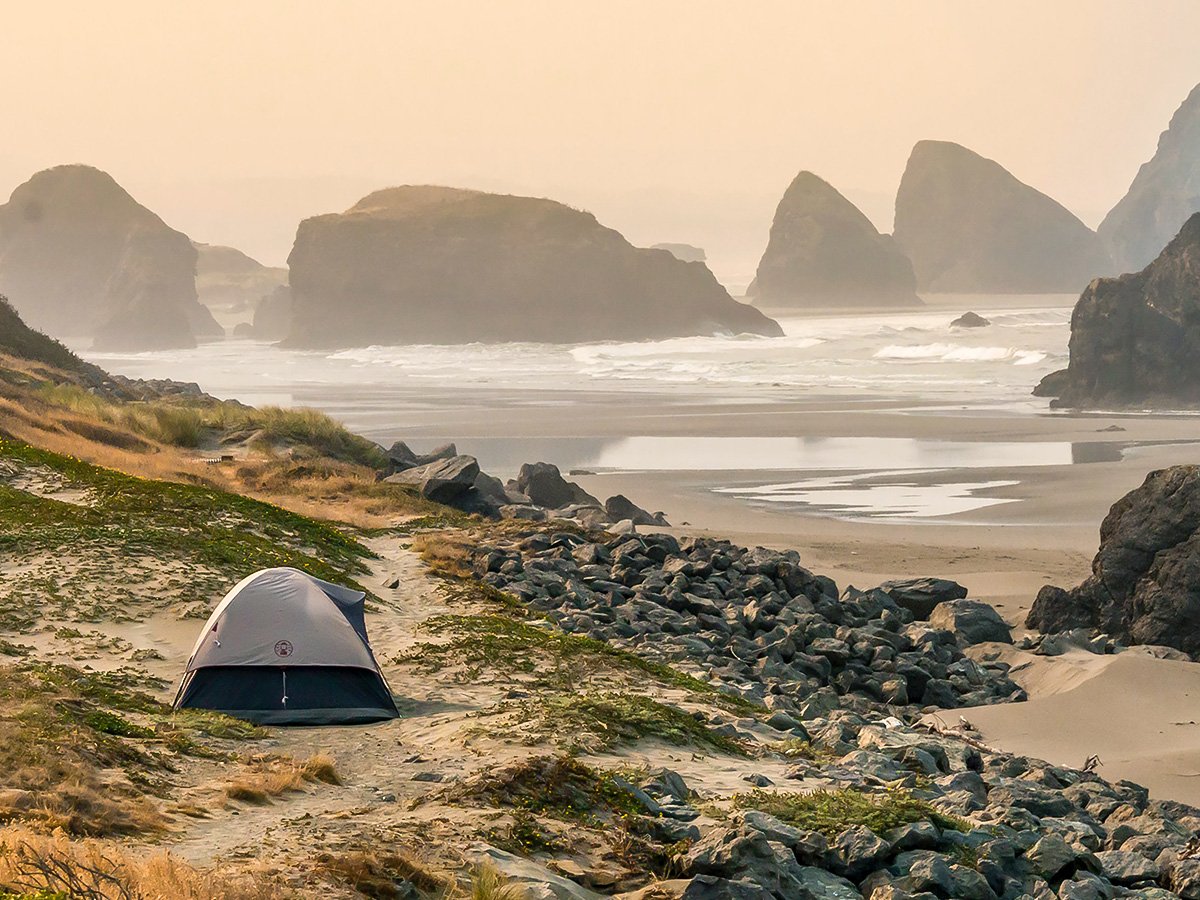
Understanding Oregon’s Beach Laws
The state of Oregon is world-renowned for the Oregon Beach Bill, a landmark piece of legislation passed in 1967 that ensured all 363 miles of the coastline remain public property. While this law grants the public the right to access the beach for recreation, it does not automatically grant the right to camp anywhere you please.
The Difference Between State Parks and Public Beaches
While the beaches themselves are public, the dunes and adjacent land are often subject to strict regulations. Generally, sleeping on the beach is prohibited near developed areas, state parks, and popular tourist hubs. Camping is largely restricted to specific, designated state parks that offer beach access, rather than the open sand itself.
In most parts of the Pacific Northwest, camping on the open beach is effectively banned due to environmental protection laws. However, there are exceptions in more remote sections of the Oregon Coast, particularly where federal lands are involved. Even in these areas, you must be far removed from developed sites, parking lots, and residential zones.
Where Can You Legally Pitch a Tent?
If your heart is set on the coastal experience, you have two primary options: staying in a designated state park or venturing into areas where dispersed camping is permitted.
The Best Coastal State Parks
For most travelers, the most rewarding experience comes from staying at one of the many state parks that hug the shoreline. These facilities provide the necessary amenities, such as potable water, fire rings, and restroom facilities, which help preserve the environment by centralizing waste and human impact.
- Fort Stevens State Park: Located near Astoria, this massive park offers extensive camping options just a short walk from the Wreck of the Peter Iredale.
- Harris Beach State Park: Situated near Brookings, this park offers stunning views of sea stacks and offers a quintessential Oregon experience.
- Jessie M. Honeyman Memorial State Park: While technically nestled against the massive dunes of Florence, this park serves as the gateway to the Oregon Dunes National Recreation Area.
Dispersed Camping and Federal Lands
If you are looking for a true “backcountry” beach experience, you must look toward federal lands rather than state-managed beaches. The Siuslaw National Forest covers much of the central coast. In certain sections, dispersed camping is permitted, provided you follow “Leave No Trace” ethics. This means you must pack out everything you pack in, use established sites whenever possible, and keep your campfire contained in a fire pan.
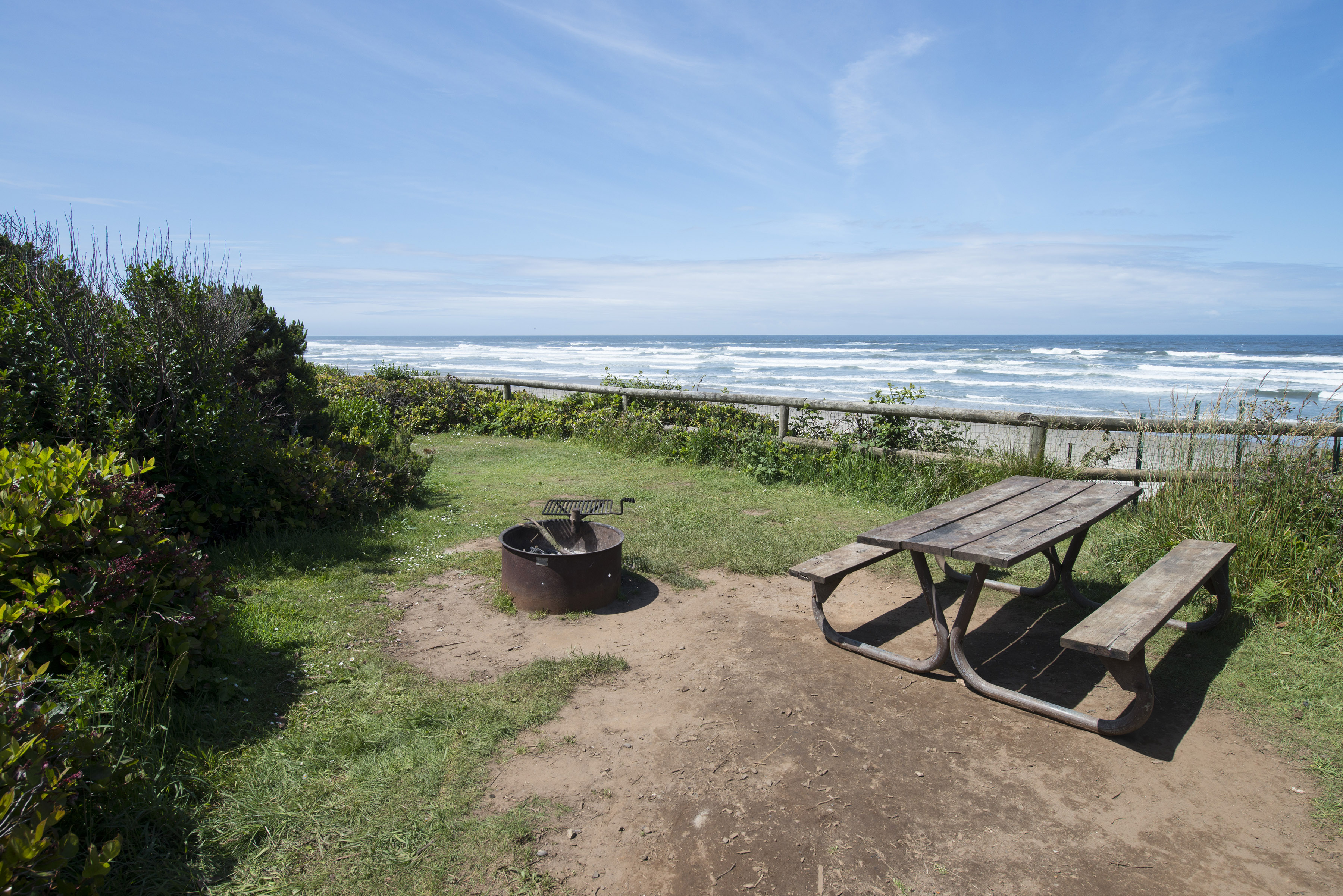
Always check with the local Bureau of Land Management office before heading out, as seasonal fire restrictions are frequently implemented during the dry summer months.
Essential Tips for Coastal Camping
Camping near the ocean is a significantly different challenge than camping in the mountains or a forest. The salt air, high winds, and shifting tides require a specific level of preparation.
Master the Tide
The most dangerous mistake a novice beach camper can make is failing to understand the tide charts. The Oregon Coast is subject to extreme tide swings. A patch of sand that looks dry and inviting in the afternoon can be completely submerged by midnight. Always set up your camp well above the high-tide line, and look for debris lines—the piles of seaweed and driftwood—that indicate where the water reached during the most recent high tide.
Managing the Elements
- Wind Protection: The coastal breeze is constant and can be punishing. Invest in a tent with a low profile and strong stakes designed for sand. If you are in a designated spot, utilize natural windbreaks like dune grass or driftwood, but be careful not to disturb the vegetation, as it is crucial for dune stability.
- Moisture Control: Even on a sunny day, the coastal air is damp. Use a footprint under your tent to prevent condensation from soaking through your gear, and ensure your rainfly is properly tensioned to shed mist and unexpected drizzle.
- The Salt Factor: Salt air is corrosive. Protect your camera gear, zippers, and metal equipment by keeping them stored inside dry bags or sealed containers when not in use.
Practicing Responsible Tourism
The Oregon Coast is a delicate ecosystem. The dunes act as a barrier against coastal erosion, and the intertidal zones are home to fragile sea life. By choosing to camp responsibly, you ensure that these sites remain available for future generations.
Respecting Wildlife
The beaches of Oregon are vital nesting grounds for the Western Snowy Plover. During nesting season, which typically runs from March to September, many sections of the beach are cordoned off to protect these tiny, endangered birds. Always respect the signage. Venturing into restricted areas is not only illegal but detrimental to the survival of the species.
Leave No Trace
The “Leave No Trace” philosophy is paramount when visiting the Pacific Northwest.
- Waste Management: Never bury human waste in the sand. If you are camping in an area without toilets, you must use a portable waste system or bag it out.
- Fire Safety: Only build fires in designated fire rings or metal pans. Never build a fire directly on the sand, as heat can kill the microorganisms that support the beach ecosystem.
- Driftwood: While it is tempting to use local driftwood for fuel, remember that it provides critical habitat for beach-dwelling creatures. Use store-bought firewood instead.

Final Considerations for Your Trip
While the allure of sleeping directly on the sand is strong, the best experience in Oregon is often found just a few yards back from the tide line, safely tucked into a managed campsite or a dispersed site in the national forest.
Before you embark on your trip, visit the Oregon State Parks website to view real-time availability and closures. Whether you choose the massive, wind-swept dunes near Coos Bay or the quiet, forested coves further north, the Oregon Coast offers a camping experience that is unparalleled in its beauty and wild spirit. With the right gear, a firm respect for the tide, and a commitment to preserving the environment, you will find that the best way to see the coast is by staying a few nights under the stars.
LifeOutOfTheBox is a participant in the Amazon Services LLC Associates Program, an affiliate advertising program designed to provide a means for sites to earn advertising fees by advertising and linking to Amazon.com. Amazon, the Amazon logo, AmazonSupply, and the AmazonSupply logo are trademarks of Amazon.com, Inc. or its affiliates. As an Amazon Associate we earn affiliate commissions from qualifying purchases.