
The landscape of modern finance has been undergoing a seismic shift, one that parallels the evolution of global travel and luxury business experiences. As travelers navigate the bustling financial districts of New York, the question of how we store, carry, and spend wealth has become as important as the destination itself. Recent headlines regarding the Bank of New York Mellon and its engagement with digital assets have sparked curiosity, raising questions about whether a new “digital dollar” is changing the way high-net-worth individuals navigate their international journeys.
The Intersection of Digital Finance and Global Travel
For the modern globetrotter, the convenience of digital currency is no longer just a futuristic concept; it is an expectation. When visiting hubs like London, Singapore, or Dubai, the ability to access funds seamlessly is paramount. While central banks and major institutions like those found in Wall Street explore the complexities of Central Bank Digital Currencies (CBDCs), the core benefit for the consumer remains the same: efficiency.
Navigating Cashless Economies
As we travel through major global capitals, the shift toward cashless transactions is undeniable. From the high-end boutiques of Paris to the traditional markets of Tokyo, the infrastructure for digital payments is becoming ubiquitous. Institutions in Manhattan are watching these trends closely, understanding that the future of banking must support a mobile, borderless lifestyle. The development of digital dollar technology, whether issued by the Federal Reserve or explored through commercial banking partnerships, promises to reduce the friction often associated with currency exchange.
The Evolution of Business Travel
For those who frequent cities like Chicago or San Francisco for business, the integration of banking technology into travel apps is transformative. Imagine a world where your banking institution offers a stable digital asset that can be used universally, eliminating the need for physical currency conversion at airports or hotels. This evolution in banking mirrors the evolution of the hospitality industry, where personalized services and digital check-ins have redefined what it means to travel comfortably.
Institutional Interest in Modern Asset Infrastructure
The role of traditional financial powerhouses in the digital space is a subject of significant interest for affluent travelers who rely on stable, secure, and accessible wealth management while abroad. When an institution like the Bank of New York Mellon discusses digital custody or asset servicing, it indicates a maturation of the market that eventually trickles down to the traveler’s experience.
Secure Custody for the Global Citizen
Security is the cornerstone of luxury travel. Whether staying at the Ritz Carlton or the Four Seasons Hotel, individuals demand peace of mind regarding their personal assets. The shift toward digital infrastructure—often supported by institutions based in The United States—means that managing assets while traversing the globe is becoming increasingly integrated with traditional travel banking.
The Role of Stablecoins and Digital Dollars
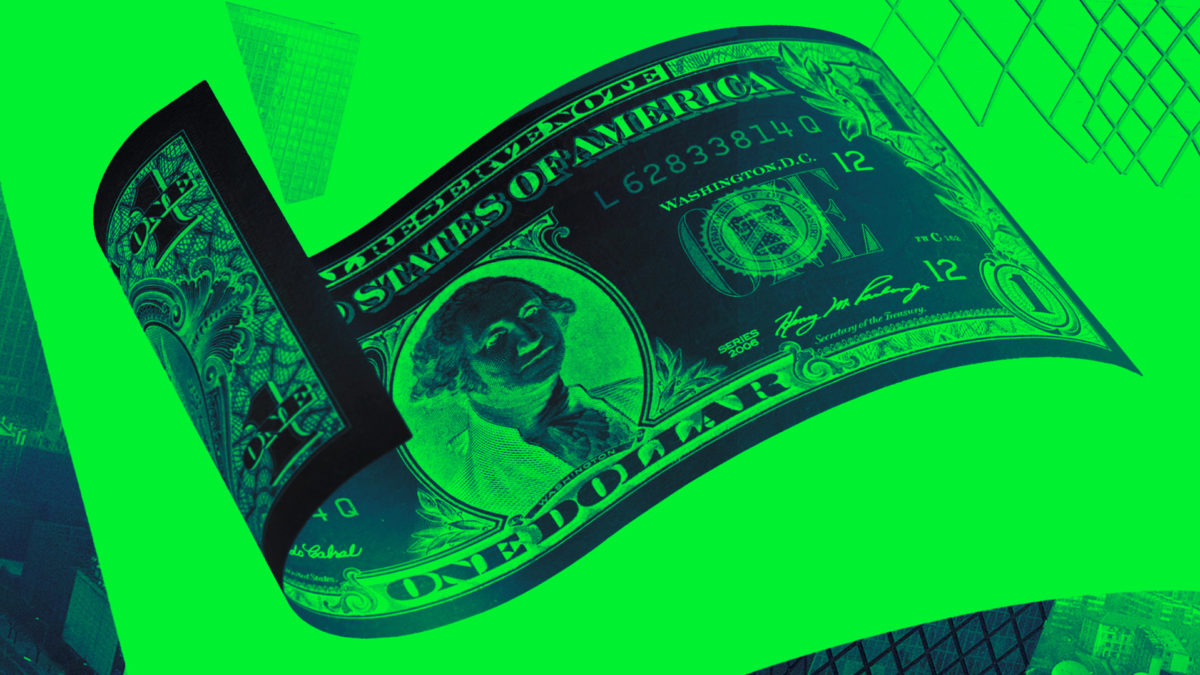
While the Bank of New York Mellon has been at the forefront of digital asset custody, they haven’t “issued” a digital dollar in the retail sense that a government would. Instead, they are building the digital pipes upon which the future of finance rests. For the international traveler, this is crucial. It means that the financial bridge between Europe and North America is becoming more resilient. The ability to hold value in a digital format that is recognized globally is the ultimate evolution for the nomadic professional.
Enhancing the Travel Experience Through Financial Innovation
The integration of digital finance into the travel industry is best observed in the way we interact with luxury travel providers. As payment systems evolve, so too do the amenities and services available to guests at top-tier resorts and hotels.
Simplifying Luxury Transactions
When booking a stay at the Burj Al Arab or a getaway in The Maldives, the ease of high-value transactions is essential. The prospect of a standardized digital currency could simplify global bookings, loyalty programs, and even the internal economy of luxury resorts. If a digital dollar becomes the standard, the complexities of exchange rates and international transaction fees—which often plague business travelers in cities like Hong Kong—could effectively vanish.
The Future of Loyalty and Rewards
Digital asset technology allows for more sophisticated reward programs. Imagine a travel rewards system integrated into your banking app, where loyalty points act as programmable digital currency. This level of customization, pioneered by institutions in financial hubs like Frankfurt and Zurich, is the next frontier of luxury hospitality. By leveraging the same technology that allows banks to move billions, hotels can offer guests seamless, real-time value.
Planning for a Digitally Enabled Future
As we look toward the future of travel, it is clear that the financial systems supporting our movements are undergoing a radical upgrade. While the Bank of New York Mellon continues to lead in institutional digital asset custody, the end result for the traveler is a more fluid experience.
A New Era of Borderless Movement
The dream of “one world, one currency” is finding its modern expression through digital assets. For those who consider the world their home, the stability provided by major financial institutions is paramount. As you plan your next trip to Sydney or Cape Town, consider how the infrastructure behind your credit cards and banking apps is evolving. We are moving toward a period where the friction of geography is minimized, both by the ease of travel and the modernization of money itself.
Final Thoughts for the Modern Traveler
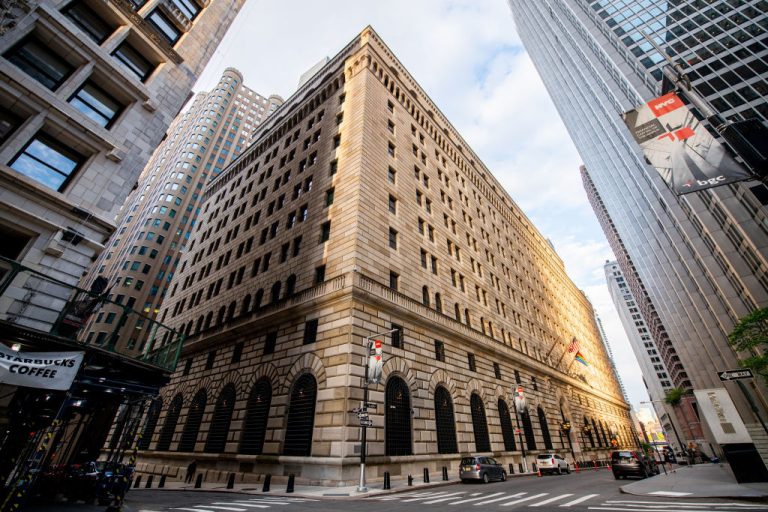
The answer to whether the Bank of New York Mellon issued a digital dollar is nuanced, but the impact of their work on the broader financial ecosystem is undeniable. For the traveler, this is good news. It signals a move toward a more efficient, secure, and technologically advanced travel experience. Whether you are checking into a boutique hotel in Rome or conducting business in Shanghai, the tools of modern finance are working in the background to ensure that your journey is as smooth and effortless as possible. Keep an eye on these developments; the way we travel is inextricably linked to the way we manage our digital wealth.
LifeOutOfTheBox is a participant in the Amazon Services LLC Associates Program, an affiliate advertising program designed to provide a means for sites to earn advertising fees by advertising and linking to Amazon.com. Amazon, the Amazon logo, AmazonSupply, and the AmazonSupply logo are trademarks of Amazon.com, Inc. or its affiliates. As an Amazon Associate we earn affiliate commissions from qualifying purchases.