
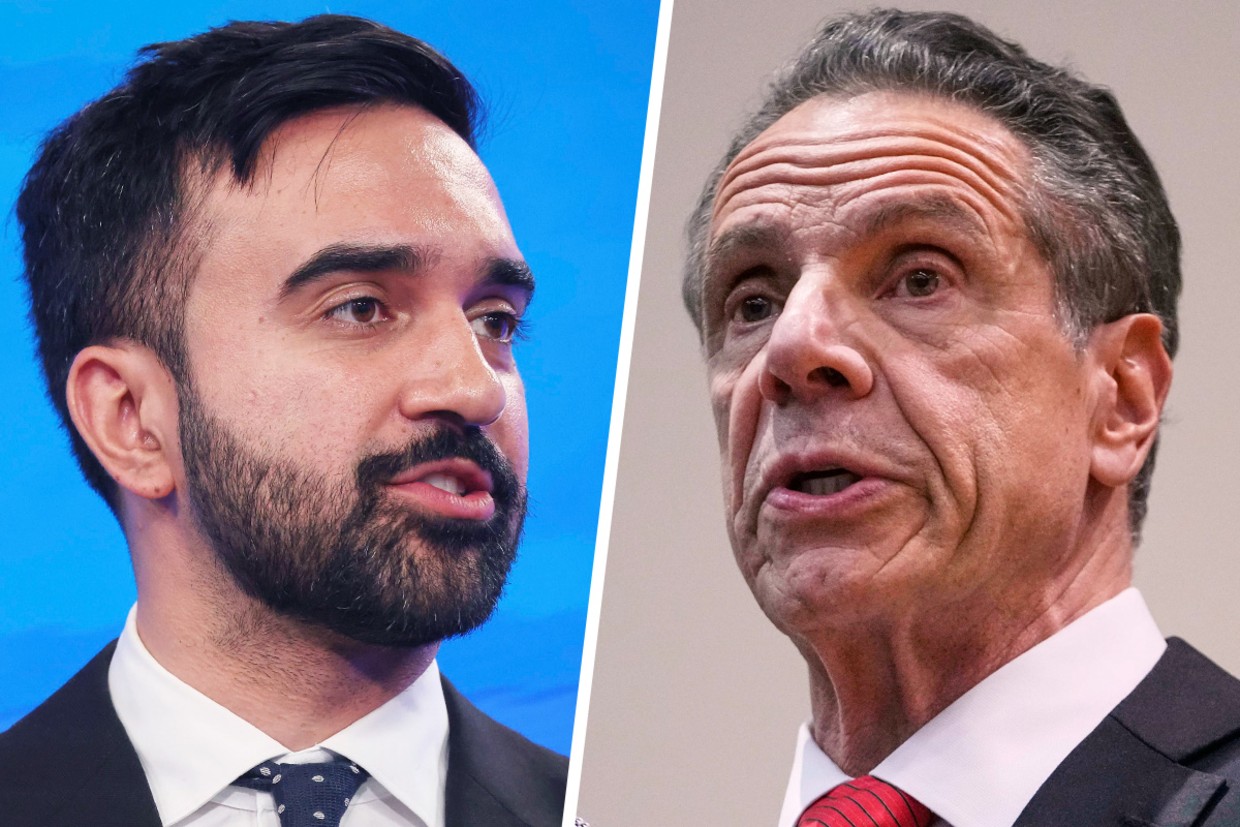
When the political dust settles in New York, the transition of power inevitably ripples through the tourism sector. For travelers and industry professionals alike, the question of mayoral leadership is less about partisan ideology and more about the vision for the city’s urban landscape, infrastructure, and the preservation of its status as a premier global destination. As a gateway for millions of visitors annually, the administrative direction taken by City Hall profoundly influences the experience of navigating the five boroughs.
The Intersection of Governance and Urban Tourism
The identity of the individual sitting in the mayor’s office determines how the city allocates its resources toward maintaining the public spaces that define the New York City experience. From the cleanliness of the Subway system to the safety and lighting of iconic public parks, the local government acts as the primary curator of the city’s reputation.

Infrastructure and Visitor Accessibility
A winning mayoral platform often hinges on the promise of transit improvements. For the tourist, the functionality of the MTA is the backbone of a successful trip. A mayor who prioritizes the modernization of transit stations—especially those serving the Upper West Side or the bustling hubs of Midtown Manhattan—directly improves the accessibility of major landmarks. When transit operates efficiently, the city’s vast array of Museums becomes significantly more approachable for travelers who are unfamiliar with the complexities of the urban grid.
Public Safety and the Atmosphere of Neighborhoods
The cultural vitality of neighborhoods like Greenwich Village or Williamsburg depends on a delicate balance of local ordinance and public order. Mayoral policies concerning street vendor permits, sanitation services, and the activation of pedestrian plazas dictate the atmosphere of these districts. When leadership emphasizes a clean and secure environment, it bolsters the confidence of international travelers, ensuring that the vibrancy of areas like Chinatown or Little Italy remains welcoming rather than chaotic.
Cultural Stewardship and Economic Vitality
Tourism is a bedrock of the United States economy, and New York serves as its primary engine. The mayoral administration sets the tone for how the city markets itself to the world and how it protects the landmarks that define its identity.
Preserving Iconic Landmarks
The architectural heritage of the city, exemplified by the Empire State Building and the Brooklyn Bridge, requires consistent government support for preservation and surrounding development zoning. A mayor’s approach to land use can either threaten the historic character of places like Central Park or protect them from over-commercialization. By maintaining high standards for the areas surrounding Times Square or Rockefeller Center, the administration ensures that the “wow factor” of a first-time visit remains intact for the next generation of tourists.

Promoting the Culinary and Artistic Scene
The mayoral office also plays a role in the health of the hospitality industry. Policies that facilitate the growth of street-side dining, support for local theater companies on Broadway, and investment in arts programs across the Five Boroughs translate directly into a richer traveler experience. When the city champions its culinary heritage, visitors are more likely to explore beyond the high-end steakhouses, wandering into the vibrant food corridors of Queens or The Bronx.
The Evolution of the Tourist Experience
As the mayoral mandate evolves, so does the nature of how people engage with the city. Modern tourism is increasingly focused on authenticity and sustainability, two areas that are heavily influenced by municipal policy.
Sustainable Tourism and Urban Greening
A forward-thinking mayor often emphasizes the “greening” of the city. The development of parks like The High Line serves as a template for what urban renewal can achieve. By repurposing industrial infrastructure, the city creates new tourism assets that promote walking, local engagement, and a reduction in the carbon footprint associated with traditional transport. Policies that prioritize cycle lanes and pedestrian-only thoroughfares in areas like SoHo or Chelsea fundamentally change how a traveler interacts with the local environment.
The Impact of Zoning on Hospitality
Accommodation choices in New York are intrinsically linked to mayoral zoning regulations. From the high-rise luxury hotels near Fifth Avenue to the boutique offerings in Lower Manhattan, the capacity and type of available lodging are governed by municipal decisions. A mayor who encourages development can ease the strain on the housing market while creating space for new, innovative hospitality concepts. This creates a diverse ecosystem of stays that cater to both the budget-conscious traveler and the luxury seeker.
Future-Proofing the City for Visitors
Ultimately, who occupies the office in City Hall matters because they act as the chief brand manager for the city. Tourism in New York is resilient, yet it relies on the perception of the city as a dynamic, safe, and exciting place to be.
Global Connectivity and Welcoming Policies
The success of New York as a destination also relies on international perception. When a mayor maintains strong ties with the United Nations and fosters a global, open-door atmosphere, it sends a powerful signal to the international community. This inclusivity keeps the city competitive against other global capitals like London, Paris, or Tokyo. The administration’s focus on fostering cultural exchanges and ensuring that JFK Airport and LaGuardia Airport operate smoothly are practical levers of influence.
The Ongoing Legacy of Mayoral Influence
Every mayoral term contributes a layer to the history of the city. Whether through the creation of new public monuments, the expansion of ferry services to Staten Island, or the revitalization of historical districts in Harlem, the incumbent shapes the map for the future. For the visitor, the specific identity of the winner is less important than the commitment to ensuring that the city remains an open, thriving, and accessible world stage.
As the city moves forward, the synergy between political governance and the tourism sector will remain a critical metric of success. The next time you find yourself standing under the lights of Broadway or taking a quiet moment in the New York Public Library, remember that the maintenance and accessibility of these experiences are the result of ongoing administrative stewardship. Staying informed about the priorities of the current administration allows for a deeper appreciation of how the city’s political pulse dictates the rhythm of your travels.
LifeOutOfTheBox is a participant in the Amazon Services LLC Associates Program, an affiliate advertising program designed to provide a means for sites to earn advertising fees by advertising and linking to Amazon.com. Amazon, the Amazon logo, AmazonSupply, and the AmazonSupply logo are trademarks of Amazon.com, Inc. or its affiliates. As an Amazon Associate we earn affiliate commissions from qualifying purchases.