
The wilderness of the United-States holds a magnetic pull for outdoor enthusiasts, hikers, and those seeking a connection with the untamed natural world. For those traveling through the Great Plains, the question of apex predators is a common subject of campfire conversations. Specifically, the presence of the cougar—also known as the mountain lion, puma, or panther—in Oklahoma has been a subject of intense debate, folklore, and scientific study for decades. As visitors explore the diverse landscapes of this state, understanding the reality of these elusive cats is essential for both safety and appreciation of the local ecosystem.

The Scientific Reality of Mountain Lions in the Sooner State
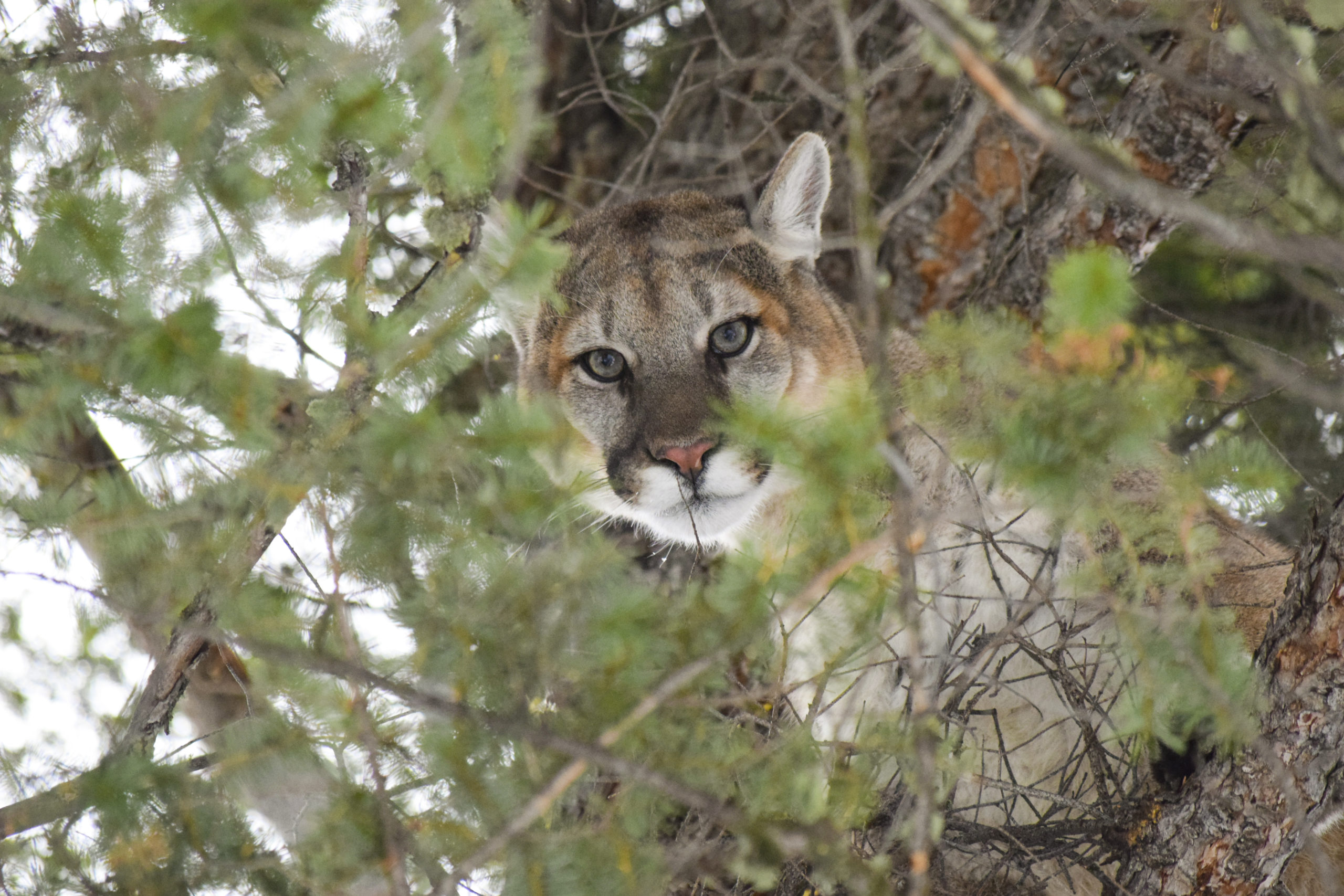
While many residents and visitors share anecdotal stories of seeing large, tawny cats crossing backroads at dusk, the official stance of state wildlife agencies provides a more nuanced view. The Oklahoma Department of Wildlife Conservation confirms that while mountain lions are not considered a permanent, breeding population in the same density as they are in the Rocky Mountains, they are indeed present within the state’s borders.
Understanding Transient Populations
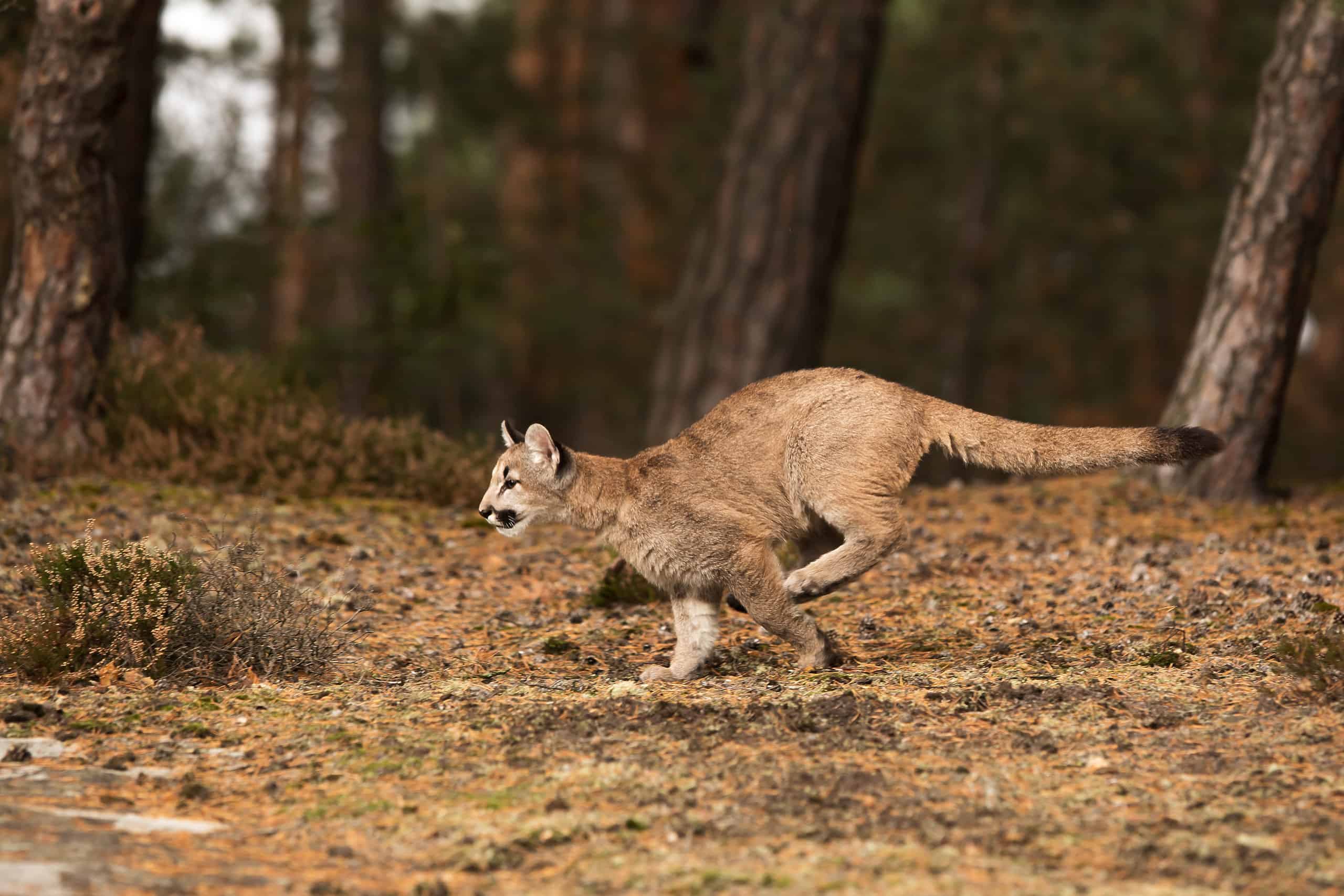
Most of the cougars spotted in Oklahoma are categorized as “transient” individuals. These are typically young males, often driven out of established territories in neighboring regions such as Colorado, New Mexico, or the Texas Panhandle. These solitary hunters roam vast distances in search of their own ranges and mates. Because of this movement, the presence of these animals in Oklahoma is fluid. They may pass through Black Mesa or the rugged terrain of the Ouachita Mountains and move on, making them incredibly difficult to track or census reliably.
Habitat Suitability and Movement
The topography of Oklahoma is surprisingly varied. From the rolling hills of the Ozark Plateau in the east to the high, arid plains of the west, the state provides pockets of cover that appeal to a stealthy predator. Cougars are highly adaptable creatures that require two primary things: dense cover for stalking prey and a consistent food source, typically deer. As deer populations in Oklahoma have flourished, the state has become an increasingly viable transit route for mountain lions navigating the heart of the country.
Exploring the Wilderness Safely
For those who enjoy hiking, camping, or photography in regions like the Wichita Mountains Wildlife Refuge, the potential for encountering wildlife is part of the allure. While the risk of a negative encounter with a cougar is statistically minuscule compared to other hazards like ticks, heat exhaustion, or vehicle accidents, common sense and preparation remain the gold standards of wilderness etiquette.
Best Practices for Hikers
When trekking through remote areas of Oklahoma, especially near the Arkansas border or within the deep forests of McCurtain County, remain aware of your surroundings. Hikers should:
- Hike in groups: Predators are much less likely to approach a group of people than a solitary wanderer.
- Make noise: Talking, singing, or playing music helps alert wildlife to your presence, giving them ample time to avoid you—which is exactly what they want to do.
- Keep children close: Small children should always be within arm’s reach when traversing deep brush or wooded trails.
- Leash pets: Not only does this protect the local wildlife, but it also prevents your dog from inadvertently provoking a protective or defensive animal.
What to Do If You Encounter a Cougar
If you happen to be one of the rare individuals to spot a mountain lion in the wild, the most important rule is to remain calm. Do not turn your back and run; the instinct to chase is triggered by fleeing prey. Instead, maintain eye contact, stand your ground, and make yourself appear as large as possible by waving your arms or opening your jacket. If you have a group, stand together to appear as a single, intimidating mass. Slowly back away while maintaining focus on the animal. In the vast majority of cases, the cougar will vacate the area long before a person is even aware of its presence.
The Cultural Significance of Apex Predators
The return of the cougar to parts of the Great Plains represents a larger story about environmental recovery and the resilience of American wildlife. As we look at the history of the American West, the loss of top-tier predators once signaled a major shift in the ecological balance. Their slow, natural recolonization of states like Oklahoma is viewed by many biologists as a sign of healthier, more balanced landscapes.
Tracking and Citizen Science
Technological advancements have changed how we interact with and monitor wildlife. With the ubiquity of high-resolution trail cameras and smartphone cameras, sightings that were once dismissed as urban legends are now frequently documented with actual footage. Organizations like the Oklahoma Biological Survey often rely on verified reports from the public to map the movement of these animals. If you believe you have captured evidence of a mountain lion, contributing that data to local conservation efforts helps researchers understand the patterns of these elusive visitors.
Respecting the Wild
Visiting natural landmarks like Turner Falls Park or the scenic Talimena National Scenic Byway offers travelers a chance to experience the raw beauty of the landscape. Whether or not you catch a glimpse of a cougar, the awareness that such magnificent creatures exist in the periphery makes the wilderness feel more authentic. It is a reminder that we are guests in their home. The goal of any outdoor traveler should be to leave no trace and to observe wildlife with respect rather than fear.
Summary for the Modern Traveler
When traveling through Oklahoma, it is helpful to keep the cougar mystery in perspective. They are rarely seen, they rarely bother humans, and they are a natural, albeit elusive, part of the state’s fauna. Whether you are driving through Tulsa, exploring the downtown districts of Oklahoma City, or heading deep into the woods for a weekend of camping, the vast majority of your experience will be defined by the hospitality of the locals and the beauty of the terrain.
Nature is dynamic, and the movement of wildlife across state lines is an ongoing process that transcends borders. As Oklahoma continues to grow as a premier destination for those who love the outdoors, the presence of animals like the mountain lion serves as a reminder of the wild, untamed spirit that still thrives in the heart of the nation. By staying informed, remaining vigilant, and respecting the natural order, travelers can enjoy the full scope of what this diverse state has to offer, from its bustling city centers to its most secluded, shadowed canyons.
LifeOutOfTheBox is a participant in the Amazon Services LLC Associates Program, an affiliate advertising program designed to provide a means for sites to earn advertising fees by advertising and linking to Amazon.com. Amazon, the Amazon logo, AmazonSupply, and the AmazonSupply logo are trademarks of Amazon.com, Inc. or its affiliates. As an Amazon Associate we earn affiliate commissions from qualifying purchases.