
When planning a visit to Portland, Oregon, travelers often encounter questions about the city’s social landscape, particularly regarding the visible presence of homelessness. As one of the most vibrant cultural hubs in the Pacific Northwest, Portland offers world-class culinary experiences, lush urban parks, and unique neighborhoods. However, like many major metropolitan areas on the West Coast, it faces significant challenges regarding housing affordability and public wellbeing. Understanding the reality of the situation helps visitors navigate the city with empathy, safety, and an informed perspective on how local tourism intersects with community challenges.
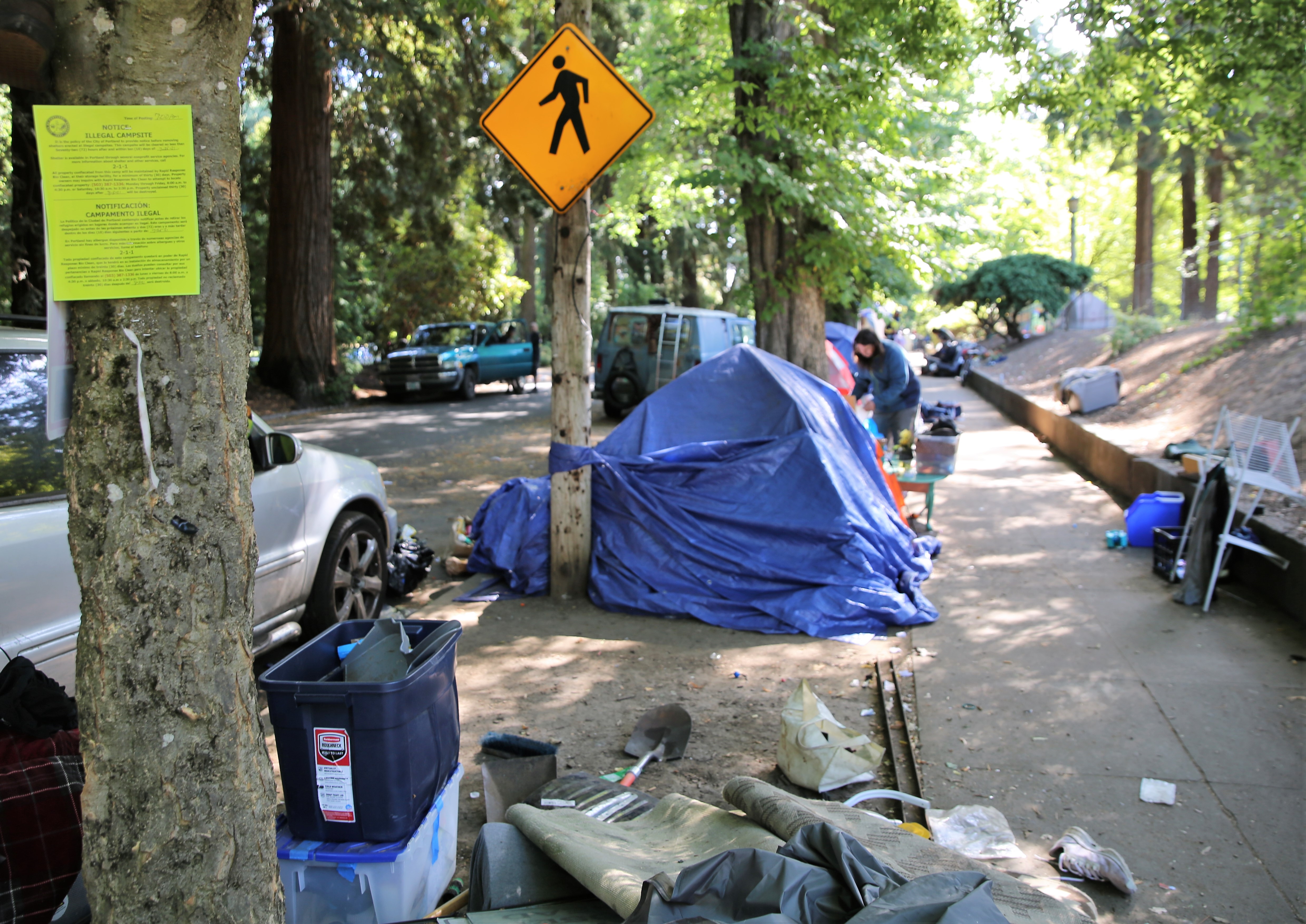
Measuring the Scope of Homelessness in Portland
Quantifying the exact number of individuals experiencing homelessness is a complex logistical task. The most widely cited data source is the Point-in-Time (PIT) Count, a biennial census mandated by the U.S. Department of Housing and Urban Development. This snapshot provides a baseline for local agencies, though experts widely agree it represents an undercount.
The Point-in-Time Methodology
The PIT count typically happens on a single night in late January. Volunteers and social workers fan out across Multnomah County to survey streets, shelters, and transitional housing units. Because the survey relies on individuals being visible or choosing to engage with volunteers during one of the coldest nights of the year, it rarely captures the full scale of “hidden homelessness”—those sleeping in cars, couch-surfing, or staying in temporary motels.
Recent Trends and Data
Recent reports from the Joint Office of Homeless Services have indicated that the number of individuals experiencing homelessness in the Portland metro area has fluctuated, often hovering between 4,000 and 6,500 individuals on any given night. Factors contributing to these numbers include a historically low vacancy rate for rental housing, the rising cost of living in the Willamette Valley, and systemic gaps in mental health and addiction recovery services. For the average tourist exploring the Pearl District or Downtown Portland, the visibility of these numbers can be striking, as encampments are often located in high-traffic areas near parks and transit hubs.
The Intersection of Tourism and Urban Policy
Portland remains a premier destination for travelers interested in independent bookstores like Powell’s City of Books and the lush greenery of the International Rose Test Garden. However, the presence of an unhoused population has prompted the city to implement various policies that impact both residents and visitors.
Navigating Public Spaces
City officials have struggled to balance the need for public park access with the humanitarian crisis of individuals living in Washington Park or along the Willamette River. Visitors might notice increased cleanup efforts or changes to camping ordinances. For tourists, this means that popular walking paths and public transit routes may occasionally undergo temporary closures or rerouting. It is a reminder that the city’s identity is not defined solely by its aesthetic charm, but also by the socioeconomic pressures that shape its daily life.

Responsible Tourism in a Changing City
Tourism can be a powerful force for good. When visitors patronize local businesses in areas like Alberta Arts District or Mississippi Avenue, they contribute to the tax base that funds municipal programs. Many hotels and tourism boards now encourage “impact tourism,” where visitors are directed toward local non-profits or community-led initiatives that address systemic issues. By staying informed, tourists can avoid contributing to the displacement of vulnerable populations and instead support a tourism model that respects the city’s complex reality.
Understanding the Local Impact
Homelessness in the United States is rarely a result of a single cause, and Portland is a microcosm of national trends. The city’s history of rapid growth and gentrification has created an environment where the divide between the affluent and the impoverished is increasingly visible.
Economic Factors and Housing
Oregon has faced a decade-long housing supply shortage. As workers have flocked to Portland for its booming tech and creative sectors, the cost of apartments in neighborhoods like Hawthorne District has skyrocketed. For those on the margins, one unexpected medical bill or a minor job loss can quickly lead to housing instability. Unlike cities with milder winters, Portland’s climate requires specialized infrastructure, meaning the city must invest heavily in emergency shelters that can withstand the rainy, cold seasons.
Safety and Perception for Travelers
It is common for travelers to be concerned about safety when reading about homelessness statistics. In reality, while the visibility of the crisis is high, it does not necessarily correlate with an increase in danger for tourists. Standard urban safety precautions apply: stay aware of your surroundings, utilize well-lit areas at night, and keep belongings secure. Most of the tourist-heavy areas remain safe and fully operational, though it is respectful to recognize the gravity of the situation when interacting with the city environment.
Resources and Getting Involved
For those interested in understanding more about how the city manages its homeless population, or for travelers looking to give back, there are several avenues to explore.
Supporting Local Initiatives
Many organizations, such as Transition Projects and JOIN, work tirelessly to provide direct aid, including food, clothing, and long-term housing placement. Visitors who are moved by the challenges they witness can research these organizations to see if they accept donations or volunteer support. Even simply learning about the Housing First model, which prioritizes providing permanent housing before addressing other individual challenges, can change a traveler’s perspective.

Looking Toward the Future
Portland is a city of resilience and innovation. From the redevelopment of the South Waterfront to the ongoing expansion of the MAX Light Rail, the city is constantly evolving. While the number of homeless people remains a point of concern for both locals and government officials, there is a collective effort to address the issue through multi-faceted solutions. For the traveler, acknowledging this struggle—rather than looking past it—is an essential part of the modern Portland experience. By maintaining an open mind and practicing responsible engagement, visitors can enjoy the breathtaking beauty of the Cascade Range and the charm of the Rose City while remaining cognizant of the human stories that unfold within its city limits every day. Whether one is visiting for the incredible coffee culture or the proximity to the Columbia River Gorge, the city offers a deeply complex and meaningful encounter with urban life in the 21st century.
LifeOutOfTheBox is a participant in the Amazon Services LLC Associates Program, an affiliate advertising program designed to provide a means for sites to earn advertising fees by advertising and linking to Amazon.com. Amazon, the Amazon logo, AmazonSupply, and the AmazonSupply logo are trademarks of Amazon.com, Inc. or its affiliates. As an Amazon Associate we earn affiliate commissions from qualifying purchases.