
When travelers plan a journey to the Great Plains of the United States, the conversation often turns toward the dramatic forces of nature that define the region. For those venturing into Oklahoma, curiosity regarding meteorological patterns is as common as the appreciation for the state’s wide-open vistas and rich cultural history. Understanding the reality of tornadoes in this iconic state is essential for any visitor planning an itinerary through Tornado Alley, a region synonymous with extreme weather, yet celebrated for its resilience and hospitality.
Understanding the Meteorological Landscape of the Southern Plains
The geographical positioning of Oklahoma plays a pivotal role in why it experiences a higher frequency of severe thunderstorms compared to other parts of the world. Situated at the crossroads where dry air from the Rocky Mountains meets warm, moist air surging north from the Gulf of Mexico, the state becomes a natural laboratory for atmospheric instability.

The Dynamics of Tornado Alley
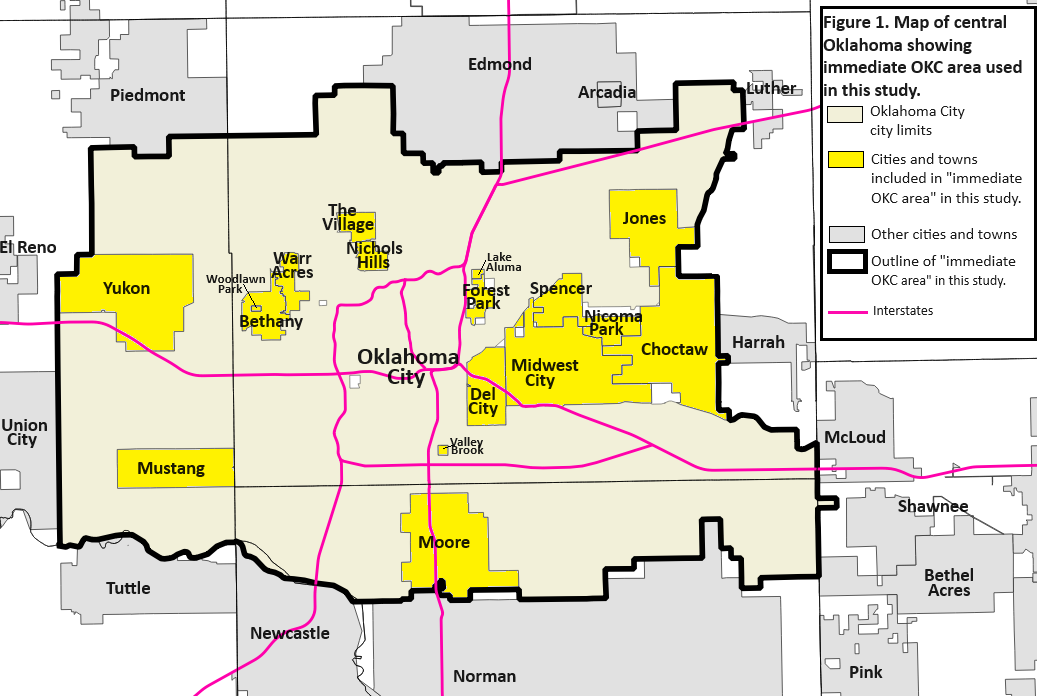
While the term “Tornado Alley” is not a formal meteorological classification, it identifies a corridor spanning across states like Texas, Kansas, and Oklahoma. In these areas, the collision of disparate air masses creates ideal conditions for supercell development. Visitors exploring cities such as Oklahoma City or Tulsa may notice that local infrastructure and city planning are heavily influenced by these historical weather patterns. The architecture throughout Norman and Moore often reflects a high degree of preparedness, emphasizing the state’s deep integration of storm safety into the fabric of daily life.
Seasonality and Timing
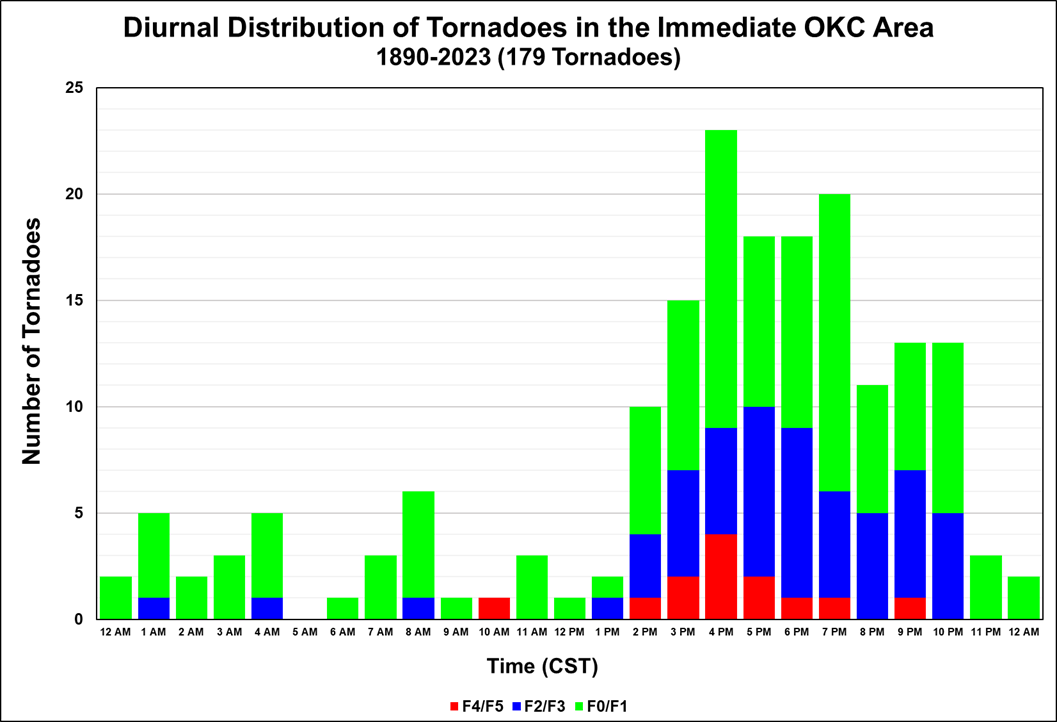
The prime window for storm activity typically spans from late spring through early summer, specifically April, May, and June. During these months, the atmospheric temperature contrast is at its peak. However, it is a common misconception that tornadoes are an everyday occurrence. In reality, while Oklahoma sees more tornadoes per square mile than almost anywhere else, the vast majority of these events are brief, relatively weak, and isolated. For the average tourist, the likelihood of encountering a significant weather event remains statistically low, provided they stay informed and follow local guidance.
Navigating Travel Safety in Tornado-Prone Regions
For those visiting sites such as the National Weather Center or driving through the scenic landscapes of Wichita Mountains Wildlife Refuge, understanding the safety protocols is part of a responsible travel experience. The state of Oklahoma has developed one of the most robust warning systems in the world, ensuring that residents and visitors alike have access to timely information.
Staying Informed on the Go
Modern technology has made it easier than ever to monitor incoming weather. Visitors are encouraged to download weather alert applications that provide real-time updates based on their current GPS coordinates. Many hotels and resorts in Oklahoma City and Tulsa provide guests with pamphlets detailing safe zones within the building. Being aware of these interior locations—typically basements, windowless bathrooms, or storm shelters—is a smart, proactive step for any traveler.
Myth vs. Reality
Many myths persist regarding storm safety, such as the idea that tornadoes avoid cities or that highway overpasses provide adequate shelter. Experienced locals and meteorological experts emphasize that safety relies on sturdy construction. If a “Tornado Warning” is issued, the priority is to seek shelter in a substantial structure. If you are on the road in rural areas of Oklahoma, experts recommend avoiding the temptation to “outrun” a storm and instead looking for the nearest sturdy building or a pre-designated community storm shelter.
Exploring the Culture and Resilience of Oklahoma
Beyond the weather, Oklahoma offers an incredibly diverse experience for travelers. From the historic Route 66 to the vibrant arts scene, the state’s character is defined by its ability to thrive regardless of environmental challenges.
The Architecture of Safety and Beauty
Travelers visiting historical sites like the Oklahoma City National Memorial often remark on the serenity and strength inherent in the local design. This sense of permanence is found throughout the state. In Tulsa, the art deco architecture remains a testament to the city’s longevity and commitment to beauty. Even in small, rural communities, the presence of storm sirens—tested regularly to ensure functionality—serves as a constant, reassuring reminder of the state’s commitment to public safety.
Why Tourists Still Visit during Storm Season
The allure of Oklahoma does not diminish because of the potential for stormy weather. In fact, many photography enthusiasts and science travelers specifically visit during the spring to witness the raw, powerful beauty of the Great Plains sky. The cloud formations in this region, often referred to as “Big Sky Country,” offer some of the most dramatic lighting and landscape views in the United States.
By approaching the state with a blend of curiosity and common-sense preparedness, travelers can fully enjoy the rich tapestry of culture, food, and natural wonders Oklahoma provides. Whether you are walking through the Philbrook Museum of Art or driving along the winding roads near Broken Bow, the local emphasis on safety ensures that the focus remains on the joy of exploration rather than the fear of the elements.
Conclusion: A Balanced Perspective
When asking how common tornadoes are in Oklahoma, the answer is a matter of perspective. Yes, the region is undeniably active, and the weather is a force of nature that commands respect. However, it is not a daily threat that prohibits normal life. Millions of people live, work, and vacation in Oklahoma every year, enjoying its unique Native American heritage, bustling urban centers, and serene state parks like Beavers Bend State Park.
The key for any visitor is to view the weather as part of the environment—much like high tides at the beach or snowfall in the mountains. By staying educated, keeping an eye on the forecast, and respecting the power of the prairie, your trip to this historic and welcoming state will be defined by its sights, sounds, and stories rather than a single weather event. Embracing the Oklahoma experience means embracing the entirety of its landscape, from the golden sunsets to the dramatic, awe-inspiring power of the atmosphere.
LifeOutOfTheBox is a participant in the Amazon Services LLC Associates Program, an affiliate advertising program designed to provide a means for sites to earn advertising fees by advertising and linking to Amazon.com. Amazon, the Amazon logo, AmazonSupply, and the AmazonSupply logo are trademarks of Amazon.com, Inc. or its affiliates. As an Amazon Associate we earn affiliate commissions from qualifying purchases.