
Navigating the dissolution of a marriage is a complex journey, often compared to the intricate process of planning a long-term relocation or managing an extended residency in a foreign environment. Much like selecting a property in Oklahoma requires an understanding of local regulations, filing for divorce demands adherence to specific state-mandated legal procedures. For those residing in cities such as Oklahoma City or Tulsa, the process begins with identifying the correct legal jurisdiction and gathering the necessary documentation to ensure a transition that respects both parties’ long-term interests.
Understanding Residency Requirements and Jurisdiction
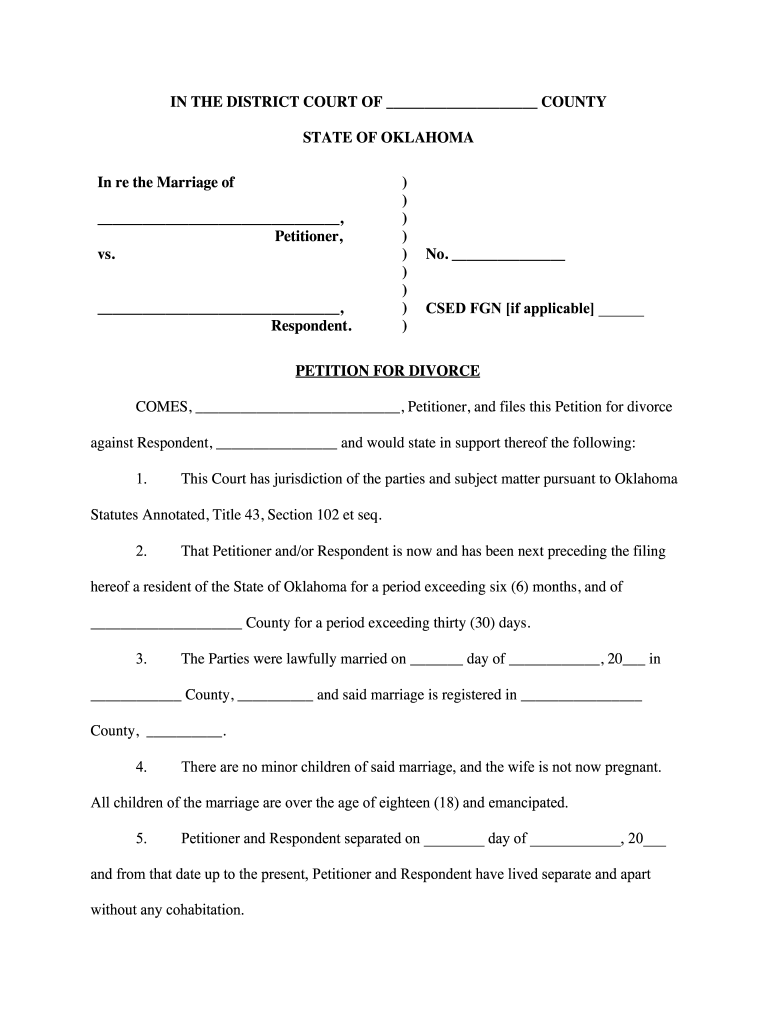
Before initiating any legal action, one must establish residency. Oklahoma law is quite clear regarding where a petition can be filed. To proceed with a divorce in the state, either the petitioner or the respondent must have been an actual resident of the state for at least six months immediately preceding the filing of the petition. Furthermore, the petitioner must have been a resident of the county where the action is filed for at least 30 days prior to the filing.
The Significance of County Filing
Choosing the correct venue is the first step in the legal “booking” of your case. Whether you are filing in Tulsa County or Oklahoma County, the local court clerk’s office serves as your primary point of contact. Much like researching the amenities and policies of a luxury resort before checking in, you must verify the specific local rules of the district court where you intend to file. Each county may have nuanced requirements regarding mandatory parent education classes or alternative dispute resolution procedures, such as mediation.
Establishing Grounds for Dissolution
Oklahoma is a “no-fault” divorce state. This means that a petitioner does not need to prove that the other party committed a specific act of misconduct. Instead, you may file under the grounds of “incompatibility.” By citing incompatibility, you are essentially declaring that the marriage is irretrievably broken and that there is no reasonable possibility of reconciliation. This simplifies the initial filing process, focusing the litigation on division of assets and parenting responsibilities rather than assigning blame.
The Filing Process: From Documentation to Service
Once residency is established and the grounds are identified, the formal process of filing begins. This phase is comparable to the paperwork required for an international travel visa or a complex property lease; accuracy and completeness are paramount.
Preparing the Petition
The “Petition for Dissolution of Marriage” is the foundational document of your case. It outlines the specific relief you are seeking, including the division of marital property, debts, spousal support, and, if applicable, child custody and support arrangements. In Norman or Broken Arrow, legal practitioners emphasize the importance of precision in these documents. If the parties have minor children, additional documents—such as a parenting plan—must be prepared.
Filing and Service of Process
After the petition is filed with the court clerk and the required filing fee is paid, the petitioner must formally notify the respondent. This is known as “service of process.” In the United States, the law requires that the other party be given a fair opportunity to respond to the allegations. You can achieve this through a private process server, the local sheriff’s department, or by the respondent signing a waiver of service. If the respondent cannot be located, the court may allow for service by publication, though this adds complexity to the timeline.

Navigating the Waiting Period and Final Decree
Oklahoma mandates a “cooling-off” period. This is an essential phase of the process, much like the final wait time before a scheduled excursion or the mandatory period between booking confirmation and arrival.
The Mandatory Statutory Wait
If minor children are involved, there is a mandatory 90-day waiting period from the date the petition is filed before the court can grant a final decree of divorce. This period is intended to allow parents time to adjust and to participate in court-ordered co-parenting workshops. Even in cases without minor children, judges generally maintain a waiting period of at least 30 days. This time is often utilized for “discovery,” where both parties exchange information regarding finances, real estate holdings, and retirement accounts.
Property Division and Equitable Distribution
Oklahoma follows the principle of “equitable distribution” regarding marital property. This does not necessarily mean a 50/50 split, but rather a “fair” distribution based on various factors. Courts consider the length of the marriage, the contributions of each spouse to the acquisition of property, and the future earning capacity of each party. Whether the assets include a home in Edmond or investments held in a brokerage account, everything acquired during the marriage is generally considered marital property subject to division.
Reaching a Settlement
Most divorce cases in the state conclude through a negotiated settlement rather than a protracted trial. Engaging in mediation allows parties to maintain control over the outcome, similar to customizing an itinerary for a private tour. Once a settlement is reached, a “Decree of Divorce” is drafted. This document serves as the final itinerary for your post-divorce life. It must be reviewed by both attorneys and signed by the judge. Once the judge signs the decree and it is filed with the court clerk, the marriage is legally dissolved.
Considerations for a Smooth Transition
Transitioning out of a marriage is a life-altering event. Beyond the legal filings, there are practical considerations that mimic the logistics of moving residences or closing out an account.
Financial and Logistical Cleanup
Post-divorce, it is vital to update your estate plan, change beneficiaries on life insurance policies, and adjust your tax withholding status. Much like updating your preferences or contact information after moving to a new apartment, these administrative tasks ensure that your legal and financial life accurately reflects your new status. If you are relocating to a different region, such as the Great Plains, ensure that all court orders are properly registered if you intend to move across state lines, as this can affect child custody jurisdiction.

Seeking Professional Guidance
The legal system in North America can be labyrinthine. While it is possible to represent oneself in an uncontested divorce, the presence of significant assets or complex custody arrangements makes professional legal counsel invaluable. An experienced attorney can guide you through the local customs of the judiciary in Lawton or Moore, ensuring that your interests are protected throughout the process.
Ultimately, filing for divorce in Oklahoma is a structured path designed to provide clarity and finality. By respecting the procedural requirements, honoring the waiting periods, and focusing on equitable solutions, individuals can navigate this transition with the dignity and foresight required for a new chapter in life. Whether you are finalizing a settlement in Stillwater or planning for a move away from the Midwest, understanding these fundamental steps will provide you with the stability needed to move forward effectively.
LifeOutOfTheBox is a participant in the Amazon Services LLC Associates Program, an affiliate advertising program designed to provide a means for sites to earn advertising fees by advertising and linking to Amazon.com. Amazon, the Amazon logo, AmazonSupply, and the AmazonSupply logo are trademarks of Amazon.com, Inc. or its affiliates. As an Amazon Associate we earn affiliate commissions from qualifying purchases.