
The atmospheric intensity of the Southern Great Plains is perhaps best exemplified by the volatile weather patterns that frequent Oklahoma. As a region historically defined by its position within the notorious Tornado Alley, the state serves as a focal point for meteorologists, storm chasers, and residents alike. Understanding the frequency and impact of these convective systems is vital for those who visit the state to experience its unique natural landscape or to learn about the history of severe weather in the American heartland. Throughout 2024, the meteorological narrative in this part of the United States has been one of significant activity, reflecting the complex interplay between Gulf of Mexico moisture and continental air masses.

Analyzing the 2024 Tornado Season in Oklahoma
The year 2024 has been marked by a series of high-impact weather events that have once again highlighted the raw power of nature in the Midwest. For those tracking the frequency of these storms, the data for 2024 indicates a season that started with notable volatility during the spring months—the traditional peak of storm activity in the region.
The Spring Surge
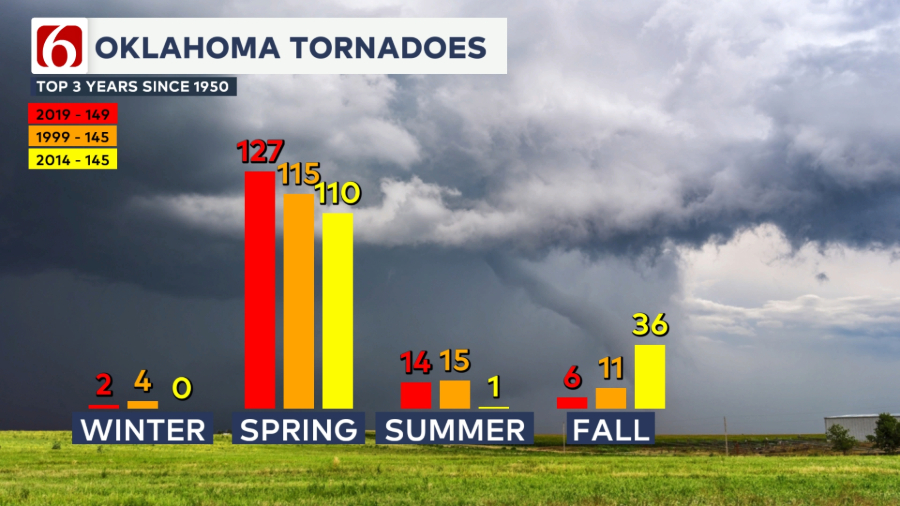
April and May are synonymous with extreme weather in the plains. In 2024, Oklahoma City and the surrounding rural counties witnessed a recurring cycle of supercell formation. During these months, the National Weather Service offices in Norman and Tulsa were frequently under high-alert status. The atmospheric instability during this period led to a higher-than-average frequency of confirmed touchdowns compared to the quieter years seen at the start of the decade. By mid-June, preliminary reports suggested that the state had already logged over 100 confirmed tornadoes, a figure that underscores the persistent nature of the 2024 storm track.
Regional Variations and Storm Paths
While the entire state is susceptible to these events, the geography of the Sooner State plays a significant role in where these storms touch down. Western Oklahoma often sees broader, more isolated systems, whereas the more densely populated areas in the central and eastern corridors—extending toward Broken Arrow and Edmond—often face the brunt of rapid-onset tornadic activity. The 2024 season showed a distinct trend of storms tracking through the I-35 corridor, which has historically been a high-frequency zone for tornadic development.
The Intersection of Tourism and Meteorology
For many travelers, the allure of the plains lies not just in its culture but in its dramatic landscapes. The field of “storm tourism” has grown significantly, bringing visitors from around the world to watch the horizon in search of atmospheric anomalies. However, understanding the risks associated with such travel is paramount for safety.
Safety Protocols for Regional Visitors
If your travel plans include a visit to areas prone to severe weather, staying informed is the most critical component of your itinerary. Local news stations like those operating out of Oklahoma City provide real-time updates that are far more accurate than national generalizations. Whether you are staying in a hotel in Moore or exploring the nature trails near Wichita Mountains Wildlife Refuge, familiarizing yourself with local siren systems and designated storm shelters is a non-negotiable step in your travel preparation.
Educational Attractions and Weather History
Beyond the immediate danger, Oklahoma offers several landmarks that help visitors understand the science behind these events. The National Weather Center, located in Norman, is an essential stop for those interested in the research and forecasting technology that protects the population. Exhibits here detail the historic tornado outbreaks of the past, providing a sobering but fascinating look at how meteorological science has evolved. By visiting these educational sites, tourists gain a deeper appreciation for the resilience of the local communities.
Environmental Factors Influencing Annual Trends
The frequency of tornadoes in any given year is never static. It is governed by global climatic patterns, such as El Niño and La Niña, which dictate the positioning of the jet stream. In 2024, the transition of these patterns created an environment conducive to frequent storm development across the Great Plains.
Climate Influence on Storm Frequency
Meteorologists often point to the “dry line”—a boundary where moist air from the south meets dry air from the west—as the trigger for these storms. During 2024, this boundary frequently stalled over central Oklahoma, acting as a catalyst for repeated severe weather outbreaks. The persistence of this pattern is a major reason why the 2024 count remained high throughout the early summer months.
Living with the Weather
Residents of the region have cultivated a unique culture of preparedness. From architectural adaptations in local schools and homes to the widespread installation of storm cellars, the landscape is built to withstand the elements. For those visiting from regions without such weather, the sight of specialized storm-resistant infrastructure is a subtle reminder of the state’s character. Whether you are navigating the urban sprawl of Tulsa or traveling through the rural plains, you are constantly reminded that the weather is an active participant in daily life.
Navigating the Future of Storm Season Tourism
As we look at the statistics from 2024, it becomes clear that the frequency of tornadoes is a fundamental aspect of the environmental identity of the region. For the tourism industry, this means promoting a message of responsible exploration. Encouraging visitors to prioritize their safety while engaging with the natural history of the state is a priority for local tourism boards.
Planning a Trip Around Severe Weather Season
If you intend to visit Oklahoma during the spring months, it is advisable to maintain a flexible itinerary. The beauty of the state—from the rolling hills of Osage County to the vibrant nightlife in Bricktown—is best enjoyed when you have the peace of mind that comes from being weather-aware. Ensure your accommodation has a solid safety plan and stay connected to local meteorological updates during your transit through the state.

The Legacy of the Plains
Ultimately, the number of tornadoes in 2024 serves as a reminder of the raw, untamed beauty of the American Midwest. These storms, while destructive, are a natural part of the ecology that shapes the landscape, creating the dramatic sunsets and the lush, productive fields for which Oklahoma is known. By understanding the data and respecting the power of these atmospheric events, visitors can gain a more profound connection to the land and the people who call this unique part of the world home. Whether you are a science enthusiast, a history buff, or a curious traveler, the story of Oklahoma is written in its skies—a narrative that remains as unpredictable and captivating as ever.
LifeOutOfTheBox is a participant in the Amazon Services LLC Associates Program, an affiliate advertising program designed to provide a means for sites to earn advertising fees by advertising and linking to Amazon.com. Amazon, the Amazon logo, AmazonSupply, and the AmazonSupply logo are trademarks of Amazon.com, Inc. or its affiliates. As an Amazon Associate we earn affiliate commissions from qualifying purchases.