
Deciding the perfect time to visit New York is often a matter of chasing the elusive transition between the biting winter chill and the humid, sweltering heat of summer. While the calendar marks the vernal equinox in late March, New York City operates on its own meteorological timeline. For the discerning traveler, understanding the nuances of spring in this urban landscape is essential for planning an excursion that balances comfortable weather with the vibrant pulse of the city’s seasonal awakening.
The Meteorological Shift: Understanding the Window
The “official” start of spring on March 20th rarely feels like the season in New York City. Those arriving in late March often find themselves contending with lingering cold fronts, gray skies, and the occasional late-season snowfall that can catch the unprepared traveler off guard. To truly experience the city as the locals do—when the park benches fill up and the heavy coats are finally shed—the optimal window is mid-April through late May.

Early Spring: The Cautious Awakening
During the first half of April, the city remains in a state of flux. While temperatures begin to climb into the low 60s Fahrenheit, the breeze coming off the Hudson River and the East River can keep the streets feeling significantly cooler than the forecast suggests. This is a time of transition; the city is gray, but the first hints of green appear in Central Park. For travelers who prefer fewer crowds and are willing to pack layers, this period offers a quiet, contemplative atmosphere before the intense tourist season begins.
Late Spring: The Full Bloom
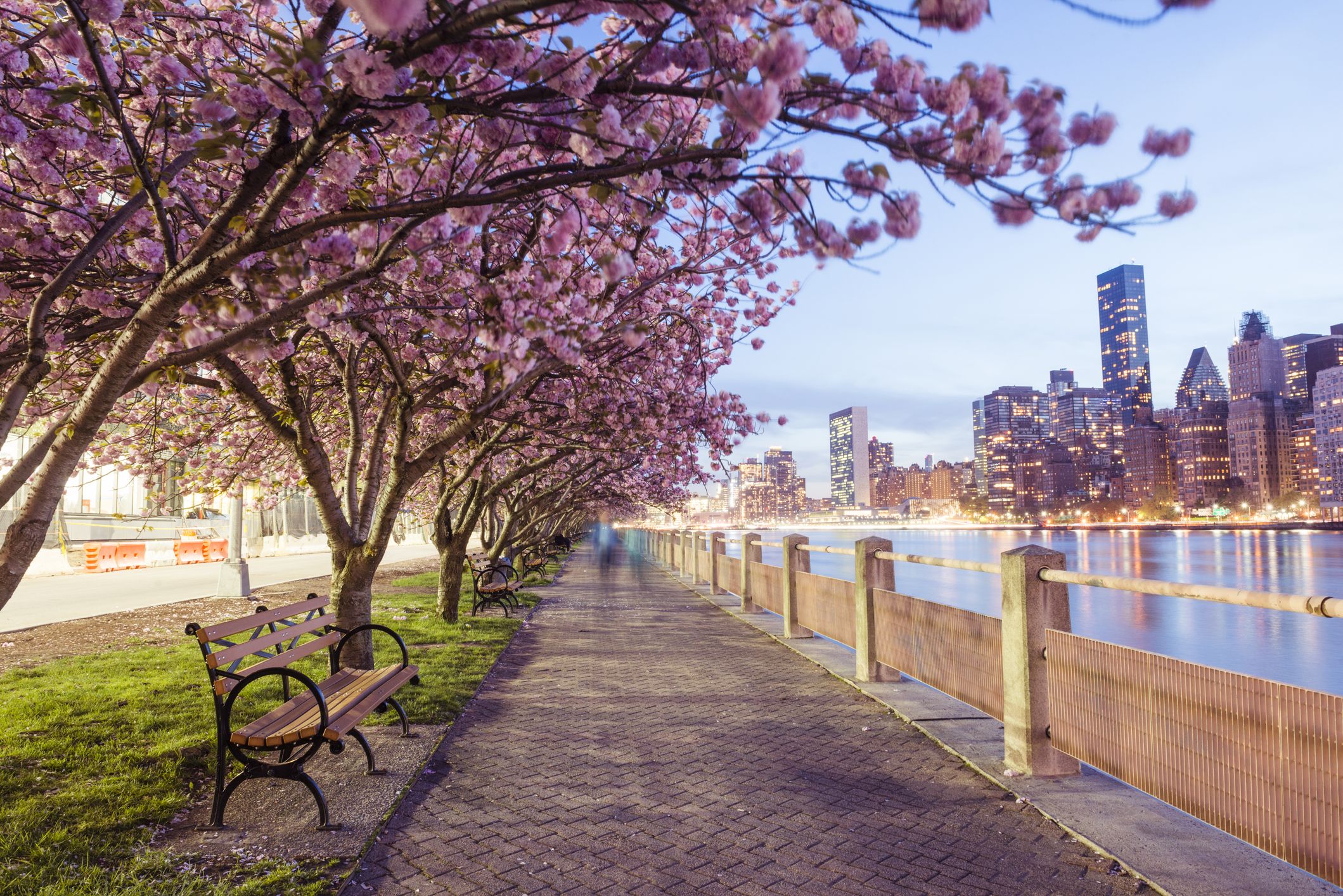
By late April and throughout May, the city transforms. The average temperature settles into a pleasant, mild range of 65 to 75 degrees. This is the “golden window” of New York travel. The humidity has yet to settle in, the parks are in full bloom, and the energy of the city feels recharged. Outdoor dining—a staple of the local lifestyle—begins to flourish, and the sidewalks become theaters of human activity.
Seasonal Experiences and Botanical Highlights
Spring is arguably the best time to appreciate the natural beauty integrated into the concrete grid of the city. While New York is known for its architecture, its commitment to urban greenery provides some of the most stunning seasonal displays in the United States.
The Cherry Blossoms of Central Park
One of the most anticipated events in the city is the arrival of the cherry blossoms. Depending on the severity of the previous winter, these delicate pink and white blooms typically peak between mid-April and early May. Wandering through the Conservatory Garden or walking around the Jacqueline Kennedy Onassis Reservoir offers a serene escape from the urban density. The sight of these blossoms against the backdrop of the Upper East Side skyline is a quintessential New York experience.
The Botanical Garden Displays
For a more structured horticultural experience, the New York Botanical Garden in the Bronx becomes a primary destination. The site hosts an annual orchid show that serves as a bridge into the spring season, followed by the vast outdoor landscapes that come alive with tulips, daffodils, and magnolias. It provides a deeper understanding of the local ecosystem and the dedication required to maintain such expansive green spaces within a metropolis.
Navigating the Urban Landscape: Tips for Travelers
Spring travel requires a specific strategy. Because the weather can shift from chilly to warm within a single day, the way you prepare for your days out makes a significant difference in your level of comfort.
The Art of Layering
If you are visiting in April, assume the weather will be unpredictable. A lightweight, waterproof trench coat or a stylish windbreaker is your best asset. As you transition into May, your wardrobe can shift toward lighter fabrics, but always carry a light sweater or pashmina for the evenings, especially if you plan to visit rooftops like the Top of the Rock or the Empire State Building, where the wind chill is magnified by the altitude.
Walking the City
Spring is the season of the pedestrian. With the comfortable temperatures, it becomes the most logical and enjoyable time to traverse the city on foot. Instead of relying solely on the Subway, take the time to walk through distinct neighborhoods like Greenwich Village, SoHo, and Tribeca. The architecture in these areas is particularly inviting when the temperatures are mild, and you are far more likely to stumble upon local street fairs, artisanal pop-ups, and neighborhood farmers’ markets that only operate during the warmer months.
Cultural Vibrancy and Outdoor Life
As the days grow longer, the city’s cultural calendar fills up. Spring serves as a prelude to the high-energy events of summer, providing a more approachable pace for visitors.
Street Fairs and Markets
The thawing of the city marks the return of outdoor markets. Places like Union Square host vibrant greenmarkets that showcase the bounty of the Hudson Valley. These markets are more than just shopping destinations; they are community hubs where chefs, residents, and visitors mingle. It is an excellent way to sample local products and engage with the culinary culture of the region.
The Return of Terrace Dining
New Yorkers take their outdoor seating seriously. In the spring, restaurants expand onto the sidewalks, and rooftop bars begin their full-season operation. Finding a spot at a sidewalk café in the West Village allows you to enjoy the city’s unique pace. It is a time when the noise of the city seems to soften into a rhythmic hum, perfect for people-watching and enjoying the distinct atmosphere of a global city coming back to life after the hibernation of winter.
Strategic Planning for Events
Spring is also the time for various cultural festivals. From the Tribeca Film Festival to various gallery walks in Chelsea, the arts scene is particularly active. If you have specific interests in theater or the arts, check the local listings well in advance. Spring bookings for Broadway shows are popular, as the weather is ideal for walking to and from the theaters in the Theater District.

Conclusion: When to Pack Your Bags
Ultimately, the best time to visit New York in the spring is whenever you can manage to secure a stay between the third week of April and the final week of May. This period avoids the erratic, bitter cold of early March and the humid, oppressive heat that often descends upon the concrete canyons of Manhattan by late June.
By timing your visit for the full bloom of the city, you are rewarded with a destination that feels hopeful, energetic, and perfectly balanced. Whether you are walking through the Brooklyn Botanic Garden, sitting by the fountain in Washington Square Park, or simply wandering the grid of the city, spring in this metropolis offers a unique perspective on the world’s most dynamic urban environment. Prepare for moderate temperatures, bring comfortable shoes, and allow yourself the freedom to wander—the city is best experienced when the air is crisp, the blossoms are bright, and the streets are calling.
LifeOutOfTheBox is a participant in the Amazon Services LLC Associates Program, an affiliate advertising program designed to provide a means for sites to earn advertising fees by advertising and linking to Amazon.com. Amazon, the Amazon logo, AmazonSupply, and the AmazonSupply logo are trademarks of Amazon.com, Inc. or its affiliates. As an Amazon Associate we earn affiliate commissions from qualifying purchases.