
When planning a relocation or considering a career move to the heart of the American Midwest, understanding the local economic landscape is essential. For educators, the state of Oklahoma presents a unique case study in public sector compensation. While the state is often lauded for its low cost of living, which makes it an attractive destination for families and budget-conscious professionals, the actual take-home pay for teachers is a complex figure influenced by legislative mandates, district-level supplements, and varying benefits packages.
The State Salary Schedule and Legislative Impact
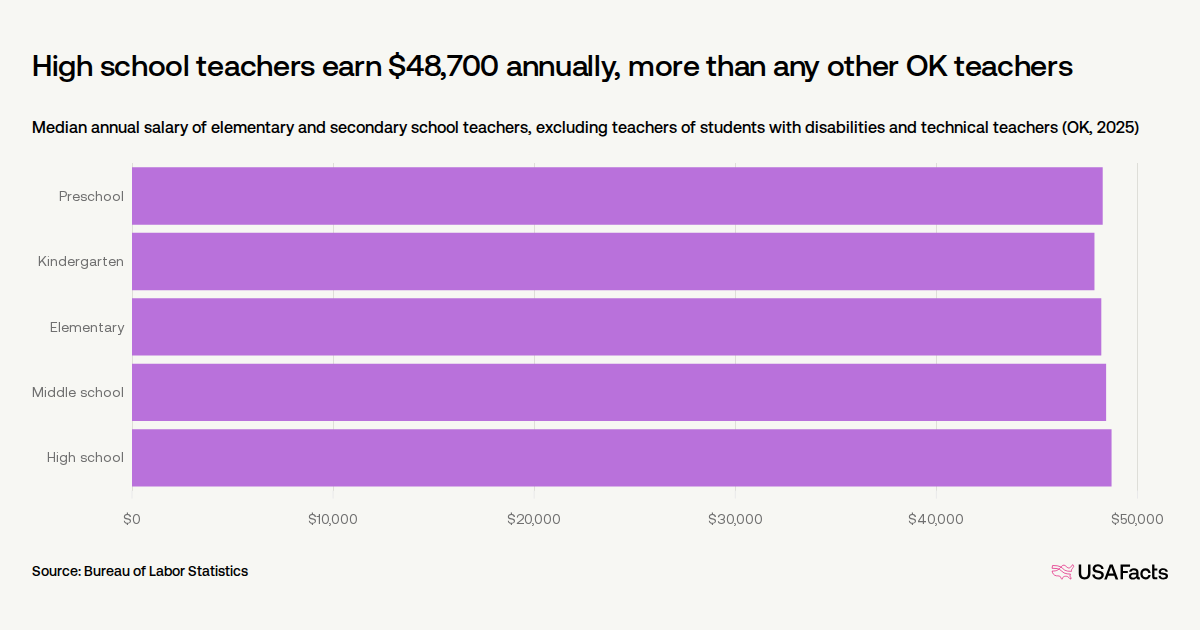
At the foundation of teacher compensation in Oklahoma City and across the state is the legislatively mandated minimum salary schedule. Historically, teacher pay in this region was a subject of significant public debate, leading to widespread advocacy for salary increases. In recent years, the Oklahoma Legislature has taken steps to adjust these base pay scales to ensure that the profession remains competitive with surrounding states.
Understanding Base Compensation
The base salary for a teacher in the state is determined by two primary factors: years of experience and level of education. A teacher entering the classroom with a bachelor’s degree will start at a different tier than a colleague with a master’s degree or a doctorate. These mandates ensure that there is a floor for compensation, preventing districts from falling below state-recommended minimums. However, it is important for prospective educators to realize that this “base” often represents the starting point rather than the final take-home figure.
Career Longevity and Step Increases
One of the key features of the Oklahoma pay structure is the concept of “steps.” As a teacher gains more years of experience, their salary generally increases on a predictable ladder. For those settling into life in cities like Tulsa, these incremental raises provide a sense of financial stability. Educators who plan to make a long-term home in the state often find that their earning potential increases significantly by the time they hit the ten-year or fifteen-year mark, provided they remain within the public school system.
District Supplements and Cost of Living Factors
While the state sets the baseline, the reality of take-home pay is often bolstered by local school districts. The geographical location of a school can make a substantial difference in the total compensation package offered to a candidate.
Variations Between Districts
Districts located in more affluent suburban areas or those with a higher property tax base often have the flexibility to offer “local supplements.” These are additional funds paid on top of the state minimum. For instance, a teacher working in Edmond or Norman might see a different final paycheck compared to a teacher in a more rural part of the Great Plains. These supplements can range from a few thousand dollars to significantly more, depending on the district’s budget health and voter-approved levies.
The Benefit of Lower Living Costs
When evaluating take-home pay, one must also account for the purchasing power of the United States dollar within the region. Oklahoma consistently ranks as one of the most affordable states in the country. Housing costs, utilities, and daily services in areas surrounding the Wichita Mountains or near major urban centers are often significantly lower than the national average. When a teacher takes home their monthly paycheck, the portion that goes toward rent or a mortgage is smaller than it would be in coastal cities. This “hidden” income effectively raises the standard of living for educators who choose to settle in the region.
Deductions, Benefits, and Net Pay
The figure that appears on a teacher’s pay stub is not their gross salary. To understand the actual “take-home” amount, one must subtract various mandatory deductions. This is where the difference between a high gross salary and a high net salary becomes clear.
Retirement and Health Insurance
A significant portion of a teacher’s gross pay in Oklahoma goes toward the Oklahoma Teacher Retirement System. While this is a mandatory deduction, it functions as a long-term investment in the educator’s future. Additionally, health insurance premiums—often subsidized by the state—are deducted from the paycheck. Because the state provides a contribution toward these insurance premiums, the net impact on the teacher’s take-home pay is often more favorable than in the private sector.
Tax Implications
Oklahoma levies a state income tax, which is deducted from monthly earnings. When combined with federal income tax, Social Security, and Medicare, the total tax burden can affect the final take-home figure. However, because the state’s overall tax structure is relatively balanced compared to high-tax states, many educators find that the amount remaining after taxes is sufficient to support a comfortable lifestyle, especially when considering the low cost of consumer goods in cities like Lawton or Broken Arrow.
Career Growth and Professional Development
The decision to teach is often driven by a passion for education, but financial sustainability remains a pillar of career satisfaction. In Oklahoma, there are several pathways for educators to increase their take-home pay beyond the standard salary schedule.
Advanced Certifications and Roles
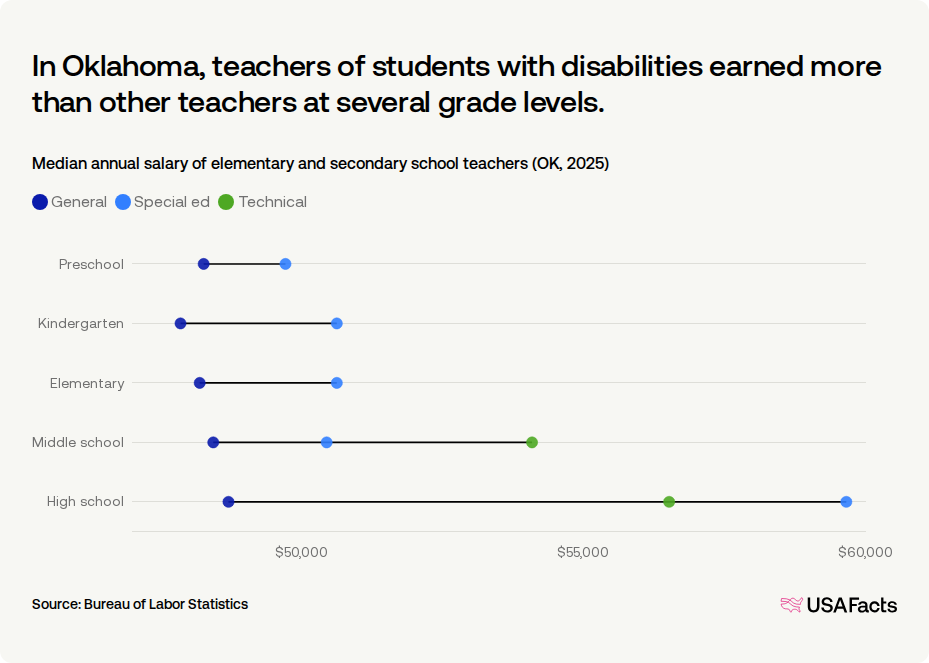
Teachers who pursue National Board Certification or obtain additional endorsements—such as those for special education or secondary math and science—often qualify for stipends or higher pay tiers. Some districts also offer additional compensation for taking on extra-curricular responsibilities, such as coaching athletic teams at a High School or sponsoring academic clubs. These opportunities allow teachers to leverage their expertise to boost their annual income.
Administrative Advancement
For those looking to move into leadership, moving from a classroom teacher position to an administrative role, such as a vice principal or curriculum coordinator, offers a substantial increase in base salary. Districts across the state, from the Osage County area to the bustling neighborhoods of Midwest City, are constantly looking for experienced educators to step into these roles. By investing in professional development and graduate-level education, teachers in Oklahoma can effectively curate their own path toward a more robust take-home salary.
Ultimately, while the base numbers in Oklahoma might appear modest when compared to the highest-paying states in the North America region, the combination of a low cost of living, state-subsidized benefits, and the potential for local district supplements creates a stable financial environment. For many educators, the ability to own a home, enjoy the local cultural attractions of the Plains, and contribute to a growing public school system makes the professional journey in this state a rewarding one. Understanding how these financial components work together allows teachers to make informed decisions about their careers, ensuring that their work in the classroom is supported by a solid foundation of financial wellness.
LifeOutOfTheBox is a participant in the Amazon Services LLC Associates Program, an affiliate advertising program designed to provide a means for sites to earn advertising fees by advertising and linking to Amazon.com. Amazon, the Amazon logo, AmazonSupply, and the AmazonSupply logo are trademarks of Amazon.com, Inc. or its affiliates. As an Amazon Associate we earn affiliate commissions from qualifying purchases.