
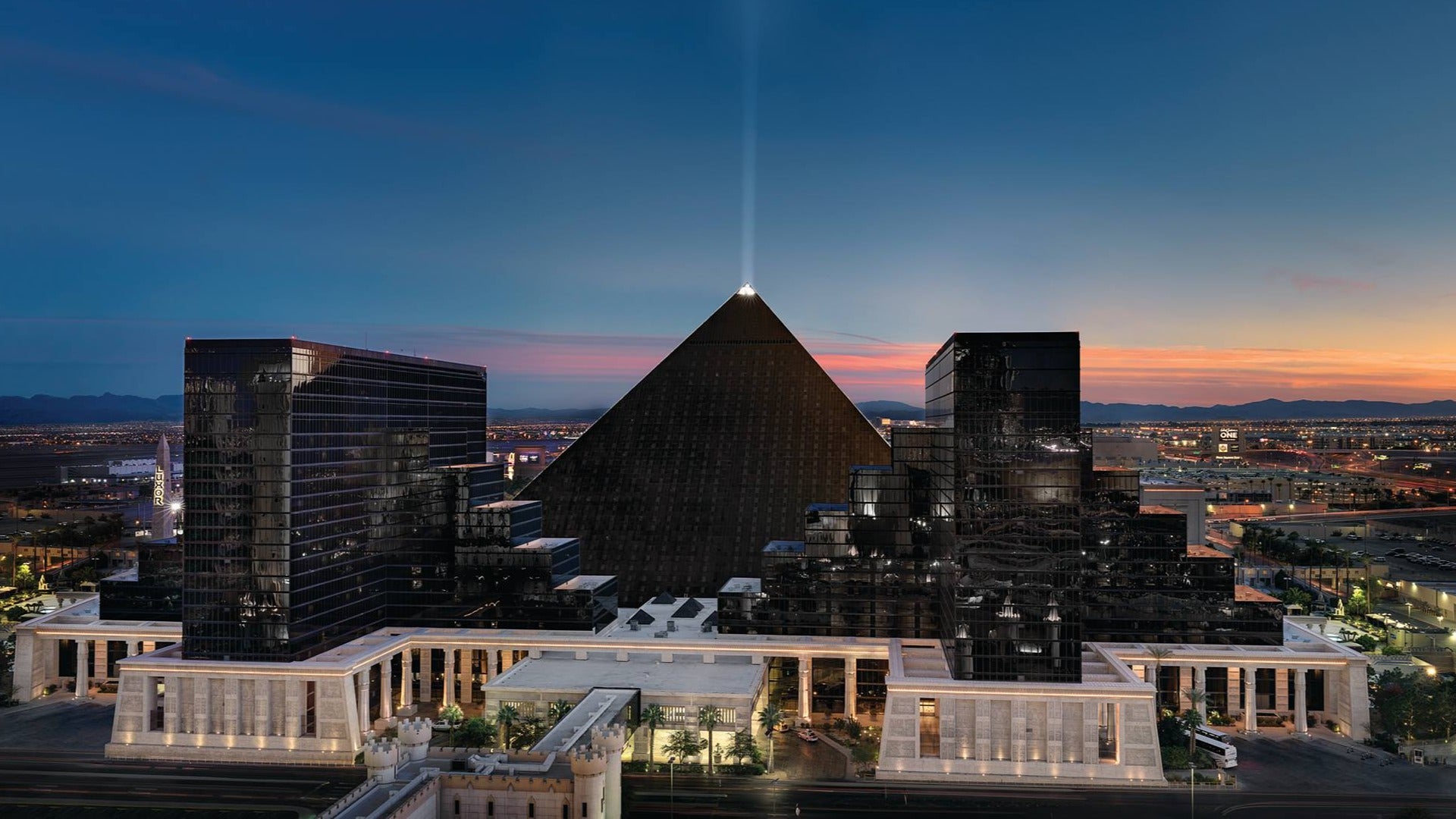
The Luxor Las Vegas stands as one of the most recognizable silhouettes on the Las Vegas Strip. With its towering black glass pyramid and the high-powered beacon that pierces the night sky, this resort has been a fixture of the Nevada skyline since it opened in 1993. However, behind the Egyptian-themed architecture and the vast casino floor lies a complex web of corporate ownership that has shifted significantly over the past three decades. Understanding who owns this iconic landmark requires navigating the intricate landscape of the modern hospitality and gaming industry.
The Corporate Structure Behind the Pyramid
In the world of large-scale resort ownership, it is essential to distinguish between the entity that operates the hotel and the entity that actually owns the underlying real estate. For the Luxor Las Vegas, this distinction is central to its financial history.

MGM Resorts International and Real Estate Investment Trusts
For many years, MGM Resorts International was the sole master of its domain, owning and operating its vast portfolio of properties. However, as the industry evolved, the company adopted a “propco/opco” strategy. This involves spinning off the real estate assets of their properties into a separate Real Estate Investment Trust (REIT).
Currently, the real estate associated with the Luxor Las Vegas is owned by VICI Properties, a real estate investment trust that specializes in gaming and entertainment destinations. Meanwhile, the actual business operations—the gambling, the hotel management, the dining, and the entertainment—remain under the control of MGM Resorts International. This means that while MGM Resorts International runs the daily guest experience, they pay a significant rent to VICI Properties to occupy the land and the building.
A Legacy of Ownership Evolution
The history of the Luxor Las Vegas is inextricably linked to the rise of modern corporate gaming. When the resort first opened, it was a project of Circus Circus Enterprises. At the time, the resort was a symbol of the “theme era” in Las Vegas, where properties were designed to transport guests to entirely different worlds.
From Circus Circus to MGM
In 1999, MGM Grand Inc. acquired Circus Circus Enterprises, a move that eventually led to the renaming of the company to MGM Mirage and later MGM Resorts International. This consolidation transformed the Luxor Las Vegas from an independent themed attraction into a key piece of a massive, interconnected resort ecosystem.
As part of the MGM Resorts International family, the Luxor Las Vegas gained access to the broader MGM Rewards loyalty program, which significantly changed its market positioning. The resort transitioned from being a standalone destination for themed tourism to a mid-range value option within one of the largest hospitality networks in the United States.
The Role of VICI Properties in Modern Tourism
The transition to VICI Properties ownership was part of a larger trend on the Las Vegas Strip. By separating the property from the operations, companies like MGM Resorts International are able to unlock capital that would otherwise be tied up in physical assets.
Why Ownership Matters to the Guest
For the average traveler visiting Nevada, the technicalities of a REIT ownership structure may seem irrelevant. However, this structure influences the capital expenditure budgets for resorts. Because the property owner (VICI Properties) and the operator (MGM Resorts International) are different entities, negotiations over renovations, modernization, and maintenance are constant.
Guests staying at the Luxor Las Vegas may notice that the property undergoes periodic updates. These updates are a reflection of the ongoing partnership between these two corporate giants. The goal is to keep the Luxor Las Vegas relevant in an increasingly competitive market where newer, luxury-focused resorts are constantly being developed on the Las Vegas Strip.
Future Outlook for the Landmark
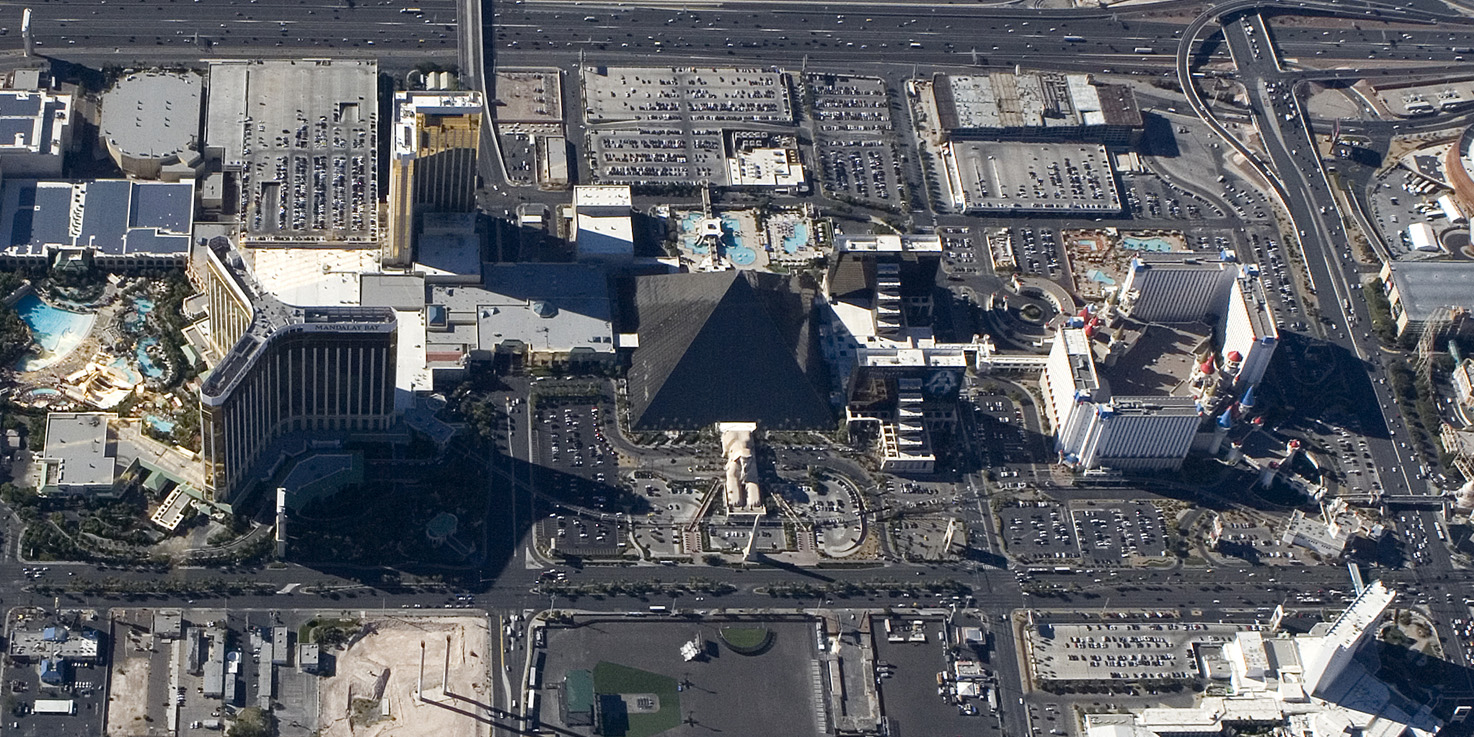
The Luxor Las Vegas occupies a massive footprint on the southern end of the Las Vegas Strip. Its proximity to Mandalay Bay and Excalibur Hotel and Casino creates a trifecta of properties that are often operated in synergy.
Strategic Value
The real estate value of the land alone in Las Vegas makes the Luxor Las Vegas a highly desirable asset. Whether the future brings total renovations or eventual redevelopment, the ownership structure involving VICI Properties and MGM Resorts International ensures that the property remains a core part of the Las Vegas tourist corridor.
The brand equity of the Luxor Las Vegas is undeniable. Millions of visitors travel to Nevada specifically to see the Great Sphinx of Giza replica at the entrance and to experience the unique interior architecture of the pyramid. While the legal and financial paperwork identifies VICI Properties as the landlord and MGM Resorts International as the operator, for the millions who pass through its doors, it remains a pillar of Las Vegas history and a testament to the city’s ability to reinvent itself while maintaining its most iconic structures.
By understanding the relationship between the real estate trust and the operating company, guests can gain a deeper appreciation for the business engine that powers one of the most famous hotels in the world. As the industry continues to consolidate and evolve, the Luxor Las Vegas will likely continue its trend of adapting to the needs of the modern traveler, backed by the stability of its corporate ownership structure. Whether you are looking for a base for your next Nevada adventure or simply appreciate the architecture of the Las Vegas Strip, knowing who is behind the scenes adds a layer of depth to the experience of staying at the Luxor Las Vegas.
LifeOutOfTheBox is a participant in the Amazon Services LLC Associates Program, an affiliate advertising program designed to provide a means for sites to earn advertising fees by advertising and linking to Amazon.com. Amazon, the Amazon logo, AmazonSupply, and the AmazonSupply logo are trademarks of Amazon.com, Inc. or its affiliates. As an Amazon Associate we earn affiliate commissions from qualifying purchases.