
Navigating the bustling streets and expansive highways of New York requires more than just a good map and a sense of direction; it requires an intimate understanding of the state’s traffic regulations. Whether you are driving a rental car through the heart of Manhattan or cruising down the long stretches of the Adirondacks, knowing the speed limits is paramount for your safety and your wallet. Unlike many other states, New York maintains a rigid set of rules that can shift abruptly as you transition from dense urban centers to rural expanses.

Understanding the General Speed Laws of the Empire State
The fundamental rule of driving in New York is anchored in the “Basic Speed Rule.” This concept dictates that, regardless of the posted limit, a driver must never operate a vehicle at a speed greater than what is reasonable and prudent under existing conditions. This means if there is heavy rain, thick fog, or icy roads, the legal limit is effectively lower than the numbers displayed on the white rectangular signs.
Default Speed Limits
In the absence of a posted sign, specific statutory limits apply to different types of roads:
- Residential and Business Districts: In the absence of a posted sign, the speed limit is generally 30 mph. This is common in smaller towns like Saratoga Springs or Cooperstown.
- State Highways: On most highways and roads in New York, the default maximum is 55 mph unless otherwise indicated.
- Interstates: The maximum speed limit on rural interstates is typically 65 mph, though some stretches have been raised to 65 or 70 mph where engineering studies have deemed it safe.
It is critical to note that New York City often diverges from state standards. For instance, the default speed limit within the five boroughs was lowered to 25 mph to improve pedestrian safety, a rule strictly enforced by speed cameras and local patrols.
The Nuances of Driving in New York City
Driving in New York City is a unique experience that requires constant vigilance. The city’s “25 mph rule” is a cornerstone of the Vision Zero initiative, aimed at eliminating traffic fatalities. When you cross the city line from a suburban area into Queens, Brooklyn, or the Bronx, you must be hyper-aware of your speedometer.
The Role of Speed Cameras
Technology plays a massive role in traffic enforcement in New York City. The city utilizes an extensive network of automated speed enforcement cameras. These cameras are often located in school zones, where limits can drop significantly—sometimes to as low as 15 or 20 mph during school hours. If you pass a speed camera above the threshold, you will receive a violation notice in the mail, which can be an unexpected and costly souvenir of your trip to Times Square or Central Park.
Highways and Parkways
Highways within the city, such as the Long Island Expressway or the Belt Parkway, have different limitations. While the standard highway limit in the state might be 55 or 65 mph, city parkways often have a lower cap, typically 50 mph. Because these roads were designed decades ago, they often feature tight curves and short merging lanes that necessitate lower speeds than modern interstates.
Speed Limits Across the Empire State’s Landscapes
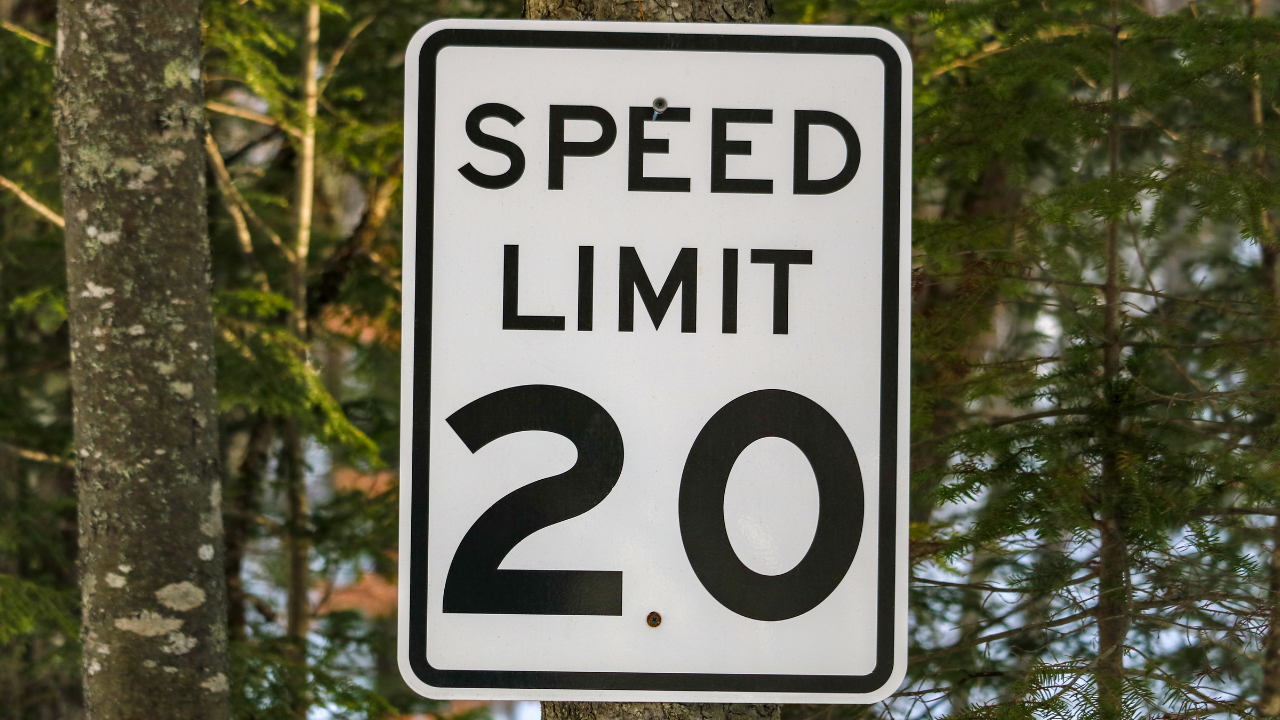
Once you leave the dense urban sprawl of New York City, the landscape opens up into diverse terrain, each with its own speed considerations. Traveling through the Hudson Valley or heading north toward the Finger Lakes involves traversing a variety of road types.
The Thruway and Major Interstates
The New York State Thruway is the backbone of regional travel. On the vast majority of this toll road, the speed limit is 65 mph. However, do not assume this is a constant. As the road approaches more developed areas near Albany, Syracuse, Rochester, or Buffalo, the speed limit will drop. Following these signs is not optional; state troopers are highly active on these stretches and maintain a low tolerance for speeders.
Rural Roads and Scenic Byways
Driving through areas like the Catskill Mountains or the Thousand Islands often puts you on winding, two-lane roads. In these regions, speed limits are dictated by the geography. You may encounter signs for 45 or 50 mph, but caution is advised. Sudden wildlife crossings, particularly deer, are common. Local law enforcement in smaller jurisdictions is vigilant about enforcing speed limits, often as a primary source of municipal revenue, so keeping an eye on the sign is a traveler’s best defense.
Consequences of Speeding in New York
The penalties for speeding in New York can be severe, especially for out-of-state drivers. Beyond the immediate financial impact of a ticket, which can include hefty surcharges and fees, there is the potential for points to be added to your license. If you are from out of state, these points often “transfer” to your home jurisdiction via the Driver License Compact, meaning a ticket in Niagara Falls can impact your insurance rates back home.
Fines and Surcharges
The fines for speeding are tiered based on how far over the limit you were traveling.
- 1–10 mph over: Lower fine bracket, fewer points.
- 11–20 mph over: Moderate fine, increased points.
- 21+ mph over: Significant fines and a mandatory appearance in court, which can turn a fun vacation into a stressful ordeal.
Work Zone Safety
Perhaps the most critical rule to remember involves construction zones. New York has a “Move Over” law and strict enforcement of work zone speeds. Fines for speeding in a marked work zone are doubled, and in some instances, a second violation can result in a license suspension. Whether you are driving past road work on Long Island or in the Western New York region, respecting these orange-signed areas is mandatory.

Travel Tips for Maintaining Safe Speeds
To ensure your journey through New York remains enjoyable and stress-free, consider these travel tips:
- Use Cruise Control Wisely: On the flat stretches of the New York State Thruway, cruise control is a great tool for maintaining a steady speed and avoiding “accidental” speeding. However, turn it off the moment you encounter hills or inclement weather.
- Follow the Flow, But Don’t Rely on It: While many drivers keep up with the speed of traffic, this is not a legal defense. If the flow of traffic is 75 mph in a 65 mph zone, you are still liable for a ticket.
- Watch for Changes: Keep your eyes scanning for speed limit signs. As you enter or exit a town, the limit will change rapidly. Never assume that because you were doing 65 mph five minutes ago that you are permitted to do so now.
- Download Offline Maps: Apps like Google Maps or Waze are excellent for providing real-time speed limit information, but they should be used as a secondary guide. The physical sign on the side of the road is the only legal reference that matters in a court of law.
By respecting the speed limits, you not only protect yourself and your passengers but also contribute to the safety of the residents in communities from Montauk to Lake Erie. Driving through New York is a privilege, and navigating its roads with care ensures that your experience—whether visiting a world-class museum or hiking a remote trail—is defined by the sights you see, not the tickets you collect.
LifeOutOfTheBox is a participant in the Amazon Services LLC Associates Program, an affiliate advertising program designed to provide a means for sites to earn advertising fees by advertising and linking to Amazon.com. Amazon, the Amazon logo, AmazonSupply, and the AmazonSupply logo are trademarks of Amazon.com, Inc. or its affiliates. As an Amazon Associate we earn affiliate commissions from qualifying purchases.