
When planning a long-term relocation or a strategic move for a business venture, understanding the local economic landscape is as crucial as identifying the best neighborhoods to inhabit. For those considering a transition to Oklahoma, looking beyond the surface-level metrics of unemployment rates provides a deeper insight into the state’s resilience, labor market stability, and the overall quality of life awaiting new residents. While the question of “how much” refers to statistical unemployment rates, the answer holds significant implications for the professional lifestyle of anyone looking to call the Sooner State home.
The Economic Pulse of the Sooner State
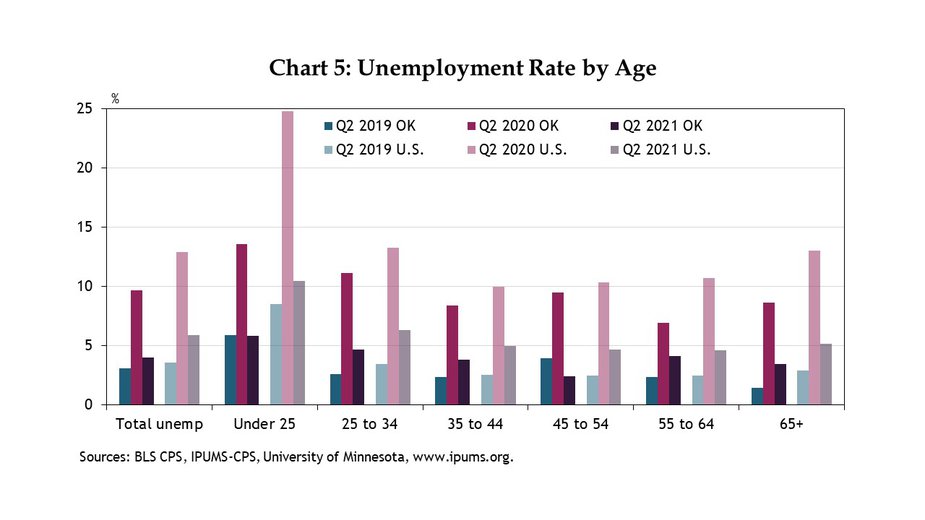
To truly grasp the economic environment, one must look at the labor force participation and how it correlates with the lifestyle in major hubs like Oklahoma City and Tulsa. The unemployment rate in Oklahoma has historically remained competitive when compared to the national average. This stability is largely driven by a diverse industrial base that spans aerospace, energy, agriculture, and an burgeoning technology sector.

Understanding Labor Market Fluctuations
Labor statistics in Oklahoma are influenced by regional cycles. In Oklahoma City, the government and healthcare sectors provide a robust “floor” for the economy, ensuring that even during national downturns, the local job market maintains a degree of insulation. For the newcomer, this translates to a sense of professional security that is often sought after when relocating families or establishing long-term business headquarters.
Growth Sectors and Professional Opportunities
While unemployment numbers provide a snapshot of the past and present, the future of the state’s workforce is defined by expansion. Significant investments in the Tulsa tech corridor and the aviation hub in Oklahoma City have created a demand for specialized labor. These sectors do not merely influence the unemployment rate; they dictate the quality of life, drawing in professionals who seek a lower cost of living paired with high-earning potential.
Lifestyle Implications for New Residents
The economic vitality of a state is intrinsically linked to the lifestyle it affords. In Oklahoma, the balance between work and play is a hallmark of the regional culture. When unemployment is low, the local hospitality, culinary, and tourism industries thrive, providing residents with an abundance of recreational outlets.
Cultural Vibrancy and Economic Health
A stable economy allows for the flourishing of local landmarks and cultural institutions. Residents in Tulsa often cite the revitalization of the Arts District as a direct byproduct of a healthy local economy. When people are employed and businesses are thriving, the investment in public spaces—such as the Gathering Place—becomes possible, creating a community-focused lifestyle that is attractive to young professionals and retirees alike.
The Impact of Stability on Tourism and Local Activities
Because the unemployment rate in Oklahoma stays moderate, the service industry remains consistent. Whether you are visiting the National Cowboy and Western Heritage Museum or exploring the historic Route 66 corridors, the professionalism and consistency of the local workforce are evident. A low unemployment rate generally indicates a labor market where talent is retained and trained, which benefits the traveler and the local citizen through improved customer experiences across the board.
Preparing for a Move: Navigating the Market
For those using employment metrics to decide on a relocation, it is essential to consider the state’s broader economic trajectory rather than just a single monthly statistic. A healthy economy in Oklahoma is reflected in the housing market, the infrastructure, and the accessibility of luxury versus budget-friendly living arrangements.
Cost of Living vs. Employment Opportunities
One of the primary benefits of living in Oklahoma is the advantageous ratio of cost of living to wage growth. Even if unemployment numbers fluctuate slightly due to global economic conditions, the affordability of real estate in places like Norman or Edmond keeps the financial burden on residents lower than in coastal states. This creates a safety net, making the state an attractive destination for entrepreneurs who might be concerned about the risks of launching a new venture in a more expensive climate.
Long-term Planning for Professional Growth
When you move to a state like Oklahoma, you are tapping into a workforce that values grit and innovation. The statistical “unemployment rate” is merely a number; the reality is an economy that is constantly adapting to find new ways to utilize its human capital. From the energy pioneers in Bartlesville to the burgeoning startup scene in Broken Arrow, the state offers a landscape where professional ambition is met with institutional support.
Evaluating the Economic Future of Oklahoma
As the state continues to diversify, the traditional reliance on specific industrial cycles is shifting. This transition is critical for prospective residents to understand. The modernization of the state’s infrastructure and the move toward a knowledge-based economy are long-term trends that point to a stable future.
Trends in Employment and Population Growth
Population growth in Oklahoma is often a precursor to long-term economic prosperity. As more people move to the state to take advantage of its lifestyle and job market, the economy enters a virtuous cycle of growth. This cycle is felt in the Bricktown area, where business development mirrors the increased activity of a growing, employed population.

Tips for Professionals Considering Relocation
If you are moving to Oklahoma, consider these factors to maximize your professional and lifestyle success:
- Identify Your Niche: Research the specific demands of the aerospace or energy sectors in Tulsa vs. the healthcare and government sectors in Oklahoma City.
- Investigate Quality of Life: Look beyond salary figures. Evaluate the time saved on commutes and the access to recreational facilities like Lake Hefner or the Wichita Mountains Wildlife Refuge.
- Network Early: Engage with local business groups and professional associations to gain a realistic view of current hiring trends beyond what is published in monthly government reports.
In conclusion, while the raw number of the unemployment rate in Oklahoma serves as a baseline indicator of economic health, the true value for a resident or business owner lies in the state’s overall stability and its commitment to growth. The combination of a resilient labor market, a high standard of living, and a culture that values community and hard work makes the state a compelling choice for those seeking to build a meaningful and sustainable future. Whether you are driven by professional advancement or the desire for a better quality of life, understanding the economic heartbeat of this state provides the clarity needed to make an informed decision for your next chapter.
LifeOutOfTheBox is a participant in the Amazon Services LLC Associates Program, an affiliate advertising program designed to provide a means for sites to earn advertising fees by advertising and linking to Amazon.com. Amazon, the Amazon logo, AmazonSupply, and the AmazonSupply logo are trademarks of Amazon.com, Inc. or its affiliates. As an Amazon Associate we earn affiliate commissions from qualifying purchases.