
For travelers living with disabilities, a service dog is not a pet—it is a vital medical tool. Whether you are planning a trip to a bustling metropolis like New York City or seeking a quiet retreat at a luxury property like the Ritz Carlton, the question of pet fees often creates unnecessary anxiety. Understanding the legal landscape and hotel policies regarding service animals is essential for a stress-free travel experience.
Legal Protections and the Americans with Disabilities Act
In the United States, the Americans with Disabilities Act (ADA) provides clear guidelines regarding service animals in public accommodations, including hotels and resorts. Under federal law, a service animal is defined as a dog that has been individually trained to do work or perform tasks for an individual with a disability.
The Distinction Between Pets and Service Animals
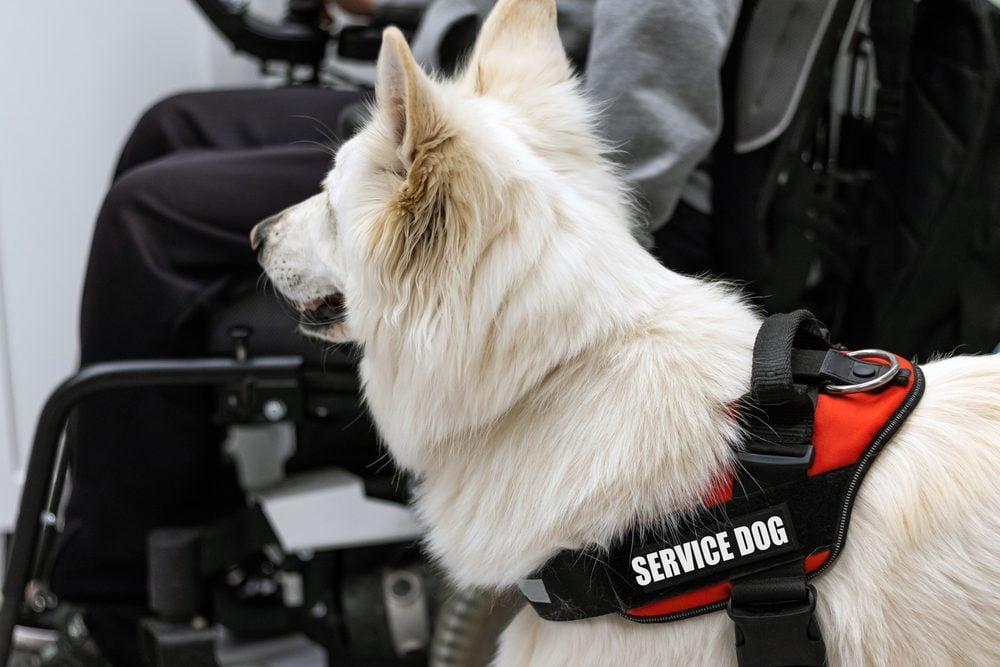
The most critical takeaway from the ADA is the legal distinction between a “service animal” and a “pet.” Because service dogs are considered medical equipment, they are legally permitted to accompany their handlers into areas of a hotel where the public is allowed. This includes lobbies, hallways, restaurants, and guest rooms. Consequently, a hotel cannot deny entry to a service dog, nor can they charge a “pet fee,” “pet deposit,” or “pet rent.”
Defining “Work or Tasks”
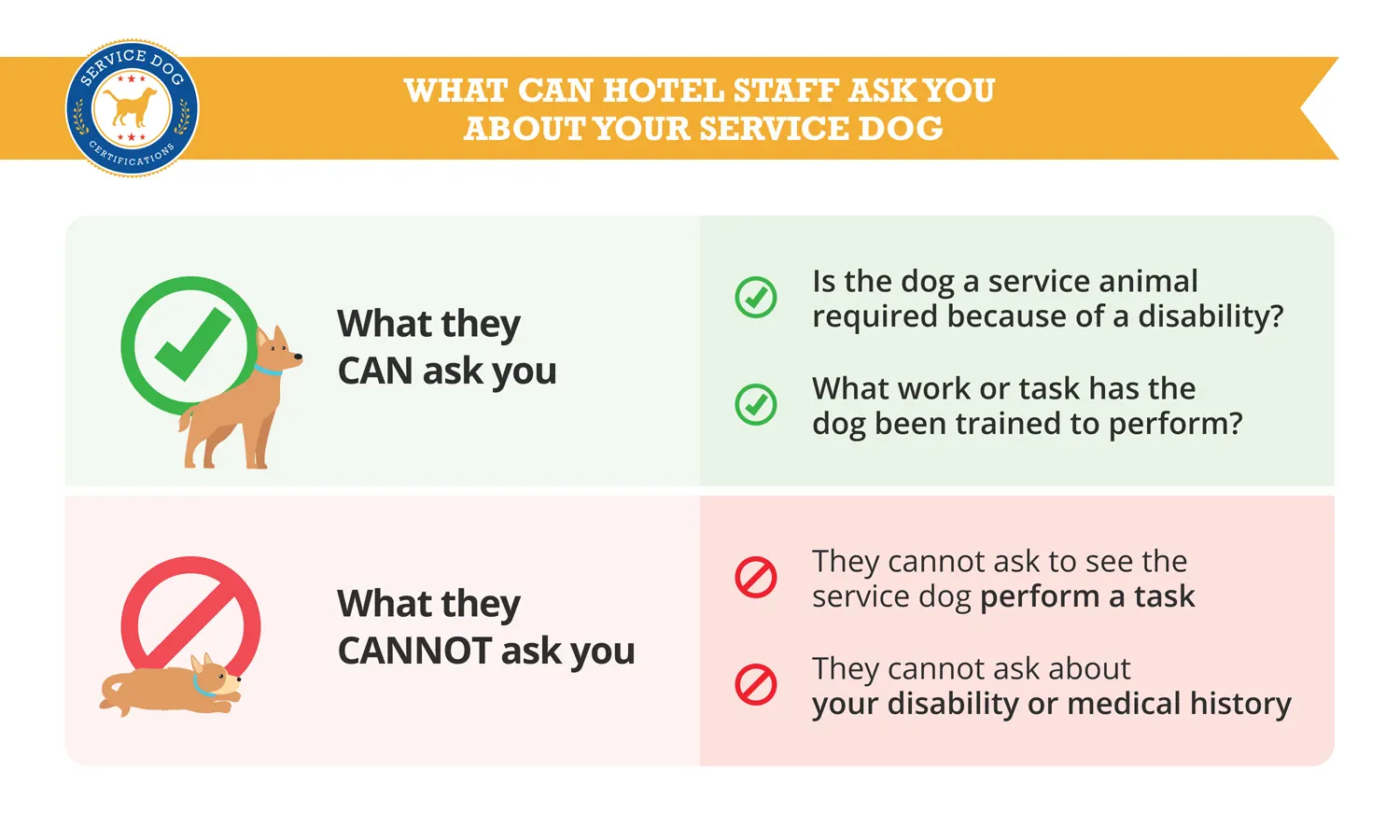
Hotels are permitted to ask two specific questions if the need for the service dog is not readily apparent:
- Is the dog a service animal required because of a disability?
- What work or task has the dog been trained to perform?
Staff cannot ask for documentation, certifications, or a demonstration of the dog’s training. If the animal provides a necessary service—such as guiding a visually impaired guest, alerting a person with diabetes to blood sugar changes, or assisting someone with PTSD—the animal must be accommodated at no additional cost.
Navigating Hotel Policies and Hidden Costs
While federal law is clear, the reality of checking into a hotel can sometimes be complicated by individual property management policies. Most major chains, such as the Hilton, Marriott, and Hyatt, have specific corporate training protocols to ensure compliance with the ADA. However, individual franchises or boutique hotels may occasionally misunderstand the law.
Handling “Pet Friendly” vs. “Service Animal” Fees
Many hotels market themselves as “pet-friendly” and charge a daily surcharge for animals. When you arrive at a property, such as the W Hotel, you may see an automated bill that includes a pet fee. It is your responsibility to clarify that your dog is a service animal, not a pet.
Often, a simple, polite correction at the front desk is all that is required to remove these fees. It is advisable to have your reservation noted in the system as “Service Animal” prior to arrival to prevent automated billing charges from appearing on your final receipt.
Property Damages and Liability
It is important to note that while hotels cannot charge a “fee” for a service dog, they can still hold you responsible for damages. The ADA allows hotels to charge service animal handlers for any damage the dog may cause to the room, provided that the hotel routinely charges other guests for similar damage. This serves as an important reminder to keep your service animal well-behaved and within your control at all times, whether you are staying in Los Angeles or London.
Best Practices for Booking and Arrival
Preparation is the best defense against unexpected fees or misunderstandings during your travels. Whether you are staying at an InterContinental or a small inn in San Francisco, following these steps will help ensure a smooth stay.
Communicating in Advance
Do not wait until you are at the front desk to disclose that you are traveling with a service dog. When booking online or over the phone:
- Direct Contact: Call the property directly. Speaking with a manager is often more effective than relying on a centralized booking agent.
- Written Confirmation: If possible, request an email confirmation stating that there will be no pet fees charged for your service animal.
- Accessibility Needs: If you require a specific room type—such as a ground-floor room for easy outdoor access—ensure that this is noted in your file alongside your service animal status.
Understanding International Variations
If your travels take you outside the United States, be aware that the ADA does not apply. In countries like France, Japan, or Canada, laws regarding service dogs vary significantly. Many countries have “pet-friendly” policies that extend to service dogs, but they may not be legally mandated to provide them for free. Always research the specific local laws and the individual hotel’s policy before booking international accommodations.
Etiquette for the Handler
Maintaining the reputation of service dog handlers is a collective effort. Hotels appreciate guests who are proactive about the dog’s behavior. While you are not legally required to have your dog wear a vest or harness, many handlers choose to do so. This can help staff immediately identify the dog as a working animal, which often bypasses the need for the “is this a pet?” conversation at check-in.
What to Do When Fees Are Mandated
If you encounter a hotel that insists on charging a pet fee for your service animal despite your explanation, it is helpful to remain calm and professional.
Steps for Conflict Resolution
- Request a Manager: Front desk staff may be following automated software prompts. A manager is more likely to have the authority to waive erroneous fees.
- Reference the Law: Politely explain that under the ADA, your service dog is a medical aid, not a pet, and that charging a pet fee is a violation of federal law.
- Document Everything: Keep a record of the names of the employees you speak with and the times of your interactions.
- Escalate Within the Chain: If you are staying at a major brand, reach out to their corporate customer service department. Most large hospitality companies have strict internal policies designed to prevent ADA litigation.
- Leave the Property: If a hotel refuses to waive the fee and you feel uncomfortable or discriminated against, you are within your rights to find alternative accommodations.
Resources for Advocacy
Organizations like the Department of Justice provide resources for individuals who believe their rights under the ADA have been violated. If you face systemic discrimination at a particular hotel brand, reporting the incident can help protect other travelers with disabilities in the future.
Conclusion
Travel should be accessible to everyone, regardless of their medical needs. While the uncertainty of hotel fees can be daunting, understanding your rights as a handler empowers you to navigate the hospitality industry with confidence. By choosing brands that prioritize accessibility, communicating your needs clearly before arrival, and knowing the legal definitions of service animals, you can enjoy your stay at world-class destinations—from Las Vegas resorts to boutique hotels in Chicago—without the burden of unfair charges. Your service dog is a partner in your independence; ensuring that their presence is respected and accommodated is a key part of your right to travel freely.
LifeOutOfTheBox is a participant in the Amazon Services LLC Associates Program, an affiliate advertising program designed to provide a means for sites to earn advertising fees by advertising and linking to Amazon.com. Amazon, the Amazon logo, AmazonSupply, and the AmazonSupply logo are trademarks of Amazon.com, Inc. or its affiliates. As an Amazon Associate we earn affiliate commissions from qualifying purchases.