
Attracting native wildlife to your backyard is a quintessential part of the Oklahoma experience. From the sweeping plains of Great Plains State Park to the lush landscapes near Tulsa, the Sooner State serves as a vital corridor for migratory birds. By crafting your own bird seed mixes, you not only provide high-quality nutrition for local species like the Scissor-tailed Flycatcher but also engage in a sustainable, cost-effective way to support the biodiversity of your region. Understanding the specific dietary needs of Oklahoma birds allows you to curate a feeding station that thrives through the scorching summers and the unpredictable winter months.
Understanding the Nutritional Needs of Oklahoma Birds
Before purchasing ingredients, it is essential to identify the common avian visitors in your area. Oklahoma is home to a diverse range of birds, including Cardinals, Blue Jays, Mourning Doves, and various species of finches. Each of these birds has unique preferences for seeds, fats, and grains.
The Importance of Native Ingredients
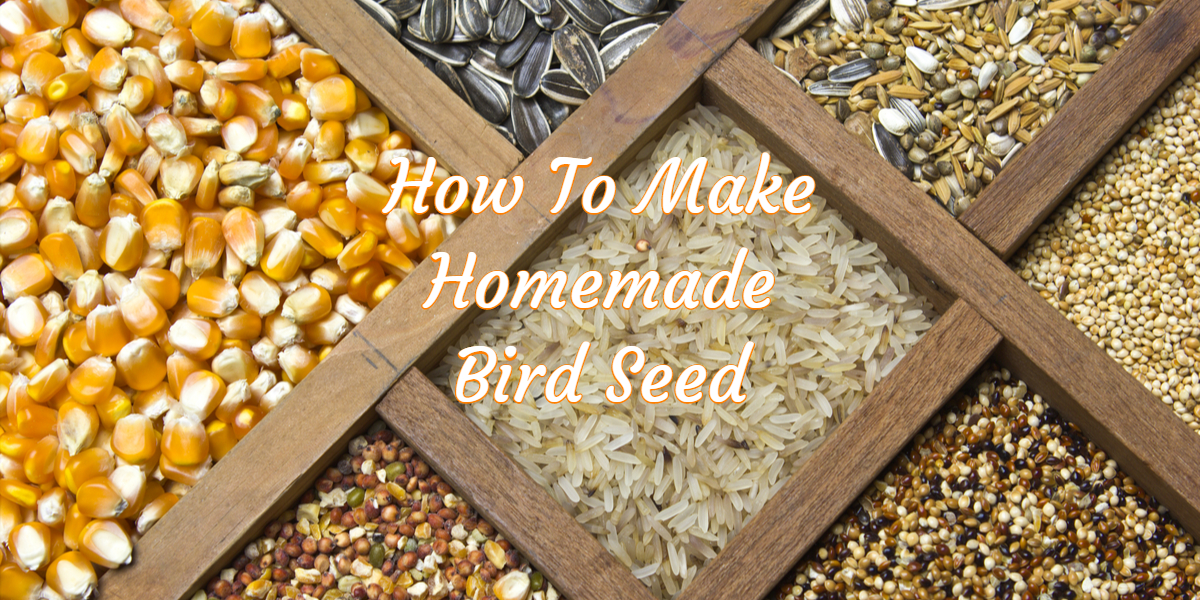
When sourcing materials, look for ingredients that mimic the natural forage found in Oklahoma. Black oil sunflower seeds are the gold standard for most backyard birds because they have a high fat content and thin shells that are easy to crack. White proso millet is excellent for ground-feeding birds, such as sparrows and doves, while safflower seeds are often favored by Cardinals and can help deter squirrels due to their slightly bitter taste.
Avoiding Common Pitfalls
Many store-bought “filler” mixes contain high amounts of red milo, wheat, and oats, which are often discarded by birds in favor of more desirable seeds. By mixing your own, you eliminate waste and ensure every handful you place in your feeder serves as a high-energy meal. Avoid adding processed human foods, bread, or salted nuts, as these can be detrimental to avian health and may attract unwanted pests to your property.
Sourcing Quality Components in Oklahoma
Creating a custom blend requires access to fresh, high-quality ingredients. Whether you are situated in the bustling urban environment of Oklahoma City or closer to the rolling hills of the Wichita Mountains, you can find the necessary components at local farm supply stores or bulk food retailers.
Bulk Buying Strategies
Purchasing in bulk is the most economical way to maintain your feeding station. Look for raw, unsalted seeds. If you are near Norman or Stillwater, check local agricultural cooperatives that often supply sunflower seeds, cracked corn, and peanut hearts in large sacks. Storing these in airtight metal containers will keep them fresh and free from moisture, which is critical in the humid climate of Oklahoma.
The Role of Suet and Fats
During the colder months, birds require extra calories to maintain their body heat. Suet, or rendered animal fat, is a fantastic addition to your homemade bird seed. You can mix melted suet with seeds, dried fruit, or even bits of cornmeal to create “suet cakes.” This is particularly effective for woodpeckers and nuthatches, which are common sights in the wooded areas around Broken Bow.
Formulating Your Custom Bird Seed Blends

Customizing your mix allows you to target specific species or create an “all-purpose” blend that keeps your feeders active year-round. Start with a foundational ratio and adjust based on your observations.
The General Purpose Mix
For a standard backyard feeder, a great base recipe is:
- 50% Black Oil Sunflower Seeds
- 25% White Proso Millet
- 15% Safflower Seeds
- 10% Peanut Hearts or Cracked Corn
Combine these in a large bucket and stir thoroughly. The sunflower seeds provide the necessary fat and protein, while the millet ensures that the ground-feeders are not left out.
The Songbird Special
If you want to attract more vibrant songbirds, try increasing the proportion of sunflower seeds and adding a small amount of nyjer (thistle) seed. While nyjer can be expensive, it is a favorite of goldfinches. Keep in mind that nyjer requires a specialized feeder with small holes to prevent the tiny seeds from spilling out, which is a common issue for bird enthusiasts in windy regions like the Panhandle.
Seasonal Adjustments for the Sooner State
As the seasons change in Oklahoma, so should your approach:
- Spring/Summer: Focus on higher protein seeds to support nesting birds.
- Fall/Winter: Increase the fat content with extra sunflower seeds, suet, and cracked corn to help birds survive the freezing nights.
Maintaining a Safe Feeding Environment
The quality of your bird seed is only as good as the cleanliness of your feeders. Homemade mixes are a wonderful way to support local ecology, but they also require diligent maintenance to prevent the spread of disease among avian populations.
Hygiene and Storage
Clean your feeders at least once every two weeks using a diluted bleach solution. Ensure the feeders are completely dry before refilling them with your homemade mix. Damp, clumpy seed can harbor mold and bacteria, which can be fatal to birds. When storing your bulk ingredients, keep them in a cool, dark, and dry area. If you live in an area with high moisture, consider adding a food-grade desiccant packet to your storage containers.
Managing Wildlife Interactions
While you want to attract birds, you may also draw the attention of local wildlife, such as squirrels, raccoons, or even the occasional Black Bear in the eastern forests. Use baffles on your feeder poles and mount them at least five feet off the ground. If you are specifically trying to keep mammals away, consider adding a touch of cayenne pepper to your seed mix—birds are unaffected by the heat, but squirrels and other mammals find it highly unpleasant.

Observation as a Hobby
Feeding the birds in your backyard is more than a chore; it is an opportunity to practice citizen science. Keep a journal of the birds you see throughout the year. Are there specific patterns related to your seed blends? Do you notice more activity during the migration periods in Sequoyah National Wildlife Refuge? Documenting these observations adds a layer of depth to your hobby and helps you become more attuned to the natural rhythms of the Great Plains.
By taking control of the bird seed supply, you become an active participant in the conservation of Oklahoma’s avian life. It is a rewarding endeavor that turns your backyard into a sanctuary, providing a reliable food source for the beautiful species that make our state a unique place to live. With a bit of patience, careful sourcing, and the right mix of seeds, you will soon find your feeders bustling with activity, offering a front-row seat to the wonders of nature.
LifeOutOfTheBox is a participant in the Amazon Services LLC Associates Program, an affiliate advertising program designed to provide a means for sites to earn advertising fees by advertising and linking to Amazon.com. Amazon, the Amazon logo, AmazonSupply, and the AmazonSupply logo are trademarks of Amazon.com, Inc. or its affiliates. As an Amazon Associate we earn affiliate commissions from qualifying purchases.