
When travelers set their sights on Montana, they are often greeted by a landscape that defies simple categorization. Known as the “Treasure State,” this vast expanse of rugged peaks, rolling prairies, and hidden river valleys offers a cultural tapestry that is as complex as its geography. While political discourse often paints rural America with a broad brush, understanding the local culture requires a deeper look into the history, traditions, and evolving social fabric of this northern state. To appreciate Montana, one must move past the headlines and engage with the authentic pulse of its communities.
The Cultural Landscape: Bridging Tradition and Change
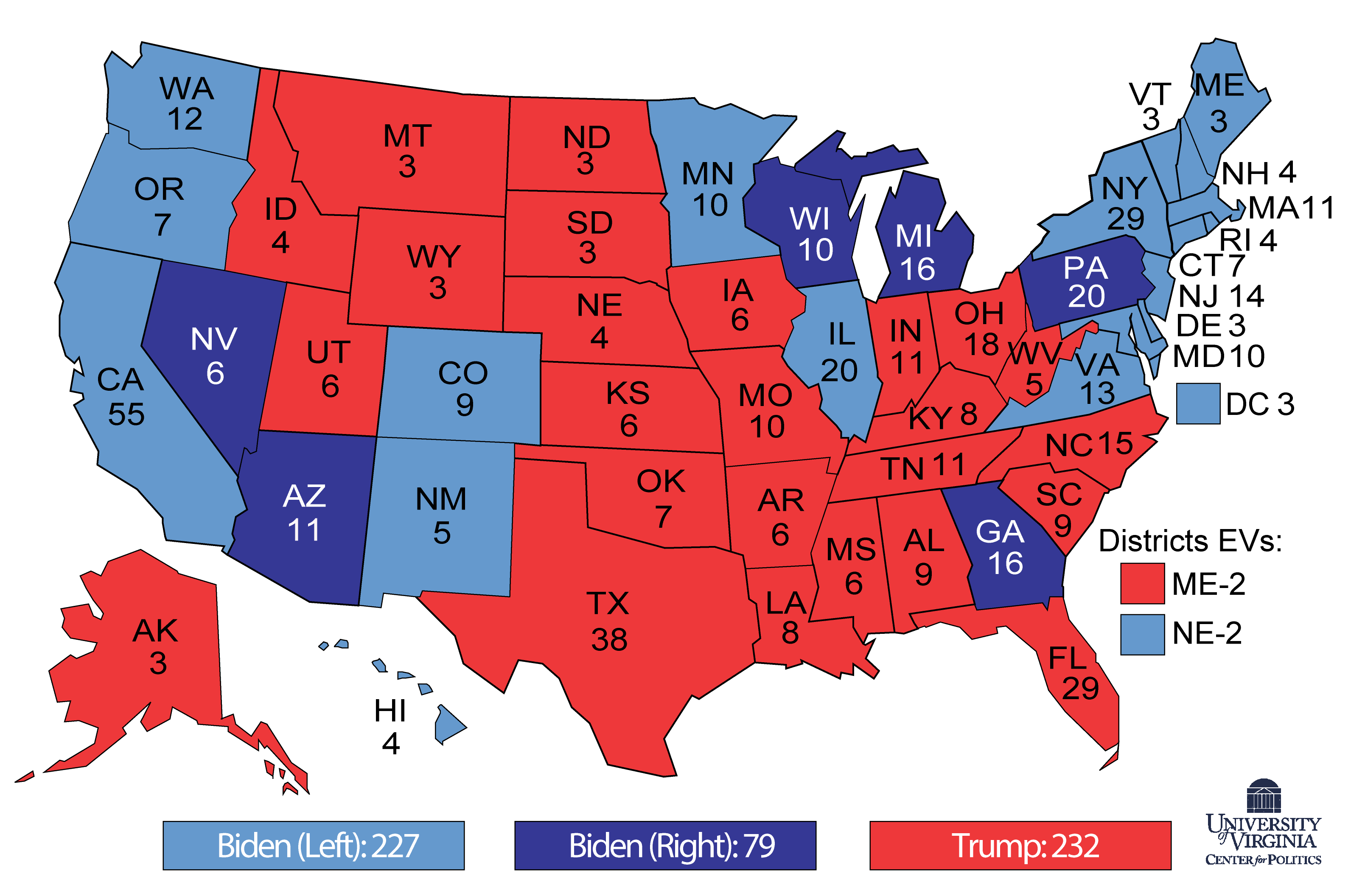
The perception of Montana as a monolith of conservative ideology is a common starting point for many visitors, yet it is only half the story. The state’s history is rooted in a pioneer spirit that values individual liberty, self-reliance, and a deep respect for the land. This “rugged individualism” is a hallmark of the American West and continues to shape the day-to-day interactions one finds in towns ranging from Billings to Missoula.
The Influence of the Pioneer Ethos
In communities scattered throughout Big Sky Country, there remains a strong emphasis on traditional values. The economy has historically been tethered to agriculture, mining, and timber—industries that rely on favorable policy environments and a hands-off approach from central governance. This creates a culture where local control and community-level decision-making are prioritized over federal mandates. For a visitor, this manifests as a genuine sense of neighborliness and a “live and let live” philosophy that is distinctly Montanan.
Emerging Intellectual Hubs
Conversely, Montana is home to thriving intellectual and academic centers. Cities like Bozeman, home to Montana State University, and Missoula, home to the University of Montana, serve as crucibles for progressive thought, arts, and environmental advocacy. These areas attract young professionals, researchers, and artists who contribute to a vibrant, eclectic, and decidedly diverse social atmosphere. This duality—the traditional rural backbone and the progressive academic pulse—creates a unique state-wide dialogue that makes the region incredibly interesting for travelers seeking more than just scenery.
Tourism and the Stewardship of Nature
If there is one thing that unifies the diverse political and cultural factions in Montana, it is a profound reverence for the outdoors. Whether one leans left or right, the protection of the state’s natural beauty is a shared priority that often transcends partisan lines.
The Great Outdoors as a Unifier
For the outdoor enthusiast, the state offers unparalleled access to Glacier National Park and the vast wilderness of the Bob Marshall Wilderness Complex. Here, the politics of the visitor become irrelevant compared to the shared awe of a sunrise over Lake McDonald or the quiet solitude of a trail hike in the Bitterroot Range. Local residents take immense pride in their state’s wild lands, and the tourism industry reflects this. Sustainable practices and conservation are not just policies; they are a lifestyle necessity for those who call this terrain home.

Cultural Tourism and Local Identity
Tourism in Montana is increasingly centered on authentic connection. Rather than standard, homogenized tourist traps, travelers are seeking experiences that ground them in the local culture. This might mean visiting a craft brewery in Helena, exploring the history of the Little Bighorn Battlefield National Monument, or engaging with the vibrant tribal nations, such as the Crow Nation or the Blackfeet Nation. By focusing on these cultural markers, visitors gain a better understanding of the nuanced reality of the state—it is a place that honors its past while navigating a rapidly changing future.
Navigating the Local Experience as a Traveler
Traveling through Montana requires a sense of curiosity and an openness to perspective. The state’s “conservative” reputation, while rooted in historical data and voting patterns, does not dictate the quality of a travel experience. In reality, visitors often find that local hospitality remains largely apolitical and incredibly welcoming.
Engaging with Local Communities
When dining in Great Falls or shopping in a boutique in Whitefish, the best approach is to engage in genuine conversation. The people of Montana are known for being straightforward and sincere. They are proud of their home and generally happy to share local recommendations—whether it’s the best fly-fishing spot on the Yellowstone River or a quiet hiking trail near Butte.
Respecting Diverse Viewpoints
The beauty of traveling in a state with such a diverse political and cultural makeup is the opportunity to listen. You might find a coffee shop owner who is a lifelong rancher discussing the complexities of land management, followed by an hour of conversation with a tech entrepreneur who moved from California to escape the urban sprawl. By remaining respectful and open, you will find that the “conservative” label is merely a backdrop to a much more complex, textured, and fascinating human experience.
The Future of the Montana Identity
As the world becomes more interconnected, Montana is experiencing a period of significant growth and change. New industries, a surge in remote work, and an influx of new residents are reshaping the economic and social landscape. This transformation is currently the subject of much debate across the state, with locals weighing the benefits of growth against the preservation of their traditional way of life.
The Balance of Growth and Preservation
For the traveler, this transition is visible in the evolution of towns like Bozeman. What was once a quiet agricultural trade center is now a bustling hub of innovation and high-end tourism. This evolution invites a reflection on what makes a place “conservative” or “progressive.” Perhaps, in the context of Montana, these terms are losing their rigidity. A rancher and a tech professional might find common ground in their shared commitment to protecting the water rights of the Missouri River or maintaining the accessibility of public lands.

A Concluding Perspective
Ultimately, characterizing Montana as purely conservative is to miss the nuance that defines the state. It is a region of vast extremes—geographically, culturally, and ideologically. For the visitor, the reward lies in exploring these layers. When you traverse the plains of Eastern Montana or the mountain passes of the Rockies, you aren’t just visiting a state; you are witnessing a vibrant, evolving experiment in American life. Whether you are looking for outdoor adventure, historical insight, or a connection with a culture that values authenticity above all else, the Treasure State invites you to look beyond the labels and discover the reality for yourself. The strength of the state does not lie in its political alignment, but in the enduring spirit of its people and the breathtaking majesty of the land they call home.
LifeOutOfTheBox is a participant in the Amazon Services LLC Associates Program, an affiliate advertising program designed to provide a means for sites to earn advertising fees by advertising and linking to Amazon.com. Amazon, the Amazon logo, AmazonSupply, and the AmazonSupply logo are trademarks of Amazon.com, Inc. or its affiliates. As an Amazon Associate we earn affiliate commissions from qualifying purchases.