
For bird enthusiasts in the Sooner State, selecting the right birdseed is a culinary art form that determines the diversity of species visiting your backyard. Because Oklahoma sits at the crossroads of the central flyway, the state experiences a dynamic mix of migratory and resident birds. Choosing the correct mixture requires understanding the region’s specific geography and the dietary preferences of local avian populations.
Understanding the Oklahoma Avian Landscape
To master backyard birding in Oklahoma City or the rolling hills of the Ozark Mountains, one must first account for the environmental factors that influence bird behavior. The state’s climate, ranging from humid subtropical conditions in the east to semi-arid plains in the west, dictates the natural food sources available throughout the year.

The Influence of Migration Patterns
As birds traverse the central flyway, they seek high-energy sustenance to fuel their long journeys. Offering a high-quality blend during the peak migration months of spring and fall can turn your garden into a vital refueling station. Resident birds, such as the Northern Cardinal and the Blue Jay, rely on consistent supplemental feeding during the harsh Oklahoma winters when natural seeds are buried under sleet or frost.
Regional Botanical Considerations
The native flora found in places like the Wichita Mountains Wildlife Refuge provides natural nourishment, but supplemental seeds act as a necessary safety net. By providing a blend that mimics the nutritional value of native sunflower seeds and grains, you attract birds that might otherwise bypass your feeders in search of wilder habitats.
Decoding the Best Birdseed Blends
Not all bags of “wild bird seed” are created equal. In fact, many low-cost commercial mixes are packed with “filler” seeds that most birds in Tulsa or Norman will simply kick to the ground. To be an effective backyard steward, you must look for specific ingredients that provide the highest protein and fat content.
The Gold Standard: Black Oil Sunflower Seeds
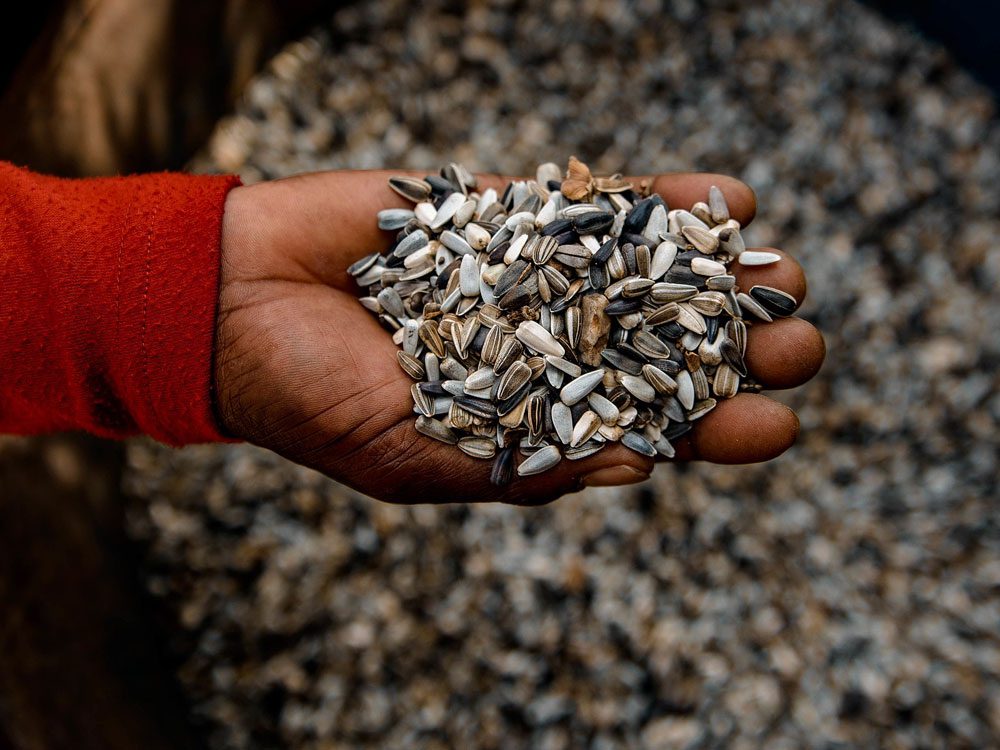
If you only provide one item in your feeder, make it black oil sunflower seeds. These seeds have a thin shell, making them easy for smaller birds to crack, and are packed with the high-fat oil necessary for winter survival. They are the universal favorite, appealing to nearly every feeder-visiting species, from the Carolina Chickadee to the Tufted Titmouse.
Integrating Suet and Peanuts
During the colder months, protein-heavy additions become essential. Suet—a block of rendered beef fat—provides the caloric density that insect-eating birds require when their natural bug supply disappears. Additionally, unsalted, shelled peanuts attract woodpeckers and nuthatches. If you are birding in Broken Bow, where forest density is high, hanging suet cages can significantly increase the variety of species you witness near your home.
Avoiding “Filler” Ingredients
Avoid mixes that contain high quantities of red milo, wheat, or oats. While these are cheap for manufacturers to include, they are largely ignored by preferred backyard birds. In Oklahoma, these fillers often just end up rotting in the damp soil beneath your feeder, potentially attracting unwanted pests or fostering bacterial growth that can be harmful to avian health.
Setting Up Your Feeder Strategy
The type of feeder you choose is just as important as the seed inside it. A blend of sunflower seeds is useless if it is protected by a housing that discourages your target visitors.
Tube Feeders vs. Platform Feeders
Tube feeders are excellent for hanging seed and protecting it from rain, which keeps the grain dry and prevents mold. They are ideal for perching birds like finches. Platform feeders, by contrast, are open and flat. They are better suited for ground-feeding species like the Mourning Dove or the Northern Flicker. In Lawton, where winds can be significant, ensure your platform feeders are sturdy and positioned in a way that minimizes swaying.
Maintaining Hygiene
No matter what blend you choose, the health of the local population depends on cleanliness. Oklahoma summers can be humid, and stagnant seed in a dirty feeder can become a breeding ground for pathogens. You should aim to clean your feeders with a dilute bleach solution at least once every two weeks. This is particularly important for the American Goldfinch, which is highly susceptible to eye infections caused by dirty feeder surfaces.
Seasonal Feeding Adjustments
The needs of birds change as the seasons turn. Providing a static feeding regimen year-round is rarely as effective as adapting your strategy to the current weather and lifecycle needs of the birds.
Spring and Summer: The Protein Boost
During the spring nesting season, birds are feeding their young, which requires high protein. While parents will hunt for insects, offering mealworms or high-protein sunflower mixes can support them during this high-energy period.
Autumn and Winter: The High-Fat Harvest
As the first frost hits Stillwater, the birds’ metabolism shifts. They prioritize fat content over protein. This is the time to increase the ratio of black oil sunflower seeds and offer high-fat suet blocks. It is also the ideal time to add thistle (nyjer) seed to your feeders to attract late-season arrivals and migratory finches that favor tiny, oil-rich seeds.

Creating a Sustainable Backyard Habitat
Beyond the feeder, consider the total environment. Oklahoma is a state of vast plains and beautiful river valleys. By planting native shrubs and maintaining a clean, shallow water source—like a birdbath—you provide the two other pillars of survival: shelter and water. When combined with a high-quality birdseed blend, your backyard becomes a sanctuary that supports biodiversity and allows you to enjoy the stunning avian life that makes the region so unique.
Whether you are a novice observer in Edmond or a seasoned ornithology enthusiast living near the Red River, the effort put into selecting the right birdseed pays off in the richness of your sightings. Remember that consistency is key; once the local birds recognize your yard as a reliable, high-quality food source, they will return season after season, rewarding you with the beautiful songs and colors of native Oklahoma wildlife.
LifeOutOfTheBox is a participant in the Amazon Services LLC Associates Program, an affiliate advertising program designed to provide a means for sites to earn advertising fees by advertising and linking to Amazon.com. Amazon, the Amazon logo, AmazonSupply, and the AmazonSupply logo are trademarks of Amazon.com, Inc. or its affiliates. As an Amazon Associate we earn affiliate commissions from qualifying purchases.