
For travelers visiting the beautiful archipelago of Hawaii, the day is often measured not by clocks, but by the movement of the sun. Because of its unique geographic position near the equator, Hawaii experiences shorter twilight periods and a more consistent sunset schedule than much of the continental United States. Understanding these patterns is essential for planning your golden hour photography, beach dinners, or evening catamaran cruises.
The Science of Sunset in the Tropics
Many visitors are surprised to find that sunset times in Hawaii do not fluctuate as drastically as they do in temperate regions. This stability is directly related to the island chain’s proximity to the equator, specifically situated between 18° and 22° North latitude.
Seasonal Variations
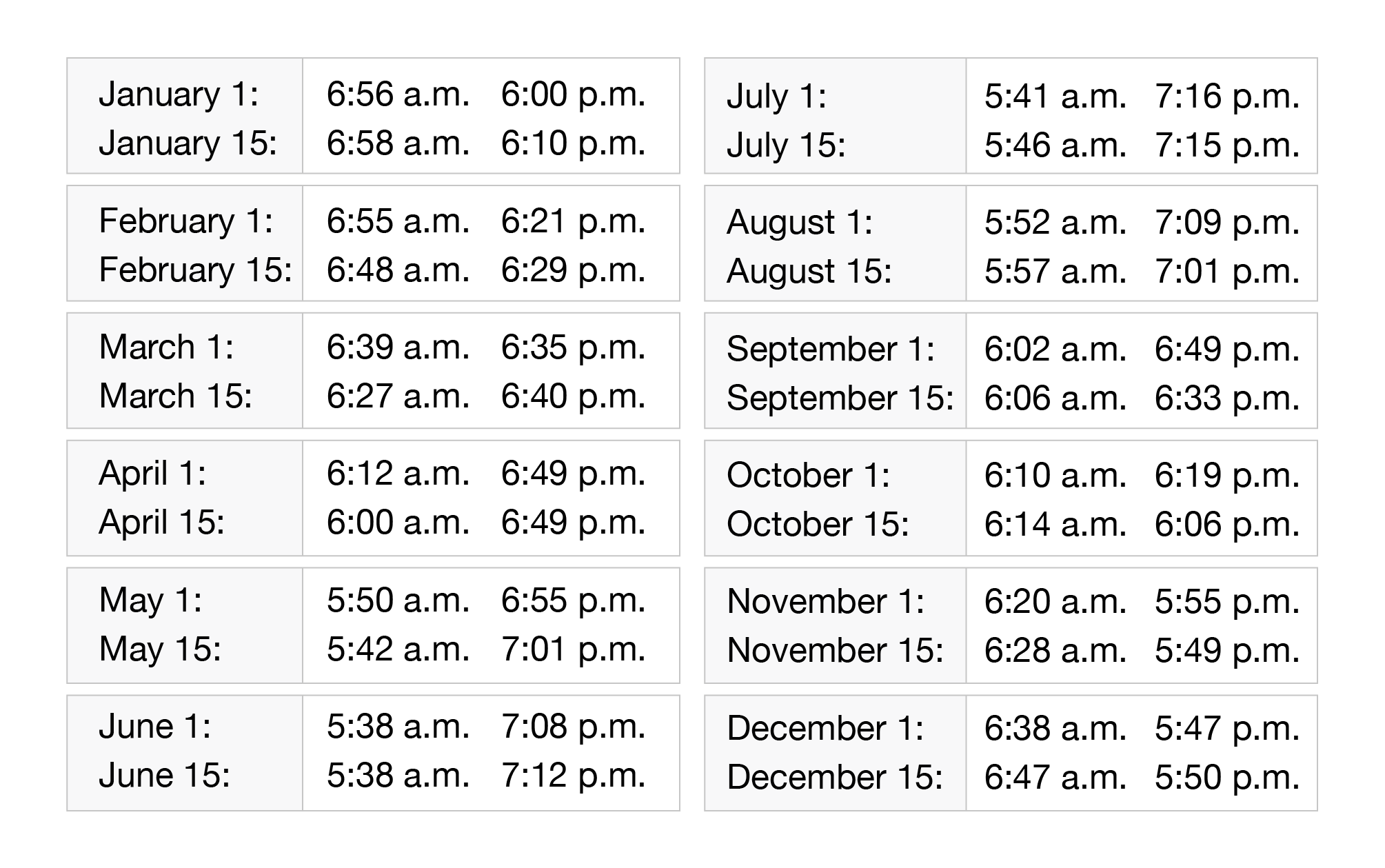
While the variation is less extreme than in Alaska or New York, the sun does shift its position throughout the year. During the summer solstice in June, the sun sets at its latest point, often hovering around 7:15 PM or 7:20 PM. Conversely, during the winter solstice in December, the sun sets earlier, typically between 5:50 PM and 6:00 PM. This narrow window of roughly 80 minutes of variance means that no matter when you visit, you are almost guaranteed a beautiful twilight transition in the early evening.
The Twilight Phenomenon
In northern latitudes, twilight can linger for hours, creating a long, drawn-out evening glow. In Hawaii, the transition from day to night is remarkably swift. Because the sun drops at a steep angle toward the horizon rather than a shallow, slanted one, “civil twilight” is brief. Once the sun dips below the horizon, darkness arrives quickly, often leaving only about 20 to 30 minutes of usable post-sunset light. Plan your beach outings accordingly, as the “magic hour” moves fast here.
Best Locations for Sunset Watching
If you find yourself on Oahu, Maui, Kauai, or the Big Island, choosing the right vantage point is vital for catching the perfect moment. Each island offers distinct topographical features that frame the sunset differently.
Iconic Coastal Spots
For those staying near Honolulu, the iconic Waikiki Beach offers a classic sunset view where the sun dips into the Pacific Ocean. If you prefer a more rugged backdrop, head to Sunset Beach on the North Shore. The massive waves paired with the sinking sun create a quintessentially Hawaiian experience.
Mountain and Volcanic Vantage Points
For a different perspective, consider ascending to higher elevations. Watching the sunset from Haleakala National Park on Maui is a bucket-list activity. From the summit, you are literally looking down upon the clouds as the sun retreats. Similarly, Mauna Kea on the Big Island provides an otherworldly experience, though it requires preparation for high-altitude temperatures and weather conditions.
Practical Tips for Sunset Planning
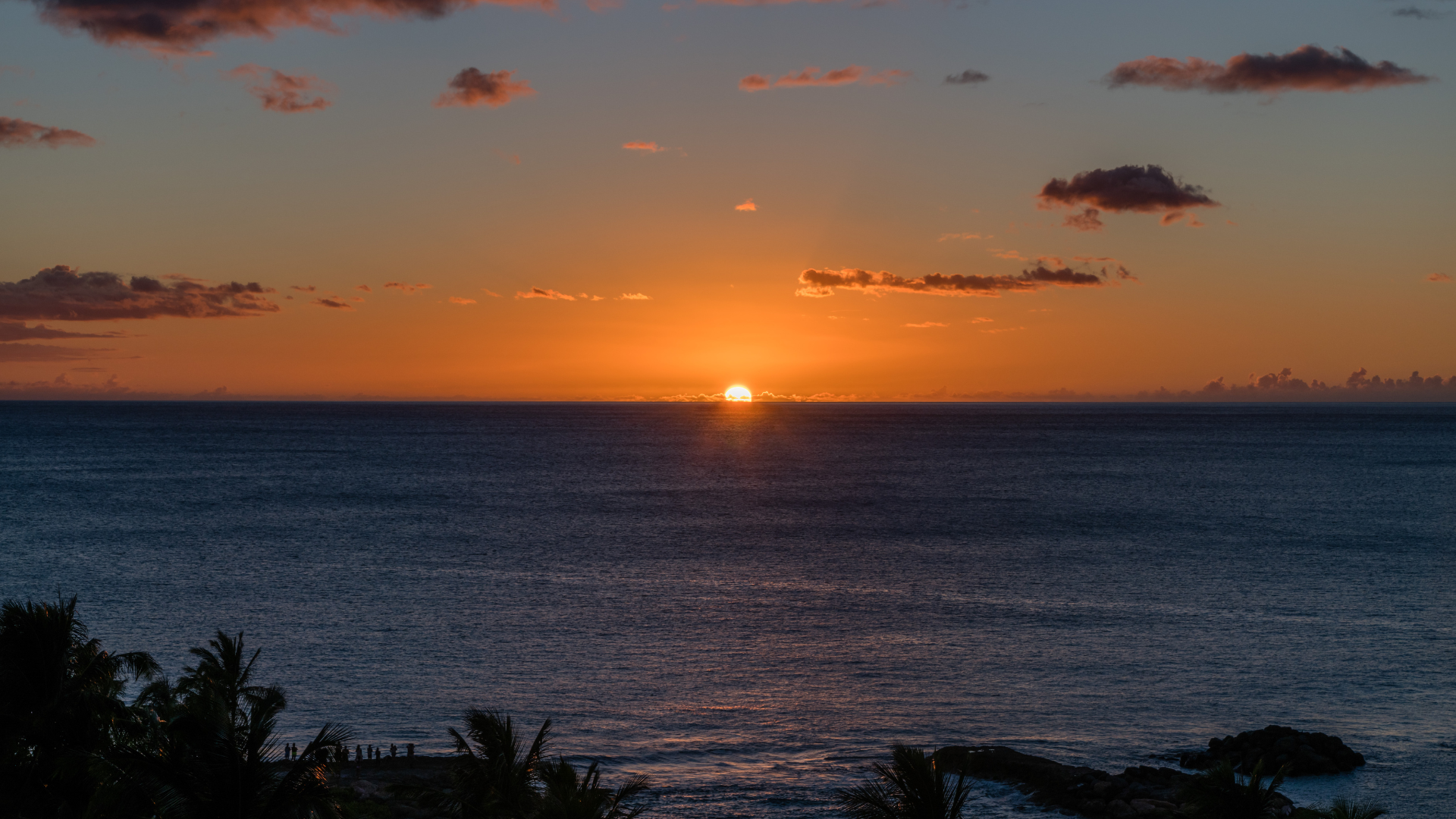
Knowing the sunset time is only half the battle. To truly enjoy these moments, you should consider the logistical nuances of island travel and local conditions.
Check Local Forecasts
Cloud cover is the primary antagonist of a perfect sunset. Even if the sun sets at 6:30 PM, thick clouds on the western horizon can obscure the “green flash” or the vibrant orange hues. Always check local weather reports for the specific side of the island you are visiting. Remember that the weather on the windward (eastern) side of an island can be vastly different from the leeward (western) side, which is typically where you will want to be for sunset.
Timing Your Activities
If you have booked a dinner reservation or a snorkeling tour, keep the sunset time in mind. Most luxury resorts, such as Four Seasons Resort Maui at Wailea, offer prime sunset views from their dining lanais. It is highly recommended to secure a table at least 45 minutes before the calculated sunset time to ensure you are seated and settled before the sky begins its color transformation.
Photography and Equipment
If you are planning to capture the sunset, arrive at your location at least an hour early. You will want time to set up your tripod, adjust your aperture, and scout the best angle. Since the twilight period is short, you do not want to be fumbling with gear when the sky reaches its peak saturation. A wide-angle lens is usually best for capturing the vast, open horizons found at Poipu Beach or Hanalei Bay.
Cultural Significance of Sunset in Hawaii
In Hawaiian culture, the sunset—or napoo ana o ka la—is more than just a meteorological event. It marks the transition into the evening, a time historically reserved for reflection, storytelling, and communal gatherings.
The Passing of the Day
As the sun descends, many locals and visitors alike take a moment to pause. You will often see people gathered on the shoreline, silently watching the light fade. It is a period of “slowing down” that defines the famous “aloha spirit.” Whether you are relaxing at Kaanapali Beach or walking along the cliffs of Napali Coast, the sunset serves as a daily reminder of the natural beauty that makes these islands so special.
Safety Considerations
While sunset is a beautiful time of day, it is also when temperatures begin to drop and visibility decreases significantly. If you are hiking back from a coastal trail, such as the Diamond Head State Monument, ensure you have a reliable flashlight or headlamp. Trails can become hazardous in the dark, and local emergency services frequently assist hikers who underestimated the speed at which nightfall descends in the tropics.

Summary of Sunset Expectations
As you plan your itinerary, remember that Hawaii’s sunset is a constant, reliable wonder. While the exact minute will shift by a few seconds each day, you can generally rely on the following schedule:
- Winter (Nov–Feb): Sunset occurs early, between 5:50 PM and 6:20 PM.
- Spring (March–May): Days lengthen, with sunsets moving toward 7:00 PM.
- Summer (June–Aug): The latest sunsets of the year, occurring between 7:05 PM and 7:20 PM.
- Autumn (Sept–Oct): Days begin to shorten again, with sunsets returning to the 6:30 PM range.
By aligning your schedule with these natural rhythms, you will ensure that you don’t miss the most spectacular shows the islands have to offer. Whether you are sipping a cocktail at a high-end resort or sitting on the sand with your toes in the water, the sunset in Hawaii remains one of the world’s most breathtaking daily displays. Take the time to step away from your digital devices, find a quiet spot, and simply watch the horizon change from gold to indigo. It is the perfect way to conclude a day of exploration in the middle of the Pacific Ocean.
LifeOutOfTheBox is a participant in the Amazon Services LLC Associates Program, an affiliate advertising program designed to provide a means for sites to earn advertising fees by advertising and linking to Amazon.com. Amazon, the Amazon logo, AmazonSupply, and the AmazonSupply logo are trademarks of Amazon.com, Inc. or its affiliates. As an Amazon Associate we earn affiliate commissions from qualifying purchases.