
Planning a trip to the islands of Hawaii is a dream for many, yet the logistical reality of travel costs can be daunting. As a premier destination in the Pacific Ocean, Hawaii offers a diverse range of experiences, from the rugged volcanic landscapes of the Big Island to the golden, sun-drenched shores of Waikiki. Understanding the financial commitment required for a Hawaiian getaway requires a breakdown of various travel styles, whether you are seeking a luxury escape or a budget-conscious adventure.
The Cost of Airfare and Transportation
The most significant initial investment for your journey to the United States archipelago is the flight. Depending on your origin city and the season of travel, airfare can fluctuate dramatically.
Seasonal Fluctuations
Traveling during peak seasons—specifically around the winter holidays, spring break, and mid-summer—typically commands a premium. Conversely, the “shoulder seasons,” which fall roughly between mid-April to early June and mid-September to mid-December, often provide more competitive pricing. If you are flying into Honolulu International Airport on Oahu, you may find more flight options and potentially lower fares compared to flying into smaller hubs like Kahului Airport on Maui.
Island Hopping Expenses
Many travelers hope to visit multiple islands during a single trip. While the spirit of exploration is high, inter-island travel adds a layer of cost. While Southwest Airlines and Hawaiian Airlines provide frequent connections, you must factor in the price of these shorter flights, baggage fees, and the logistics of getting to and from airports. Car rentals are also essential on most islands, as public transit is limited outside of metropolitan areas. Rental prices, influenced by demand and inventory, remain one of the most volatile variables in a Hawaii travel budget.
Accommodation Strategies for Every Budget
Where you lay your head significantly dictates your daily spend. The Hawaiian Islands offer a spectrum of options, ranging from world-class resorts to modest vacation rentals.
Luxury Resorts and High-End Stays
For those seeking the ultimate tropical luxury, the Four Seasons Resort Maui at Wailea or the Halekulani Hotel represent the pinnacle of service and amenities. These properties often require a nightly budget that includes resort fees, which cover services like fitness classes, cultural activities, and high-speed internet. These fees are a standard industry practice across the Hawaiian Islands and should be accounted for before you book.
Mid-Range and Budget-Conscious Choices
Travelers looking to preserve their capital often opt for boutique hotels or condominium-style lodgings. Properties in Kailua-Kona or Lahaina can provide kitchen facilities, which are instrumental in controlling costs. By preparing even just one meal a day—breakfast or dinner—using locally sourced ingredients from a grocery store like Foodland, you can offset the high cost of dining out.
Camping and Hostels
For the intrepid traveler, Hawaii offers unique camping opportunities in state parks and private campgrounds. If you secure the necessary permits for locations like Haleakala National Park or the Waimea Canyon State Park, you can experience the natural beauty of the archipelago at a fraction of the cost of a traditional resort stay.
Dining and The Cost of Living on the Islands
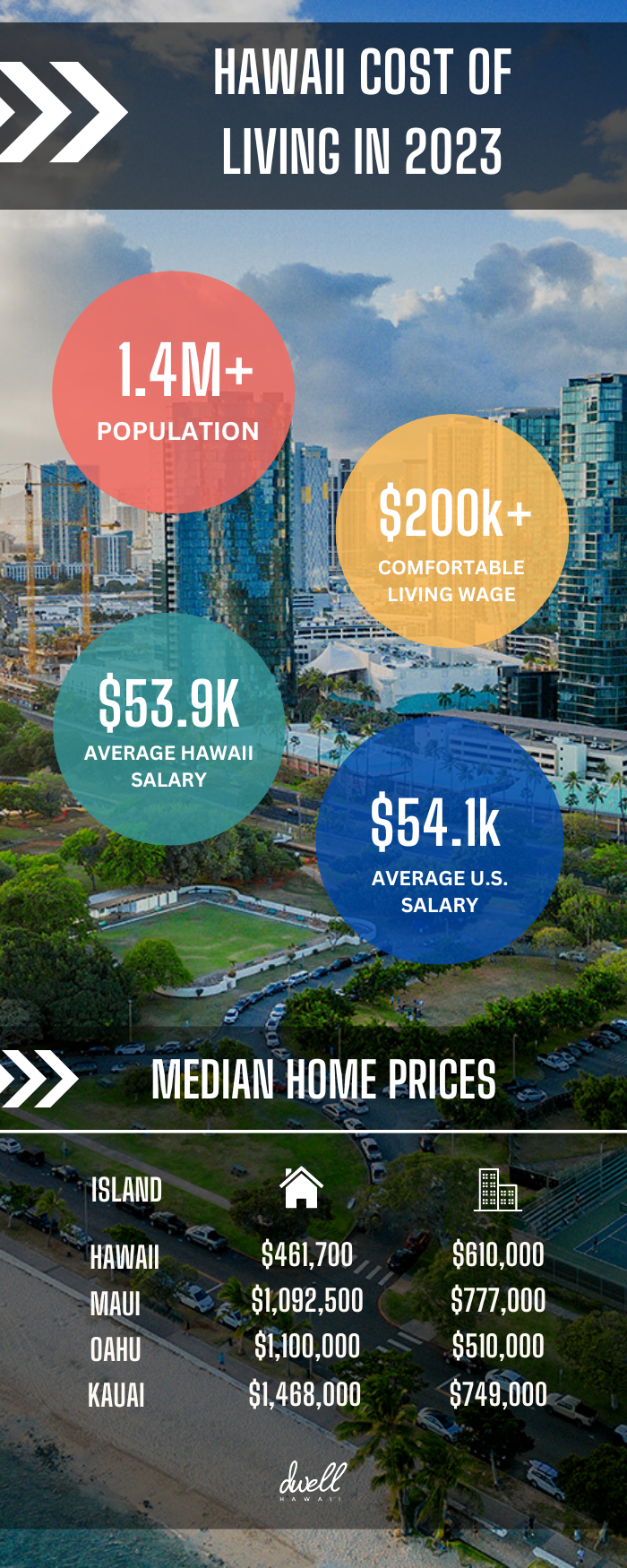
Eating in Hawaii is an experience that bridges local Pacific Rim influences with traditional Polynesian roots. However, because most goods are imported, the cost of groceries and dining is generally higher than on the mainland.
Casual vs. Fine Dining
A casual lunch featuring local favorites like poke or a plate lunch can be found at local “hole-in-the-wall” establishments for a reasonable price. However, visiting high-end restaurants in Honolulu or near the resorts of Princeville requires a more substantial allocation. Alcohol, in particular, carries a higher markup in Hawaii, so consider the impact of sunset cocktails on your overall budget.
Hidden Costs of Activities
While the beaches—such as the iconic Waikiki Beach—are free to enjoy, structured activities are where the costs add up.
- Water Sports: Renting surfboards, booking snorkeling tours at Hanauma Bay, or taking a helicopter tour over the Na Pali Coast are premium experiences.
- Cultural Tours: Attending an authentic luau, such as those held at the Polynesian Cultural Center, can cost upwards of $150 per person.
- National Park Fees: Visiting landmarks like Hawaii Volcanoes National Park requires an entrance fee per vehicle, which provides access for several days.
Managing Your Hawaii Travel Budget
To determine “how much” Hawaii will cost you, consider creating a tiered budget that separates fixed costs from variable experiences.
The Realistic Daily Breakdown
- Budget Travelers: $150–$250 per day (Camping/hostels, grocery shopping, free hikes, public beaches).
- Mid-Range Travelers: $300–$500 per day (Standard hotels, rental car, mix of casual dining and occasional tours).
- Luxury Travelers: $800+ per day (Five-star resorts, fine dining, private tours, spa services).
Strategies for Value
One of the most effective ways to lower your costs is to focus on free activities. The islands are home to some of the most beautiful hiking trails in the world, such as the Diamond Head State Monument. Exploring these natural wonders costs nothing more than a small parking fee and your own effort. Furthermore, traveling in groups can significantly reduce the cost of rental cars and accommodation, as you can split these fixed expenses among several people.
Always remember that Hawaii is a place that rewards preparation. Researching your specific island—whether it is the quiet, lush beauty of Kauai or the bustling, modern energy of Oahu—will help you identify where you can save and where you should splurge. While the islands can be expensive, the experience of witnessing the sunset over Hanalei Bay or hearing the roar of Akaka Falls is often considered priceless by those who make the journey. Whether you choose a shoestring budget or a luxury retreat, the key is to balance your financial constraints with the desire to immerse yourself in the unique spirit of the Aloha State. By prioritizing what matters most to your travel goals, you can curate a Hawaiian vacation that is both memorable and financially sustainable.
LifeOutOfTheBox is a participant in the Amazon Services LLC Associates Program, an affiliate advertising program designed to provide a means for sites to earn advertising fees by advertising and linking to Amazon.com. Amazon, the Amazon logo, AmazonSupply, and the AmazonSupply logo are trademarks of Amazon.com, Inc. or its affiliates. As an Amazon Associate we earn affiliate commissions from qualifying purchases.