
The question of how many people reside in Oklahoma City is more than just a search for a statistical figure; it is an exploration of one of the fastest-growing metropolitan hubs in the United States. As the capital of Oklahoma, this sprawling urban center has transformed from a rugged frontier town into a modern, vibrant city that balances its historical roots with progressive economic growth. Understanding the demographic landscape of this region offers a window into why so many families, young professionals, and corporations are choosing to plant their roots in the heart of the Great Plains.

Demographics and Urban Expansion
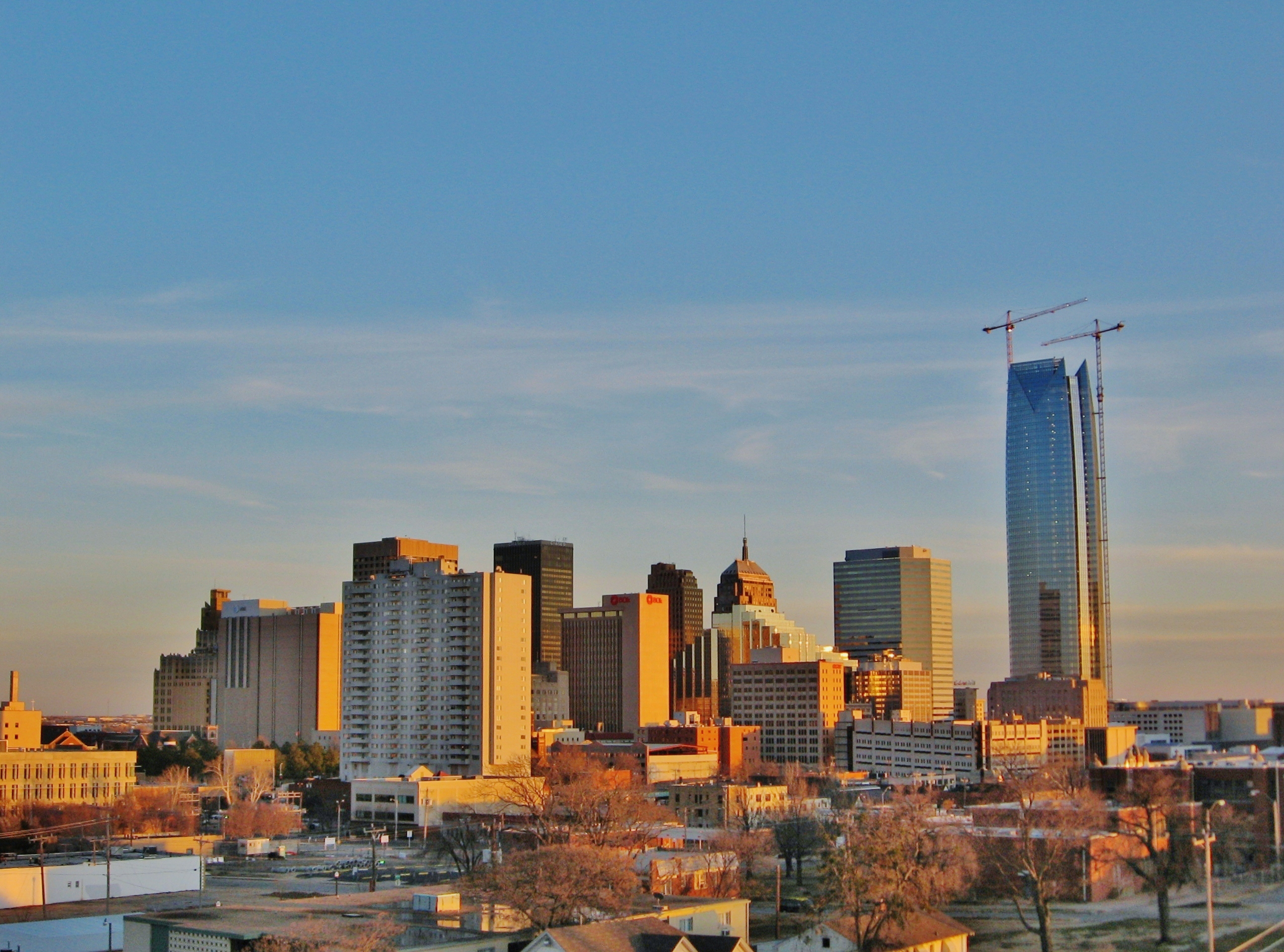
With an estimated population exceeding 700,000 residents within the city limits and a metropolitan area housing over 1.4 million people, Oklahoma City is a significant player in the national economy. This growth trajectory is not accidental. It is the result of decades of strategic urban planning, most notably through the Metropolitan Area Projects (MAPS) initiatives, which have redefined the downtown aesthetic and improved the overall quality of life for its inhabitants.
The Growth of the Metropolitan Core
The population density of Oklahoma City is uniquely spread out, spanning over 600 square miles. This expansive land area allows for a variety of living environments, ranging from dense, walk-able urban lofts to sprawling suburban neighborhoods with generous acreage. As the population continues to swell, the city has maintained its appeal by keeping the cost of living significantly lower than the national average, attracting a steady influx of residents from more expensive coastal regions.
Cultural Diversity and Community
The demographic makeup of Oklahoma City reflects a rich tapestry of American life. There is a strong presence of Indigenous heritage, rooted in the state’s history, alongside a growing Hispanic and Asian-American population. This diversity manifests in the city’s thriving culinary scene, neighborhood festivals, and community centers. As the population becomes more diverse, the city’s social fabric grows increasingly resilient, fostering an environment that welcomes innovation and cultural exchange.
Economic Drivers Influencing Population Trends
A city’s population is rarely static; it is dictated by economic opportunity. Oklahoma City has successfully transitioned from a dependency on the energy and oil industries to a diversified economy. Today, sectors such as aviation, aerospace, bioscience, and government services are the primary engines driving population growth.
The Impact of Tinker Air Force Base
One of the largest employers in the region is Tinker Air Force Base. The constant movement of personnel and civilian contractors to this facility ensures a steady stream of new residents who eventually choose to settle in the area permanently. The stability provided by such large-scale institutional anchors keeps the population growth consistent even during periods of national economic turbulence.
Entrepreneurship and the Modern Workforce
The recent emergence of Oklahoma City as a hub for entrepreneurs and tech startups has been a significant demographic draw. Young professionals, drawn by the vibrant atmosphere of the Bricktown district and the connectivity of the city’s business hubs, are choosing to stay rather than migrate to larger, more saturated markets. This shift in demographics towards a younger, more educated workforce is reshaping the city’s housing requirements and public service demands.
Lifestyle and Quality of Life Factors
Why do people choose to stay in Oklahoma City? Beyond the hard statistics of population density, the city offers a lifestyle that emphasizes accessibility. Whether it is the commute times, which are among the best in the nation, or the abundance of parks and public spaces like the Scissortail Park, the city is designed for human-centric living.
Green Spaces and Urban Development
As the city population expands, the municipal government has prioritized the preservation and creation of green space. Scissortail Park serves as the “green lung” of the city, connecting the Oklahoma River to the downtown core. These investments demonstrate a commitment to maintaining a high quality of life despite the rapid increase in residents. For a growing family or a professional seeking a balance between work and recreation, the city provides a unique combination of urban convenience and outdoor accessibility.
Educational Opportunities and Retention
Education plays a crucial role in population stability. With institutions like the University of Oklahoma contributing significantly to the talent pool in the region, Oklahoma City has a high retention rate of educated graduates. When students can find rewarding career paths immediately following graduation, they are less likely to leave, ensuring the population remains dynamic and forward-thinking.
Looking Toward the Future of the Population
Looking ahead, all projections indicate that Oklahoma City will continue its ascent as a major population center. As telecommuting becomes a standard part of the American labor model, many individuals who were previously anchored to primary global hubs are finding that they can enjoy a higher standard of living by relocating to cities like Oklahoma City.
Sustaining Infrastructure
The primary challenge for city planners as the population increases is managing the infrastructure required to support that growth. Investments in public transportation, road expansion, and utilities are essential. Fortunately, the city has shown a proactive approach to these issues, with ongoing improvements to the Oklahoma City Streetcar system and other transit-oriented developments that aim to reduce the reliance on single-occupancy vehicles.

The Cultural Shift
Perhaps the most significant change in the city’s population is the psychological shift in how the rest of the country views Oklahoma City. No longer seen merely as a stopover or a quiet provincial capital, it is increasingly being recognized as a destination. The growth in population is, in many ways, an indicator of the city’s “arrival” on the national stage. Whether it is the revitalized Boathouse District or the thriving arts scene in the Paseo Arts District, the city offers an experiential value that is becoming harder to find elsewhere.
The population of Oklahoma City is not just a number on a census report; it represents a diverse collective of individuals contributing to a unique urban experience. From the National Cowboy and Western Heritage Museum to the bustling coffee shops of Midtown, the city is a reflection of its people. As it continues to grow, it maintains the genuine warmth and community spirit that defines its identity in the American Midwest. Regardless of the specific daily fluctuation in numbers, one thing is certain: the trajectory of Oklahoma City is firmly pointed upward, inviting new residents to contribute their own stories to its ever-expanding history.
LifeOutOfTheBox is a participant in the Amazon Services LLC Associates Program, an affiliate advertising program designed to provide a means for sites to earn advertising fees by advertising and linking to Amazon.com. Amazon, the Amazon logo, AmazonSupply, and the AmazonSupply logo are trademarks of Amazon.com, Inc. or its affiliates. As an Amazon Associate we earn affiliate commissions from qualifying purchases.