
When planning a journey through the Pacific Northwest, travelers often focus on the pristine landscapes of Oregon. From the rugged coastline of Cannon Beach to the towering peaks of Mount Hood, the state is synonymous with natural beauty and environmental stewardship. However, for the curious visitor interested in the industrial landmarks that power the region’s bustling cities like Portland, understanding the energy grid offers a unique perspective on the state’s infrastructure. While the region is celebrated for hydroelectric power, fossil fuel generation sites remain a functional, albeit less publicized, part of the state’s historical and operational landscape.

The Shift in Oregon’s Energy Landscape
To appreciate the current state of power generation in Oregon, one must look at the transition from traditional combustion methods toward a greener grid. For decades, the reliance on coal and natural gas was a staple of regional development, supporting the growth of urban hubs and industrial zones.
The Decline of Coal-Fired Plants
The most notable shift in recent years has been the systematic decommissioning of coal-fired facilities. Visitors traveling through eastern or central regions might have noticed the skeletal remains or repurposed sites of what were once the engines of the state’s industry. The Boardman Coal Plant, located in Boardman, once stood as a monument to carbon-heavy energy production. Since its permanent closure in 2020, the site has become a focal point for discussions regarding renewable transitions and industrial repurposing. For those interested in industrial tourism or the history of utility landmarks, the area surrounding Umatilla County provides a somber yet fascinating look at how a community navigates the end of an energy era.
Natural Gas as a Transition Fuel
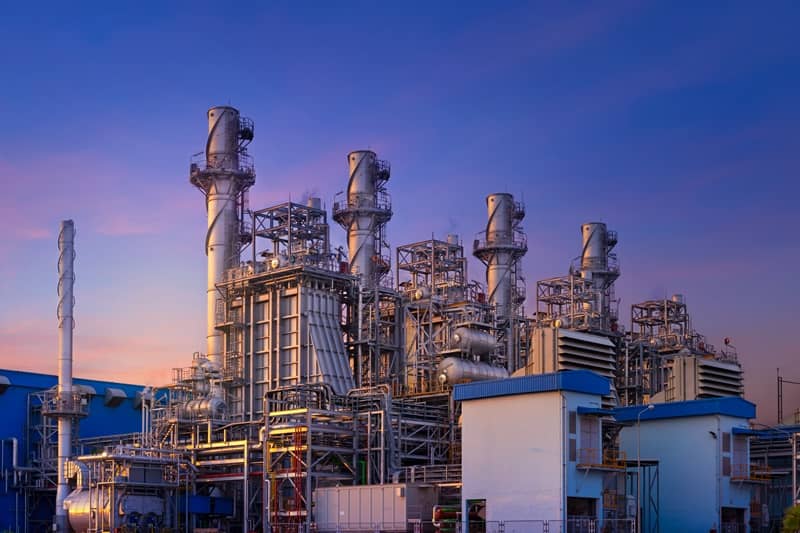
While coal has largely exited the stage, natural gas continues to play a role in the state’s energy mix. These sites are often found integrated into the outskirts of major industrial centers. Unlike the massive coal stacks that once dominated the skyline, modern natural gas facilities are often less intrusive, utilizing combined-cycle technology to minimize their physical and environmental footprint. Travelers passing through Columbia County may spot facilities like the Caithness Beaver Energy Center, which represent the modern face of fossil fuel generation in the state. These sites operate with significantly lower carbon intensity than their coal-fired predecessors, serving as the bridge to a future dominated by wind and solar.
Industrial Landmarks and Local Tourism
For the architectural or history-minded traveler, the intersection of energy production and public land use is a compelling niche. While these sites are generally restricted, the areas surrounding them often reveal much about how the state balances utility needs with the preservation of Pacific Northwest wilderness.

Navigating the Columbia River Corridor
The Columbia River has long been the heart of Oregon’s energy production. While the river is famous for massive hydroelectric dams like Bonneville Dam, it is also the corridor along which natural gas pipelines and peaking plants are situated. When driving along Interstate 84, the landscape is a tapestry of history. You are simultaneously passing through areas that define the region’s future—like the massive wind farms dotting the hills of Sherman County—and the remnants of the thermal generation sites that once kept the lights on before the era of wind and water.
Educational Engagement and Energy Tourism
There is a growing trend in “infrastructure tourism,” where visitors seek out the facilities that sustain modern society. While you cannot “tour” an active natural gas combustion turbine in the same way you might tour the Evergreen Aviation and Space Museum, understanding these locations adds a layer of depth to your itinerary. For those traveling with students or those interested in public policy, researching these sites provides context for the massive investment into transmission lines and renewable projects that now characterize the region.
The Future of Generation: Balancing Tradition and Sustainability
As the state moves aggressively toward the Clean Energy Plan, the role of fossil fuel sites is being reimagined. Many of these locations are being evaluated as sites for battery storage or hydrogen production, signaling a circular economy approach to infrastructure.
Repurposing Industrial Assets
One of the most intriguing aspects of visiting these sites is witnessing how they evolve. The transition of the Boardman site is a prime example. The transformation of a former coal plant into a hub for renewable research is a story that resonates with visitors who appreciate the balance between the American West’s industrial past and its environmental future. It serves as a testament to the resilience of local communities that thrive even as the nature of their primary industry changes.
Environmental Stewardship in the Pacific Northwest
When visiting Oregon, it is clear that the state’s identity is deeply tied to its environment. The scarcity of active fossil fuel generation sites, compared to other parts of the United States, is a point of pride for many locals. Travelers who spend time in Eugene or Bend will note the heavy reliance on renewable sources and the near-total lack of visible smoke stacks compared to other industrial states. This absence of fossil fuel infrastructure is part of the draw for nature lovers who head to the Willamette Valley to enjoy the air quality and the preserved aesthetic of the landscape.
Conclusion: A New Era for Energy Travelers
While the answer to whether there are fossil fuel generation sites in Oregon is “yes,” the reality is that their footprint is shrinking and their role is changing. For the traveler, these sites serve as markers of progress. They represent the transition from the high-impact, carbon-heavy methods of the past toward the cleaner, more sustainable energy future that Oregon is pioneering.
Whether you are driving through the high desert or along the banks of the mighty Columbia River, taking a moment to recognize the energy infrastructure around you provides a deeper appreciation for the region. You aren’t just visiting a tourist destination; you are witnessing a state that is actively rewriting its relationship with power, land, and climate. From the iconic dams that define the geography to the emerging wind farms and the retired coal plants that tell the story of the past, Oregon offers a unique look at how a society transitions into a sustainable future. As you pack your bags for your next trip, remember that the landmarks of the energy grid are as much a part of the state’s story as its forests and beaches.
LifeOutOfTheBox is a participant in the Amazon Services LLC Associates Program, an affiliate advertising program designed to provide a means for sites to earn advertising fees by advertising and linking to Amazon.com. Amazon, the Amazon logo, AmazonSupply, and the AmazonSupply logo are trademarks of Amazon.com, Inc. or its affiliates. As an Amazon Associate we earn affiliate commissions from qualifying purchases.