
Navigating the vast landscapes of Oklahoma requires more than just a map and a full tank of gas; it requires an understanding of how the region operates within the temporal framework of the United States. For travelers planning a road trip through the heart of the Great Plains, knowing the current time is essential for synchronizing arrival times at major attractions, coordinating hotel check-ins, and catching scheduled tours. While the answer to “What time is it in Oklahoma now?” is generally straightforward, understanding the local context adds a layer of ease to your itinerary planning.
The Central Time Zone Dynamics
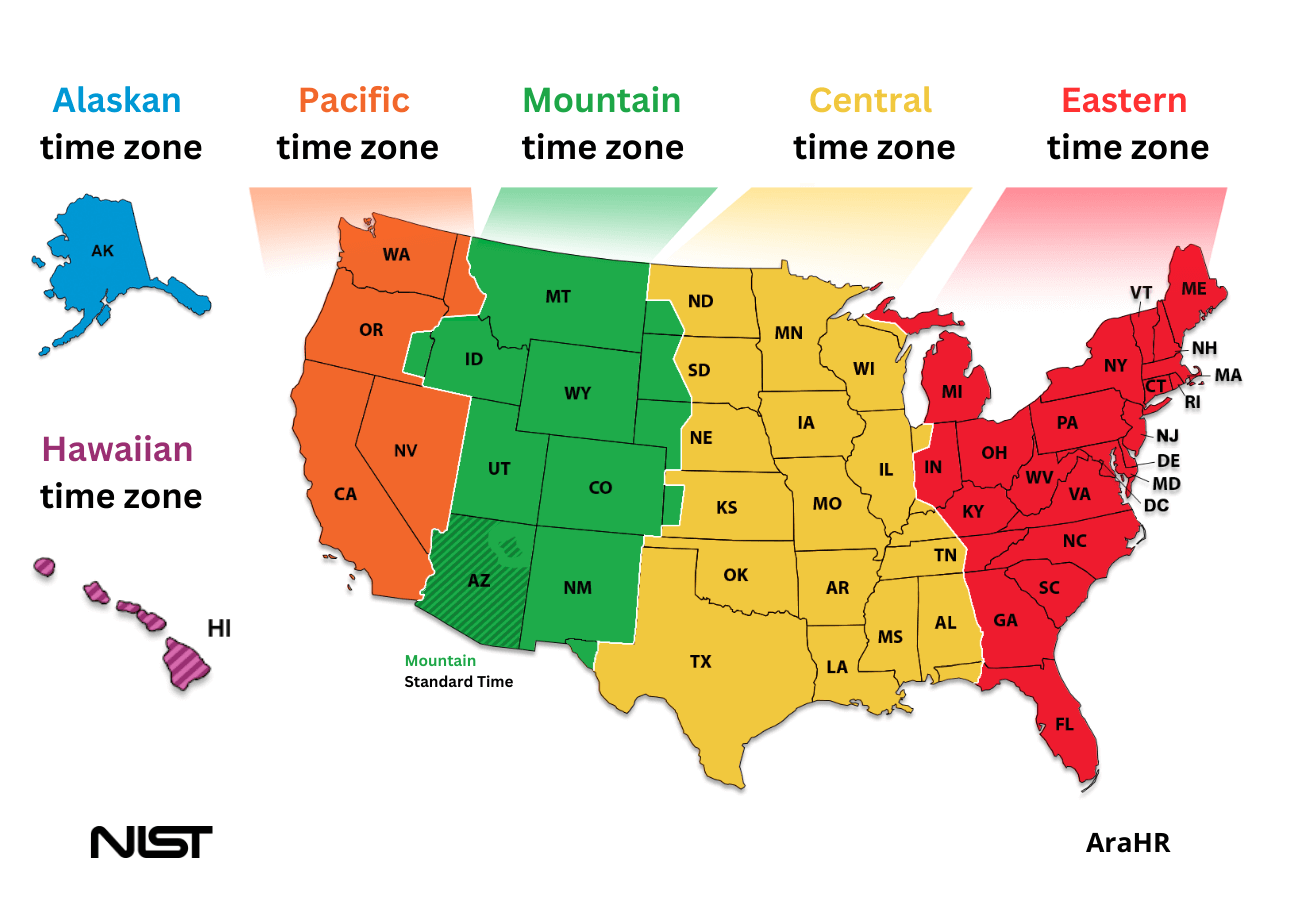
Oklahoma operates almost entirely within the Central Time Zone (CT). This puts the state on the same temporal plane as major hubs like Chicago, Dallas, and New Orleans. For the vast majority of visitors, whether you are arriving in Oklahoma City or the charming town of Tulsa, your watch will display the same time.
Daylight Saving Time Transitions
Like much of the United States, Oklahoma observes Daylight Saving Time (DST). This means that during the spring, clocks “spring forward” an hour, transitioning from Central Standard Time (CST) to Central Daylight Time (CDT). In the autumn, clocks “fall back” an hour, returning to Standard Time.
Travelers visiting during the transition months—typically March and November—should be mindful of these shifts. If you are crossing state lines from areas that do not observe DST, such as parts of neighboring states or specific sovereign territories, you might encounter minor discrepancies, though these are rare for the standard tourist path.
Regional Consistency
It is important to note that unlike states like Florida or Kentucky, which are split between two time zones, Oklahoma maintains a uniform time across all its counties. From the border of Arkansas in the east to the high plains bordering the Texas Panhandle, you will not have to worry about shifting your clock while driving across the state. This consistency is a boon for those planning a multi-city tour that includes stops in places like Norman or Broken Bow.
Planning Your Itinerary Around Local Time
Understanding the time is only the first step. The real challenge for travelers is ensuring that their internal clock and itinerary align with the operating hours of Oklahoma’s most significant landmarks.
Museum and Attraction Hours
If your journey brings you to the National Cowboy & Western Heritage Museum in Oklahoma City, you will find that most institutions open their doors between 9:00 AM and 10:00 AM Central Time. Because Oklahoma follows the broader central rhythm, museum schedules are usually predictable and consistent.
However, rural attractions or seasonal sites, such as those found near Turner Falls Park, may have operating hours that fluctuate based on the season. Always check your digital resources to confirm that the “local time” of the attraction aligns with your arrival, especially if you are trekking out to more remote natural areas like the Wichita Mountains Wildlife Refuge.
Dining and Nightlife Schedules
In cities like Tulsa, the culinary scene is vibrant and active. Dinner service typically kicks off around 5:00 PM and runs through 9:00 PM or 10:00 PM. For those accustomed to the later dining hours of coastal cities, you might find that the pace in Oklahoma feels a bit more traditional. If you are planning a special dinner at a destination restaurant, making a reservation in the “local” time of Central Standard Time is the standard protocol.
Navigating Travel Logistics
For travelers crossing state lines, the transition into Oklahoma is seamless from the perspective of time. Whether you are driving up from the Lone Star State or coming over from Missouri, you are likely already within the Central Time Zone.
International and Transcontinental Considerations
If you are flying into Will Rogers World Airport, the time displayed on the flight board is always the local time in Oklahoma City. It is a common mistake for international travelers to confuse flight arrival times with their home time zone. Always rely on the local time of your destination when coordinating ground transportation, such as rental car pickups or shuttles to your Hotel.
The Impact of Modern Connectivity
With the ubiquity of smartphones, your devices will automatically update to the correct time as you enter the state. However, in deep, isolated canyons or heavily forested areas such as the Ouachita National Forest, signal strength can sometimes be sporadic. While your phone’s clock will remain accurate, relying on a dedicated travel watch is a pro-tip for those exploring the rugged backcountry where digital signals may briefly falter.
Maximizing Your Time in the Sooner State
Time is a limited resource during any vacation, and in Oklahoma, there is a significant amount to pack in. Whether you are exploring the historical depth of the Cherokee Nation or catching a modern performance at the BOK Center, managing your schedule effectively will enhance your experience.
Early Bird Advantages
Many of Oklahoma’s natural landmarks, like the Gloss Mountains, are best experienced in the early morning light. By adhering to Central Time and starting your day early, you avoid the heat of the afternoon and the peak crowd times. This allows for a much more immersive experience when visiting iconic spots.
Evening Cultural Experiences
As the sun sets over the Great Plains, the shift in time brings a different energy to the cities. The Arts District in Tulsa comes alive as the evening settles into the local time rhythm. If your schedule permits, ensure you leave room for these evening excursions.

Final Thoughts on Temporal Travel
Ultimately, time in Oklahoma is defined by the steady, reliable heartbeat of the Central Time Zone. It is a region that rewards those who plan ahead but encourages a relaxed, unhurried pace. By ensuring your watches and digital devices are synchronized with the local time, you are free to focus on the true highlights of your journey: the expansive horizons, the rich history, and the warm hospitality that defines this unique American destination. As you cross the borders and prepare to explore, remember that you are on Central Time—and there is plenty of it to enjoy the beauty of the Sooner State.
LifeOutOfTheBox is a participant in the Amazon Services LLC Associates Program, an affiliate advertising program designed to provide a means for sites to earn advertising fees by advertising and linking to Amazon.com. Amazon, the Amazon logo, AmazonSupply, and the AmazonSupply logo are trademarks of Amazon.com, Inc. or its affiliates. As an Amazon Associate we earn affiliate commissions from qualifying purchases.