
Planning a trip between two of the most bustling hubs in the United States is a common endeavor for both business travelers and vacationers alike. Whether you are heading north for a weekend getaway or a long-term professional engagement, understanding the logistics of your air travel is the first step toward a seamless journey. The flight path from Atlanta to New York is one of the busiest and most efficient corridors in the aviation industry, connecting the world’s busiest airport to one of the most vibrant metropolises on the globe.
Understanding Flight Duration and Variables
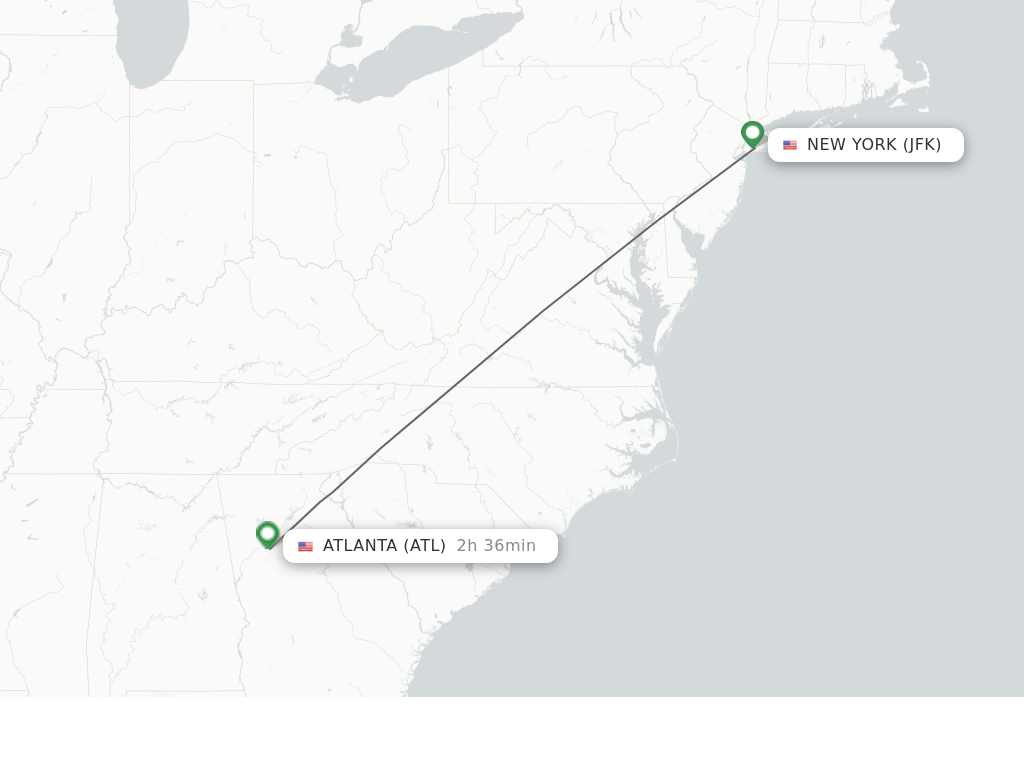
When you look up the flight time between Hartsfield-Jackson Atlanta International Airport and the various airports in the New York City metropolitan area, you will typically see an average duration of approximately two hours to two hours and fifteen minutes in the air. However, it is essential to distinguish between “flight time” and “travel time.” While the aircraft is in the sky for roughly 120 to 135 minutes, the total time you dedicate to your commute can vary significantly based on several logistical factors.
The Impact of Flight Path and Air Traffic
Because this route is heavily traveled, air traffic control patterns often dictate the specific path a plane takes. During periods of heavy congestion, especially when entering the New York airspace, planes may be placed into holding patterns or directed along longer, more circuitous routes to ensure safety and spacing. Consequently, a flight that is scheduled for two hours might occasionally stretch closer to two and a half hours, particularly during peak travel hours or in inclement weather.
Selecting Your Arrival Airport
One of the most important factors influencing your total travel experience is which airport you choose for your arrival. New York City is served by three primary gateways:
- John F. Kennedy International Airport: Often the hub for international arrivals, this airport is located in Queens and can take longer to reach by ground transportation during rush hour.
- LaGuardia Airport: Positioned closer to Manhattan, this is a preferred choice for many domestic travelers arriving from Georgia, though ground traffic nearby can be notoriously unpredictable.
- Newark Liberty International Airport: Located across the Hudson River in New Jersey, this airport is highly accessible via train lines that lead directly into Penn Station.
Optimizing Your Travel Schedule
Efficiency is the name of the game when traveling between Atlanta and the Big Apple. Given the frequency of flights, you have the luxury of choosing departure times that align with your specific goals, whether that means arriving in time for a morning board meeting or a late-night Broadway show.
Morning Departures vs. Afternoon Flights
Flights departing Atlanta in the early morning (between 6:00 AM and 8:00 AM) are statistically the most reliable. Early flights are less likely to be delayed by the “domino effect” of air traffic delays that accumulate as the day progresses. If you are traveling for a high-stakes meeting, securing one of the first departures of the day is a sound strategy to mitigate the risks of unforeseen mechanical or weather-related hold-ups.
Considering Ground Transportation
The flight duration is only one component of your journey. Once you touch down in New York, you must account for the time it takes to exit the aircraft, collect any checked luggage, and navigate the journey into the city. Depending on your final destination—whether you are staying in Midtown Manhattan, Brooklyn, or perhaps even venturing out to Long Island—your transit time from the airport can range from 30 minutes to well over an hour. Factoring in the density of New York traffic is crucial for maintaining your schedule.
Seasonal Influences on Flight Logistics
Geography dictates that the flight path from the American South to the Northeast is susceptible to seasonal weather patterns. These conditions do not necessarily make the flight unsafe, but they can certainly lengthen the time you spend on the tarmac or in the air.
Winter Travel Considerations
During the winter months, snowstorms and freezing rain in the New York City area can lead to ground delays, de-icing procedures, and reduced departure capacity at the airports. If you are traveling during the winter, it is advisable to check the weather forecast for your destination at least 24 hours in advance. While the flight time itself remains relatively static, the potential for delays on the ground is significantly higher during the months of January and February.
Summer Turbulence and Storms
Conversely, the summer months bring a different set of challenges. Thunderstorms common in the Southeast and along the Eastern Seaboard can cause air traffic control to reroute flight paths significantly. These diversions are designed to keep aircraft away from severe weather, but they can extend your time in the air by 20 to 30 minutes. Keeping a flexible itinerary during the summer season is a wise approach to navigating these predictable disruptions.
Final Tips for a Smooth Trip
To maximize the efficiency of your trip from Atlanta to New York, consider the following best practices:
- Utilize TSA PreCheck: Given that Hartsfield-Jackson Atlanta International Airport is one of the busiest in the world, having expedited security access is indispensable. It saves you time at the start of your journey, allowing you to relax at the gate instead of rushing through queues.
- Download Airline Apps: Real-time updates regarding gate changes or slight flight delays are best accessed through the official app of your chosen airline. This allows you to rebook or make plans immediately if an issue arises.
- Pack Light: Since the flight is relatively short, flying with only a carry-on can save you significant time upon landing, as you can bypass the baggage claim area entirely and head straight to your transportation into Manhattan.
- Strategic Seat Selection: If you are in a rush to exit the plane, try to book a seat closer to the front of the cabin. When you land at a busy airport like LaGuardia Airport, every minute saved during deplaning can put you ahead of the crowd for taxis or ride-shares.
Traveling between these two iconic cities is a routine occurrence for millions of people, and with a bit of foresight, your journey can be as smooth as the flight path itself. Whether you are traveling for the bustling energy of Times Square or the professional opportunities of Wall Street, understanding these nuances ensures that you reach your destination ready to make the most of your time in New York.
LifeOutOfTheBox is a participant in the Amazon Services LLC Associates Program, an affiliate advertising program designed to provide a means for sites to earn advertising fees by advertising and linking to Amazon.com. Amazon, the Amazon logo, AmazonSupply, and the AmazonSupply logo are trademarks of Amazon.com, Inc. or its affiliates. As an Amazon Associate we earn affiliate commissions from qualifying purchases.