
When planning a trip to Oklahoma, understanding the climatic rhythm of the state is essential for a seamless travel experience. Situated in the Southern Plains of the United States, this region is defined by a temperate, continental climate that experiences all four distinct seasons. However, the state’s geographic location—sandwiched between the humid air of the Gulf of Mexico and the dry, continental air from the Rocky Mountains—creates a dynamic environment where weather can change rapidly. Whether you are visiting the bustling Oklahoma City or exploring the rolling Ozark Mountains, knowing what to expect will help you pack and plan effectively.

The Seasonal Transition: A Guide to Oklahoma’s Four Seasons
The seasonal calendar in Oklahoma is a study in contrasts. Summer heat can be intense, while winter storms often bring a crisp, biting cold that sweeps across the wide-open prairies.
Spring: The Season of Renewal and Turbulence
Spring, stretching from March to May, is arguably the most beautiful time in the state. Wildflowers begin to carpet the landscape, particularly in the Wichita Mountains Wildlife Refuge. During these months, temperatures are generally mild, often ranging from the mid-50s to the high 70s Fahrenheit. However, spring is also the peak period for convective weather. Travelers should be aware that this is when the state experiences the most frequent thunderstorms. While the dramatic skies offer a unique spectacle, it is vital to stay informed about local weather alerts if you are planning outdoor activities.
Summer: Golden Days and Heated Horizons
From June through August, Oklahoma embraces the heat. Average highs frequently climb above 90 degrees Fahrenheit, occasionally pushing past the century mark in the western regions. While the sun is intense, the humidity levels vary; the eastern part of the state, closer to the Arkansas border, tends to be more humid and lush, whereas the western panhandle remains dry and arid. This is the perfect season to enjoy water-based activities at Lake Eufaula or to explore the subterranean coolness of the Alabaster Caverns State Park.
Autumn: The Golden Hour of the Plains
September through November brings a welcome reprieve from the heat. Autumn is often cited as the best time for travelers to visit. The air cools significantly, with average highs settling into the comfortable 60s and 70s. Foliage across the Green Country region, particularly near Tulsa, turns into a vibrant palette of reds and oranges. It is an ideal time for hiking, attending outdoor festivals, or exploring the history of Route 66 without the interference of sweltering heat or major storm systems.
Winter: Crisp Air and Quiet Landscapes
Winters are generally short but can be unpredictable. December through February sees temperatures fluctuate wildly. You might encounter a week of bright, sunny days with temperatures in the 50s, followed by a cold front bringing frost or a dusting of snow. The western plains, such as those near Black Mesa State Park, are often colder and windier than the central or eastern regions. Winter is a quiet time to visit cultural landmarks like the National Cowboy and Western Heritage Museum without the crowds.
Geographic Variance Across the State
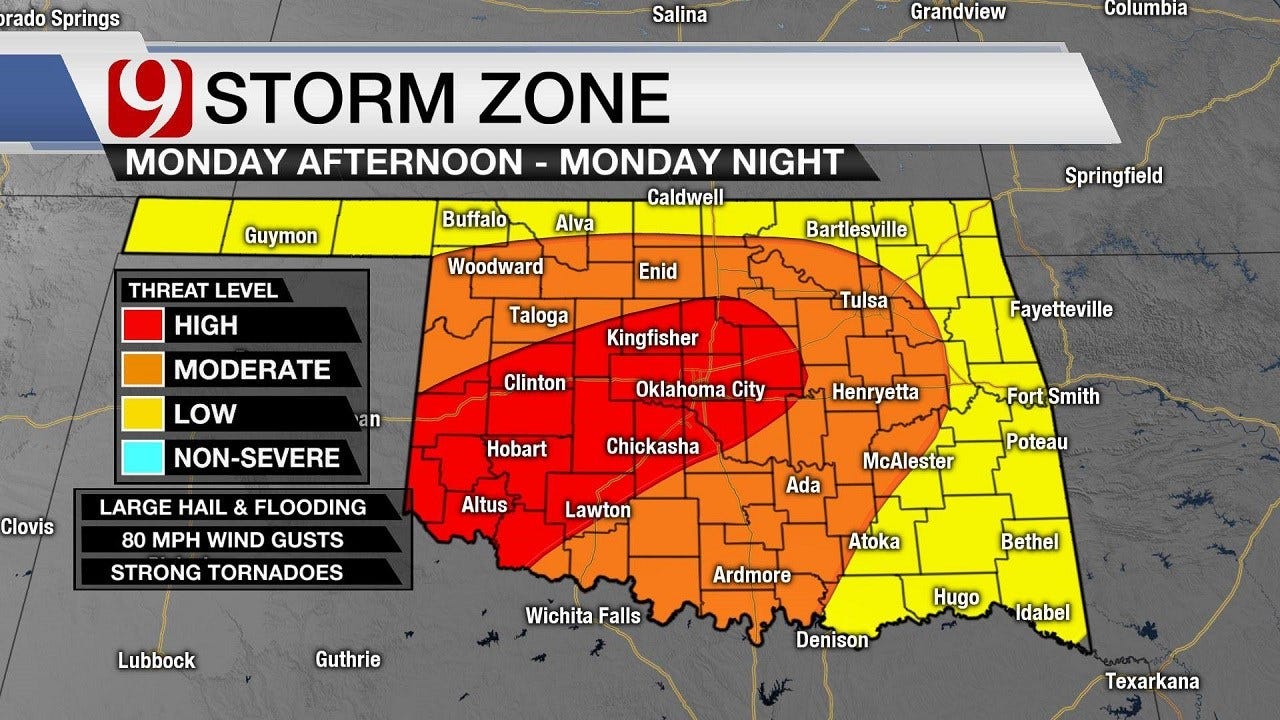
Because Oklahoma spans a vast area, the weather you experience depends largely on where you are on the map. The state is characterized by an elevation gradient that rises from the southeast to the northwest, which fundamentally influences its climate.
The Humid East vs. The Arid West
The eastern side of the state falls within the transition zone of the humid subtropical climate. Places like Broken Bow and the Ouachita National Forest receive significantly more rainfall, supporting dense pine forests and diverse wildlife. In contrast, the western regions—stretching toward the Texas Panhandle—experience semi-arid conditions. Here, the landscape is dominated by high plains, grasses, and more dramatic temperature swings between day and night.
Influence of the Wichita Mountains
The Wichita Mountains act as a geographic anomaly, creating microclimates that differ from the surrounding flatlands. These ancient granite peaks disrupt wind patterns and can lead to localized precipitation, making the area a fascinating destination for hikers and nature photographers who appreciate the shifting moods of the mountains.
Practical Tips for the Traveling Weather-Watcher
If you are planning a trip to Oklahoma, preparation is key to ensuring your journey remains enjoyable regardless of what the skies bring.
The Art of Layering
Because the temperature can shift by as much as 30 degrees in a single day, especially during the shoulder seasons of spring and fall, layering is the most effective approach to dressing. Start with a moisture-wicking base layer, add a sweater or light fleece, and always carry a versatile outer shell that can handle a sudden spring shower or a brisk winter gust.
Staying Informed on the Go
Modern technology has made monitoring the local weather incredibly simple. Travelers should download a reliable weather app that provides hyper-local forecasts. When exploring rural areas or major parks like the Chickasaw National Recreation Area, it is wise to check the National Weather Service updates every morning. Residents are accustomed to the state’s dynamic weather, and local radio stations or hotel concierges are excellent resources for real-time information.

Planning for Outdoor Excursions
If you are coming to Oklahoma for hiking, cycling, or photography, schedule your most demanding outdoor activities during the early morning hours. This is especially true during the summer months when the sun is at its strongest by noon. Conversely, during the winter, afternoon outings are usually the most comfortable, as the sun has had several hours to warm the ground and the air.
Ultimately, the weather in Oklahoma is part of its charm. It reflects the raw, untamed beauty of the American heartland. By respecting the climate and planning accordingly, you can fully appreciate everything from the sun-drenched plains of the west to the verdant, forested trails of the east. Whether you are visiting the urban centers or the serene state parks, the changing skies will provide a unique backdrop to your travel experience, ensuring that no two days in this diverse state ever feel quite the same. Embrace the variability, pack for the conditions, and prepare to be moved by the immense, ever-changing horizons that define the spirit of this remarkable state.
LifeOutOfTheBox is a participant in the Amazon Services LLC Associates Program, an affiliate advertising program designed to provide a means for sites to earn advertising fees by advertising and linking to Amazon.com. Amazon, the Amazon logo, AmazonSupply, and the AmazonSupply logo are trademarks of Amazon.com, Inc. or its affiliates. As an Amazon Associate we earn affiliate commissions from qualifying purchases.