
The journey from the neon-soaked streets of Las Vegas to the red rock serenity of St. George is one of the most popular short-haul routes in the American Southwest. Spanning approximately 120 miles, this drive serves as a seamless transition from the high-energy entertainment hub of Nevada to the outdoor adventure gateway of Utah. For travelers looking to escape the desert heat of the city for the towering sandstone cliffs of the high desert, understanding the logistics of this route is the first step in planning a successful getaway.
Driving Logistics and Route Overview
For the majority of travelers, the drive between these two iconic destinations takes roughly two hours, depending on traffic conditions, particularly when departing from the Las Vegas Strip or Harry Reid International Airport. The route is exceptionally straightforward, consisting almost entirely of a direct stretch on Interstate 15.

Navigation and Timing
The journey begins by heading northeast out of Clark County, passing through the northern suburban reaches of the Las Vegas valley. As you leave the urban expanse, the landscape shifts rapidly from suburban sprawl to the rugged, stark beauty of the Mojave Desert. Because the path is a major interstate artery, it is well-maintained and heavily traveled. However, weekend traffic—particularly on Friday afternoons and Sunday evenings—can occasionally add an extra 30 to 45 minutes to your travel time. It is generally advisable to check real-time traffic reports if you are traveling during peak holiday weekends or major conventions.
Fuel and Rest Stops
While the drive is short enough that most vehicles can make it on a single tank of gas, there are several key points of interest along the way. Mesquite, a smaller gaming city located just before the border, serves as a popular midpoint for a quick bite or a stretch break. Beyond Mesquite, the road winds through the Virgin River Gorge, a spectacular geological feature that represents some of the most impressive road engineering in the region. There are limited services within the gorge itself, so ensure your vehicle is prepared before departing the larger hubs.
The Geographic Transition: From Desert Floor to Red Rock Canyon
The psychological shift that occurs during the drive is as significant as the physical distance. As you cross the state line from Nevada into Arizona and eventually into Utah, the elevation begins to climb.
The Virgin River Gorge Experience
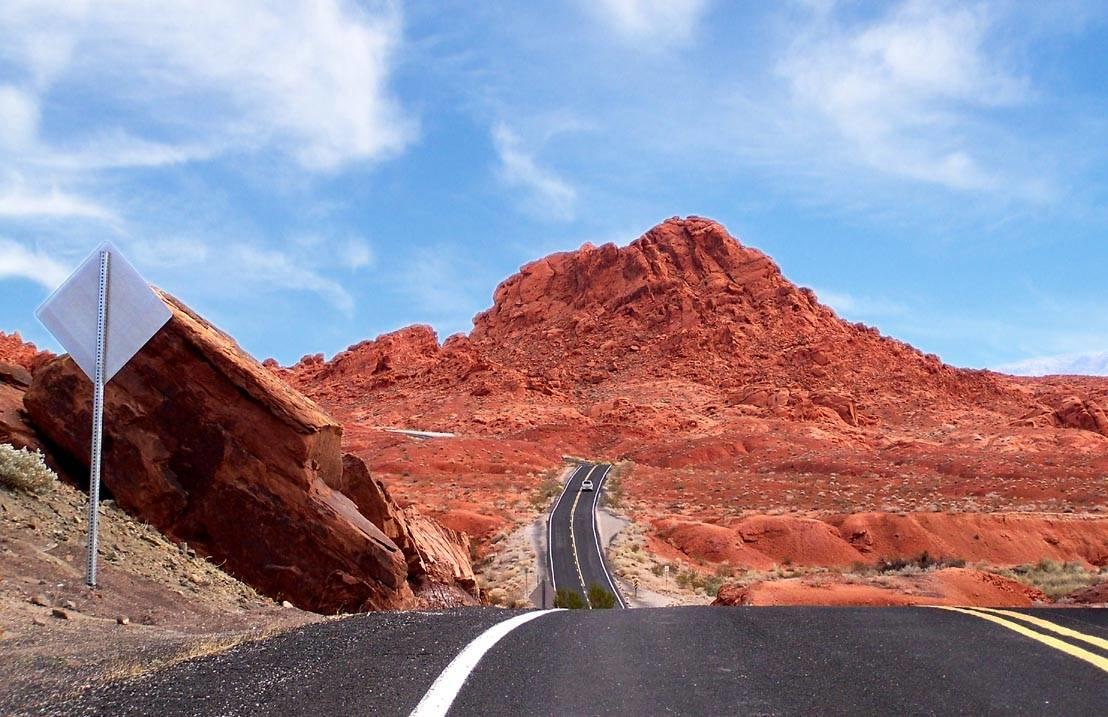
The transition through the Virgin River Gorge is the highlight of the drive. The interstate is carved through steep limestone cliffs that tower hundreds of feet above the road. It provides a dramatic contrast to the flat, expansive basin of the Las Vegas valley. As you exit the gorge, the landscape opens up into the broad, stunning vistas of southwestern Utah. This area is characterized by vibrant orange and red sandstone formations that define the unique aesthetics of the Colorado Plateau.
Arriving in St. George
Upon entering the St. George Valley, the change in atmosphere is palpable. The climate is typically several degrees cooler than Las Vegas, and the air feels crisp against the backdrop of the Pine Valley Mountains. This transition makes the region a premier destination for those seeking proximity to world-class hiking, cycling, and natural exploration without having to endure a long-haul flight or an exhausting cross-country trek.
Maximizing Your Journey: Travel Tips and Itinerary Ideas
Because the drive is so efficient, many travelers choose to turn a simple transfer into an immersive experience. By treating the route as a mini-road trip rather than just a transit exercise, you can unlock hidden gems along the I-15 corridor.
Scenic Detours and Outdoor Stops
If time permits, consider pulling off to explore the natural beauty that flanks the highway. Valley of Fire State Park, located just off the interstate in Nevada, offers some of the most stunning geological displays in the country. A short detour here can add a breathtaking layer to your journey. Further north, the Beaver Dam Mountains provide a stark, beautiful barrier that signals your arrival into the high-altitude climate of Utah.
Alternative Transportation Options
While driving your own vehicle or a rental car is the most common method of travel, there are other ways to cover the distance between these two points. Several shuttle services operate daily routes between Las Vegas and St. George. These are particularly popular for international travelers arriving at Harry Reid International Airport who prefer to have their transportation handled professionally. These shuttles are reliable, comfortable, and offer a stress-free way to enjoy the scenery without needing to manage navigation through the Virgin River Gorge.
Weather Considerations
Travelers should always keep an eye on seasonal weather patterns. While the drive is generally accessible year-round, Southern Utah can experience significant temperature drops during the winter months. Occasionally, high-altitude sections of Interstate 15 can see snow or ice, particularly near the mountain passes. Conversely, summer travel requires adequate hydration, as the temperatures in both the Mojave Desert and the St. George basin can easily exceed 100 degrees Fahrenheit. Always carry extra water, especially if you plan to stop for a hike at one of the many trailheads located along the way.
Why St. George is the Perfect Complement to Las Vegas
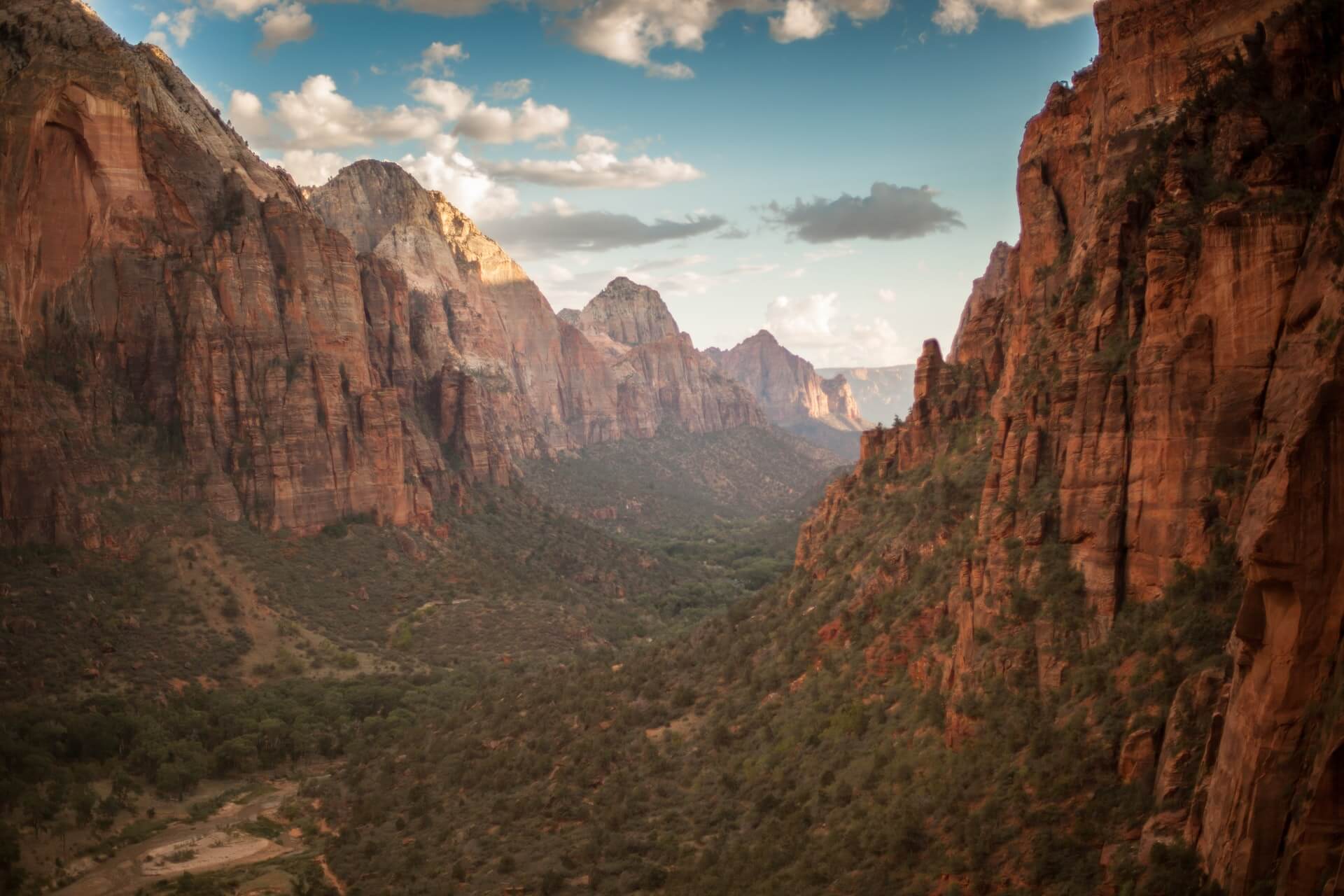
The juxtaposition of these two cities provides a balanced vacation experience. Las Vegas offers a fast-paced, high-density environment defined by entertainment, luxury dining, and nocturnal excitement. In contrast, St. George acts as a restorative counterpart. With its proximity to Zion National Park, Snow Canyon State Park, and a wealth of golf courses, it provides a sanctuary for those looking to reconnect with nature.
For the modern traveler, the relatively short, two-hour drive represents more than just a change in geography; it is a transition between two distinct lifestyles. Whether you are seeking the quietude of a desert sunset against the red cliffs of Utah or the neon lights of Nevada, the route along Interstate 15 bridges the gap between these two worlds effortlessly. By understanding the distance, the nuances of the terrain, and the best time to navigate the corridor, you can ensure that your travel between these two regional hubs is as enjoyable as the destinations themselves. From the moment you leave the Las Vegas Strip to the time you arrive in the serene beauty of the St. George Valley, the experience is defined by dramatic landscapes and the ease of access that makes the American Southwest a premier destination for explorers worldwide.
LifeOutOfTheBox is a participant in the Amazon Services LLC Associates Program, an affiliate advertising program designed to provide a means for sites to earn advertising fees by advertising and linking to Amazon.com. Amazon, the Amazon logo, AmazonSupply, and the AmazonSupply logo are trademarks of Amazon.com, Inc. or its affiliates. As an Amazon Associate we earn affiliate commissions from qualifying purchases.