
The Oklahoma Land Run stands as one of the most defining moments in the history of the United States. It was a frenetic, chaotic, and transformative event that fundamentally altered the landscape of the American West. When people ask, “When was the Oklahoma Land Run?” the answer is generally pointed toward the historic day of April 22, 1889. However, this singular date was merely the spark for a series of events that shaped the Oklahoma Territory and eventually led to the statehood of Oklahoma.
The Dawn of the Unassigned Lands
The origin of the land run traces back to the Indian Appropriations Act of 1889, signed into law by President Benjamin Harrison. For years, the area known as the Unassigned Lands had been the subject of intense desire by settlers, land speculators, and railroad companies. These fertile plains in the heart of what is now central Oklahoma were originally set aside for specific Native American tribes, but the government’s shift in policy under the Dawes Act paved the way for white settlement.
The Buildup to April 1889
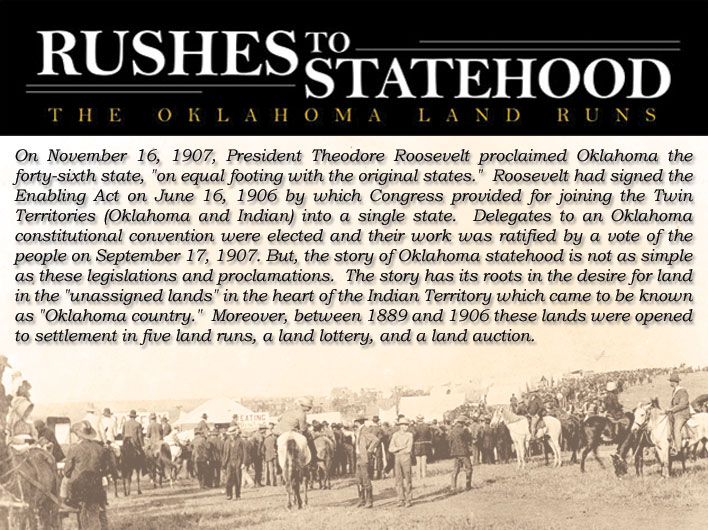
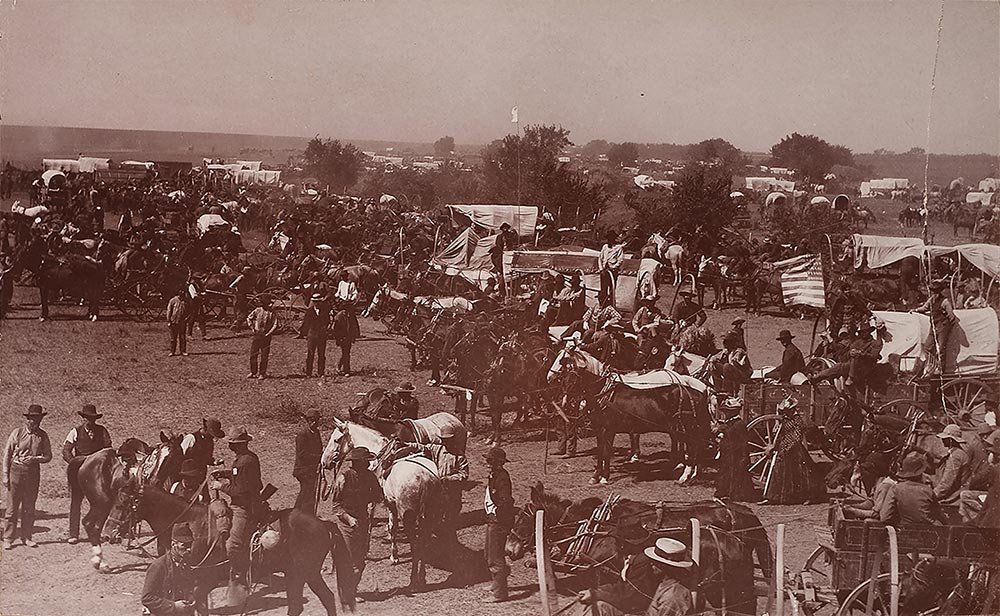
Long before the starting pistol fired, thousands of hopeful settlers gathered at the borders. They lived in tent cities, enduring harsh weather and scarce resources, all while watching the fertile soil of the Indian Territory across the line. The government officially declared that the land would be opened for homesteading under the rules of the Homestead Act, requiring participants to stake a claim and cultivate the land to secure ownership.
High Noon: The Day of the Run
At exactly 12:00 PM on April 22, 1889, the United States Army signaled the start of the race. Thousands of settlers on horseback, in covered wagons, on bicycles, and even on foot surged forward across the border. It was a spectacle of human ambition. Within hours, nearly two million acres of land were claimed by eager pioneers.

The Phenomenon of the Sooners
Not everyone followed the rules. The term “Sooners” originated during this period to describe those who snuck across the border before the official start time to stake the best plots of land. While these individuals claimed the most desirable acreage—often located near water sources or potential town sites—their actions led to years of litigation and distrust among the law-abiding homesteaders known as the “Boomers.”
The Rise of Tent Cities
By the evening of April 22, 1889, cities seemed to spring from the dust. Oklahoma City, Guthrie, Norman, and Kingfisher were established almost overnight. Guthrie, in particular, grew from a desolate rail stop to a bustling town of 10,000 residents in a single day. This rapid urbanization was unprecedented in American history, turning a wide-open prairie into a functioning society in a matter of hours.
Legacy and Historical Significance
The Oklahoma Land Run was not a singular occurrence; it was part of a larger, controversial strategy to dismantle the traditional territories of indigenous peoples. The success of the 1889 run encouraged the federal government to hold several more land runs in subsequent years, including the Cherokee Outlet opening in 1893. These events accelerated the movement of people into the American West, effectively ending the era of the frontier.
The Impact on Indigenous Nations
It is impossible to discuss the Oklahoma Land Run without acknowledging the profound impact on the indigenous tribes who had been displaced to this territory decades earlier. The Five Civilized Tribes, including the Cherokee Nation, the Choctaw Nation, the Chickasaw Nation, the Muscogee Creek Nation, and the Seminole Nation, saw their sovereignty eroded as the federal government sought to integrate the region into the broader fabric of the United States.
Remembering the Frontier Today
Today, visitors can trace the history of this monumental day at various locations throughout the state. The Oklahoma History Center provides extensive archives and exhibits detailing the logistics and the human stories behind the run. Meanwhile, the historic downtown area of Guthrie has been preserved, offering a glimpse into the late 19th-century architecture that defined the early days of state settlement. Exploring these sites provides a nuanced understanding of how Oklahoma evolved from a patchwork of tribal territories into the diverse state it is today.
The spirit of the run is also memorialized in public art, most notably the massive “Land Run Monument” in Bricktown. This stunning collection of bronze statues captures the intensity, the frantic energy, and the desperation of that day in 1889. It serves as a reminder that the history of the American West was written through speed, ambition, and the relentless search for a place to call home.
As historians and travelers look back on the question, “When was the Oklahoma Land Run?” they uncover a complex tapestry of triumph and hardship. It remains a hallmark of the American Frontier, representing both the promise of opportunity and the harsh realities of historical expansion. Whether visiting the museums or walking the historic districts, those interested in the past will find that the story of April 1889 remains deeply woven into the identity of modern Oklahoma.
LifeOutOfTheBox is a participant in the Amazon Services LLC Associates Program, an affiliate advertising program designed to provide a means for sites to earn advertising fees by advertising and linking to Amazon.com. Amazon, the Amazon logo, AmazonSupply, and the AmazonSupply logo are trademarks of Amazon.com, Inc. or its affiliates. As an Amazon Associate we earn affiliate commissions from qualifying purchases.