
When you step into a world-class steakhouse, from the historic chophouses of New York City to the upscale dining rooms of Chicago, the menu often presents a classic dilemma: the New York Strip or the Ribeye? These two cuts are the undisputed heavyweights of the culinary world, representing the pinnacle of beef preparation. While both originate from the middle section of the steer—the primal loin and rib sections—they offer vastly different sensory experiences. Understanding the nuance between these two icons is essential for any traveler seeking the perfect gastronomic experience in North America.
The Anatomy of the Cut: Where the Magic Happens
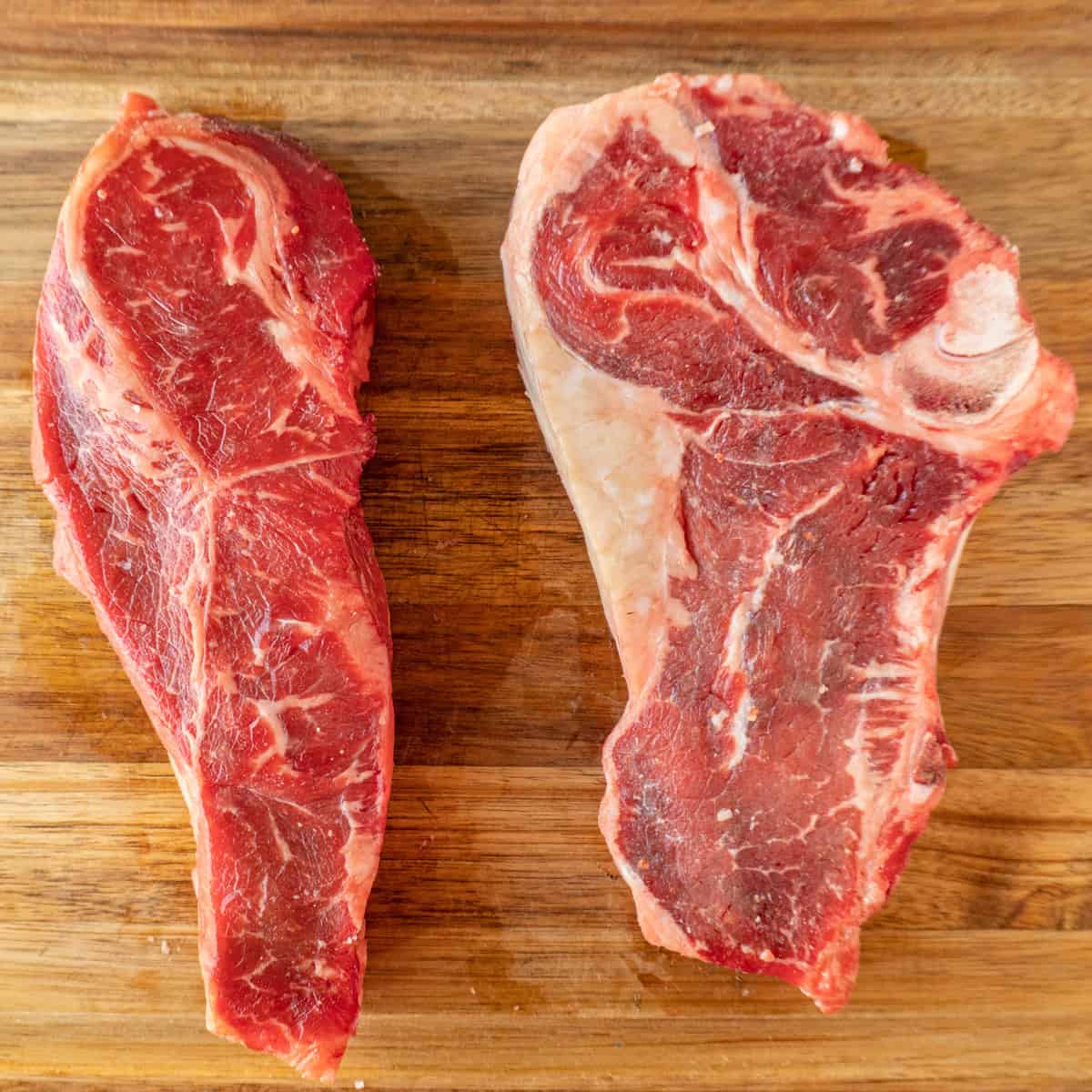
To truly appreciate the difference, one must look at the physiology of the animal. Both cuts come from the “short loin” area, but they occupy different muscular structures, which dictates their texture, fat content, and overall flavor profile.
The Ribeye: A Masterclass in Intramuscular Fat
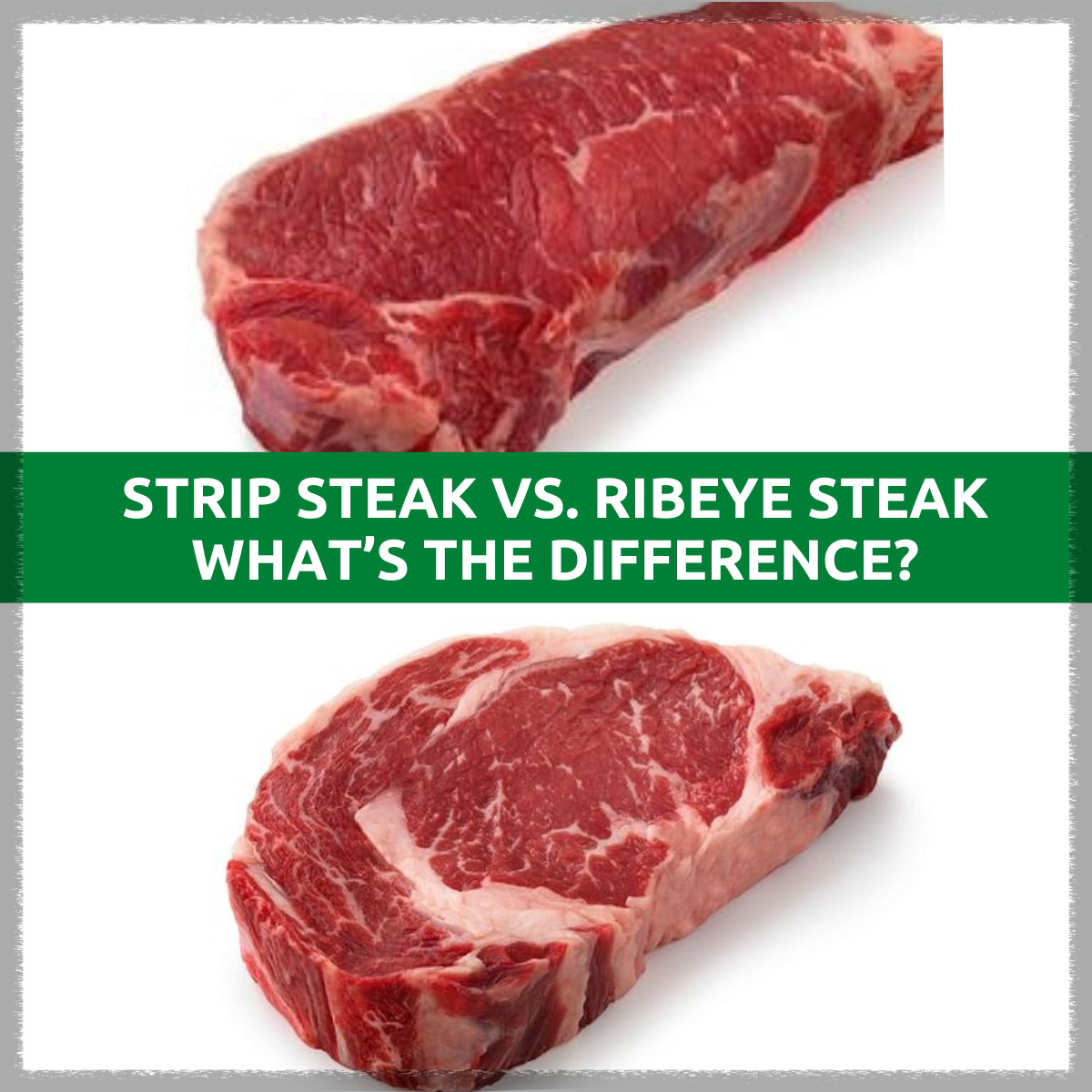
The Ribeye is sourced from the rib section of the steer, specifically between ribs six and twelve. This area of the animal is relatively sedentary, meaning the muscles do not work very hard. Because of this lack of movement, the meat remains incredibly tender. However, the true hallmark of the Ribeye is its marbling—the delicate, white streaks of intramuscular fat that lace through the muscle fibers. When exposed to heat, this fat renders down, basting the meat from the inside out and providing that characteristic, buttery mouthfeel that beef connoisseurs crave.
The New York Strip: The Striploin Standard
The New York Strip comes from the short loin, just behind the ribs. This muscle, the longissimus dorsi, does slightly more work than the rib section, which results in a tighter, denser grain. While it still possesses excellent marbling, it is significantly leaner than the Ribeye. It usually features a distinct, thick fat cap running along one side of the steak. This cut is prized for its “beefy” intensity and a slightly firmer, more substantial chew that many diners find more satisfying than the buttery softness of a Ribeye.
Sensory Differences: Texture, Flavor, and Preparation
When you are ordering dinner at a prestigious establishment like Peter Luger Steak House or any high-end culinary destination in Las Vegas, the choice often comes down to your personal palate preferences regarding texture and intensity.
The Flavor Profile
The Ribeye is widely considered the most flavorful cut on the cow. The heavy marbling ensures that every bite is rich, succulent, and savory. It provides a luxurious dining experience that feels indulgent and decadent. Conversely, the New York Strip offers a more concentrated, robust beef flavor. It is the choice for those who want to taste the quality of the meat itself without the distraction of excessive rendered fat. If you are a purist who enjoys the natural, iron-forward profile of high-quality beef, the Strip is likely your ideal companion.

The Role of the Fat Cap
In the world of fine dining in cities like Buenos Aires or Tokyo, how the fat is handled can define the dish. The New York Strip’s fat cap is a defining feature. If rendered correctly, this exterior band of fat adds a crispy, salty contrast to the tender meat beneath. A skilled chef will sear this fat cap until it is golden and crisp, creating a textural dimension that the Ribeye—which distributes its fat internally—simply cannot replicate.
Navigating the Steakhouse Menu: Tips for the Discerning Traveler
Whether you are exploring the culinary scene in London or enjoying a business dinner in San Francisco, knowing how to order these cuts will elevate your experience.
When to Choose the Ribeye
The Ribeye is the quintessential choice for a celebratory dinner. Its high fat content makes it more forgiving during the cooking process, ensuring a juicy result even if the kitchen happens to cook it slightly past your preferred temperature. It is the best option for diners who value tenderness above all else. If you are looking for that “melt-in-your-mouth” quality, the Ribeye remains the king of the grill.
When to Choose the New York Strip
The New York Strip is the refined choice for the experienced steak lover. Because it is leaner, it requires more precision in cooking. It is a fantastic cut to pair with complex sauces or compound butters, as its sturdy flavor profile can hold its own against bold accompaniments. If you prefer a steak that offers a substantial bite and a cleaner, more focused beef flavor, you will find the Strip superior.
Considering the “Bone-In” Factor
Both cuts are frequently served as “bone-in” varieties, often referred to as the Cowboy Steak (Ribeye) or the Kansas City Strip. The bone acts as an insulator, slowing the cooking process near the center and allowing for more complex flavor development. The marrow and connective tissue near the bone also contribute a depth of flavor that is often cited as the highlight of the meal. If you have the time to sit and savor your meal, opting for the bone-in version is almost always the correct decision for a premium dining experience.
Final Thoughts on Cultural Context
The appreciation of these two cuts varies across the globe. While France often favors different cuts like the entrecôte, the American-style steakhouse has solidified the Ribeye and the New York Strip as the gold standard of luxury dining.
Ultimately, there is no “better” choice; there is only the choice that best fits the moment. A Ribeye is an indulgence, a testament to the richness of the animal, while a New York Strip is a classic, dependable, and highly sophisticated expression of beef. The next time you find yourself browsing a menu in a vibrant global hub, remember that both cuts offer a window into the local culture of fine dining. By understanding the science of the fat, the muscle, and the sear, you can confidently navigate any menu and ensure that your next dining experience is nothing short of exceptional. Whether you crave the buttery, opulent richness of the Ribeye or the dense, beefy, and structured personality of the New York Strip, you are participating in a timeless ritual of culinary excellence.
LifeOutOfTheBox is a participant in the Amazon Services LLC Associates Program, an affiliate advertising program designed to provide a means for sites to earn advertising fees by advertising and linking to Amazon.com. Amazon, the Amazon logo, AmazonSupply, and the AmazonSupply logo are trademarks of Amazon.com, Inc. or its affiliates. As an Amazon Associate we earn affiliate commissions from qualifying purchases.