
When traveling through the heart of Oklahoma, visitors often find themselves struck by the solemn sight of the American and state flags lowered to half-staff. This visual cue serves as a poignant reminder of the state’s deep-rooted respect for its history, its leaders, and the profound sacrifices made by its citizens. Understanding why these flags are at half-mast offers a unique window into the local culture, providing travelers with a deeper connection to the values that define the Sooner State.
The Significance of the Half-Mast Tradition
The act of lowering a flag to half-mast is a universal symbol of mourning, yet its application in Oklahoma City and across the state is governed by specific protocols that reflect the gravity of the occasion. It is not merely a formality; it is a collective pause taken by a community to honor a life of service or to grieve a shared tragedy.
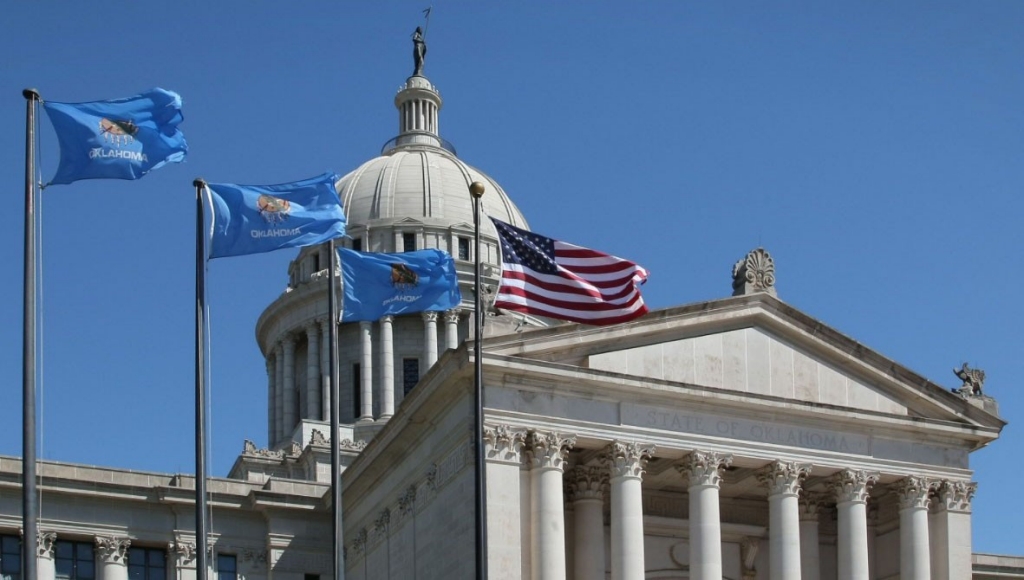
Protocol and Federal Guidelines
The display of the flag is strictly regulated by the U.S. Flag Code. While federal directives from the President of the United States often trigger state-wide compliance, the Governor of Oklahoma also holds the authority to issue proclamations for state-specific observances. When travelers see the flags lowered, it signifies that the state is acknowledging a loss that has impacted the nation or the local community’s spirit. Whether it is in memory of a fallen first responder, a military service member, or a high-ranking public official, the sight demands a moment of quiet reflection from those passing through.
A Reflection of Local Values
For the people of Oklahoma, these gestures are deeply tied to the “Oklahoma Standard”—a philosophy characterized by resilience, community support, and an unwavering commitment to standing together during times of trial. When a visitor observes the flags flying at half-mast, they are witnessing this standard in action. It is a testament to a culture that values the individual’s contribution to the greater good and ensures that no hero or significant loss goes unacknowledged by the state.
Honoring History: Beyond the Daily Routine
Many who visit the Oklahoma State Capitol or historic sites like the Oklahoma City National Memorial may encounter half-mast flags on anniversaries of tragic events or to honor significant historical figures. This practice bridges the gap between the past and the present, ensuring that modern travelers remain aware of the foundational moments that shaped the state.
Remembering the Tragedy of 1995
The most enduring instance of communal mourning in Oklahoma centers on the events of April 19, 1995. Every year, on the anniversary of the bombing of the Alfred P. Murrah Federal Building, flags across the state are lowered to honor the victims and the survivors. For a tourist, this is a somber but essential opportunity to engage with the history of the region. The Oklahoma City National Memorial stands as a site of profound peace, and the lowered flags serve as a quiet companion to the silence found within the memorial’s gates.

Commemorating State Leaders
The Oklahoma State Capitol frequently lowers its flags to honor state senators, representatives, or governors who have passed away. This tradition highlights the importance of public service in the local culture. Travelers visiting the Capitol grounds or the surrounding Lincoln Boulevard area will often see the flags positioned at half-staff as a mark of respect for those who dedicated their lives to governing the state.
Understanding Local Culture Through Symbols
Traveling is about more than sightseeing; it is about interpreting the environment and understanding the stories behind the sights. Seeing the flag at half-mast is an invitation to learn about what matters to the people of Oklahoma.
The Role of Public Art and Memorials
While the flag is a temporary symbol of mourning, the state is also filled with permanent structures that honor its past. From the First Americans Museum in Oklahoma City to the various war memorials scattered across Tulsa and other smaller towns, the culture of remembrance is pervasive. When a traveler pauses to ask, “Why are the flags at half-mast?”, they are participating in a local dialogue about memory, honor, and continuity.
Tips for Travelers When Flags Are Lowered
If you find yourself in Oklahoma during a day of mourning, it is helpful to understand the appropriate behavior as a visitor:
- Observance: There is no expectation for tourists to stop their activities entirely, but a quiet acknowledgment or a brief moment of silence when passing a government building is always appropriate.
- Inquiry: Many local news outlets, such as the Oklahoman or local television stations, provide information on why flags are at half-mast. Checking these sources can provide context and depth to your travels.
- Sensitivity: In smaller, tight-knit communities like Norman or Stillwater, the loss might be personal to the locals. Being mindful of this during your interactions enhances the quality of your cultural experience.
The Connection Between Community and Governance
Ultimately, the sight of a half-mast flag in Oklahoma is a reminder that the state is more than just a destination; it is a community. Whether you are walking through the vibrant Bricktown district or exploring the natural beauty of the Wichita Mountains Wildlife Refuge, the flags stand as constant sentinels of the state’s character.
A Unified Response
The practice of lowering flags is a unifying act. It brings together people from Muskogee to Lawton in a shared purpose. When a traveler observes this, they are seeing a snapshot of the social cohesion that makes Oklahoma a unique place to visit. It shows that even in an era of digital disconnection, there are still shared rituals that command collective respect.
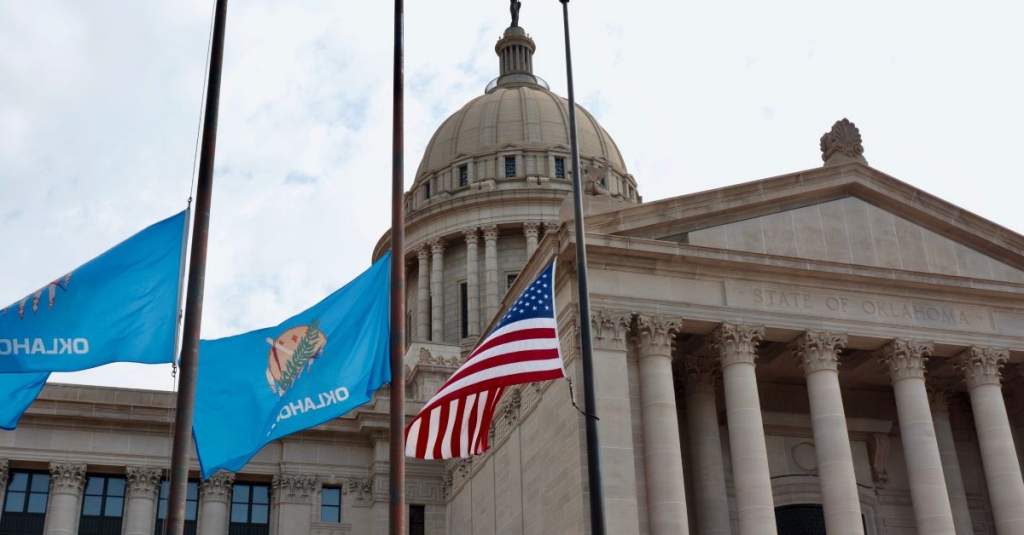
Respecting the Sooner State
As you continue your journey through Oklahoma, keep an eye out for these visual markers. They are not merely interruptions to a landscape; they are invitations to respect. By acknowledging these moments, you elevate your travel experience from a mere visit to an act of participation in the ongoing narrative of the state. Whether it is an honor for a fallen soldier or a mark of state-wide mourning for a tragic historical event, the flag at half-mast tells a story. It speaks of a place that knows how to grieve, how to honor, and how to carry its history with pride as it looks toward the future. By engaging with these traditions, you gain a richer, more nuanced understanding of the heartbeat of the United States as experienced in the heartland.
LifeOutOfTheBox is a participant in the Amazon Services LLC Associates Program, an affiliate advertising program designed to provide a means for sites to earn advertising fees by advertising and linking to Amazon.com. Amazon, the Amazon logo, AmazonSupply, and the AmazonSupply logo are trademarks of Amazon.com, Inc. or its affiliates. As an Amazon Associate we earn affiliate commissions from qualifying purchases.