
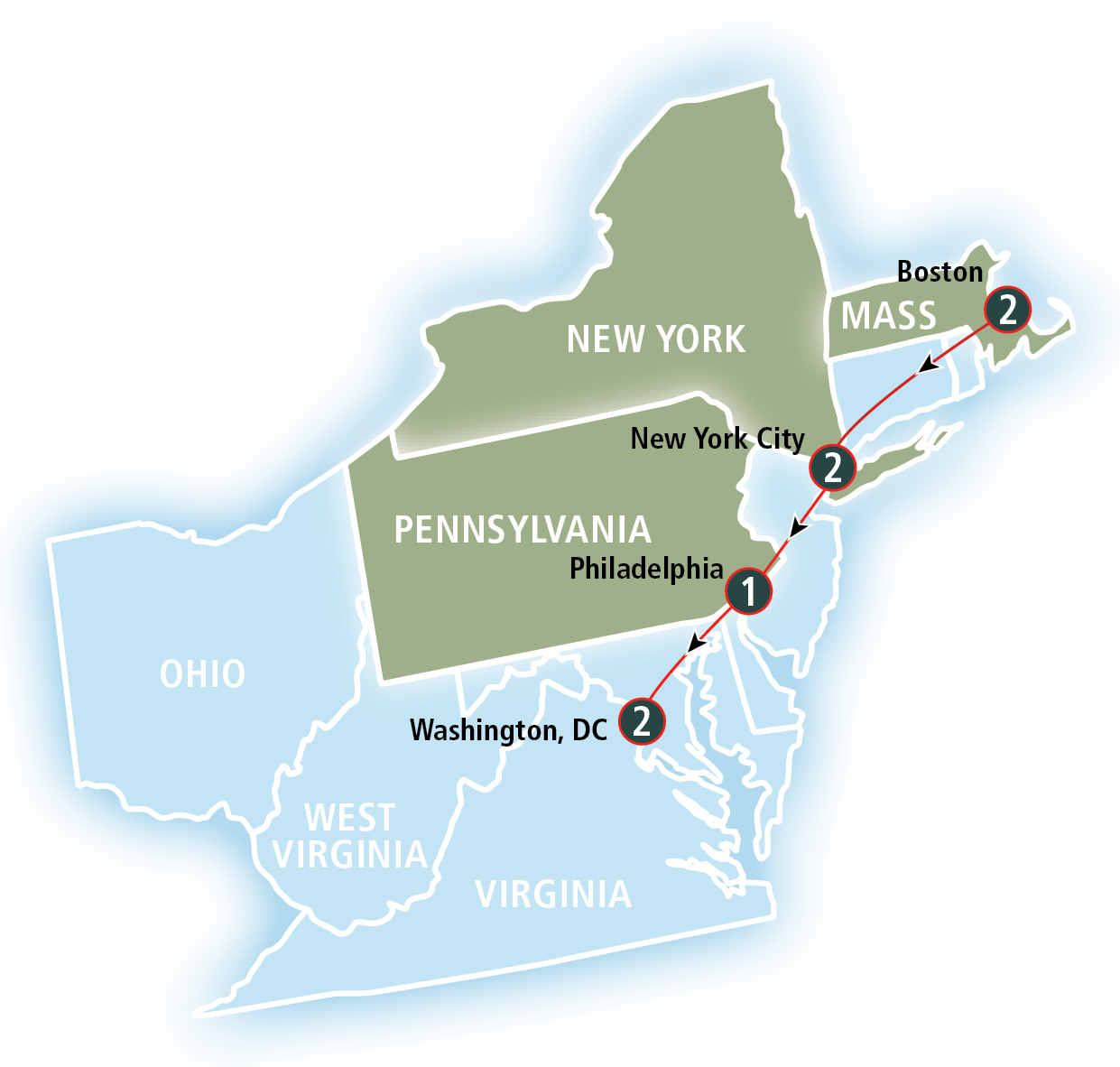
Traveling between the two cultural titans of the Northeast corridor—Philadelphia and New York City—is a rite of passage for residents and a fundamental component of many East Coast itineraries. Whether you are a business traveler transitioning between the financial hubs or a tourist looking to expand your horizons beyond the Statue of Liberty to the historic streets of Independence Hall, understanding the geography and logistics of this journey is essential. Generally speaking, the distance between the two cities is approximately 95 to 100 miles, but the “distance” is better measured in time, mode of transport, and the unique regional character that connects Pennsylvania and New York.
The Rail Connection: Efficiency and Speed
For most travelers, the train remains the most reliable and efficient way to bridge the gap between 30th Street Station and Penn Station. The rail line, operated by Amtrak and the SEPTA-NJ Transit combination, offers a seamless path through the heart of the Northeast Corridor.
Amtrak Acela and Northeast Regional
The Amtrak experience is the gold standard for speed. The Acela high-speed train can cover the distance in as little as 70 minutes, whisking passengers from the urban density of Philadelphia directly into the epicenter of Midtown Manhattan. The Northeast Regional service is slightly slower, usually taking between 80 and 95 minutes, but it provides a consistent, comfortable experience that avoids the volatility of highway traffic.
Regional Rail Alternatives
For budget-conscious travelers, combining SEPTA and NJ Transit is a popular, albeit slower, alternative. By taking the Trenton Line from Philadelphia to Trenton Transit Center and transferring to a New Jersey Transit train, passengers can reach New York City for a fraction of the cost of an Amtrak ticket. This route typically takes about 2.5 to 3 hours, offering a more localized view of the suburban sprawl of New Jersey.
Navigating by Road: The Reality of I-95
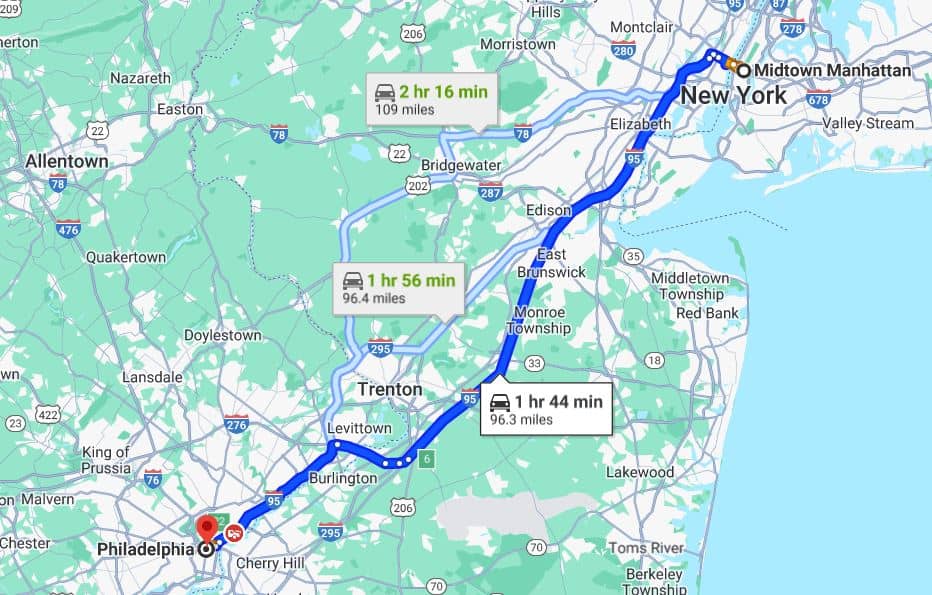
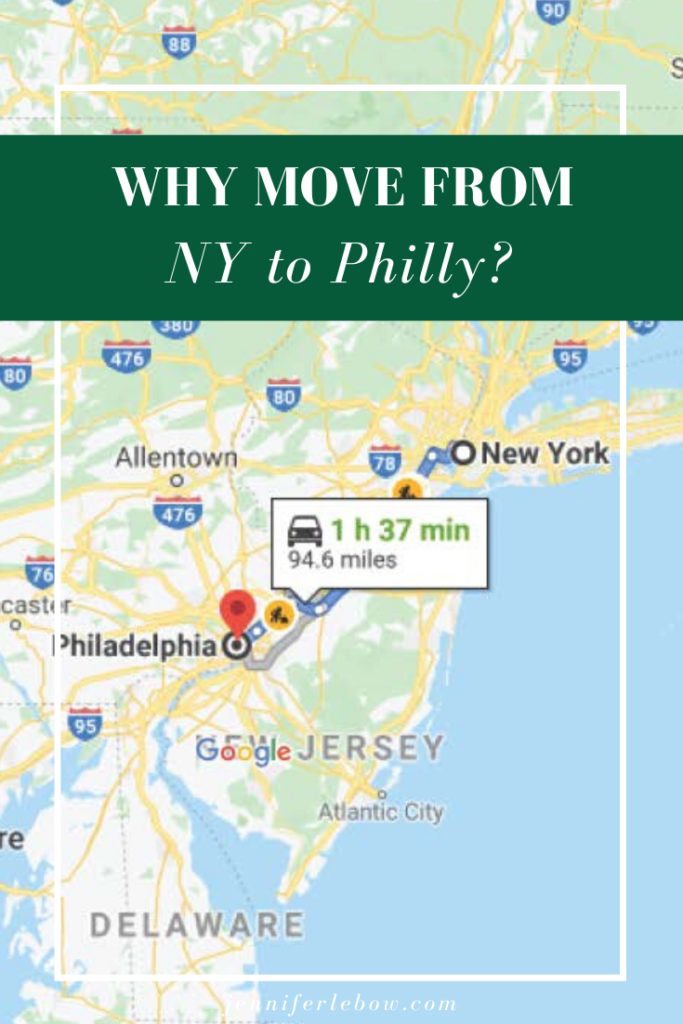
Driving between these two metropolises is a journey defined by the rhythm of the Interstate 95 corridor. While the map might suggest a straightforward drive of under two hours, the reality is heavily dependent on the notorious traffic patterns of the Northeast.
Traffic Considerations and Timing
During off-peak hours—typically mid-morning or late at night—the drive is relatively pleasant and can be completed in approximately 1 hour and 45 minutes. However, during weekday rush hours or Friday afternoons, the stretch between Newark and the Holland Tunnel can become a significant bottleneck. Travelers should always check real-time traffic updates before departing, as accidents or construction in New Jersey can easily double the expected travel time.
Scenic Routes and Stops
For those who prefer a more relaxed pace, avoiding the highway entirely is possible by taking secondary roads through the historic river towns. While this is not recommended for those on a strict schedule, it offers a glimpse of the Delaware River valley and the lush landscapes that separate the concrete jungles. Stopping in towns like Princeton allows for a cultural break, showcasing the academic prestige of Princeton University before continuing north to the bustling streets of Manhattan.
Bus Travel: The Budget-Friendly Choice
The bus industry provides perhaps the most extensive network of travel options between Philadelphia and New York City. With frequent departures from Philadelphia Greyhound Terminal to the Port Authority Bus Terminal, travelers have access to a variety of price points and comfort levels.
Reliability and Amenities
Modern bus carriers now offer various amenities that make the two-to-three-hour journey quite manageable. Many coaches are equipped with Wi-Fi, power outlets, and comfortable seating. While traffic delays can affect bus travel just as they do personal vehicles, the dedicated bus lanes in certain areas, particularly entering the Lincoln Tunnel, can provide a distinct advantage during peak congestion periods.
Planning Your Intercity Trip
When deciding how to make the trek, consider the specific “start” and “end” points of your journey. Philadelphia is a sprawling city, and being closer to University City versus Center City might dictate your departure point. Similarly, New York City is vast; if you are heading to Brooklyn, you may prefer a transit route that allows for a smoother connection via the New York City Subway rather than arriving directly in Midtown.
Frequency of Travel
Because the demand is so high, the frequency of departures is unparalleled. From early morning Amtrak departures at dawn to late-night bus routes, travelers are rarely left stranded. This high frequency effectively turns these two distinct cities into a singular, interconnected region. Whether you are commuting for work or embarking on a weekend getaway to see the Empire State Building or explore the Philadelphia Museum of Art, the proximity ensures that the transition is seamless.
Balancing Cost and Speed
Ultimately, the decision comes down to the individual traveler’s priorities:
- Speed: Amtrak is the clear winner for those valuing time and productivity.
- Cost: Bus lines and NJ Transit commuter rail are ideal for those balancing a travel budget.
- Flexibility: Driving offers the most freedom regarding departure times and the ability to carry luggage, though one must account for the high costs of parking in New York City.
As you traverse the distance between Pennsylvania and New York, you are essentially navigating the backbone of the American Northeast. The journey is short enough to feel effortless, yet long enough to appreciate the distinct shift in atmosphere from the historic, cobblestoned charm of Old City to the relentless, electrified energy of Times Square. Understanding these transit options allows you to focus less on the logistics and more on the experiences waiting at the end of the line.
LifeOutOfTheBox is a participant in the Amazon Services LLC Associates Program, an affiliate advertising program designed to provide a means for sites to earn advertising fees by advertising and linking to Amazon.com. Amazon, the Amazon logo, AmazonSupply, and the AmazonSupply logo are trademarks of Amazon.com, Inc. or its affiliates. As an Amazon Associate we earn affiliate commissions from qualifying purchases.