
Navigating the logistical transition to university life in Eugene, Oregon, is a significant undertaking for incoming students. As you prepare for your academic journey at the University of Oregon, a common question arises regarding personal mobility: is it practical or even permitted to bring a car to campus as a freshman? While the university does not strictly prohibit first-year students from owning a vehicle, the decision requires a careful evaluation of housing policies, parking availability, and the urban layout of the Pacific Northwest.
University Policies and Parking Regulations
The University of Oregon maintains a decentralized parking system managed by the Department of Transportation Services. Unlike some smaller institutions that outright ban freshman vehicles to limit congestion, the UO allows all students to purchase parking permits. However, “allowing” a car and “utilizing” a car are two very different concepts in a campus environment designed for pedestrians and cyclists.
Understanding Permit Tiers
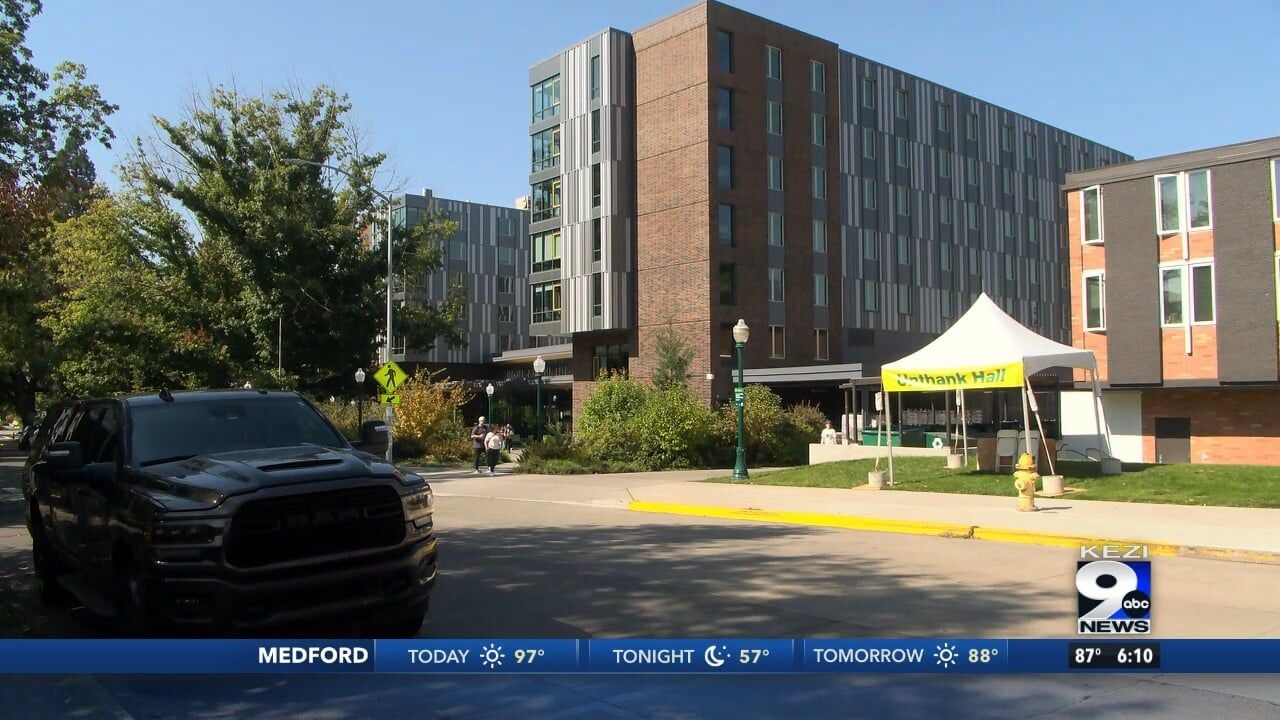
Parking on campus is structured into tiered permit systems. Freshmen are typically eligible for surface lot permits located on the periphery of the campus. These lots are often a significant walk from major residence halls like Bean Hall or Earl Hall. Before deciding to bring a vehicle, students should calculate the annual cost of a parking permit, which can be a substantial expense on a limited student budget.
The Reality of Limited Space
Parking demand significantly outstrips supply during peak academic hours. Even with a valid permit, finding a space during the mid-morning rush near the Erb Memorial Union or academic quads can be an exercise in frustration. Many students find that once they park their car at the beginning of the week, they rarely move it until the weekend to avoid losing their spot.
The Case for Staying Car-Free in Eugene
Eugene is widely recognized as one of the most bicycle-friendly cities in the United States. The city’s infrastructure is specifically built to discourage reliance on personal vehicles, favoring sustainable transportation methods that are both cheaper and more efficient for students living on or near campus.
Utilizing Lane Transit District
The Lane Transit District provides an extensive bus network that serves the entire city. For students, the UO provides an “All-Access Pass” included in student fees, allowing for unlimited rides on local buses. This system connects the campus directly to major grocery stores, shopping districts, and off-campus housing complexes. When the public transit system is so deeply integrated into the student experience, the utility of a private car diminishes significantly.
The Bikeability Advantage
With miles of dedicated bike paths and flat terrain, the vast majority of the student body relies on bicycles. Eugene consistently ranks as a gold-level bicycle-friendly community. Storing a bike is significantly easier than finding a parking spot for a car, and the carbon footprint of a student living a car-free lifestyle at the University of Oregon is dramatically lower.

When a Vehicle Might Actually Be Necessary
While the university and the city are optimized for non-motorized transport, there are specific scenarios where having a vehicle might be advantageous. If you are an outdoor enthusiast planning to explore the vast natural beauty of the Pacific Northwest, a car changes your relationship with the region.
Exploring the Oregon Coast and Cascades
Living in Oregon places you within driving distance of some of the most stunning landscapes in the country. If you intend to regularly visit the Oregon Coast or hike in the Cascade Mountains, public transit may not reach these remote trailheads or coastal towns. For students who plan on spending their weekends away from the classroom and in the wilderness, the independence afforded by a car is undeniable.
Off-Campus Internships and Employment
Depending on your major and professional goals, you may secure an internship or a part-time job located outside the transit-accessible corridors of Eugene. In these instances, a car provides a necessary link to professional opportunities that might otherwise be logistically impossible to reach. Always evaluate your anticipated work schedule and job location before committing to the costs of vehicle ownership.
Financial and Maintenance Considerations
The decision to bring a car to university is as much about financial planning as it is about convenience. Students must look beyond the initial purchase or the act of driving the car to campus and consider the ongoing overhead of vehicle ownership.
Hidden Costs of Ownership
- Fuel and Maintenance: The price of gas in Oregon can be higher than in other regions of the country. Periodic maintenance, such as oil changes and tire rotations, will inevitably arise during the academic year.
- Insurance Premiums: Moving your vehicle to a university setting can impact your insurance rates. It is essential to contact your insurance provider to discuss how the change in location and the potential for increased risk in a high-density student parking lot will affect your premiums.
- Parking Fines: The University of Oregon parking enforcement is notoriously diligent. A single overlooked sign or an expired meter can lead to tickets that quickly negate the convenience of having a vehicle nearby.
The “Car-Sharing” Alternative
For students who only need a car occasionally—perhaps for a grocery run or a trip to Portland—services like Zipcar are often available on or near campus. By utilizing car-sharing, you gain the benefits of having a vehicle available for short-term use without the burden of insurance, maintenance, and permanent parking fees. This allows you to maintain the convenience of the Eugene transit and bike networks while still having the flexibility to travel when necessary.

Final Recommendations for Freshmen
As you approach your first year at the University of Oregon, the recommendation is generally to start your first semester without a car. This “probationary period” allows you to acclimate to the campus culture, understand the transit systems, and determine if your social and academic schedule truly requires a vehicle.
If, after a few months, you find that the lack of a car is limiting your ability to participate in necessary activities, you can always arrange for a vehicle to be brought to campus for the spring semester. Most students who opt to go car-free find that they save thousands of dollars throughout their freshman year and integrate much more deeply into the campus community. The Pacific Northwest lifestyle is defined by exploration and sustainability; embracing the transit-first culture of Eugene is often the best way to start your collegiate career.
LifeOutOfTheBox is a participant in the Amazon Services LLC Associates Program, an affiliate advertising program designed to provide a means for sites to earn advertising fees by advertising and linking to Amazon.com. Amazon, the Amazon logo, AmazonSupply, and the AmazonSupply logo are trademarks of Amazon.com, Inc. or its affiliates. As an Amazon Associate we earn affiliate commissions from qualifying purchases.