
The New York Strip steak is a cornerstone of fine dining, a cut prized by gourmands from the bustling steakhouses of New York City to the refined kitchens of Paris. Known for its robust flavor and a texture that balances tenderness with a satisfying chew, the beef loin is a testament to the art of culinary simplicity. Whether you are sourcing your meat from a local butcher in Chicago or selecting a prime cut at a high-end market in Tokyo, the principles of preparation remain universal. Achieving that restaurant-quality sear in a home kitchen requires an understanding of heat management, resting periods, and the philosophy of the ingredient itself.
The Foundation of a Perfect Sear
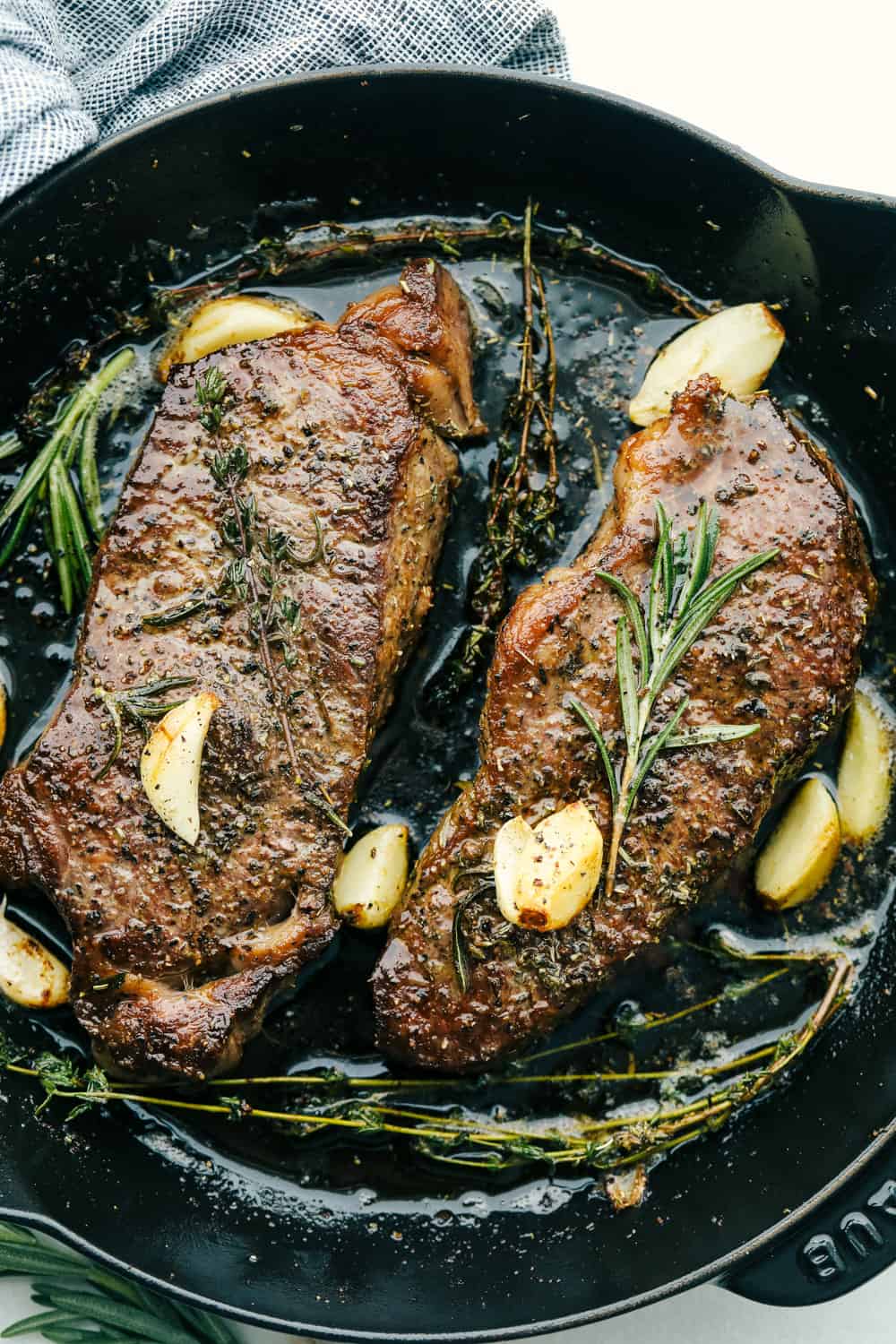
To elevate a piece of beef loin, one must respect the anatomy of the cut. The New York Strip is essentially the “short loin,” characterized by a thin strip of fat running along one side. This fat cap acts as a self-basting mechanism if rendered correctly. Before the heat is introduced, preparation is paramount.
Temperature Management
Professional chefs across iconic culinary hubs, such as those found near the Eiffel Tower or within the grand kitchens of the Ritz Paris, insist on bringing the steak to room temperature. Removing the steak from the refrigerator at least forty-five minutes before cooking ensures that the center reaches its target internal temperature without the exterior becoming overly charred or dry. Placing a cold steak onto a hot pan causes the muscle fibers to seize, resulting in a toughened texture that no amount of seasoning can rectify.
Surface Moisture and Seasoning
The enemy of a good crust is moisture. Before the steak touches the pan, use high-quality paper towels to pat the surface bone-dry. Any residual moisture will cause the steak to steam rather than sear, preventing the Maillard reaction—the chemical process that creates the complex, browned flavor profile we crave. Once dry, season liberally with kosher salt and freshly cracked black pepper. While global culinary trends often suggest elaborate marinades, a true beef loin relies on the quality of the beef itself. In the sophisticated dining scenes of London, the emphasis remains on the purity of the protein.
Mastering the Pan-Sear Technique
While there are many methods for preparing steak, the pan-sear remains the gold standard for those who appreciate the tactile nature of cooking. Whether you are using a cast-iron skillet in a suburban home or cooking in a high-tech kitchen in Dubai, the logic of heat transfer is identical.
Choosing the Right Fat
Do not rely on butter from the start, as its milk solids will burn at the high temperatures necessary for a hard sear. Opt for an oil with a high smoke point, such as grapeseed or avocado oil. Pour enough to coat the bottom of the skillet—a thin, shimmering layer is sufficient. When the oil is just beginning to smoke, place the steak in the pan, ensuring you lay it away from you to avoid splashes.
The Art of the Crust
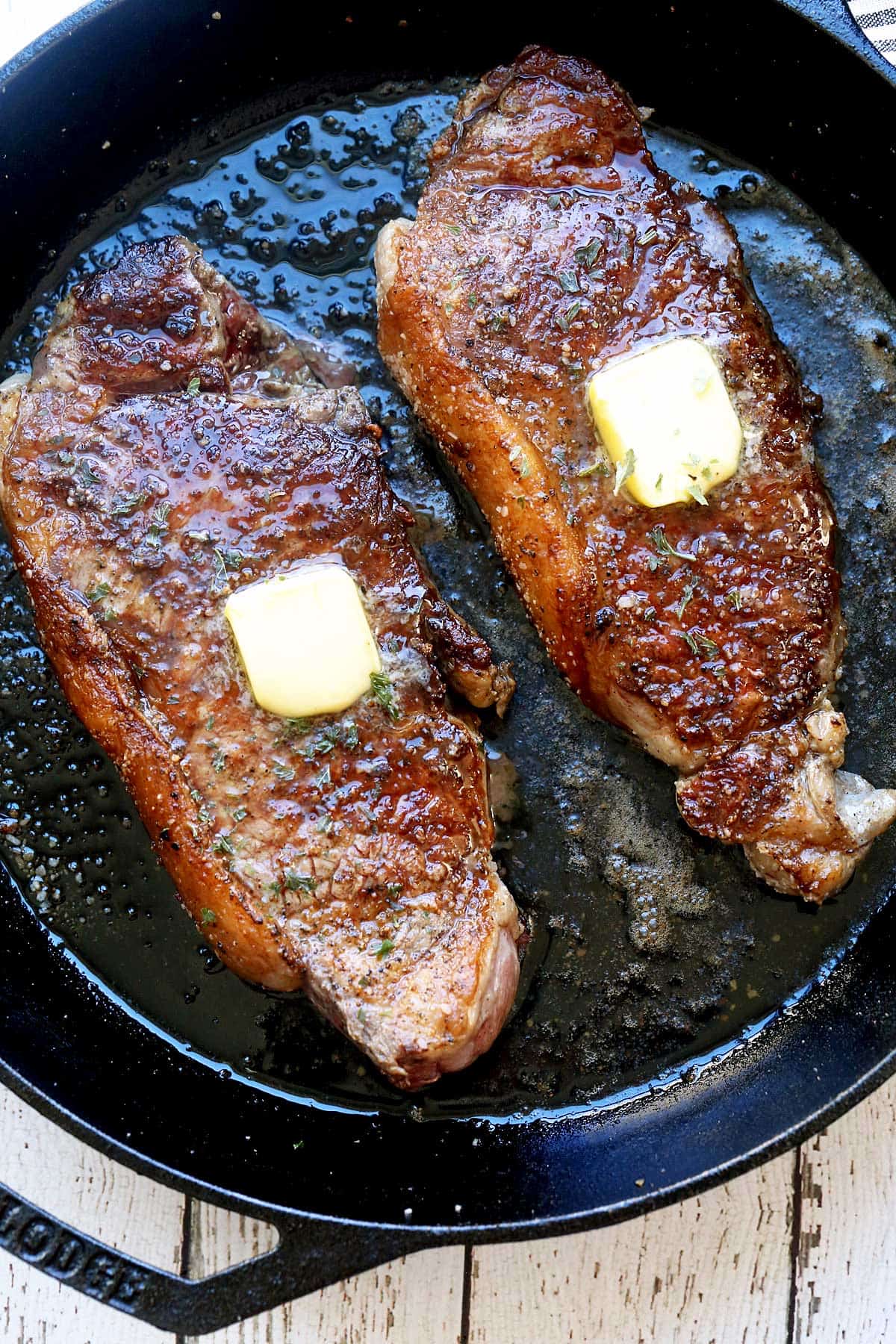
Avoid the temptation to move the steak. Let it sear undisturbed for three to four minutes per side, depending on thickness. This duration allows the exterior to develop a deep, mahogany crust. For those who appreciate the traditional technique often seen in Buenos Aires, the goal is a consistent color from edge to edge. Once the first side is developed, flip the steak once. This is the moment to introduce aromatics. Lower the heat slightly and add two tablespoons of unsalted butter, a few cloves of smashed garlic, and sprigs of fresh rosemary or thyme.
The Butter Baste
As the butter melts and begins to foam, tilt the pan slightly and use a large spoon to continuously baste the steak with the hot, herb-infused fat. This technique, mastered by the most disciplined chefs in Rome, imparts a nutty, luxurious finish to the meat, soaking into the rendered fat cap and elevating the overall flavor profile.
The Critical Importance of Resting
One of the most common mistakes made by home cooks is the failure to rest the meat. After taking the steak out of the pan, do not slice into it immediately. The residual heat continues to cook the center, and the juices—which have migrated toward the surface due to the intense heat—need time to redistribute back into the muscle fibers.
The Resting Phase
Transfer the steak to a warm plate or a cutting board. Tent it loosely with aluminum foil to trap the heat without causing the crust to soften from trapped steam. Resting for at least seven to ten minutes is non-negotiable. This duration is the difference between a steak that leaks its moisture onto the plate and one that remains succulent with every bite.
Slicing and Presentation
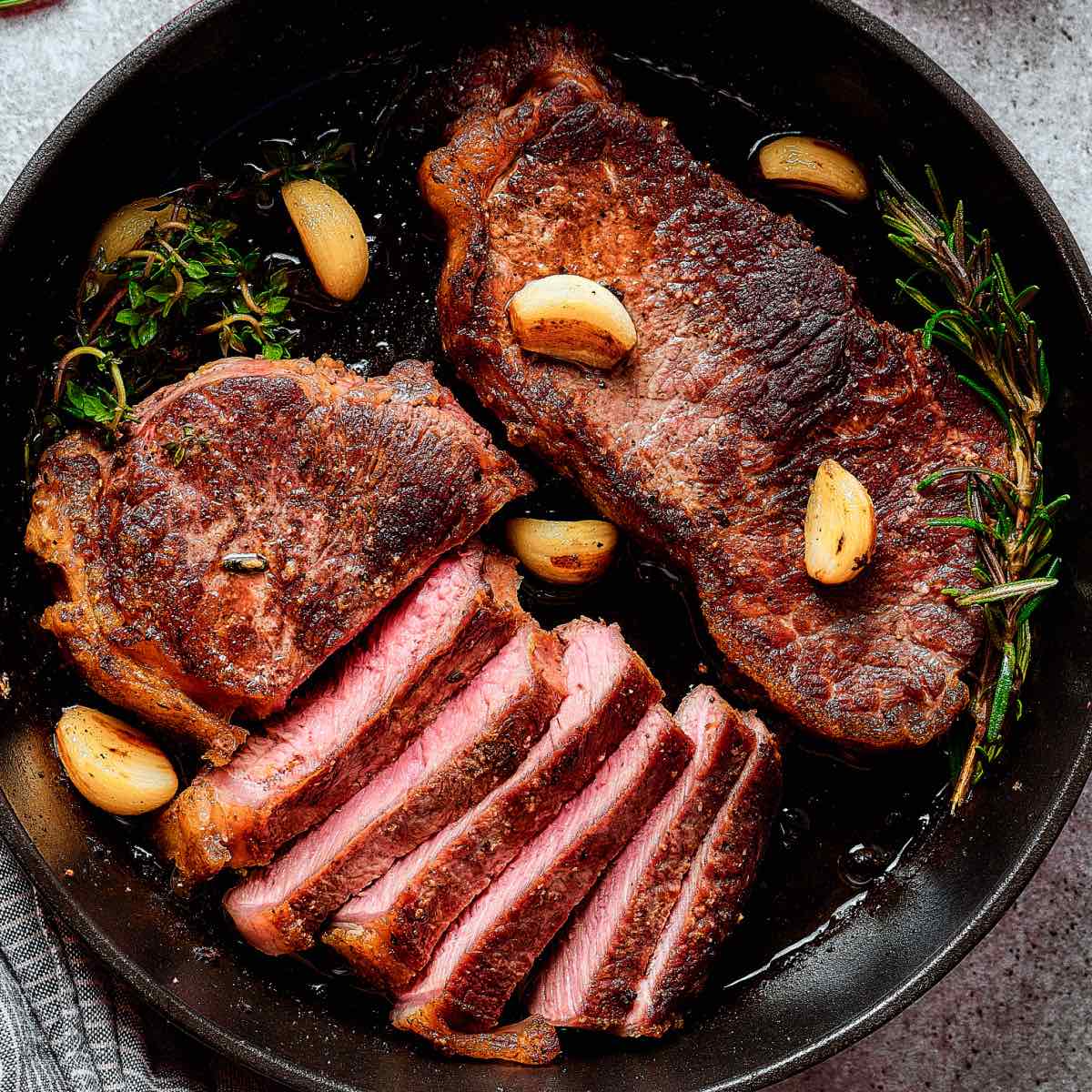
When you are ready to serve, slice the steak against the grain. This shortens the muscle fibers, making each piece inherently more tender. If you are serving this for a special occasion, perhaps reminiscent of a celebratory dinner at the Burj Al Arab, pair the steak with simple accompaniments. A light arugula salad or roasted root vegetables provides the necessary acidity and earthiness to balance the richness of the beef loin.
Beyond the Plate: Elevating the Dining Experience
Cooking a steak is not merely an exercise in heat application; it is an experience that mirrors the hospitality found in the world’s most prestigious locales. Whether you are entertaining guests in Los Angeles or enjoying a quiet meal in the rolling hills of Tuscany, the preparation of food serves as a bridge between tradition and personal expression.
Understanding Doneness
To ensure you reach your preferred level of doneness, a digital meat thermometer is an invaluable tool. For a perfect medium-rare, look for an internal temperature of 130°F to 135°F. Remove the steak from the pan when it hits 125°F, as the carry-over cooking will bring it to the target temperature while it rests. Understanding these metrics allows the cook to move away from guesswork and toward precision.
The Final Touch
Before serving, a small sprinkle of flaky sea salt (such as Maldon) can provide a final, satisfying crunch that highlights the natural flavors of the beef. This is a finishing touch frequently utilized in the high-end dining rooms of Singapore, where attention to textural contrast is vital. A New York Strip steak, when prepared with patience and precision, becomes more than just a meal; it becomes a centerpiece, reflecting the care and intention of the host. By mastering the variables—temperature, heat, and rest—you turn a basic piece of beef into a culinary achievement worthy of the finest tables in the world. Whether you are cooking in your own kitchen or drawing inspiration from the global epicenters of gastronomy, these techniques ensure a consistently exceptional outcome, bite after bite.
LifeOutOfTheBox is a participant in the Amazon Services LLC Associates Program, an affiliate advertising program designed to provide a means for sites to earn advertising fees by advertising and linking to Amazon.com. Amazon, the Amazon logo, AmazonSupply, and the AmazonSupply logo are trademarks of Amazon.com, Inc. or its affiliates. As an Amazon Associate we earn affiliate commissions from qualifying purchases.