
The landscape of the real estate industry has undergone a seismic shift, creating ripples that extend far beyond the typical boardroom and into the daily operations of property acquisition and residential investment. While the national discourse regarding commission structures and buyer-agent compensation has dominated headlines, the implications for Oregon are uniquely colored by the state’s specific regulatory environment and its growing appeal as a relocation destination. For those looking at the state through the lens of accommodation—whether seeking to purchase a permanent residence, a vacation getaway, or a long-term rental property—understanding these legal adjustments is paramount to navigating the market effectively.
Navigating the New Regulatory Landscape in the Pacific Northwest
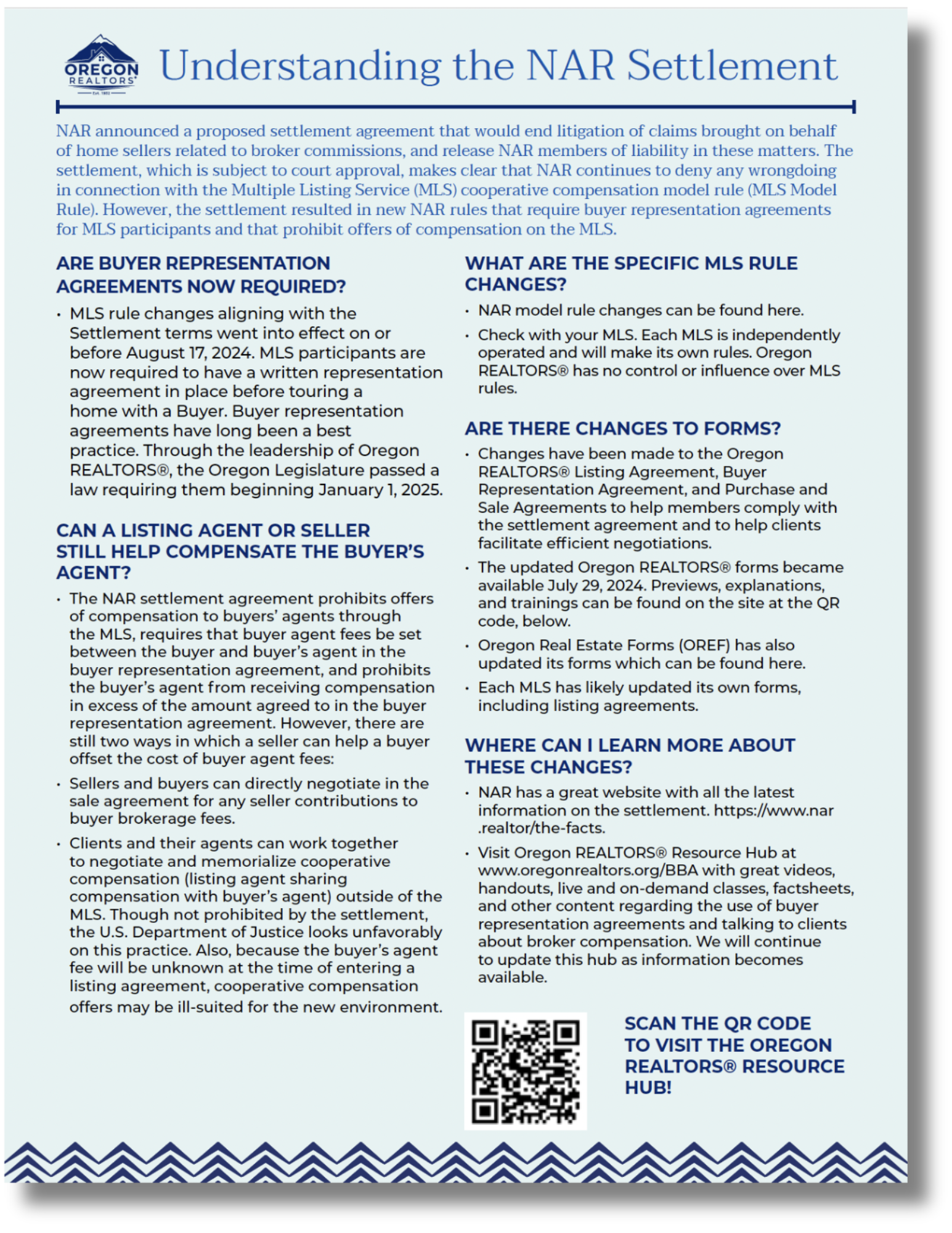
The recent nationwide settlements regarding real estate commissions have fundamentally altered how buyer agents are compensated, moving away from the long-standing model where a seller covers the commission for both the listing and buyer’s agent. In Oregon, these changes are forcing a new level of transparency that impacts how potential residents and investors approach the market.
Transparency in Brokerage Compensation
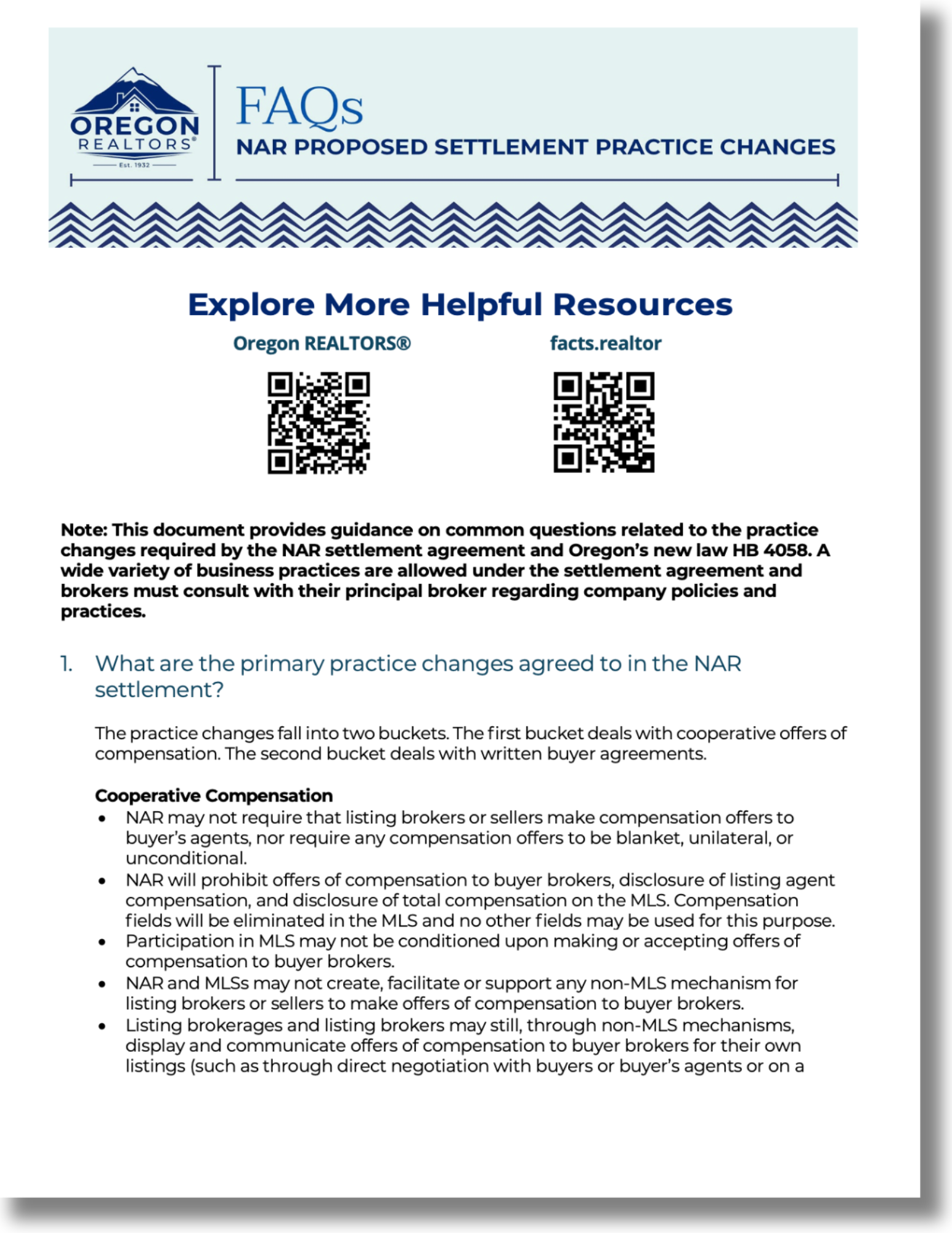
Historically, the total commission was embedded in the listing price of a property. Under the new guidelines, compensation for a buyer’s agent is no longer published on the Multiple Listing Service (MLS). This change means that buyers in cities like Portland, Bend, or Eugene must now have explicit, written agreements with their agents regarding compensation before viewing homes. For those moving from out of state, this represents a significant shift in the cost of entry and requires a deeper understanding of closing costs and professional service fees.
The Impact on Home Inventory and Pricing
As the industry adjusts, there is speculation about how this will influence property values. Some analysts suggest that removing the baked-in commission could lead to a minor deflationary pressure on listing prices. However, in high-demand areas near the Oregon Coast or the scenic Willamette Valley, market forces like limited supply continue to be the primary drivers of cost. Buyers must now negotiate their agent’s fee as a separate line item, which may require more liquid capital at the time of purchase.
Implications for Long-Term Accommodation Seekers
For those searching for long-term stays or permanent residential investments, the legal shift creates a need for greater financial literacy during the property hunt. The traditional “turnkey” experience of home buying is becoming more transactional, requiring buyers to be more assertive in their negotiations.
Budgeting for Professional Services
Previously, many buyers assumed that the cost of professional representation was fully absorbed by the seller. Now, that assumption is dangerous. If a seller is unwilling to cover the buyer’s agent’s fee, the buyer must be prepared to pay that commission out-of-pocket, which is typically not covered by a standard mortgage loan. This changes the calculus for those planning a move to Ashland or Hood River, as they must set aside additional funds specifically for professional closing services.
The Role of Real Estate Professionalism
Despite the changes in compensation models, the value of a professional guide in the Pacific Northwest real estate market remains high. Navigating local zoning laws, environmental disclosures related to protected landscapes, and the specific nuances of mountain versus valley living requires expertise. The legal changes emphasize the importance of choosing an agent who can clearly articulate their value proposition, ensuring that the buyer receives a return on the commission they are now more directly responsible for paying.
Regional Variations in the Oregon Market
The effects of the lawsuit are not felt uniformly across the state. The market in the metropolitan hub of Multnomah County operates with a different velocity than the resort-style markets found in Sunriver or Cannon Beach.
Resort Towns and Second-Home Investments
In areas known for vacation properties and luxury accommodations, the new rules are accelerating the move toward more rigorous contract negotiations. Sellers in these prestige markets are often less willing to deviate from their net proceeds, meaning the burden of buyer representation costs is shifting squarely onto the purchaser. For investors looking at Pacific City or Manzanita, the due diligence process now includes a thorough analysis of how these added professional fees impact the overall Return on Investment (ROI).
Urban Growth and Residential Shifts
In growing residential areas, such as the suburbs surrounding Salem or Beaverton, the shift is fostering a more competitive environment for buyer-agent services. Buyers are becoming increasingly savvy, comparing fee structures and service offerings between different brokerages. This newfound competition may lead to a broader range of service tiers—ranging from flat-fee limited assistance to full-service representation—allowing buyers to tailor their professional support to their specific budget and needs.

Strategic Advice for Future Property Owners
Adapting to this new reality requires a change in mindset. Prospective homeowners and investors should view the current legal landscape not as a barrier, but as an opportunity for more direct control over the transaction process.
- Interview Multiple Agents: Given the potential variance in compensation structures, it is more important than ever to interview multiple professionals. Look for agents who are transparent about their fees and can demonstrate how their services provide value above and beyond just finding a property.
- Clarify Seller Concessions: Even if a listing doesn’t explicitly offer buyer-agent compensation, it does not mean it cannot be negotiated. During the offer process, your agent should be empowered to request that the seller cover these fees as a closing concession.
- Focus on Total Acquisition Cost: When looking at a property in the Cascade Range, calculate the full cost of acquisition, including the commission fee, before making an offer. This will give you a clearer picture of your financial commitment compared to the traditional model.
The real estate market in Oregon continues to be one of the most vibrant and sought-after in the country. While the recent lawsuit has introduced a new level of complexity to the transactional side of the industry, it also encourages a more informed and empowered buyer. By understanding these shifts and planning accordingly, those looking for their next home, vacation spot, or long-term investment can move forward with confidence, knowing that they have the knowledge to navigate the evolving market successfully. Whether you are seeking a luxury escape near Mount Hood or a quiet residential life in the Willamette Valley, the fundamental principles of preparation, research, and expert guidance remain the cornerstones of a successful property journey.
LifeOutOfTheBox is a participant in the Amazon Services LLC Associates Program, an affiliate advertising program designed to provide a means for sites to earn advertising fees by advertising and linking to Amazon.com. Amazon, the Amazon logo, AmazonSupply, and the AmazonSupply logo are trademarks of Amazon.com, Inc. or its affiliates. As an Amazon Associate we earn affiliate commissions from qualifying purchases.