
Determining how far away Oregon is depends entirely on your starting point and the lens through which you view distance. Whether you are measuring by linear miles, flight hours, or the time it takes to truly “arrive” in the mindset of the Pacific Northwest, the journey to this corner of the United States is as much about the transition as it is about the destination. As a state defined by dramatic contrasts—from the craggy cliffs of the Pacific Ocean to the high-desert plateaus of the east—Oregon requires a well-planned approach to bridge the distance.

Gauging the Distance: Geographic Realities and Transit Times
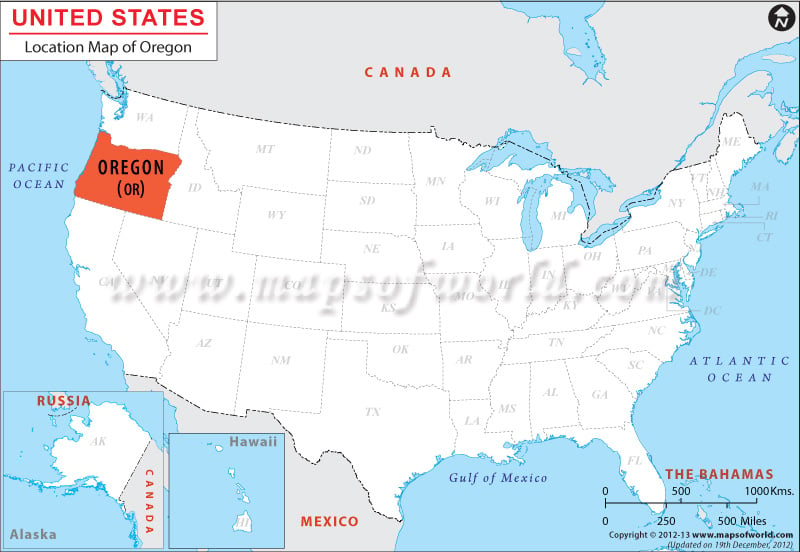
Geography dictates that for those arriving from the East Coast, the distance is significant. A flight from New York City to Portland International Airport typically spans roughly 2,500 miles, translating to approximately six hours in the air. For travelers coming from Europe or Asia, the distance becomes a transoceanic endeavor, often requiring a connecting flight through major hubs like San Francisco or Seattle.
Domestic Connectivity
Within the lower 48 states, accessibility has never been better. Most major carriers offer non-stop routes to Portland, the state’s largest urban center. If you are traveling from neighboring California, the journey is often shorter than a workday. A flight from Los Angeles is a quick two-hour jaunt, while a drive up the historic Interstate 5 offers a scenic, albeit longer, road trip experience.
The Time Zone Factor
Distance is also felt through the “time gap.” Moving from the Eastern Time Zone to the Pacific Time Zone involves losing three hours of your day. This shift is a physical reminder that you have moved to the final frontier of the continental North America. Many travelers find that the adjustment period adds a layer of “distance” to their trip, as the body acclimates to a slower, more deliberate rhythm common in Oregon.
The Road Trip Experience: Why the Distance Matters
For those who choose to traverse the distance by road, the journey becomes an integral part of the travel experience. Oregon is a state best understood through its landscapes, and arriving by car allows you to witness the gradual shifts in topography.
Approaching from the South
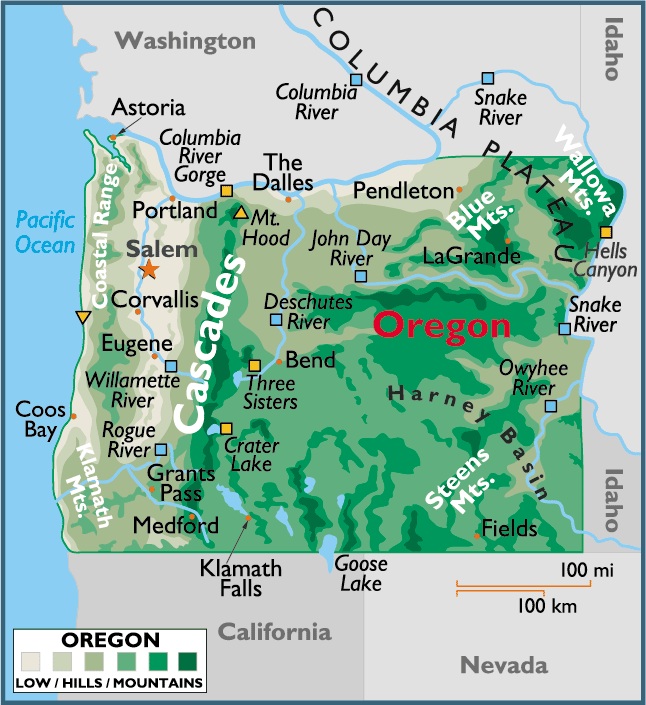
If you are driving north from Redwood National Park, you will cross the state border into the Rogue Valley. This entry point serves as a natural gateway to the Cascade Range, where the elevation begins to climb and the air grows crisp. This route emphasizes that “far away” is relative; the distance you cover is punctuated by the transition from the golden heat of Northern California to the verdant, moss-covered forests of the Pacific Northwest.
The Eastern Approach
Traveling from the interior, specifically via Idaho, presents a completely different perspective. Crossing into Eastern Oregon feels like entering an entirely different world. The landscape here is characterized by the Blue Mountains and the sprawling high desert. The sense of distance is heightened here by the vast, open horizons. It is a slow, steady progression that makes you realize how expansive the American West truly is before the terrain eventually rolls down into the Willamette Valley.
Bridging the Gap: Preparing for the Journey
Regardless of the number of miles, “far away” is ultimately a function of preparation. Oregon’s diverse geography means that the gear you need in the Columbia River Gorge in the morning might be useless on the Oregon Coast by the afternoon.
Cultural Distance
Beyond the physical travel, there is the concept of “cultural distance.” Oregon possesses a unique identity—a blend of frontier ruggedness and progressive urbanism. Whether you are exploring the independent bookstores of Powell’s City of Books or hiking the trails near Mount Hood, you are participating in a local culture that prioritizes outdoor access and environmental stewardship.
Managing Expectations of Travel
To make the distance feel shorter, prioritize your arrival point. While Portland is the primary gateway, travelers looking to explore the mountains or the high desert might find that flying into Bend or Medford brings them closer to their specific destinations, saving hours of driving time across the state’s complex, mountainous interior.
Beyond the Map: The Emotional Distance
We often measure distance in miles or kilometers, but the most profound way to measure how far away Oregon is remains the emotional reset it provides. For the weary city dweller, the state functions as a sanctuary. As you move away from the dense, frantic energy of major metropolitan hubs and find yourself staring into the abyss of Crater Lake National Park, the miles you traveled fade into insignificance.
The distance is not a barrier; it is a filter. By the time you reach the Oregon Trail path or stand beneath the towering spires of the Three Sisters, the world you left behind feels a lifetime away. This is the true allure of the region. It is far enough to be a destination, but close enough to be accessible to those who seek a deeper connection with the natural world.
When considering your travel plans, do not be intimidated by the numbers on a map. Instead, look at the transit as a bridge connecting you to one of the most ecologically diverse states in the Western United States. From the rugged Cannon Beach to the volcanic peaks of the High Cascades, the journey to Oregon is ultimately an investment in scenery, serenity, and discovery. Regardless of how far away it starts, the moment you arrive, you will find that it is exactly as close as you need it to be.
LifeOutOfTheBox is a participant in the Amazon Services LLC Associates Program, an affiliate advertising program designed to provide a means for sites to earn advertising fees by advertising and linking to Amazon.com. Amazon, the Amazon logo, AmazonSupply, and the AmazonSupply logo are trademarks of Amazon.com, Inc. or its affiliates. As an Amazon Associate we earn affiliate commissions from qualifying purchases.