
When you first encounter a Maine Coon kitten, you are immediately struck by a sense of presence that sets them apart from the average house cat. Often referred to as the “gentle giants” of the feline world, these kittens possess a unique set of physical characteristics that hint at their impressive future stature. While they may start as small bundles of fluff, their structural blueprint is undeniably robust, carrying the legacy of the rugged climate of Maine, the state from which they take their name.
Understanding what a Maine Coon kitten looks like requires an appreciation for the subtle markers of the breed. From the tufted ears that mimic those of a lynx to the disproportionately large paws that seem ready to grow into snowshoes, every feature serves a purpose. Whether you are an aspiring owner or a curious admirer, knowing what to look for can help you identify these remarkable companions during their early, formative months.

Defining Physical Characteristics of the Breed
Maine Coon kittens are not just “big cats”; they are a specific breed with distinct anatomical traits that remain consistent even in their infancy. Unlike domestic shorthairs that may have sleek, refined profiles, Maine Coon kittens often look a bit “unfinished” or oversized, which is a classic hallmark of the breed’s development.
The Face and Head Structure
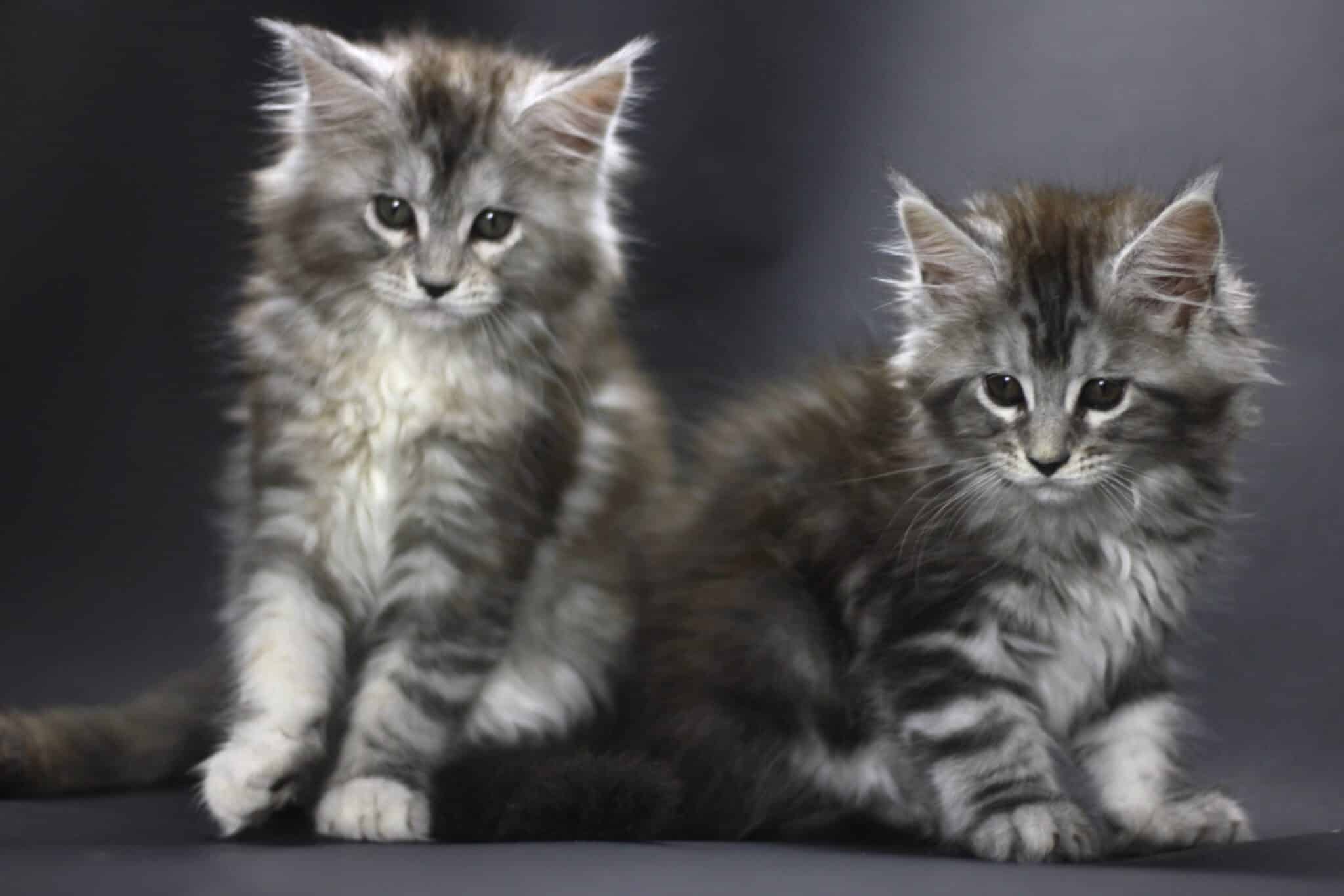
The head of a Maine Coon kitten is broad and slightly concave in profile. You will notice high, prominent cheekbones that give them a somewhat regal or intense appearance. The muzzle is a defining feature—it should be square and strong, often appearing quite pronounced against the rest of the face.
The eyes are another point of interest; they are large, expressive, and set slightly at an oblique angle. While most kittens are born with blue eyes that eventually transition to their permanent adult shade (often shades of green, gold, or copper), the Maine Coon’s gaze is famously inquisitive. Perhaps most iconic are the ears. Even as kittens, their ears are large and set high on the head, often sporting “lynx tips”—tufts of fur at the very top that provide an early indication of their majestic lineage.
Fur Texture and Coat Patterns
The Maine Coon coat is designed for survival in harsh environments. As kittens, this coat is often silky, shaggy, and uneven. You will notice that their fur is not of a uniform length; it is generally shorter on the shoulders and longer on the stomach and britches (the fur on the back legs).
While they come in a vast array of colors and patterns—including solid, tabby, smoke, and shaded varieties—the texture is the true giveaway. A purebred Maine Coon kitten will often exhibit a water-resistant quality to their coat even at a young age, feeling slightly oily or dense rather than fluffy like a Persian cat. By the time they are a few months old, a ruff of fur around the neck often begins to appear, giving them the appearance of a tiny lion cub.
The Significance of Growth and Skeletal Structure
One of the most fascinating aspects of owning a Maine Coon is the extended growth period. Unlike many cat breeds that reach physical maturity by twelve months, Maine Coons continue to grow and fill out until they are three to five years old.
The “Big Paw” Phenomenon
If you look at a Maine Coon kitten and think, “Their paws look way too big for their body,” you are observing a standard trait. These oversized paws are equipped with extra tufts of fur between the toes, which historically functioned as natural snowshoes. Breeders often look at the size of a kitten’s paws as a primary indicator of how large the cat will become. A kitten with wide, sturdy feet is almost certainly destined to become a substantial adult.
Body Length and Musculature
Even as babies, Maine Coon kittens have long, rectangular bodies. They are not as compact or “cobby” as other breeds. When you hold a Maine Coon kitten, you can feel the underlying muscle tone. Their bone structure is heavy and thick, reflecting the breed’s heritage as working cats in the United States. Their tails are also notably long and bushy, often equaling the length of their body when fully extended, serving as a balance tool and a blanket for when the cat curls up to sleep.
Developmental Milestones and Behavioral Indicators
Beyond the visual, the “look” of a Maine Coon kitten is complemented by their specific behavioral maturity. They are known for being exceptionally social and interactive, often displaying a level of confidence that matches their physical size.
Early Socialization and Personality
Maine Coon kittens often look directly at their human companions with a steady, intelligent gaze. They are not shy, shrinking violets; they are curious explorers. You will often see them perched in high places, observing their environment with a methodical, dog-like curiosity. This personality trait is so prevalent that enthusiasts often describe the breed as having a “dog-like” demeanor. They want to be involved in whatever you are doing, from working at a desk to preparing dinner in the kitchen.
Vocalizations and Communication
Their physical appearance is often paired with a surprising vocal range. Maine Coon kittens rarely meow in the traditional sense; instead, they produce soft, melodic chirps, trills, and warbles. If you notice a kitten that looks like a Maine Coon but is also constantly “talking” to you with these bird-like sounds, it is a very strong indicator of their breed.
Practical Considerations for Future Owners
When you are preparing to bring a Maine Coon kitten into your home, it is essential to manage your expectations regarding their grooming and space requirements. Because of their unique coat and size, they require more maintenance than the average feline.
Grooming Requirements
Because their fur is shaggy and prone to matting, especially behind the ears and on the belly, you should start grooming your kitten early. Getting them accustomed to being brushed while they are still in their kitten phase is crucial. This not only keeps their coat healthy but also serves as a bonding activity. The “look” of a well-groomed Maine Coon—full, flowing, and clean—is the result of consistent care starting from their early months.
Space and Exercise
Even as kittens, these cats are energetic and need space to climb and run. They are not sedentary animals. Providing cat trees, scratching posts, and interactive toys is necessary to satisfy their physical needs. Because they are large, ensure that the furniture you provide is stable; a growing Maine Coon kitten will quickly outpace flimsy, lightweight structures.

Identifying Quality
When selecting a kitten, it is vital to source from reputable breeders who prioritize health testing. Maine Coons are predisposed to certain genetic conditions, such as Hypertrophic Cardiomyopathy (HCM) and Hip Dysplasia. A responsible breeder will be able to show you the lineage of the kitten and provide health documentation. The “look” of a healthy kitten is one of bright, clear eyes, a clean coat, and a playful, alert demeanor. If a kitten appears lethargic, has runny eyes, or shows signs of respiratory distress, these are red flags regardless of how closely they resemble the breed standards.
Ultimately, the beauty of a Maine Coon kitten lies in the promise of the companion they will become. They are a blend of wild, rugged aesthetics and domesticated, affectionate temperament. As you watch them grow, you will see the subtle changes in their facial structure, the slow lengthening of their tail, and the deepening of their coat. These visual transformations are part of the journey of owning one of the most beloved cat breeds in the world, a creature that bridges the gap between the untamed spirit of the North American wilderness and the comfort of the modern home.
LifeOutOfTheBox is a participant in the Amazon Services LLC Associates Program, an affiliate advertising program designed to provide a means for sites to earn advertising fees by advertising and linking to Amazon.com. Amazon, the Amazon logo, AmazonSupply, and the AmazonSupply logo are trademarks of Amazon.com, Inc. or its affiliates. As an Amazon Associate we earn affiliate commissions from qualifying purchases.