
Navigating the bustling streets of New York City, often heralded as the “Capital of the World,” requires more than just a subway map and a sense of adventure; it demands an understanding of its temporal rhythm. For travelers, business professionals, and even curious minds planning a future visit, knowing “what time is it in New York Time?” is not merely a question of checking a clock, but a fundamental aspect of planning, experiencing, and truly immersing oneself in the vibrant pulse of this iconic metropolis.
New York City operates on Eastern Time, a critical piece of information that dictates everything from flight schedules and hotel check-ins to Broadway showtimes and the opening bells of Wall Street. This comprehensive guide delves into the nuances of New York Time, its implications for travel and tourism, and how understanding it can elevate your New York experience from simply visiting to truly living the New York City lifestyle.
Understanding Eastern Time: New York’s Temporal Anchor
At the heart of New York City’s temporal framework is Eastern Time. This time zone serves as the standard across much of the eastern United States and Canada, influencing millions daily.
The Basics of EST and EDT
Eastern Time alternates between two designations throughout the year:
- Eastern Standard Time (EST): Observed during the fall and winter months, EST is five hours behind Coordinated Universal Time (UTC) (UTC-5). This is the base time.
- Eastern Daylight Time (EDT): Introduced during spring and summer, EDT shifts forward by one hour, making it four hours behind Coordinated Universal Time (UTC) (UTC-4). This change, commonly known as Daylight Saving Time, aims to make better use of daylight hours.
The transition typically occurs on the second Sunday in March, when clocks “spring forward” one hour, and on the first Sunday in November, when they “fall back” one hour, returning to EST. While a seemingly minor adjustment, these shifts have significant implications for travel planning, particularly for international visitors or those with tight schedules involving connections or timed entries. Always confirm whether New York City is currently observing EST or EDT if your trip falls around these transition periods.
Global Time Zones and New York’s Place
To fully appreciate New York City’s time, it’s helpful to place it within the global context. Coordinated Universal Time (UTC), often conceptually linked with Greenwich Mean Time (GMT), serves as the primary time standard by which the world regulates clocks and time. With New York City at UTC-5 (EST) or UTC-4 (EDT), its relation to other major global hubs becomes clear:
- London / Paris: Generally 5 to 6 hours ahead of New York.
- Tokyo: Typically 13 to 14 hours ahead of New York.
- Los Angeles: 3 hours behind New York (Pacific Time).
- Chicago: 1 hour behind New York (Central Time).
- Denver: 2 hours behind New York (Mountain Time).

These differences are more than mere trivia; they are crucial for coordinating international calls, understanding flight arrival and departure times in local contexts, and mentally preparing for the time shift when traveling to or from New York City.
Why Knowing New York Time Matters for Travelers
For anyone planning a trip to the Empire State, mastering New York Time is paramount. It influences every facet of the travel experience, from booking to sightseeing, and even your personal well-being.
Seamless Travel Planning and Logistics
Travel logistics are inherently tied to time zones. When booking flights, especially those with connections or international legs, understanding the local time at each point of your journey is essential. A flight departing London at 3 PM GMT will arrive in New York (roughly 5 hours behind) at an entirely different local time, potentially the same day or the next, depending on flight duration. For a seamless experience:
- Flight Schedules: Always confirm arrival and departure times in the local time zone of the airport. Online booking engines usually do this automatically, but a manual check can prevent miscalculations.
- Hotel Check-in/Check-out: Most hotels, including luxury establishments like The Plaza Hotel or boutique options such as Moxy NYC Times Square, adhere to standard check-in times around 3 PM or 4 PM local time and check-out around 11 AM or 12 PM local time. Arriving much earlier or later than anticipated might require special arrangements or incur additional fees.
- Ground Transportation: Whether pre-booking an airport transfer, coordinating with ride-sharing services, or catching a train, all schedules are based on New York Time. Delays due to time zone confusion can lead to missed connections or unnecessary waiting.
- Tours and Experiences: Pre-booked tours, such as a ferry to the Statue of Liberty or a guided walk through Central Park, will strictly operate on New York Time. Missing your slot due to a time miscalculation can be disappointing and costly.
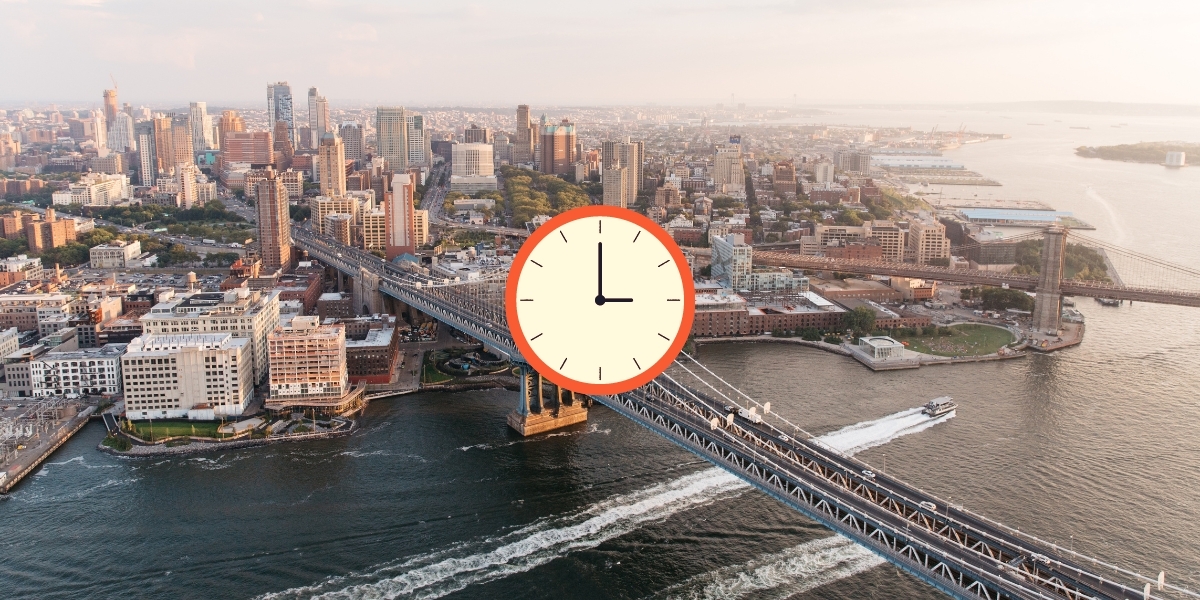
Maximizing Your New York Experience: Attractions and Activities
New York City’s myriad attractions and activities each have specific operating hours, all governed by Eastern Time. To truly maximize your visit, strategic planning around these hours is crucial.
- Iconic Landmarks: The Empire State Building often opens early and closes late, offering breathtaking views from dawn till well past dusk. Museums like the Metropolitan Museum of Art or the Museum of Modern Art (MoMA) have more conventional opening and closing times, often with specific days for extended evening hours.
- Broadway Shows: A quintessential New York experience, Broadway shows typically have evening performances starting between 7 PM and 8 PM, with matinees on Wednesdays, Saturdays, and Sundays. Booking tickets and planning pre-theater dinners requires a firm grasp of the local clock.
- Dining: From early bird breakfast spots in Greenwich Village to late-night bites in Times Square, restaurant hours vary significantly. Knowing the local time helps you secure reservations for popular eateries during peak dining hours (typically 6 PM to 9 PM).
- Nightlife: The city that never sleeps truly comes alive after dark. Bars, clubs, and music venues across Manhattan and Brooklyn operate well into the early morning hours, offering endless entertainment options for those aligned with local time.

Conquering Jet Lag and Embracing Local Rhythms
For international travelers, especially those crossing multiple time zones, jet lag is an inevitable challenge. However, by understanding New York Time and proactively adjusting, you can minimize its impact and quickly embrace the city’s rhythms.
- Pre-adjustment: A few days before your trip, try to gradually shift your sleep schedule towards New York Time.
- On Arrival: Immediately adopt the local time for meals and sleep. Exposure to natural light during New York daylight hours and avoiding heavy meals close to your usual bedtime can aid adjustment.
- Hydration and Moderation: Staying hydrated and limiting caffeine and alcohol can significantly help manage jet lag symptoms, allowing you to enjoy your first few days in the city more fully.
- Power Naps: Short power naps (20-30 minutes) can be beneficial, but avoid long naps that might further disrupt your sleep cycle.
Accommodating to New York Time: Hotels and Hospitality
The hospitality sector in New York City is acutely aware of the complexities time zones present to travelers. Hotels, from luxurious suites to budget-friendly apartments, are designed to help guests adapt.
Check-in, Check-out, and Hotel Amenities
Hotels generally adhere to strict check-in and check-out times to manage room availability and cleaning schedules. However, most are flexible and understanding of travel constraints:
- Early Check-in/Late Check-out: If your flight arrives early or departs late, consider contacting your hotel – whether it’s the Four Seasons Hotel New York Downtown or a more modest apartment rental – in advance. While not always guaranteed, they may accommodate requests based on availability, sometimes for an additional fee. Luggage storage is almost always available for early arrivals or late departures.
- 24-Hour Services: Many New York City hotels, particularly those catering to international guests, offer 24-hour concierge, room service, and fitness centers. This allows travelers to access services regardless of their internal clock, helping them ease into the local schedule.
- In-Room Clocks and Wi-Fi: Modern hotels often provide in-room clocks that automatically adjust to local time. Reliable Wi-Fi is also standard, enabling guests to easily check the time on their devices and stay connected globally without confusion.
Dining and Entertainment Schedules
New York City’s diverse culinary and entertainment scene operates on a schedule that can accommodate nearly any preference, yet understanding peak times is key for planning.
- Breakfast and Brunch: While some hotels offer early breakfast, popular brunch spots, especially in neighborhoods like the Lower East Side or West Village, get very busy from 10 AM to 2 PM on weekends.
- Lunch Rush: Weekday lunches, particularly in business districts like Midtown or Financial District, are busiest from 12 PM to 1:30 PM.
- Dinner Reservations: For popular restaurants, dinner reservations are highly recommended, especially between 7 PM and 9 PM. However, New York also excels at late-night dining, with many establishments serving food until midnight or later, perfect for those still adjusting to the time zone.
- Entertainment: Beyond Broadway, the city offers countless live music venues, comedy clubs, and performance spaces. Checking their local showtimes and planning your evening accordingly ensures you don’t miss out on New York’s legendary nightlife.
Living the New York Lifestyle: Time’s Influence on Daily Life
New York City’s reputation as “the city that never sleeps” is intimately tied to its time zone and the fast-paced lifestyle it cultivates. Understanding this rhythm is key to truly experiencing the city as a local.
Business and Finance in the City That Never Sleeps
New York City is a global financial powerhouse, with Wall Street serving as a central nervous system for international commerce.
- Trading Hours: The New York Stock Exchange (NYSE) and NASDAQ operate on Eastern Time, opening at 9:30 AM and closing at 4:00 PM. These hours set the pace for financial markets worldwide, requiring global investors and traders to align their operations with New York Time.
- Global Connectivity: For business travelers, navigating meetings and conferences across multiple time zones is a daily reality. The Eastern Time zone positions New York uniquely, allowing for significant overlap with business hours in Europe in the morning and a slight overlap with Pacific Coast cities in the afternoon. This makes New York City an optimal hub for international business.
Cultural Immersion and Evening Delights
The city’s vibrant culture is inextricably linked to its temporal rhythm. From dawn till well past midnight, New York offers a kaleidoscope of experiences.
- Morning Rush: Experience the authentic New Yorker lifestyle by joining the morning commute, grabbing a coffee, and witnessing the city awaken. Early morning is also an excellent time to visit popular landmarks like Times Square or the Brooklyn Bridge before the crowds descend.
- Daytime Explorations: Utilize the daylight hours for exploring museums, galleries, shopping districts, and iconic sites such as Rockefeller Center, Grand Central Terminal, or the 9/11 Memorial & Museum.
- Evening Culture: The true essence of New York often reveals itself after sunset. Attending a Broadway show, enjoying jazz in Harlem or a rooftop bar in Midtown, or simply taking a stroll through the illuminated streets, provides a different perspective of the city’s energy.
- Flexibility: The beauty of New York City is its ability to cater to every schedule. Whether you’re an early riser eager to catch the sunrise over the East River or a night owl drawn to the late-night eateries and entertainment, the city’s operational hours are designed to accommodate a diverse population and global visitors.
In conclusion, understanding “what time is it in New York Time?” is more than a simple query. It’s a gateway to efficient travel planning, enhanced tourism experiences, seamless accommodation, and a deeper immersion into the unique New York City lifestyle. By respecting its temporal rhythm, travelers can unlock the full potential of their visit, ensuring every moment in the city that never sleeps is spent wisely and wonderfully. Always double-check current EST or EDT status, adjust your internal clock, and prepare to synchronize with one of the world’s most dynamic urban environments.
LifeOutOfTheBox is a participant in the Amazon Services LLC Associates Program, an affiliate advertising program designed to provide a means for sites to earn advertising fees by advertising and linking to Amazon.com. Amazon, the Amazon logo, AmazonSupply, and the AmazonSupply logo are trademarks of Amazon.com, Inc. or its affiliates. As an Amazon Associate we earn affiliate commissions from qualifying purchases.