
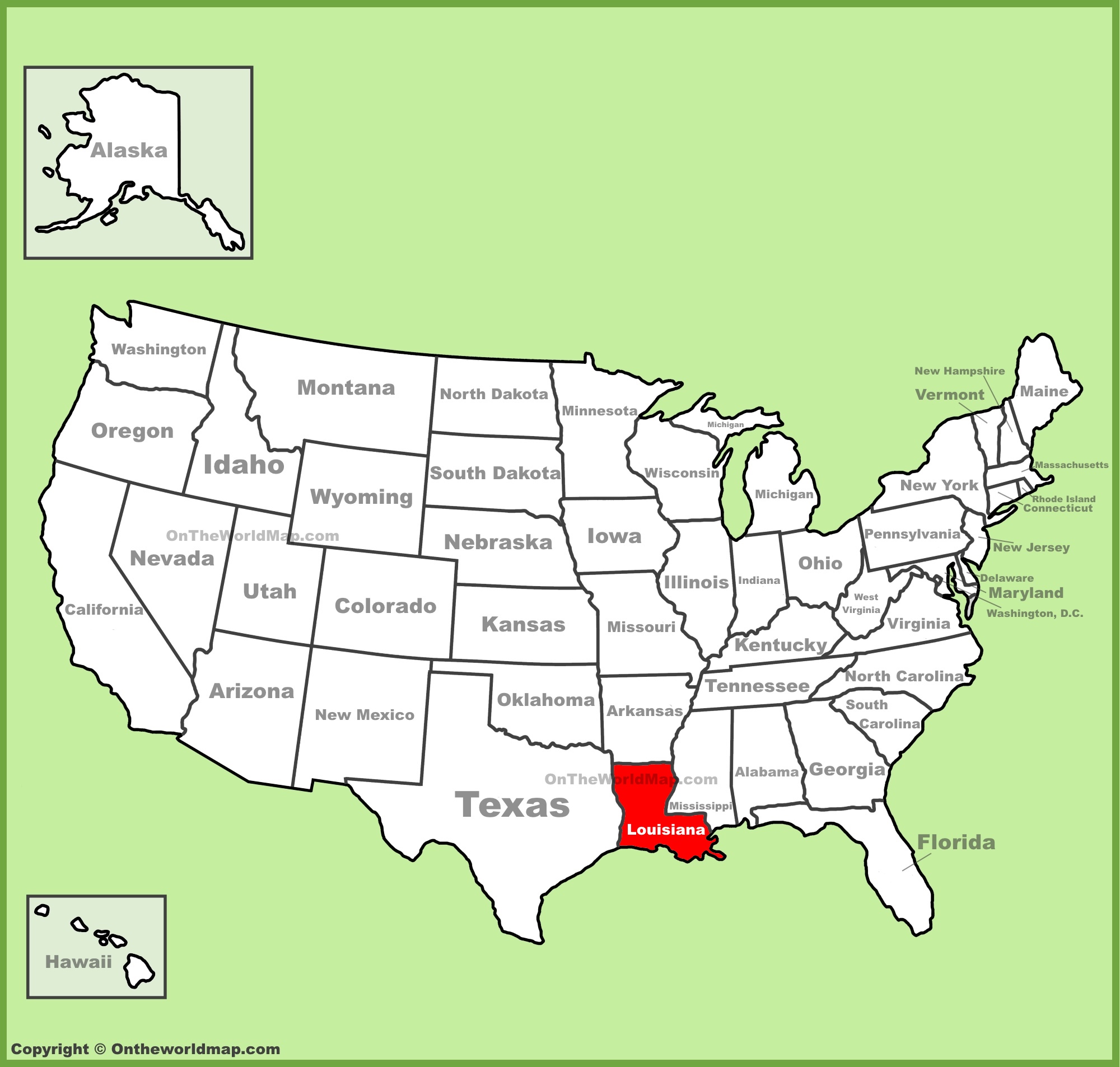
Nestled along the Gulf of Mexico in the South-Central region of the United States, Louisiana is far more than just a dot on a map. It’s a vibrant, culturally rich tapestry woven from French, Spanish, African, and Native American threads, offering an unparalleled travel experience. Often referred to as the Pelican State, it’s a destination that tantalizes the senses with its unique blend of history, music, and world-renowned cuisine. For anyone planning a trip, considering accommodation options, or simply curious about diverse United States destinations, understanding where Louisiana is situated and what makes it special is the first step toward an unforgettable adventure.
From the bustling streets of New Orleans to the serene beauty of its bayous, Louisiana promises a journey unlike any other. This guide will delve into its geographical significance, cultural hallmarks, iconic landmarks, and provide essential insights for planning your visit, ensuring you can fully immerse yourself in the Pelican State’s captivating charm.
Unveiling the Pelican State: A Geographical and Cultural Overview
Louisiana’s distinctive character is deeply rooted in its geography and a history shaped by centuries of diverse influences. Its location has not only defined its physical landscape but also sculpted its unique identity, making it a pivotal point for tourism and cultural exploration.
Locating Louisiana on the Map
Geographically, Louisiana is situated in the South-Central United States, bordering Texas to the west, Arkansas to the north, Mississippi to the east, and the Gulf of Mexico to the south. This coastal positioning has profoundly influenced its climate, ecology, and economy, making it a hub for maritime activities and a region rich in natural resources.
The state is famously defined by the mighty Mississippi River, which snakes its way through the state, creating fertile deltas and an intricate network of bayous, swamps, and wetlands that are unparalleled in North America. These unique aquatic environments are not only crucial for the state’s ecosystem but also offer breathtaking landscapes and opportunities for eco-tourism. The flat topography, punctuated by these waterways, creates a distinct sense of place, unlike any other state. This geographic singularity is a major draw for travelers seeking authentic natural experiences.
A Rich Tapestry of History and Heritage
Louisiana’s history is as intricate and winding as its bayous. Originally inhabited by various Native American tribes, the state’s modern identity began to take shape with French colonization in the late 17th and early 18th centuries. This period introduced the French language, Catholic traditions, and architectural styles that remain prominent today. The subsequent Spanish rule brought additional cultural layers, contributing to the development of Creole culture, a vibrant fusion of European, African, and Caribbean influences.
Perhaps the most significant historical event was the Louisiana Purchase in 1803, which saw the United States acquire a vast territory from France, fundamentally changing the nation’s landscape. This complex history has bequeathed Louisiana an incredibly diverse heritage, reflected in its unique legal system (based on Napoleonic Code rather than common law), its distinctive dialects like Cajun French and Creole, and its celebrated culinary traditions. Exploring Louisiana is, in essence, a journey through time, where every street corner and every bite of food tells a story of cultural amalgamation and resilience.
Exploring Louisiana’s Diverse Destinations and Iconic Landmarks
From bustling urban centers to serene natural landscapes, Louisiana offers a wealth of destinations and landmarks that cater to every type of traveler. Whether you’re drawn to historical sites, vibrant nightlife, or natural beauty, the Pelican State delivers memorable experiences.
New Orleans: The Crown Jewel
No discussion of Louisiana is complete without spotlighting New Orleans, the state’s largest city and arguably its most famous destination. A true cultural melting pot, New Orleans pulsates with a unique energy that captures the imagination. The historic French Quarter, with its iconic wrought-iron balconies and pastel-colored buildings, is a living museum, inviting visitors to wander its cobblestone streets. Here, landmarks like Jackson Square and the majestic St. Louis Cathedral stand testament to the city’s rich past.
Bourbon Street lights up at night with live jazz, blues, and an infectious party atmosphere, making it a magnet for those seeking lively entertainment. Beyond the revelry, New Orleans is a culinary paradise, famous for its Creole and Cajun dishes, from savory Gumbo and Jambalaya to sweet Beignets. The city also hosts the legendary Mardi Gras, an annual spectacle of parades, music, and elaborate costumes that draws millions. For those seeking a blend of history, gastronomy, and vibrant culture, New Orleans is an indispensable stop. Accommodation in New Orleans ranges from opulent historic hotels in the French Quarter to charming boutique stays in the Garden District, ensuring a perfect fit for any luxury or budget travel preference.
Beyond the Big Easy: Baton Rouge, Lafayette, and More
While New Orleans often takes center stage, Louisiana offers a wealth of other fascinating cities and towns, each with its own distinct flavor.
- Baton Rouge: As the state capital, Baton Rouge offers a mix of political history and southern charm. Visitors can explore the magnificent Old State Capitol, a gothic-revival fortress overlooking the Mississippi River, or tour the sprawling campus of Louisiana State University (LSU). The USS Kidd, a preserved WWII destroyer, offers a unique historical experience.
- Lafayette: Known as the heart of Acadiana, Lafayette is the epicenter of Cajun culture. Here, you can immerse yourself in traditional Cajun music, sample authentic Cajun food, and experience living history at Vermilionville, a cultural preservation center. It’s an essential destination for those eager to delve deeper into Louisiana’s unique heritage.
- Shreveport and Bossier City: Located in Northwest Louisiana along the Red River, these sister cities are known for their lively entertainment, riverboat casinos, and vibrant arts scene, offering a different side of the Pelican State’s lifestyle.
- Lake Charles: Situated in Southwest Louisiana, Lake Charles is a hub for casino resorts and offers access to beautiful Gulf Coast beaches, providing a relaxed coastal experience.
- Natchitoches: As the oldest permanent European settlement in Louisiana, Natchitoches boasts a charming historic district and is famous for its annual Christmas Festival of Lights, making it a picturesque destination year-round.
Natural Wonders and Outdoor Adventures
Beyond its urban centers, Louisiana’s natural landscape offers incredible opportunities for outdoor enthusiasts. The state’s extensive network of bayous and swamps, particularly the vast Atchafalaya Basin—the largest river swamp in North America—provides unique environments for wildlife viewing, kayaking, and exhilarating airboat tours where you can spot alligators in their natural habitat.
Plantation tours, such as the famous Oak Alley Plantation with its iconic canopy of live oaks, or the historically rich Laura Plantation, offer a glimpse into the antebellum South, blending architectural grandeur with often sobering historical narratives. These sites are not just landmarks; they are windows into a significant, albeit complex, period of American history. For coastal lovers, the Gulf of Mexico shores provide opportunities for fishing, birdwatching, and enjoying the sun, showcasing Louisiana’s diverse environmental offerings.
Indulging in Louisiana’s Unique Lifestyle and Culinary Delights
Louisiana’s unique lifestyle is a fusion of its diverse cultural heritage, expressed most vibrantly through its music, festivals, and above all, its food. This is a state where life is lived with passion and flavor, making it a premier destination for tourism focused on sensory experiences.
A Gastronomic Journey
Louisiana is a culinary heavyweight, renowned worldwide for its distinctive Cajun and Creole cuisines. These are not merely styles of cooking; they are expressions of culture, passed down through generations. Travelers embarking on a gastronomic journey through Louisiana will discover an explosion of flavors:
- Gumbo: A hearty stew, often made with a dark roux, seafood, chicken, or sausage, and served over rice.
- Jambalaya: A flavorful rice dish, akin to paella, loaded with various meats and vegetables.
- Étouffée: Typically crawfish or shrimp smothered in a rich, savory sauce, served over rice.
- Po’boys: Iconic sandwiches served on crusty French bread, filled with fried shrimp, oysters, or roast beef.
- Beignets: Square pieces of fried dough, heavily dusted with powdered sugar, best enjoyed with a cup of café au lait, particularly at the famous New Orleans establishments.
Seafood, especially oysters, shrimp, and crawfish, plays a starring role in Louisiana diets, with seasonal crawfish boils being a quintessential social event. From high-end fine dining in New Orleans to humble local eateries in Acadiana, every meal is an experience. Food festivals abound throughout the year, celebrating everything from strawberries to seafood, making it easy to plan your trip around specific culinary delights.
The Rhythms of Louisiana: Music and Festivals
Music is the soul of Louisiana. It’s the birthplace of jazz, a fertile ground for blues, and the home of unique indigenous genres like Zydeco and Cajun music. Live music venues, particularly in New Orleans’ French Quarter and along Frenchmen Street, offer nightly performances that captivate audiences with their raw emotion and infectious rhythms.
The state’s calendar is packed with festivals that celebrate its rich cultural heritage. Beyond the world-famous Mardi Gras, significant events include the New Orleans Jazz & Heritage Festival, a multi-day celebration of music, food, and culture, and the Festival International de Louisiane in Lafayette, which showcases Francophone cultures from around the world. These festivals offer incredible insights into the local lifestyle, providing opportunities to dance, eat, and celebrate alongside residents.
Choosing Your Louisiana Lifestyle Experience
Louisiana caters to a spectrum of travel lifestyles:
- Luxury Travel: Indulge in exquisite boutique hotels, private culinary tours, and exclusive access to cultural events. High-end resorts offer unparalleled comfort and service, allowing for a truly pampered experience.
- Budget Travel: Explore charming hostels, enjoy delicious and affordable local eateries, and take advantage of numerous free attractions like wandering historic districts or enjoying street music. Public transport and walking tours can help keep costs down.
- Family Trips: Louisiana offers a range of family-friendly activities, from aquariums and children’s museums to educational plantation tours and exciting bayou excursions that captivate all ages.
- Business Stays: For business travelers, major cities like New Orleans and Baton Rouge offer state-of-the-art convention centers and corporate hotels. Many blend work with leisure, allowing for exploration of local culture after hours.
Planning Your Stay: Accommodation and Travel Tips
Embarking on a journey to Louisiana requires some thoughtful planning to maximize your experience. From selecting the perfect place to stay to understanding the best time to visit, these tips will help ensure a smooth and enjoyable trip.
Navigating Accommodation Options
Louisiana offers a diverse range of accommodation options to suit every budget and preference, reflecting its vibrant tourism industry.
- Hotels: From well-known international chains to luxurious resorts, the state provides a broad spectrum. In New Orleans, you can find iconic luxury establishments like the Four Seasons Hotel New Orleans or The Roosevelt New Orleans, A Waldorf Astoria Hotel, offering world-class amenities and services. Outside the major cities, comfortable hotels and motels are readily available.
- Boutique Hotels: For those seeking unique charm and personalized service, boutique hotels, often housed in historic buildings, offer an authentic Louisiana experience. These properties frequently feature distinctive decor and local touches.
- Bed and Breakfasts (B&Bs): Especially popular in historic districts like the French Quarter or Natchitoches, B&Bs provide a cozy, home-like atmosphere with a personal touch from local hosts who can offer invaluable insights into the area.
- Vacation Rentals: Options like apartments, villas, or entire homes are ideal for families, groups, or those planning a long-term stay. They offer more space, privacy, and often kitchen facilities, which can be a significant cost-saver.
- Reviews and Comparison: Before booking any accommodation, it’s always advisable to read reviews and compare prices across different platforms. This ensures you find the best value and a stay that perfectly matches your expectations and needs.
Essential Travel Tips for the Pelican State
To make the most of your Louisiana adventure, consider these practical travel tips:
- Best Time to Visit: The ideal times to visit Louisiana are spring (March to May) and fall (September to November). During these seasons, the weather is mild and pleasant, perfect for exploring. Summers can be very hot and humid, with a higher chance of tropical storms or hurricanes. Winter offers cooler temperatures and fewer crowds, though it can still be chilly, especially in the north.
- Transportation: While walking is the best way to explore compact city centers like the New Orleans French Quarter, renting a car is highly recommended for exploring rural areas, plantations, and multiple cities across the state. Public transportation is available in larger cities but might not reach all attractions. Ride-sharing services are also prevalent.
- Packing Essentials: Pack light, breathable clothing, especially if visiting outside of winter. Comfortable walking shoes are a must. Don’t forget insect repellent, particularly if planning bayou tours, and sunscreen for sunny days. A reusable water bottle is also a good idea.
- Safety Tips: Like any popular tourist destination, it’s wise to be aware of your surroundings, especially in crowded areas or at night. Keep valuables secure and be cautious of common tourist scams.
- Embracing Local Customs: Louisiana residents are known for their hospitality and friendly demeanor. Embrace the local pace of life, engage with locals, and don’t be afraid to try new things, especially when it comes to food and music. A simple “Laissez les bons temps rouler!” (Let the good times roll!) goes a long way.
In conclusion, Louisiana is more than just a location; it’s an immersive experience that engages all the senses. Its position in the United States has allowed it to cultivate a unique identity, offering travelers everything from historical grandeur and vibrant city life to pristine natural beauty and unparalleled culinary adventures. By understanding its geographical and cultural context, and planning your trip with these tips in mind, you’re set to discover why the Pelican State remains one of America’s most captivating destinations.
LifeOutOfTheBox is a participant in the Amazon Services LLC Associates Program, an affiliate advertising program designed to provide a means for sites to earn advertising fees by advertising and linking to Amazon.com. Amazon, the Amazon logo, AmazonSupply, and the AmazonSupply logo are trademarks of Amazon.com, Inc. or its affiliates. As an Amazon Associate we earn affiliate commissions from qualifying purchases.