
For motorcyclists navigating the bustling roadways and scenic routes of the Lone Star State, understanding the nuances of traffic laws is paramount. One particular practice that often sparks debate and confusion is lane splitting. The short answer for riders contemplating this maneuver in Texas is straightforward: No, lane splitting is currently illegal in Texas. This definitive stance is crucial for both residents and visitors alike, influencing everything from daily commutes in cities like Houston and Dallas to leisurely rides through the picturesque Texas Hill Country.
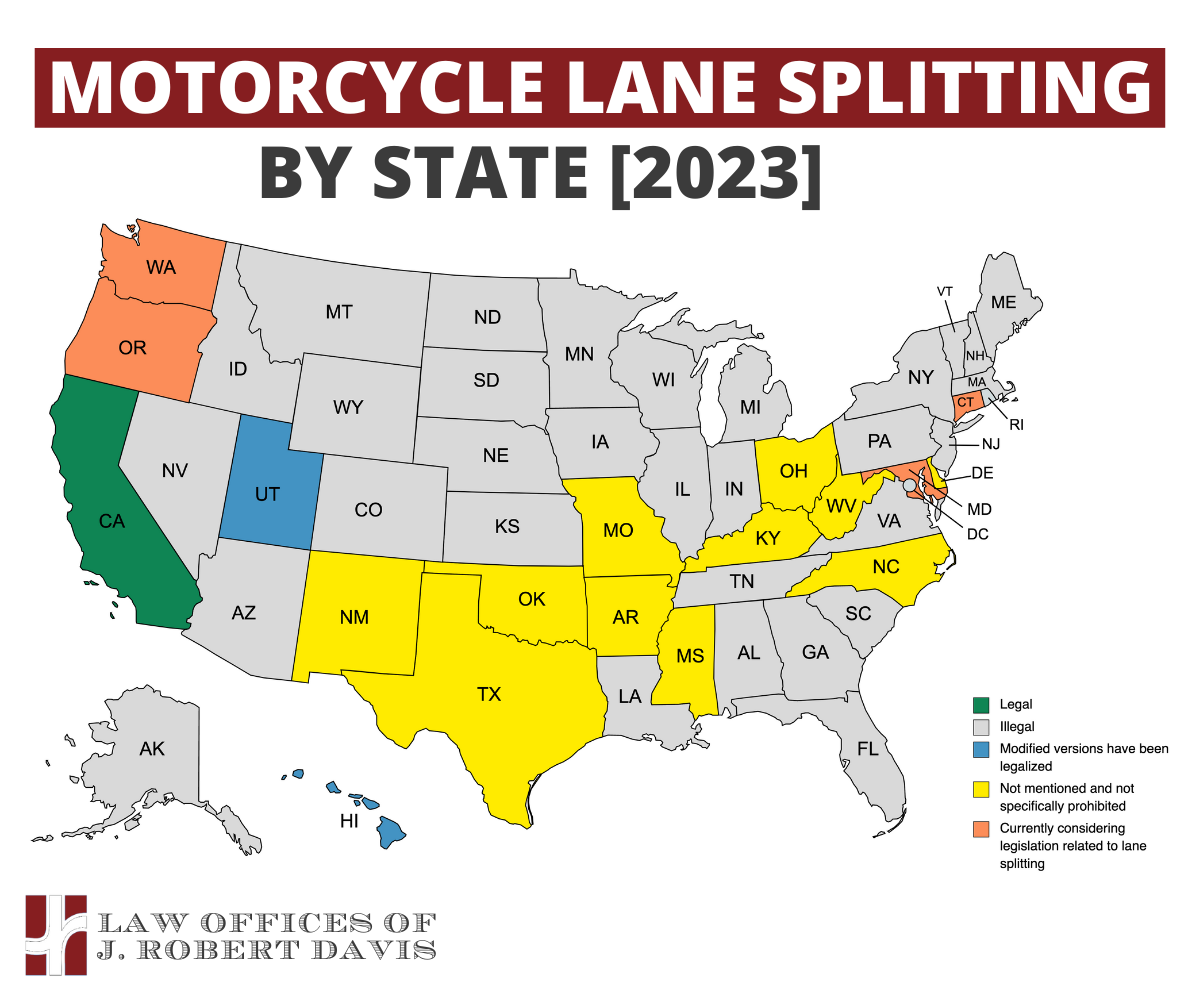
The legality of lane splitting varies significantly across the United States, and a handful of states have adopted different approaches, ranging from full legality to specific conditional allowances. However, Texas remains firmly in the camp where motorcycles are expected to occupy the full width of a single lane, just like any other vehicle. This article delves into what lane splitting entails, why Texas maintains its current law, safety considerations, and how this regulation shapes the broader motorcycling experience across this vast and diverse state.
Understanding Lane Splitting and Its Legal Landscape
Lane splitting, also known as white-lining, is the practice of a motorcyclist riding between lanes of stopped or slowly moving traffic. Typically, this occurs on a multi-lane road or highway, with the motorcyclist proceeding forward between rows of cars. The motivations behind lane splitting are varied, often cited as a way to alleviate traffic congestion, help motorcyclists avoid overheating in stop-and-go traffic (especially relevant in Texas’s scorching summers), and potentially reduce the risk of rear-end collisions.
It’s important to distinguish lane splitting from other related, but distinct, practices:
- Lane Filtering: This is a slower-speed version of lane splitting, usually performed when traffic is stopped, such as at a red light. The motorcyclist moves to the front of the queue. While also generally illegal in Texas, some states differentiate between the two, allowing filtering but not high-speed splitting.
- Lane Sharing (Riding Two Abreast): This refers to two motorcyclists riding side-by-side in the same lane. This practice is typically legal in most states, including Texas, provided they do not impede traffic or occupy more than the normal width of a single lane. The Texas Transportation Code generally allows two motorcycles to ride abreast in a single lane.
The legal status of lane splitting has been a subject of intense debate, with advocates pointing to studies suggesting it can enhance safety by removing motorcycles from the most vulnerable position in traffic (the rear of a queue) and improving traffic flow. Opponents, however, raise concerns about the surprise factor for drivers, the reduced reaction time in emergencies, and the increased risk of accidents due to proximity to other vehicles and road debris.
The Law in Texas: What Riders Need to Know
The Texas Transportation Code does not explicitly mention “lane splitting” by name, but its provisions effectively prohibit the practice. Section 545.060, regarding driving on roadways laned for traffic, states that a vehicle “shall be driven entirely within a single lane” and “may not be moved from the lane unless the operator has first ascertained that the movement can be made safely.” For motorcycles, this means they must occupy a full lane and cannot ride between two lanes of traffic.
Violating this law can lead to a traffic citation, which typically carries a fine and may add points to a rider’s driving record. More importantly, engaging in illegal lane splitting can invalidate insurance claims or result in a finding of fault if an accident occurs. For visitors exploring Texas, unfamiliarity with local laws is not a valid defense, making it crucial to understand and adhere to these regulations to ensure a smooth and enjoyable journey.
While there have been efforts in the past to introduce legislation to legalize lane splitting or filtering in Texas, none have succeeded to date. The legislative process is often influenced by safety concerns, lobbying efforts from various interest groups, and public perception. For now, the message to motorcyclists in Texas is clear: ride within the designated lanes, respect traffic laws, and prioritize safety.
Safety and Awareness on Texas Roads
The prohibition of lane splitting in Texas stems largely from safety considerations, both for motorcyclists and other drivers. While proponents argue that lane splitting can reduce the risk of rear-end collisions for motorcycles, opponents highlight other dangers inherent in the practice.
For drivers of cars and trucks, an unexpected motorcycle appearing between lanes can be startling, potentially leading to sudden movements or misjudgments. The reduced buffer zone between vehicles leaves little room for error. Moreover, the unpredictable nature of traffic, with vehicles frequently changing lanes or stopping abruptly, amplifies the risk when a motorcycle attempts to navigate these tight spaces. Road hazards, such as potholes, debris, or oil slicks, which are more easily avoided when a rider has a full lane, become significantly more dangerous when squeezed between vehicles.
From a motorcyclist’s perspective, adhering to Texas’s laws means maintaining a defensive riding posture. This involves:
- Maintaining Safe Following Distances: Crucial for reacting to sudden stops in traffic, especially in congested areas around cities like Austin or San Antonio.
- Exercising Vigilance: Always assume other drivers may not see you. Utilize headlights, bright clothing, and strategic lane positioning to maximize visibility.
- Anticipating Traffic Flow: Look several cars ahead to predict potential braking or lane changes.
- Wearing Appropriate Gear: Helmets (mandatory in Texas for riders under 21 or those without specific insurance), protective jackets, gloves, and sturdy footwear are essential for mitigating injuries in case of an accident.
For all road users in Texas, mutual respect and awareness are key to preventing accidents. Drivers of larger vehicles should actively look for motorcycles, especially when changing lanes or turning. Motorcyclists, in turn, should operate predictably and within the bounds of the law, ensuring their presence is clear to others. This collaborative approach fosters a safer environment for everyone, whether commuting through Fort Worth or enjoying a scenic weekend ride.
A Comparative Glance: Lane Splitting Across the Nation and Beyond
While illegal in Texas, lane splitting has a different legal status in other parts of the world and in a growing number of U.S. states. Understanding these differences provides context to the ongoing debate and highlights varying approaches to motorcycle safety and traffic management.
States Where Lane Splitting/Filtering is Legal or Conditionally Legal:
- California: California was the first state to officially legalize lane splitting. It allows motorcyclists to ride between lanes of stopped or moving traffic at speeds no more than 10 mph faster than the surrounding traffic, and only when traffic is moving at 30 mph or less. This legalization was based on extensive research, including a study by the University of California, Berkeley, which suggested that lane splitting under controlled conditions could be safer than remaining stationary in traffic.
- Utah: Utah permits lane filtering at speeds up to 15 mph in certain conditions, specifically when traffic is stopped or moving slowly.
- Arizona: Arizona also allows lane filtering when traffic is stopped, moving at a speed of 15 mph or less, and the road has at least two lanes in the same direction.
- Montana: Montana adopted a law allowing lane filtering in certain circumstances, generally when traffic is stopped.
Other states, such as Washington, Oregon, and Nevada, have had discussions or considered legislation regarding lane splitting, reflecting a slow but growing trend toward re-evaluating these laws. The arguments often revolve around traffic congestion relief, fuel efficiency, and rider safety.
International Perspectives:
Globally, lane splitting is common and legal in many parts of Europe, Asia, and Australia. In densely populated cities, particularly in countries like Italy, France, and Vietnam, motorcycles and scooters routinely navigate between lanes of traffic. This is often an integrated part of their traffic culture and infrastructure, with drivers accustomed to sharing the road in this manner. These international examples provide valuable data points for countries like the United States that are still debating the issue. The key takeaway from these global examples is that successful implementation often relies on a combination of clear legal frameworks, public education, and driver adaptation.
Motorcycling Culture and Tourism in Texas
Despite the restriction on lane splitting, Texas offers an incredibly rich and diverse landscape for motorcycle enthusiasts. The state’s vastness means riders can experience everything from arid desert roads to winding hill country paths, coastal highways, and bustling urban environments. This variety makes Texas a premier destination for motorcycle travel, catering to every lifestyle, from budget-conscious adventurers to those seeking luxury accommodations.
Iconic Routes and Destinations
For those planning a motorcycling trip through Texas, the possibilities are endless:
- The Twisted Sisters (Ranch Roads 335, 336, 337): Arguably the most famous motorcycle route in Texas, these three roads weave through the heart of the Texas Hill Country, offering challenging curves, dramatic elevation changes, and breathtaking vistas. Riders often base themselves in charming towns like Leakey or Bandera, the “Cowboy Capital of the World,” which provide authentic local culture, food, and hospitality.
- Big Bend National Park: For a more rugged, remote adventure, the roads leading to and through Big Bend National Park in West Texas offer unparalleled desert scenery, star-filled nights, and a true sense of exploration. Routes like FM 170 (the “River Road”) along the Rio Grande are renowned for their beauty.
- Willow City Loop: A scenic 13-mile drive, especially popular in spring when wildflowers (like bluebonnets) carpet the hillsides. It’s a gentle ride, perfect for experiencing the iconic beauty of the Texas Hill Country.
- Gulf Coast Rides: For a different experience, riders can explore the Texas Gulf Coast, cruising along scenic routes to destinations like Galveston and Corpus Christi. These trips offer a chance to enjoy the sea breeze, fresh seafood, and unique coastal attractions. Galveston is also home to the Lone Star Rally, one of the largest motorcycle rallies in the United States, attracting hundreds of thousands of bikers annually for live music, bike shows, and camaraderie.
Accommodation and Lifestyle for Motorcyclists
Texas provides a diverse range of accommodation options suitable for motorcyclists. From rustic campgrounds near Big Bend for the adventurous budget traveler to luxury resorts in Fredericksburg offering gourmet dining and spa services, there’s something for everyone. Many hotels, especially along popular touring routes, are accustomed to hosting bikers and may offer amenities like covered parking or wash stations. Online booking platforms and reviews can help riders find biker-friendly hotels or unique boutique stays. For longer trips, consider checking out local cabins, B&Bs, or even vacation rentals that offer secure parking.
Motorcycling in Texas is more than just riding; it’s a lifestyle experience. It’s about stopping in small towns for authentic Texas BBQ in places like Lockhart, exploring historic landmarks such as The Alamo in San Antonio, or enjoying live music in Austin, the “Live Music Capital of the World.” The culture embraces freedom, adventure, and camaraderie. Many local communities host motorcycle events, charity rides, and meet-ups, providing opportunities to connect with fellow enthusiasts and experience the local flavor. Whether it’s a family road trip with a motorcycle in tow or a solo journey of discovery, the state’s extensive network of roads and attractions ensures a memorable experience.
For those interested in the broader tourism appeal, consider visiting other major cities like El Paso for its Paso del Norte history, or Amarillo to see the Cadillac Ranch. Houston offers the Space Center Houston and world-class museums, while Dallas boasts the Sixth Floor Museum and vibrant arts districts. Each region contributes to a unique tapestry of experiences, making Texas a truly diverse travel destination.
Conclusion
In summary, for motorcyclists traversing the diverse landscapes of Texas, the law is clear: lane splitting is illegal. Adhering to this regulation is not just about avoiding fines and legal complications; it’s fundamentally about ensuring the safety of all road users. While the debate around lane splitting continues in other parts of the nation and the world, Texas maintains its stance, prioritizing a consistent interpretation of lane usage for all vehicles.
Despite this restriction, Texas remains an extraordinary destination for motorcycle travel and tourism. Its vast geography, ranging from the rugged beauty of Big Bend National Park to the winding roads of the Texas Hill Country and the vibrant culture of cities like Austin and San Antonio, offers unparalleled experiences for every rider. By understanding and respecting the local laws, prioritizing safety, and embracing the unique motorcycling culture, riders can fully enjoy the rich travel opportunities that the Lone Star State has to offer. Whether planning a thrilling adventure or a relaxed scenic tour, Texas promises an unforgettable journey on two wheels.
LifeOutOfTheBox is a participant in the Amazon Services LLC Associates Program, an affiliate advertising program designed to provide a means for sites to earn advertising fees by advertising and linking to Amazon.com. Amazon, the Amazon logo, AmazonSupply, and the AmazonSupply logo are trademarks of Amazon.com, Inc. or its affiliates. As an Amazon Associate we earn affiliate commissions from qualifying purchases.