
For anyone planning a trip to the Lone Star State, contemplating a move, or simply curious about the legal landscape surrounding cannabis, the question “Is weed illegal in Texas?” is a common and critical one. Texas, known for its vast landscapes, vibrant cities like Austin, Houston, Dallas, and San Antonio, and unique cultural tapestry, maintains a notably conservative stance on cannabis compared to many other U.S. states. This can be a point of confusion for visitors, especially those coming from regions where cannabis has been fully legalized for recreational or extensive medical use. Understanding the nuances of Texas cannabis laws is not just a matter of legal compliance but also crucial for anyone looking to enjoy the state’s diverse attractions and experiences without unforeseen complications. From navigating local customs in a bustling metropolis to planning a serene getaway in the countryside, knowledge of these regulations is paramount for a seamless and enjoyable Texas adventure. This article will delve deep into the current legal status of cannabis in Texas, exploring everything from recreational use and medical programs to the complexities of hemp-derived products, providing essential insights for travelers and residents alike.
The Current Legal Status of Cannabis in Texas
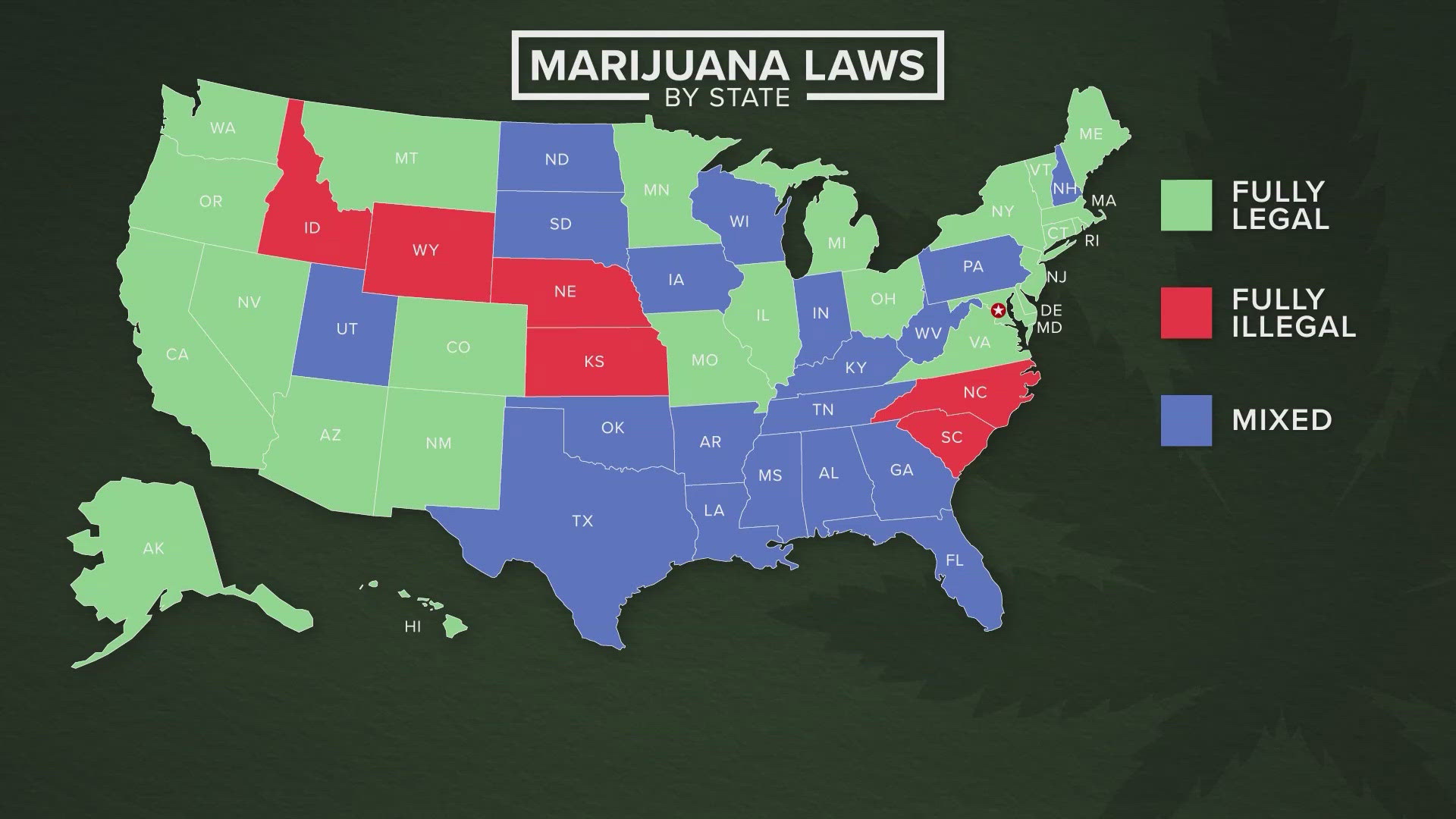
At present, recreational marijuana remains largely illegal in Texas. Unlike many states that have embraced full legalization or decriminalization for adult-use cannabis, Texas has maintained a stricter approach. This means that possessing, distributing, or cultivating marijuana for non-medical purposes carries significant legal penalties. The state’s drug laws are codified and enforced rigorously, making it imperative for both residents and visitors to be fully aware of the legal boundaries. While there have been ongoing discussions and legislative efforts to reform cannabis laws, these changes have been slow and incremental, often leaving the state significantly behind the national trend towards broader cannabis acceptance. For instance, while some major cities like Austin have adopted “cite-and-release” policies for low-level possession, meaning individuals might receive a citation instead of an arrest, this is not a statewide mandate and discretion still lies with law enforcement. Furthermore, these local policies do not change the fundamental illegality of marijuana under state law. Therefore, when planning your travel itinerary to explore the vibrant music scene in Austin, delve into the historical richness of San Antonio, experience the cultural diversity of Houston, or conduct business in Dallas, it is critical to remember that cannabis remains largely prohibited.
Marijuana vs. Hemp: Understanding the Distinction
A significant development that has introduced a layer of complexity to cannabis laws in Texas is the distinction between marijuana and hemp. Following the passage of the 2018 Farm Bill at the federal level, Texas also passed House Bill 1325 in 2019, which legalized the cultivation, processing, and sale of hemp. The crucial difference lies in the concentration of Delta-9 tetrahydrocannabinol (THC), the primary psychoactive compound in cannabis. Hemp is defined as cannabis plants and any derivative products with a Delta-9 THC concentration of no more than 0.3% on a dry weight basis. Anything above this threshold is considered marijuana and remains illegal, unless specifically allowed under the state’s limited medical program.
This distinction has led to a burgeoning market for hemp-derived products in Texas, including CBD oils, edibles, and even smokable hemp flower. For travelers, this means that while you might encounter dispensaries selling various hemp-derived products, it is essential to verify their THC content. Misidentifying marijuana for legal hemp can lead to severe legal consequences. For instance, if you purchase a product advertised as hemp but it contains more than 0.3% Delta-9 THC, you could be in violation of state law. This legal grey area necessitates careful consumer awareness and due diligence, particularly when exploring local shops in tourist hotspots like South Congress Avenue in Austin or the Historic Market Square in San Antonio that might carry such items. Always check for third-party lab testing results to confirm the THC levels of any hemp product you consider purchasing.
Penalties for Possession and Distribution
The penalties for marijuana possession and distribution in Texas are stringent and depend on the quantity involved. Even minor possession can lead to significant repercussions, affecting travel plans, accommodation bookings, and overall lifestyle.
- Possession of 2 ounces or less: This is typically a Class B misdemeanor, punishable by up to 180 days in jail and/or a fine of up to $2,000. While some jurisdictions might opt for “cite-and-release,” the underlying charge remains, and a criminal record can have long-lasting effects.
- Possession of 2 to 4 ounces: This is a Class A misdemeanor, with potential penalties of up to one year in jail and/or a fine of up to $4,000.
- Possession of 4 ounces to 5 pounds: This escalates to a state jail felony, carrying a potential sentence of 180 days to two years in state jail and a fine of up to $10,000.
- Possession of 5 pounds to 50 pounds: This is a third-degree felony, with imprisonment ranging from two to ten years and a fine of up to $10,000.
- Possession of more than 50 pounds: The penalties become even more severe, ranging from second-degree felonies to first-degree felonies, with potential life imprisonment.
Distribution and intent to distribute carry even harsher penalties, depending on the quantity and whether the distribution occurred near a school or to a minor. These serious consequences underscore the importance of understanding and adhering to Texas law, especially for travelers who might inadvertently carry substances that are legal in their home states but prohibited in Texas. Even traveling through a Texas airport like Dallas/Fort Worth International Airport or George Bush Intercontinental Airport with what might be considered legal cannabis elsewhere can lead to significant legal trouble upon arrival. When planning your journey, it is always safest to assume that any form of marijuana, outside the very limited scope of the medical program, is strictly illegal.

Medical Marijuana in the Lone Star State: The Texas Compassionate Use Program (TCUP)
While recreational cannabis remains largely illegal, Texas does have a highly restrictive medical marijuana program known as the Texas Compassionate Use Program (TCUP). Established in 2015 and incrementally expanded since then, TCUP is far from a comprehensive medical cannabis program found in many other states. It permits specific patients with qualifying conditions to access low-THC cannabis products. This program is a critical component of the state’s cannabis policy, highlighting a cautious move towards recognizing the therapeutic potential of cannabis while maintaining strict controls. For individuals considering long-term stays or relocating to Texas for medical reasons, understanding the precise limitations and qualifications of TCUP is essential. It is not designed to broadly encompass the range of conditions or product types available in more liberal medical cannabis states, which can be a significant point of consideration for patients seeking specific treatments.
Who Qualifies for TCUP?
Initially, TCUP was extremely limited, covering only intractable epilepsy. However, legislative changes have expanded the list of qualifying conditions, though it still remains relatively narrow compared to other states. As of recent updates, patients may qualify for TCUP if they have one of the following conditions:
- Epilepsy or other seizure disorders
- Multiple Sclerosis
- Spasticity
- Autism
- Terminal cancer
- Incurable neurological diseases such as Alzheimer’s or Parkinson’s
- Amyotrophic lateral sclerosis (ALS)
To participate in TCUP, a patient must be a permanent resident of Texas and obtain a prescription from a qualified physician who is registered with the state’s Compassionate Use Registry. The prescribing physician must determine that the benefits of low-THC cannabis outweigh the risks for the patient. It’s important to note that out-of-state medical marijuana cards are not recognized in Texas, meaning even if you have a medical cannabis card from another state, you cannot legally purchase or possess medical marijuana under TCUP without meeting Texas’ specific criteria and obtaining a valid Texas prescription. This is particularly relevant for individuals traveling to Texas who rely on medical cannabis for their health conditions; they must make alternative arrangements or understand they will not have legal access to their medicine within the state.
What Products are Permitted?
Under TCUP, only low-THC cannabis products are permitted. Specifically, these products must contain no more than 0.5% Delta-9 THC by weight. This is a higher threshold than the 0.3% allowed for hemp-derived products but still significantly lower than the THC levels typically found in recreational or full-spectrum medical marijuana products. The products are primarily oils, tinctures, and edibles, and they are dispensed through state-licensed dispensing organizations. The program does not allow for the smoking or vaping of whole-plant cannabis, even for qualified patients. The emphasis is on non-smokable forms of medicine.
This restrictive product list means that patients often do not have access to the full range of cannabis strains or consumption methods available in states with broader medical programs. For travelers accustomed to a wider selection of products, or those who find specific strains effective for their conditions, this limitation can be a significant factor. The strict regulation reflects Texas’s cautious approach to cannabis, viewing it primarily through a pharmaceutical lens rather than a broader wellness or recreational one. Therefore, if you are visiting for attractions such as the Space Center Houston or exploring the historic Alamo, and you have medical cannabis needs, it’s imperative to understand these limitations to avoid any legal complications.
Delta-8 and Other Hemp-Derived Cannabinoids: A Legal Gray Area?
The landscape of cannabis in Texas has been further complicated by the emergence of Delta-8 THC and other hemp-derived cannabinoids. These compounds, often referred to as “minor cannabinoids,” have gained significant popularity because they can offer psychoactive effects similar to, but typically milder than, traditional Delta-9 THC, while technically deriving from hemp. This has created a vibrant, yet often precarious, market in Texas, impacting various aspects of lifestyle and local commerce, from niche shops in Waco to bustling markets in Fort Worth. The legality of these products has been a rollercoaster of legal challenges and shifting interpretations, making it a particularly complex area for consumers and businesses alike.
The 2018 Farm Bill and Its Impact
The confusion surrounding Delta-8 THC and similar cannabinoids stems directly from the 2018 Farm Bill. This federal legislation legalized hemp by defining it as cannabis containing less than 0.3% Delta-9 THC on a dry weight basis. Crucially, the bill did not explicitly address other cannabinoids, such as Delta-8 THC, Delta-10 THC, or THC-O, which can be chemically synthesized from legal CBD extracted from hemp. This loophole led many to believe that as long as the final product contained less than 0.3% Delta-9 THC, it was legal, regardless of the concentration of other psychoactive cannabinoids.
In Texas, this interpretation initially allowed for a boom in Delta-8 product sales, with various forms available in convenience stores, specialized shops, and online retailers across the state. Consumers, including tourists visiting destinations like the River Walk in San Antonio or the vibrant nightlife districts in Dallas, could easily access these products. However, the Texas Department of State Health Services (DSHS) attempted to clarify its stance by updating its Controlled Substances Act to explicitly list Delta-8 THC as a Schedule I controlled substance, effectively banning it. This move led to significant legal challenges from hemp businesses, resulting in court injunctions that temporarily allowed the sale of Delta-8 to continue. The back-and-forth legal battles have created an environment of uncertainty, where the legal status of these products can shift with court rulings or legislative actions.
Navigating the Texas Market
For anyone in Texas, whether a resident or a traveler enjoying a luxury hotel stay in Houston, navigating the market for Delta-8 and other hemp-derived cannabinoids requires extreme caution. While these products may be readily available in many retail outlets, their legal status remains ambiguous and subject to change. Purchasing or possessing these items could expose individuals to legal risks depending on the latest court rulings or legislative interpretations.
- Stay Informed: The legal landscape is fluid. Keep abreast of local news and legislative updates regarding hemp-derived cannabinoids. What is legal today might not be tomorrow.
- Source Responsibly: If you choose to purchase these products, do so from reputable vendors who provide clear Certificates of Analysis (COAs) from third-party labs. These documents should verify the Delta-9 THC content (ensuring it’s below 0.3%) and ideally the concentration of other cannabinoids.
- Understand the Risks: Even if legally purchased, the psychoactive effects of Delta-8 THC can impair judgment and motor skills, making activities like driving or operating machinery unsafe. This is particularly relevant for travelers exploring new destinations or engaging in various activities.
- Local Enforcement: While state law struggles with the nuances, local law enforcement agencies may have varying approaches. Even if a product seems legal, an encounter with law enforcement could lead to delays or legal complications if they view it as marijuana.
Ultimately, the best advice for those visiting or residing in Texas is to exercise extreme caution and, if in doubt, to err on the side of avoiding products that occupy this legal gray area. The potential for legal trouble, even with products that appear to be legal, is a risk that could significantly impact travel plans and personal freedom.
Implications for Travelers and Residents
Understanding the legal framework surrounding cannabis in Texas is not merely an academic exercise; it has very real and significant implications for both travelers exploring the state and residents building their lives there. From planning your vacation budget and selecting accommodation to considering long-term residency, cannabis laws can impact choices and experiences. The conservative stance of Texas means that the freedoms enjoyed in more cannabis-friendly states simply do not apply here, necessitating a different approach to personal conduct and expectations. This is particularly relevant for those seeking specific lifestyles, medical care, or even just a hassle-free trip through a state known for its hospitality and diverse attractions, from the Houston Rodeo to the Big Bend National Park.
What to Know Before You Go
For travelers planning a trip to Texas, whether it’s for a family vacation, a business stay, or a luxury escape, here are critical points to consider:
- Leave Cannabis at Home: Do not bring any cannabis products, including medical marijuana from other states, into Texas. Your out-of-state medical card will not protect you. Traveling through airports, driving across state lines, or even taking a cruise from Galveston with cannabis can lead to severe federal and state charges.
- No Recreational Use: Assume all recreational marijuana is illegal. Do not seek to purchase or consume it. Even small amounts can lead to arrest, fines, and jail time, significantly disrupting your travel experience and potentially leading to a criminal record.
- Understand Hemp vs. Marijuana: While hemp-derived CBD with less than 0.3% Delta-9 THC is generally legal, be cautious with products like Delta-8 THC due to their uncertain legal status. If you do purchase CBD products, ensure they come from reputable vendors with lab testing.
- Public Consumption is Prohibited: Even if a product is technically legal (like low-THC medical cannabis for a TCUP patient), public consumption is generally prohibited.
- Impact on Employment and Housing: For those considering a longer stay or relocation, remember that employers in Texas are generally free to drug test and deny employment based on marijuana use, even for medical patients. Landlords can also prohibit cannabis use on their properties.
- Legal Counsel: If you find yourself in a situation involving cannabis, seek legal counsel immediately. Do not make statements to law enforcement without a lawyer present.
Navigating Texas requires a mindset of strict adherence to its unique cannabis laws. This is particularly vital for avoiding issues that could overshadow your experiences, whether you’re enjoying the beaches of South Padre Island, exploring the Big Bend National Park, or dining in a luxury restaurant in Dallas.
The Evolving Landscape and Future Outlook
The legal landscape of cannabis in Texas is not static, though it changes at a slower pace than in many other states. There is ongoing legislative debate and public pressure for reform.
- Decriminalization Efforts: Various proposals for statewide decriminalization (reducing penalties for small amounts of possession to a civil offense rather than a criminal one) have been introduced in the Texas Legislature, though none have fully passed into law.
- Medical Program Expansion: There is continuous advocacy for expanding the TCUP to include more qualifying conditions and a wider range of product types and THC limits.
- Hemp-Derived Cannabinoids: The legal status of Delta-8 THC and similar compounds will likely see further legal battles or legislative action to provide more definitive clarity.
- Local Initiatives: Some cities and counties might continue to implement their own local policies (like cite-and-release), which, while not changing state law, can influence how minor offenses are handled locally.
While the future may bring changes, as of now, Texas remains a state where cannabis is largely illegal. For visitors and residents, the most prudent approach is to abide by the current laws strictly. Staying informed about legislative developments can help prepare for potential future changes, but for the present, caution and compliance are the watchwords. Enjoying all that Texas has to offer, from its diverse cultural landmarks to its thrilling outdoor adventures, is best done with a clear understanding of, and respect for, its unique legal environment.
In conclusion, the answer to “Is weed illegal in Texas?” is a resounding yes for recreational use, with very limited exceptions for medical purposes under the restrictive TCUP, and a continuously evolving, often ambiguous, situation for hemp-derived cannabinoids like Delta-8 THC. For anyone traveling to, living in, or simply interested in Texas, understanding these distinctions is paramount to ensuring a safe, legal, and enjoyable experience in this truly unique and vast state.
LifeOutOfTheBox is a participant in the Amazon Services LLC Associates Program, an affiliate advertising program designed to provide a means for sites to earn advertising fees by advertising and linking to Amazon.com. Amazon, the Amazon logo, AmazonSupply, and the AmazonSupply logo are trademarks of Amazon.com, Inc. or its affiliates. As an Amazon Associate we earn affiliate commissions from qualifying purchases.