
Embarking on a journey to the sun-drenched landscapes of Arizona often conjures images of majestic Grand Canyon vistas, vibrant desert cities like Phoenix and Scottsdale, and the spiritual allure of Sedona. While packing your bags and planning your itinerary, one crucial detail often overlooked by travelers is the unique timezone situation in the Grand Canyon State. Understanding Arizona’s timekeeping quirks is not just a trivial fact; it’s an essential piece of information that can significantly impact your travel experience, from booking flights and tours to making dinner reservations and connecting with loved ones back home. This comprehensive guide will unravel the mysteries of Arizona’s timezone, helping you plan a seamless and stress-free adventure.
Understanding Arizona’s Unique Time Situation
Arizona stands apart from many other states in the United States due to its distinctive approach to Daylight Saving Time (DST). For the vast majority of the state, the clock remains constant year-round, which can sometimes lead to confusion for visitors.
The Standard: Mountain Standard Time (MST)
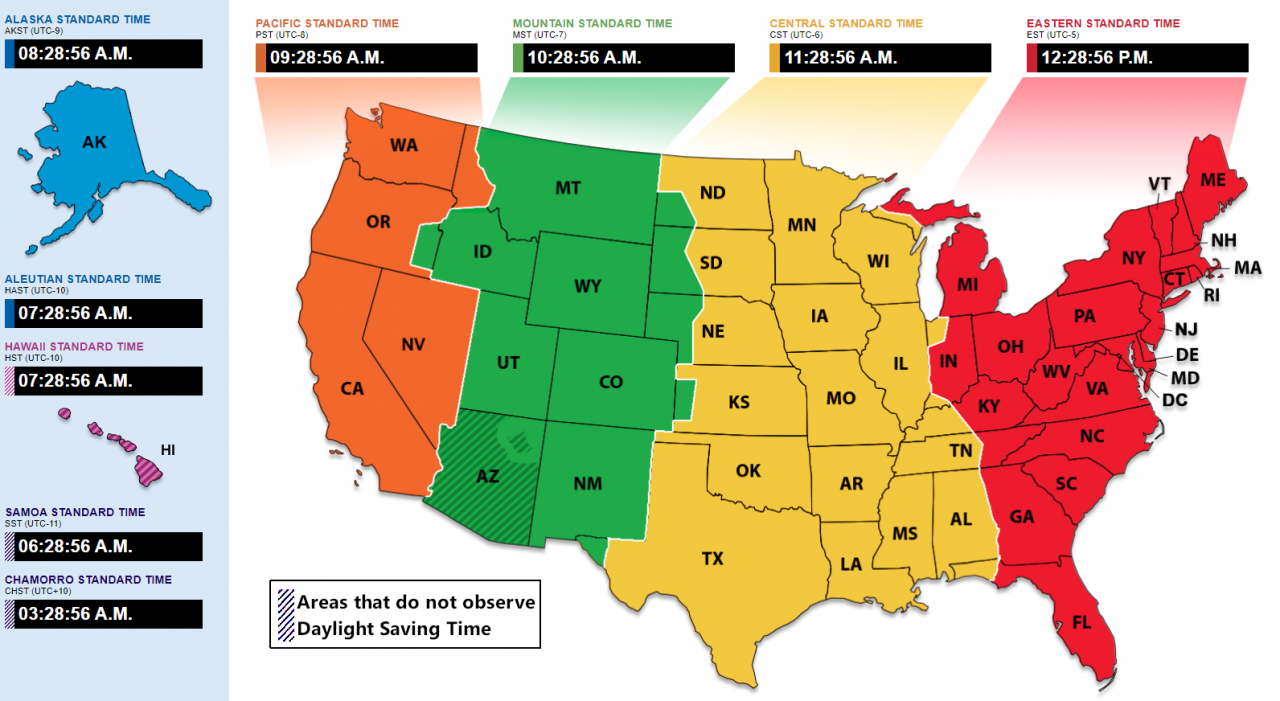
Most of Arizona observes Mountain Standard Time (MST) throughout the entire year. This means that unlike many other states that “spring forward” and “fall back,” Arizona does not participate in Daylight Saving Time. This decision dates back to 1968, primarily driven by the state’s intense summer heat. The rationale was to avoid an extra hour of daylight in the evening during the hottest months, which would mean more air conditioning use and higher energy consumption. By sticking to MST, the sun sets an hour earlier than it would under Daylight Saving Time, allowing residents and visitors to enjoy cooler evenings sooner.
Key takeaway for travelers:
- From early November to mid-March (when DST is NOT observed elsewhere), Arizona’s MST is equivalent to Mountain Standard Time in states like Colorado or Utah. It is also one hour ahead of Pacific Standard Time (PST) observed in California and Nevada.
- From mid-March to early November (when DST IS observed elsewhere), Arizona’s MST is equivalent to Pacific Daylight Time (PDT). This means it’s three hours behind the East Coast (EDT) and the same time as California and Nevada. It’s also one hour behind states observing Mountain Daylight Time (MDT).
This seasonal shift in relative time can be a significant source of confusion, especially for those traveling from neighboring states or coordinating virtual meetings with distant colleagues.
The Daylight Saving Time Exemption Explained
The exemption from Daylight Saving Time for most of Arizona means that the state’s clock does not change. This simplifies daily life for residents but requires visitors to be particularly mindful of their arrival times and scheduled activities, especially when crossing state lines. Imagine planning a sunrise hike at the Grand Canyon or a tour of the Desert Botanical Garden in Phoenix. Knowing exactly what time it is, relative to your origin point, is crucial for punctuality and maximizing your experience.
Regional Nuances: The Navajo Nation Exception
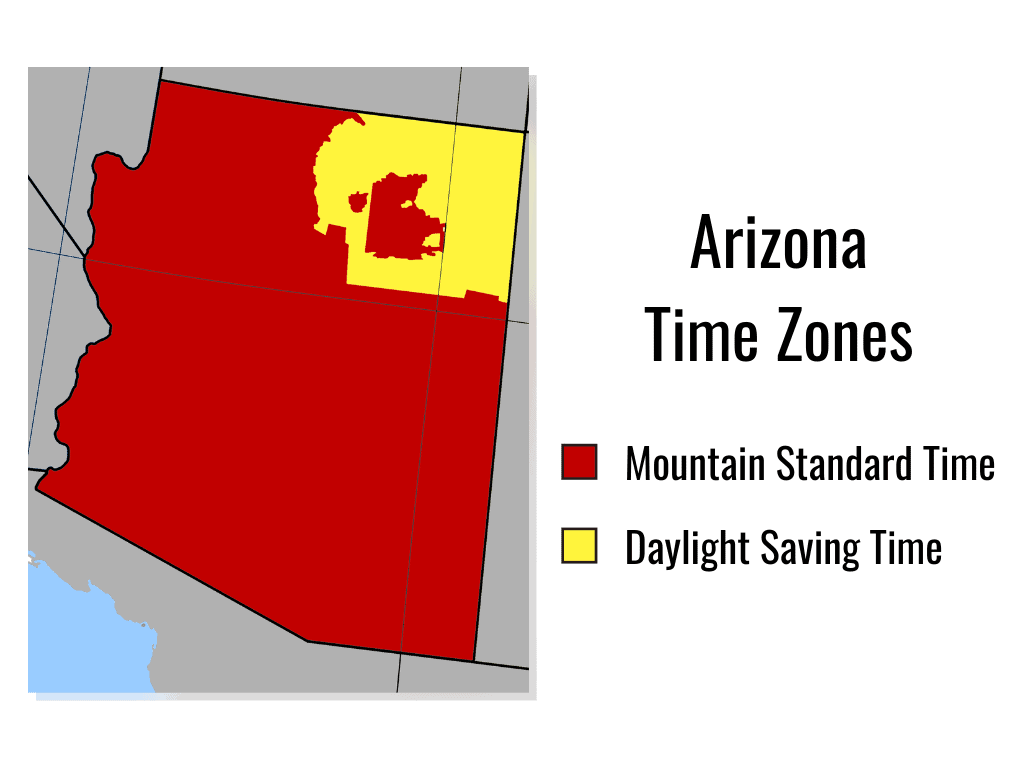
While the majority of Arizona adheres to year-round MST, there is one significant exception that travelers must be aware of: the Navajo Nation. This large semi-autonomous territory, which spans parts of northeastern Arizona, as well as Utah and New Mexico, does observe Daylight Saving Time.
This means that for roughly half the year, from mid-March to early November, the Navajo Nation will be an hour ahead of the rest of Arizona. During these months, while the rest of Arizona remains on MST, the Navajo Nation switches to Mountain Daylight Time (MDT).
Why this matters for your travel:
- Attractions: Many iconic landmarks and popular tourist destinations, such as Antelope Canyon, Monument Valley, and Canyon de Chelly National Monument, are located within the Navajo Nation. If you’re driving from Phoenix or Flagstaff to visit these sites during DST, remember to adjust your watch forward one hour as you cross into the Navajo Nation.
- Tours and Bookings: Tour operators for these attractions will operate on Navajo Nation time. Failing to account for this time change could mean missing a pre-booked slot, especially for popular, time-sensitive tours.
- The Hopi Exception: To further complicate matters, the Hopi Reservation, which is entirely surrounded by the Navajo Nation, does not observe Daylight Saving Time. This creates a unique “time donut” where you might drive from Arizona MST, into Navajo Nation MDT, and then back into Hopi Reservation MST, all within a relatively short distance. While most travelers won’t frequently navigate this specific scenario, it highlights the importance of checking local times for specific destinations.
Always confirm the local time with your accommodation, tour provider, or local businesses when planning activities within tribal lands to ensure you’re on the right schedule.
Timekeeping for Travelers: Planning Your Arizona Adventure
Being aware of Arizona’s timezone situation is paramount for any traveler, impacting everything from your flight schedules to your ability to enjoy the state’s vibrant tourism scene.
Navigating Arrival and Departures
Consider a flight arriving at Phoenix Sky Harbor International Airport (PHX) in mid-July. If you’re flying in from California (PDT), your watch won’t need adjusting because Arizona will be on the same time as PDT. However, if you’re flying from Denver (MDT), you’ll gain an hour upon arrival in Arizona because Arizona will be an hour behind MDT. Conversely, flying out of Arizona to an MDT state during summer means you’ll “lose” an hour.
- Accommodation Check-ins: Most hotels and resorts in Arizona adhere to the state’s year-round MST. Confirming your arrival time with your chosen accommodation, whether it’s a luxury resort like the Arizona Biltmore, A Waldorf Astoria Resort or a cozy boutique hotel, can prevent unnecessary waiting or late check-in fees. For vacation rentals booked through platforms, understanding the precise local time for key handovers or arrival instructions is vital.
- Connecting Flights: If your journey includes connecting flights, always verify the departure and arrival times in local time for each leg of your trip. This helps avoid confusion and ensures you don’t miss a connection due to a time zone miscalculation.
Scheduling Activities and Dining
Arizona’s tourism scene thrives on outdoor activities, from early morning hot air balloon rides over Scottsdale to sunset hikes on Camelback Mountain. The steady MST all year round, especially during the summer months when much of the rest of the country is observing DST, means the sun rises and sets “earlier” relative to those regions.
- Morning Excursions: Planning for a sunrise tour of the Grand Canyon in July? If you’re used to waking up at 6 AM in a DST-observing state, that 6 AM in Arizona will feel like 7 AM back home, potentially making for an earlier start than anticipated.
- Evening Entertainment and Dining: On the flip side, the earlier sunset in Arizona during summer allows visitors to enjoy magnificent desert sunsets and evening events without staying up excessively late. Dinner reservations in Phoenix’s bustling restaurant scene or a spa treatment at The Phoenician, a Luxury Collection Resort, Scottsdale will align with MST. For those coming from states observing DST, an 8 PM dinner reservation in Arizona will feel like 9 PM to your internal clock initially, but the consistent time allows for easier adjustment.
- Booking Tours and Attractions: When booking tickets for attractions like the Sedona vortex tours, jeep excursions, or visits to Saguaro National Park near Tucson, remember that all times listed will be in local Arizona MST. Double-check opening and closing times, especially if you’re traveling across the Navajo Nation border.
Embracing Arizona Time: Lifestyle and Leisure
The consistent timekeeping in Arizona isn’t just a logistical detail; it shapes the local lifestyle and the overall rhythm of life in the desert.
Enjoying the Desert’s Rhythms
The absence of Daylight Saving Time in Arizona during the summer months means that the sun sets “earlier” than it would otherwise. This creates a distinct advantage for those looking to enjoy the cooler parts of the day. Locals and tourists alike appreciate the opportunity to engage in outdoor activities, go for a swim at their resort pool, or simply relax on a patio without enduring the peak afternoon heat.
- Sunrise and Sunset Experiences: Arizona is renowned for its breathtaking sunrises and sunsets. The consistent MST means these natural spectacles occur at a predictable clock time relative to the sun’s position. Planning to catch the sunrise at Sedona’s Airport Mesa or watch the sunset over the Grand Canyon becomes more straightforward without the biannual time shift.
- Outdoor Activities: Whether it’s hiking, golfing, or exploring the vast Sonoran Desert, the Arizona schedule allows for earlier starts and earlier finishes, making it easier to beat the heat and enjoy the natural beauty comfortably. This contributes to a relaxed, outdoor-focused lifestyle that many travelers seek.
Business and Connectivity Across Timezones
For business travelers or those needing to stay connected with work or family during their trip, Arizona’s timezone can pose unique challenges and opportunities.
- Communicating with the East Coast and West Coast: During summer, when most of the United States is on Daylight Saving Time, Arizona is three hours behind the East Coast and on the same time as the West Coast (PDT). This means a convenient overlap for business calls with California but a larger time difference with New York.
- International Connections: For those coordinating with international contacts, understanding Arizona’s fixed MST is essential for scheduling meetings and calls, preventing any miscommunications caused by the time shifts experienced elsewhere.
Top Arizona Destinations and Their Time Implications
Let’s look at how Arizona’s unique timezone impacts some of its most famous destinations, integrating aspects of travel, tourism, accommodation, and landmarks.
Phoenix and Scottsdale: Urban Hubs
The metropolitan areas of Phoenix and Scottsdale serve as the primary entry points for many visitors to Arizona. These bustling cities offer a plethora of hotels, resorts, dining, and attractions, all operating strictly on MST year-round.
- Accommodation: Luxury resorts like the JW Marriott Scottsdale Camelback Inn Resort & Spa or The Scott Resort & Spa will have consistent check-in/check-out times and amenity schedules. Guests flying in from other regions will appreciate the predictable schedule once they’ve adjusted.
- Attractions: Visiting the Musical Instrument Museum, enjoying a baseball game, or exploring Old Town Scottsdale means following MST. This consistency simplifies planning for multi-day itineraries within the Valley of the Sun.
Grand Canyon Adventures
The majestic Grand Canyon National Park is one of the world’s most iconic landmarks. The vast majority of the park, including the popular South Rim, lies within Arizona and observes MST all year.
- Sunrise and Sunset: For those planning to witness the breathtaking sunrises and sunsets at Mather Point or Hopi Point, the consistent MST means you won’t be caught off guard by a time change. Photography tours, helicopter tours, and bus shuttles within the park will all operate on Arizona time.
- North Rim Considerations: The North Rim, while also in Arizona, is geographically closer to Utah, which observes Daylight Saving Time. Most operations at the North Rim adhere to Arizona MST, but it’s always prudent to confirm if you are coming from Utah or planning to combine your visit with other destinations in Utah, such as Zion National Park or Bryce Canyon National Park.
The Spiritual Vortex of Sedona
Sedona, famous for its vibrant red rocks, spiritual vortexes, and outdoor activities, is a premier tourism destination. Like the rest of non-tribal Arizona, Sedona stays on MST year-round.
- Activities: Whether you’re hiking to the Chapel of the Holy Cross, enjoying a spa day at Enchantment Resort, or exploring the countless art galleries, all local businesses, tours, and experiences will operate on MST. This predictability makes it easier to schedule morning yoga sessions, afternoon jeep tours, and evening stargazing.
- Proximity to Flagstaff: Sedona is a short drive from Flagstaff, another popular Arizona city, which also observes MST, ensuring a consistent time experience between these two hubs.
Exploring Tucson and Southern Arizona
Tucson, in southern Arizona, offers a rich blend of history, culture, and desert beauty. It, too, maintains MST throughout the year.
- Historical Sites and Museums: Visiting the Mission San Xavier del Bac, exploring the Pima Air & Space Museum, or delving into the Old Tucson Studios means adhering to MST.
- Resorts and Outdoor Activities: Tucson is home to world-class resorts like the JW Marriott Tucson Starr Pass Resort & Spa. The consistent time allows guests to seamlessly plan rounds of golf, spa appointments, and excursions into Saguaro National Park.
- Border Considerations: Given Tucson’s proximity to the Mexico border, travelers planning day trips south should be aware of any time zone differences that may exist in various parts of Mexico relative to Arizona MST.
In conclusion, while the question “What timezone is Arizona?” might seem simple, the answer holds crucial implications for travelers. The state’s steadfast adherence to Mountain Standard Time year-round, with the distinct exception of the Navajo Nation, means that careful planning and awareness are key to a smooth and enjoyable visit. By understanding these nuances, you can ensure your travel plans, accommodation bookings, and tourism activities align perfectly with the rhythms of this beautiful desert state, allowing you to fully immerse yourself in its unique lifestyle and iconic landmarks without missing a beat.
LifeOutOfTheBox is a participant in the Amazon Services LLC Associates Program, an affiliate advertising program designed to provide a means for sites to earn advertising fees by advertising and linking to Amazon.com. Amazon, the Amazon logo, AmazonSupply, and the AmazonSupply logo are trademarks of Amazon.com, Inc. or its affiliates. As an Amazon Associate we earn affiliate commissions from qualifying purchases.