
Arizona, a land of breathtaking desert landscapes, iconic red rock formations, and vibrant urban centers, beckons millions of travelers each year. From the awe-inspiring grandeur of the Grand Canyon to the luxurious resorts of Scottsdale and the artistic allure of Sedona, the state offers a diverse tapestry of experiences. For visitors planning their next adventure, or for those considering a lifestyle change to this sunny state, understanding the economic undercurrents, such as the minimum wage, can offer valuable insights.
While seemingly a dry economic topic, the minimum wage in Arizona directly influences many aspects of the travel, tourism, and hospitality sectors. It shapes the operational costs for hotels, resorts, restaurants, tour operators, and local businesses, which in turn can affect everything from room rates and dining prices to the quality of service and the overall visitor experience. This comprehensive guide will delve into what the minimum wage is in Arizona, how it impacts the travel and tourism industry, and what it means for your next Arizona getaway.

Understanding Arizona’s Minimum Wage: The Basics for Travelers and the Tourism Sector
For anyone exploring Arizona, whether as a tourist or considering a seasonal work opportunity, knowing the state’s minimum wage is fundamental. This economic baseline affects the cost structure of virtually every business you might encounter during your travels, from the boutique shops in Jerome to the bustling eateries in Phoenix.
Current State of Minimum Wage in Arizona
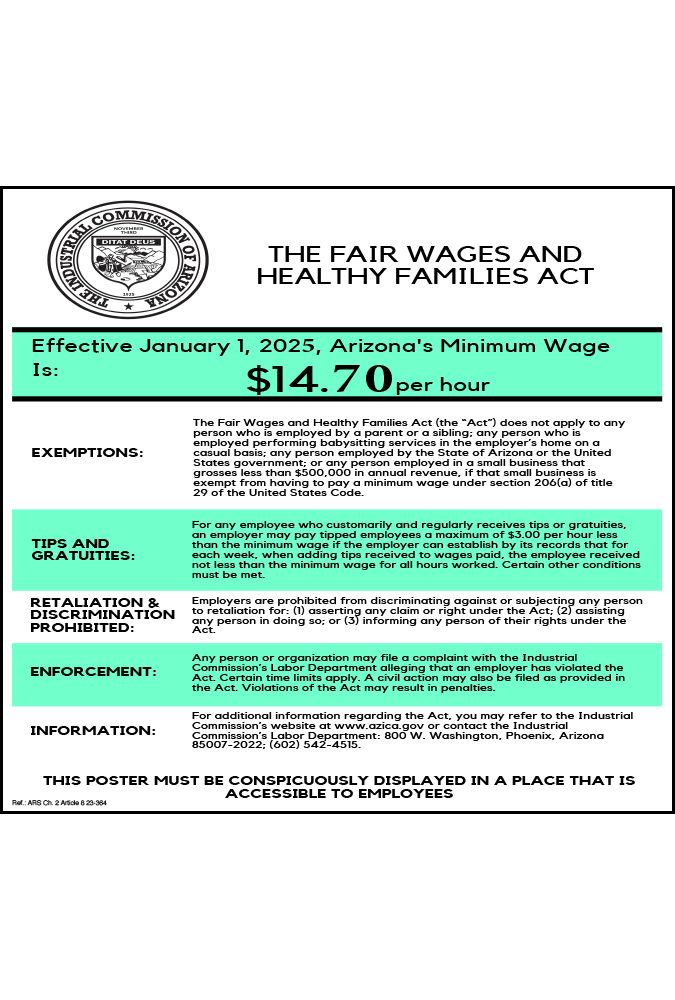
As of January 1, 2024, the statewide minimum wage in Arizona is $14.35 per hour. This figure is notably higher than the federal minimum wage, reflecting a conscious effort within the state to ensure a living wage for its residents. The minimum wage in Arizona is subject to annual adjustments, typically increasing each year to account for inflation, as mandated by the 2016 Arizona Minimum Wage and Paid Time Off Initiative (Proposition 206). This automatic adjustment provides a degree of predictability for both employers and employees in the hospitality sector.
It’s also crucial to note that some cities in Arizona have enacted their own local minimum wages that exceed the state rate. The most prominent example is Flagstaff, a popular destination for travelers heading to the Grand Canyon or enjoying the cooler mountain climate. As of January 1, 2024, the minimum wage in Flagstaff is $17.00 per hour. This higher wage in a major tourist hub can have a localized impact on prices for goods and services within that city, a factor savvy travelers might wish to consider when budgeting their trip.
Exemptions and Specifics for Hospitality
While the minimum wage applies broadly, there are specific nuances, particularly for employees who receive tips. Unlike many other states, Arizona does not allow employers to take a “tip credit.” This means that tipped employees, such as servers, bartenders, and hotel bellhops, must be paid the full state or local minimum wage before tips. This is a significant distinction that directly impacts the take-home pay of a large segment of the hospitality workforce.
For travelers, this means a few things:
- Fairer Wages for Service Staff: The minimum wage helps ensure that the individuals serving you your meals, cleaning your hotel rooms, and guiding your tours are earning a more substantial base wage.
- Less Reliance on Tips (Potentially): While tipping is still customary and appreciated in Arizona for excellent service, the staff’s livelihood is less solely dependent on customer gratuities compared to states with tip credits. This can potentially foster a more stable and less stressful working environment for employees, which might translate to improved service quality.
- Impact on Pricing: The lack of a tip credit means businesses must account for higher labor costs in their pricing, rather than relying on tips to subsidize wages. This might be reflected in slightly higher menu prices or service charges at some establishments, though the competitive nature of the market often mitigates drastic increases.
Understanding these fundamentals provides a foundation for appreciating how the minimum wage weaves into the fabric of the Arizona tourism industry and, by extension, your travel experience.
The Ripple Effect: How Minimum Wage Shapes Your Arizona Travel Experience
The minimum wage isn’t just a number; it’s a foundational element that sends ripples throughout the entire Arizona economy, particularly impacting the sectors crucial to tourism. From where you stay to what you eat and how you explore, the minimum wage plays an understated yet significant role in shaping the cost and quality of your vacation.
Impact on Accommodation and Hotels
Arizona’s diverse range of accommodations, from luxurious five-star resorts to charming boutique hotels and budget-friendly motels, all operate within the framework of state labor laws. For hotels and resorts, a higher minimum wage directly translates to increased operational costs. This affects various staff positions, including housekeeping, front desk associates, valet attendants, maintenance crew, and ground staff.
Consider a grand establishment like The Phoenician, A Luxury Collection Resort, Scottsdale, or a historic gem like Hotel Congress in Tucson. To maintain their standards of service and amenities, these establishments must cover these labor costs. While they strive to remain competitive, these increased expenses can influence various aspects:
- Room Rates: While many factors determine room rates (location, season, demand, amenities), labor costs are a significant component. Hotels might adjust rates to absorb these increases, especially in high-demand areas or during peak tourist seasons.
- Resort Fees and Service Charges: Some hotels, particularly higher-end resorts in destinations like Scottsdale or Sedona, might utilize resort fees to cover a range of services, including those provided by staff. While not solely tied to minimum wage, these fees can be a mechanism to manage overall operational expenses.
- Quality of Service: Paradoxically, a fair minimum wage can also contribute to better service. Higher wages can lead to increased employee satisfaction, lower turnover rates, and a more experienced, dedicated workforce. This stability and expertise translate into a more pleasant and efficient experience for guests, from a sparkling clean room to a swift and courteous check-in. Imagine the impact of experienced, well-paid staff at a wellness retreat like Enchantment Resort in Sedona; their dedication is often reflected in exceptional guest experiences.
Dining and Local Gastronomy
Arizona’s culinary scene is a delightful fusion of Southwest flavors, international influences, and farm-to-table freshness. From the upscale dining establishments of Phoenix and Scottsdale to the authentic Mexican eateries of Tucson and the charming cafes of Flagstaff, food is an integral part of the travel experience. The minimum wage directly impacts restaurants, cafes, and bars.
- Menu Prices: With no tip credit, restaurants must pay their waitstaff, kitchen staff, hosts, and bussers the full minimum wage. These labor costs are integrated into the pricing of menu items. Therefore, you might find that overall dining prices in Arizona are reflective of these higher operational expenses compared to states with lower minimum wages or tip credits.
- Staff Retention and Service Quality: Just as with hotels, a living wage can significantly reduce staff turnover in the notoriously high-turnover restaurant industry. This means more experienced chefs, line cooks, and servers, which can lead to more consistent food quality and superior customer service. A server who feels valued and secure in their employment is more likely to provide an outstanding dining experience.
- Local Food Economy: The minimum wage helps support the local economy by ensuring that those working in the food service industry have more disposable income, which they often reinvest in local businesses. This creates a stronger, more vibrant community for both residents and visitors.
Attractions, Tours, and Experiences
From guided hikes through Antelope Canyon to historical tours in Bisbee and visits to cultural landmarks like the Heard Museum in Phoenix, Arizona offers an endless array of attractions and experiences. These operations rely heavily on trained staff—tour guides, ticketing agents, educators, and maintenance personnel—all of whom must be compensated according to minimum wage laws.
- Tour and Activity Pricing: The cost of guided tours, adventure activities (like ATV rentals or hot air balloon rides), and entrance fees to privately run attractions will inherently factor in labor costs. For example, a jeep tour operator in Sedona pays its drivers and office staff the minimum wage or above, which contributes to the overall price of the tour.
- Maintenance and Preservation: For natural and historical landmarks, such as the Desert Botanical Garden or the various sites managed by the Arizona State Parks and Trails, the wages paid to staff for maintenance, interpretation, and visitor services are critical. These costs are often covered through entrance fees or government funding, ensuring these treasures are preserved and accessible.
- Safety and Expertise: In adventure tourism, such as rafting on the Colorado River or exploring slot canyons, qualified and well-compensated guides are paramount for safety and providing an enriching experience. The minimum wage helps attract and retain skilled professionals in these critical roles.
Budgeting Your Arizona Adventure: Navigating Costs with Minimum Wage in Mind
Understanding Arizona’s minimum wage can empower travelers to make more informed decisions about their budget and travel style. While a higher minimum wage might translate to slightly higher costs in some areas, it also signifies a commitment to local workers, which can enhance the overall quality of services you receive.
Planning Your Accommodation Budget
When budgeting for your stay in Arizona, be mindful that accommodation prices can vary significantly not only by season and luxury level but also by the local economic landscape.
- Regional Differences: Expect to pay more for hotels and resorts in high-demand tourist hubs like Scottsdale, Sedona, and Flagstaff (especially with Flagstaff’s higher local minimum wage). Conversely, more budget-friendly options might be found in cities like Mesa, Yuma, or Kingman, where the cost of living and operational expenses might be lower.
- Booking Strategies: To find value, consider booking during the shoulder seasons (spring and fall, outside of major holidays), utilizing loyalty programs, or exploring alternative accommodations like vacation rentals or campgrounds, particularly near national parks like the Grand Canyon National Park or Saguaro National Park.
- Transparency in Pricing: Always look for transparent pricing that includes potential resort fees or service charges upfront. These charges, while not directly tied to minimum wage, are part of the hotel’s overall cost structure influenced by various operational expenses, including labor.
Dining Smart: From Fine Dining to Local Eats
Arizona’s culinary landscape offers options for every budget. With minimum wage impacting labor costs, dining expenses are a key consideration.
- Embrace Local Eateries: While high-end restaurants in Phoenix or Scottsdale might have prices reflecting significant labor and ingredient costs, exploring local, family-owned restaurants often provides authentic flavors at more accessible price points. Don’t shy away from food trucks or casual diners, especially in cities like Tucson, renowned for its vibrant food scene.
- Lunch vs. Dinner: Eating your main meal at lunchtime can often be a cost-effective strategy, as many restaurants offer lunch specials or smaller portions at reduced prices.
- Self-Catering: If your accommodation includes a kitchenette, consider preparing some of your own meals, especially breakfast or packed lunches for day trips to places like Lake Havasu City or the Hoover Dam (located on the Arizona-Nevada border). This significantly cuts down on dining expenses.
- Tipping Etiquette: Remember that service staff earn the full minimum wage before tips in Arizona. While not mandatory for their base pay, tipping remains a crucial way to acknowledge excellent service and supplement their income, which can be particularly helpful given the cost of living in popular tourist destinations. A typical gratuity of 15-20% is customary for good service.
Exploring Attractions Cost-Effectively
Arizona is rich in natural beauty and cultural heritage, much of which can be enjoyed without breaking the bank.
- National and State Parks: While parks like the Grand Canyon National Park or Petrified Forest National Park have entrance fees, these fees provide incredible value, offering access to vast wilderness areas and staffed visitor centers for a single price. Consider an America the Beautiful Pass if you plan to visit multiple national parks. Arizona State Parks and Trails also offer numerous opportunities for outdoor recreation at reasonable rates.
- Free Activities: Many of Arizona’s most stunning attractions, like hiking trails in the Superstition Mountains or exploring downtown areas of cities like Prescott and Bisbee, are free. Scenic drives, stargazing in designated dark-sky communities, and visiting public art installations are also excellent free options.
- Museum Deals and Discounts: Look for specific days with free admission or discounts at museums and cultural centers, especially in larger cities like Phoenix and Tucson.
By being aware of how minimum wage impacts costs, you can tailor your travel choices to fit your budget while still enjoying the full spectrum of experiences Arizona has to offer.
Beyond the Paycheck: Lifestyle and Ethical Tourism in Arizona
Understanding the minimum wage in Arizona extends beyond just budgeting for your trip; it offers a deeper insight into the local lifestyle and promotes a more conscious approach to tourism. When you choose to travel to a destination, you become part of its economic ecosystem, and your decisions can subtly support or detract from the well-being of its residents.
Supporting Local Businesses and Workers
One of the most direct ways minimum wage impacts the lifestyle in Arizona is through its effect on local businesses and their employees. A higher minimum wage means that the employees who serve you, clean your rooms, guide your tours, and staff the local shops are earning a more sustainable income.
- Ethical Tourism: By patronizing businesses that adhere to fair wage practices and are able to retain experienced staff due to those wages, you contribute to a form of ethical tourism. You’re indirectly supporting the local economy and the individuals who make your travel experience enjoyable. This is particularly relevant in areas heavily reliant on tourism, such as Sedona, Grand Canyon Village, or Page, where a significant portion of the workforce is in hospitality.
- Community Vibrancy: When local workers earn a living wage, they are more likely to stay in their communities, contribute to local culture, and support other local businesses. This fosters a more vibrant, authentic, and welcoming environment for both residents and visitors, which is a key aspect of experiencing the local culture.
Seasonal Work and Living Costs for Hospitality Professionals
For those who might be considering a longer stay or even seasonal work in Arizona’s tourism sector, the minimum wage is a critical factor in understanding the cost of living. Many tourist hotspots, like Flagstaff or the areas surrounding the Grand Canyon, attract seasonal workers.
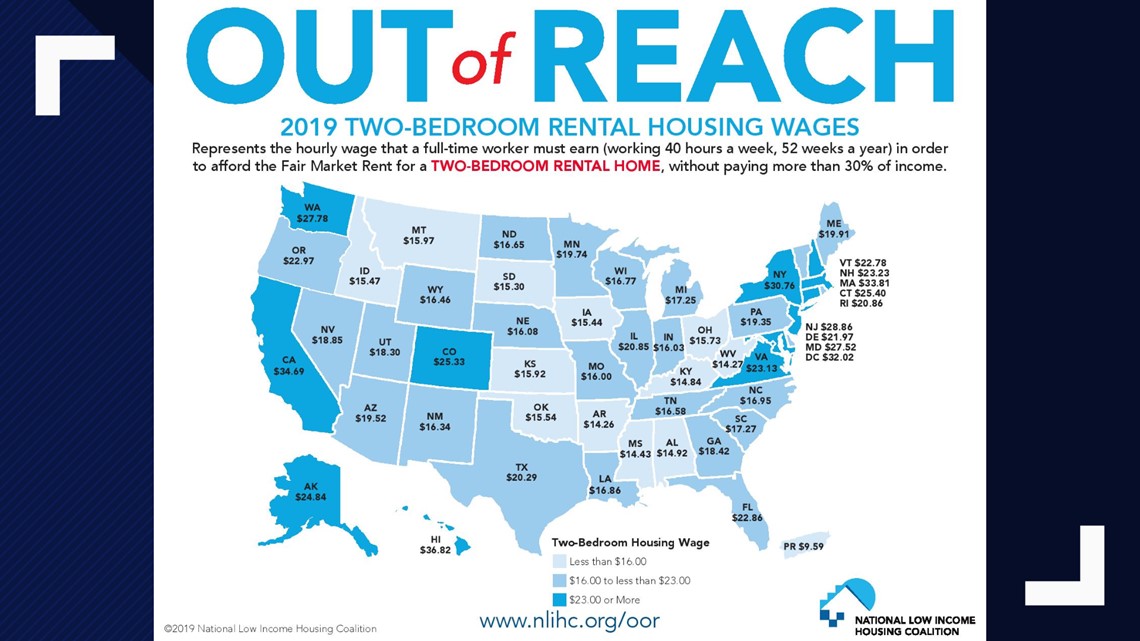
- Cost of Living vs. Wages: While the state minimum wage is $14.35 (and higher in Flagstaff at $17.00), the cost of living in prime tourist areas can also be elevated, especially for housing. Understanding this dynamic is crucial for anyone planning to work and live in these areas. The minimum wage provides a baseline, but workers often seek additional tips or higher-paying positions to comfortably afford rent and expenses in desirable locations.
- Job Opportunities: A strong minimum wage can make seasonal jobs in hotels, restaurants, and tour companies more attractive, helping to staff the busy tourist seasons. This ensures that services remain high quality even during peak demand, benefiting travelers.
The Overall Visitor Experience
Ultimately, the impact of the minimum wage converges on the overall visitor experience. A state with a robust minimum wage often indicates a healthier local economy and a more stable workforce within its key industries.
- Consistent Service: Reduced staff turnover, often a benefit of fairer wages, means more experienced personnel at every touchpoint of your journey – from the concierge at your resort in Scottsdale to the guide leading your hike in Canyon de Chelly National Monument. This consistency contributes significantly to a positive and memorable trip.
- Authentic Interactions: When workers feel fairly compensated, they are more likely to engage authentically and positively with visitors, offering genuine hospitality that enriches the cultural exchange inherent in travel.
- Sustainable Tourism: Supporting an economy that prioritizes fair wages is a step towards more sustainable tourism. It ensures that the benefits of tourism are distributed more broadly within the community, fostering a more resilient and welcoming destination for future generations.
In conclusion, the minimum wage in Arizona is more than just an economic policy; it’s a vital component that shapes the landscape of travel, hospitality, and local lifestyle across the state. By understanding its implications, travelers can better plan their budgets, appreciate the quality of service they receive, and engage in a more informed and ethical way with the vibrant communities that make Arizona such an extraordinary destination. As you embark on your Arizona adventure, remember that your choices, from the hotel you book to the restaurant where you dine, all play a part in supporting the local economy and the dedicated individuals who make your experience unforgettable.
LifeOutOfTheBox is a participant in the Amazon Services LLC Associates Program, an affiliate advertising program designed to provide a means for sites to earn advertising fees by advertising and linking to Amazon.com. Amazon, the Amazon logo, AmazonSupply, and the AmazonSupply logo are trademarks of Amazon.com, Inc. or its affiliates. As an Amazon Associate we earn affiliate commissions from qualifying purchases.