
For many travelers planning an adventure to the southwestern United States, understanding local time zones is usually a minor detail, quickly checked with a glance at a smartphone. However, when you set your sights on the Grand Canyon State, the question “What time is it Arizona?” takes on a surprisingly unique and often perplexing dimension. Unlike most of the country, Arizona observes Mountain Standard Time (MST) year-round, famously opting out of Daylight Saving Time (DST). This seemingly small distinction can have significant implications for planning your itinerary, booking accommodations, and fully immersing yourself in the rich tapestry of experiences the state offers.
This unique time zone stance is more than just a quirky fact; it’s deeply interwoven with Arizona’s identity, influencing everything from daily life to the rhythm of its vibrant tourism industry. For visitors, grasping this concept is key to seamless travel, ensuring timely arrivals for tours, hassle-free hotel check-ins, and perfectly timed sunsets over its iconic landscapes. Let’s delve into the fascinating world of Arizona’s time, explore why it chooses this path, and discover how this impacts your unforgettable journey through its stunning deserts, majestic mountains, and bustling cities.
Understanding Arizona’s Unique Time Zone Stance
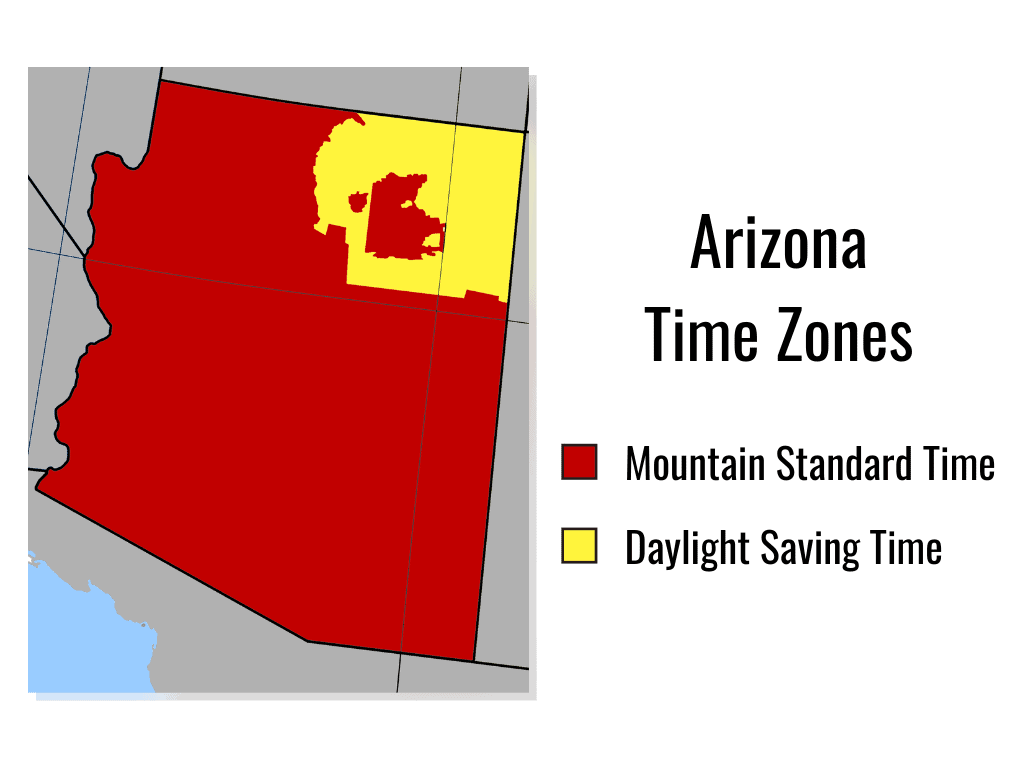
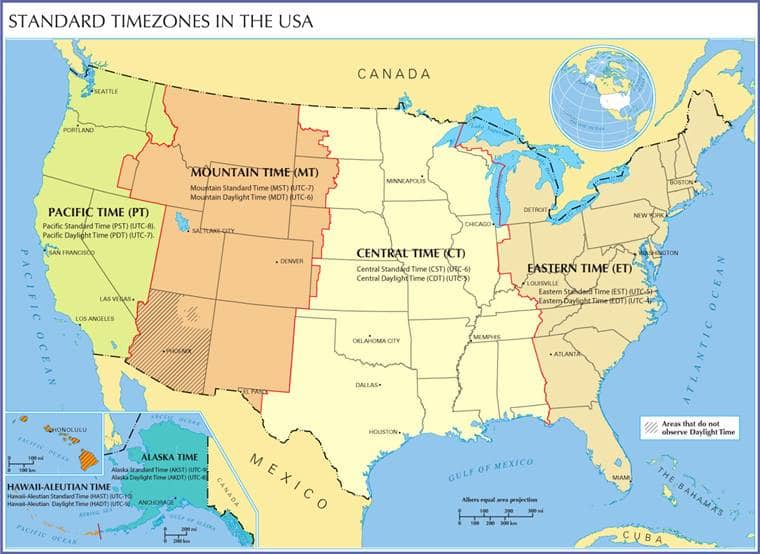
At its core, Arizona remains steadfastly on Mountain Standard Time (UTC-7) throughout the year. This means that when much of the United States “springs forward” for Daylight Saving Time in March, Arizona does not. From March to November, while its neighbors like California, Nevada, Utah, Colorado, and New Mexico shift to Mountain Daylight Time (MDT) or Pacific Daylight Time (PDT), Arizona effectively aligns with Pacific Daylight Time. Then, when the rest of the country “falls back” in November, Arizona returns to being one hour ahead of Pacific Standard Time (PST) and on par with Mountain Standard Time. This consistent approach makes it one of only two states (the other being Hawaii, with parts of Indiana also having exceptions) that largely ignore the annual clock changes.
The Rationale Behind the Perpetual MST
The primary reason for Arizona’s rejection of Daylight Saving Time is quite practical and deeply tied to its geography and climate. The state is renowned for its intense heat, especially during the long summer months. Implementing Daylight Saving Time would mean the sun setting an hour later, pushing already scorching temperatures further into the evening. This would extend the period of extreme heat, making outdoor activities, work, and even simple errands less comfortable and potentially hazardous. By staying on Mountain Standard Time year-round, residents and visitors benefit from earlier sunsets during the summer, allowing evening temperatures to cool down sooner. This decision directly impacts the lifestyle, tourism, and daily rhythms across the state, from the bustling streets of Phoenix to the serene landscapes of the Sonoran Desert. It optimizes the longer daylight hours for cooler mornings and earlier evening relief, a crucial consideration for a state where many activities, from hiking to dining al fresco, are temperature-dependent.
The Navajo Nation Exception
Adding another layer of complexity to Arizona’s time zone narrative is the sovereign Navajo Nation. This vast indigenous territory, which sprawls across northeastern Arizona, New Mexico, and Utah, does observe Daylight Saving Time. This means that for approximately eight months of the year, the Navajo Nation is one hour ahead of the rest of Arizona.
This exception is particularly important for travelers exploring iconic destinations like Monument Valley, Antelope Canyon, and Canyon de Chelly National Monument, as many of these attractions, and the tour operators that facilitate visits, are located within or operate under Navajo Nation jurisdiction. To complicate matters slightly further, nestled entirely within the Navajo Nation is the Hopi Reservation, which, similar to the majority of Arizona, does not observe Daylight Saving Time. Therefore, if you’re traveling through these areas during DST, you could potentially experience multiple time changes within a short drive! Understanding this nuance is crucial for travelers booking tours or accommodations, as miscalculating the time could lead to missed excursions or appointments.
Navigating Time Across Arizona’s Diverse Landscapes
For visitors, Arizona’s unique time zone situation means that what time it is in Phoenix might be different from what time it is for a tour starting on the Navajo Nation, and potentially different from the neighboring states you might be driving from. This requires a bit of foresight and awareness, especially when crossing state lines or exploring tribal lands.
Practical Tips for Travelers and Residents
- Always Confirm Local Time: When booking tours, flights, hotel check-ins, or dinner reservations, especially those near state borders or within the Navajo Nation, double-check the time zone specified by the provider. Most reputable tour companies and hotels in these areas are well aware of the confusion and will often specify if they are operating on “Arizona Time” or “Navajo Nation Time.”
- Set Your Devices Manually (Sometimes): While most smartphones automatically adjust, cross-border or intra-state travel can sometimes confuse devices. It’s wise to manually verify your phone’s time or simply ask a local if you’re unsure, particularly during the months when Daylight Saving Time is observed elsewhere.
- Plan Your Drives Carefully: If you’re driving from Nevada (e.g., Las Vegas) to the Grand Canyon in summer, remember that once you cross into Arizona, you’ll effectively gain an hour relative to Nevada’s current time, but if you’re heading to Page and then into the Navajo Nation for a specific Antelope Canyon tour, you might then lose an hour again. This can be tricky but exhilarating for the seasoned explorer!
- Consider Border Towns: Towns like Page, which sits near the Utah border and close to the Navajo Nation, are epicenters of this time zone intrigue. Tour operators here are usually experts in managing scheduling across different times, but a clear understanding from the traveler’s side still helps immensely.
Regional Time Considerations
The impact of Arizona’s time choice isn’t uniform across all regions. In metropolitan hubs like Phoenix, Tucson, Scottsdale, and Flagstaff, life simply proceeds on Mountain Standard Time year-round, and locals are well-accustomed to this rhythm. However, for those venturing into northern Arizona or on road trips touching multiple states, the time difference becomes a more active consideration.
For example, when driving from Las Vegas, Nevada, to the Grand Canyon South Rim during summer, travelers gain an hour as Nevada is on PDT (UTC-7) and Arizona is on MST (also UTC-7). This “extra” hour can be a welcome bonus for sightseeing. Conversely, crossing into the Navajo Nation from areas like Page (during DST) means you’d “lose” an hour, so a 9 AM tour would effectively feel like 8 AM to someone from the rest of Arizona. This unique temporal landscape adds another layer of intrigue to the already diverse travel experiences in the state, from exploring ancient ruins to admiring breathtaking vistas.
Experiencing Arizona: A Timeless Journey Through Culture and Adventure
Beyond the clocks and time zones, Arizona beckons with an incredible array of travel experiences that blend natural wonders, rich history, and modern amenities. The state’s unique time observance only enhances its appeal, offering longer daylight hours in summer evenings for enjoying outdoor dining or stargazing, or earlier mornings for invigorating hikes before the heat sets in. This approach to time shapes daily life, from the operating hours of attractions to the planning of local festivals, creating a distinctive rhythm for both residents and visitors.
Iconic Landmarks and Natural Wonders
Arizona is synonymous with dramatic landscapes. The majestic Grand Canyon stands as a monumental testament to geological time, offering awe-inspiring vistas that humble every visitor. Nearby, the otherworldly slot canyons of Antelope Canyon and the iconic curve of Horseshoe Bend near Page draw photographers and adventurers alike. Further north, the towering sandstone buttes of Monument Valley epitomize the American Southwest, offering a profound connection to the land and its indigenous heritage.
Moving south, the petrified trees of Petrified Forest National Park paint a colorful picture of prehistoric life, while the unique saguaro cacti forests of Saguaro National Park near Tucson define the enchanting Sonoran Desert landscape. History buffs will marvel at Canyon de Chelly National Monument, home to ancient Pueblo-style structures clinging to sheer cliffs. Engineering marvels like the Hoover Dam and Glen Canyon Dam also attract millions, showcasing human ingenuity against a backdrop of breathtaking natural beauty. Even the somewhat eccentric relocation of the London Bridge to Lake Havasu City offers a unique landmark experience.
Bustling Cities and Cultural Hubs
Arizona’s cities offer a vibrant contrast to its natural wonders. Phoenix, the state capital and a sprawling metropolis, boasts a dynamic food scene, luxury resorts like the Four Seasons Scottsdale or The Phoenician, and attractions such as Frank Lloyd Wright’s Taliesin West, the Heard Museum (celebrating Native American art), the Musical Instrument Museum (MIM), and the Desert Botanical Garden. Nearby, Scottsdale is renowned for its upscale shopping, art galleries, and vibrant nightlife, while Tempe and Mesa offer diverse cultural experiences and the bustling energy of major universities like Arizona State University.
Tucson, a UNESCO City of Gastronomy, captivates with its Colonial Spanish architecture, deep Mexican influence, and vibrant arts scene, home to the University of Arizona and historic sites like the San Xavier del Bac Mission. For a spiritual and scenic escape, Sedona enchants with its iconic red rock formations, believed Sedona Vortexes, and the stunning Chapel of the Holy Cross. Flagstaff, nestled at the base of the San Francisco Peaks and home to Northern Arizona University, offers a cooler climate, historic charm with its Historic Downtown Flagstaff, and access to the Coconino National Forest and Oak Creek Canyon. Smaller, historic towns like Prescott, Bisbee, Jerome, and Tombstone offer glimpses into Arizona’s mining and Old West past, while Williams and Kingman serve as popular stops along historic Route 66.
Embracing Arizona’s Unique Lifestyle and Events
Arizona’s consistent time zone allows for a predictable lifestyle and calendar of events that cater to diverse interests. Sports enthusiasts flock to the state for major events like NFL’s Super Bowl (which Phoenix has hosted multiple times), NASCAR races, and most notably, MLB Spring Training with the Cactus League in March. This annual tradition sees thousands of baseball fans descend upon Glendale, Peoria, Surprise, and Mesa to catch their favorite teams in action.
The art and culture scene thrives with year-round festivals, from the Winter Festival of Lights in Scottsdale to more specialized events like Oktoberfest in Sedona. The early onset of darkness in summer evenings due to no Daylight Saving Time creates ideal conditions for stargazing at places like the Lowell Observatory in Flagstaff, one of the world’s premier astronomical research sites. Adventure seekers can explore the many state parks, including Red Rock State Park and Slide Rock State Park in Sedona, Catalina State Park near Tucson, or delve into the stunning subterranean world of Kartchner Caverns State Park. Winter sports enthusiasts even find thrills at Arizona Snowbowl near Flagstaff.

Planning Your Arizona Adventure: Accommodation and Beyond
Understanding Arizona’s time zone is an integral part of planning a smooth and enjoyable trip, especially when it comes to travel logistics and maximizing your experience of this incredible state. From luxury resorts to budget-friendly stays, the array of accommodation options is as diverse as the landscape itself, all operating within the rhythms of Mountain Standard Time.
Finding Your Perfect Stay
Whether you’re seeking a serene escape or a bustling urban experience, Arizona offers an unparalleled selection of hotels, resorts, and unique accommodations. In cities like Phoenix and Scottsdale, you’ll find world-class luxury resorts offering opulent suites, championship golf courses, and rejuvenating spas. Many of these properties, such as the Ritz-Carlton, Dove Mountain or JW Marriott Desert Ridge Resort & Spa, become destinations in themselves, providing exquisite amenities for a lavish lifestyle experience.
For those venturing closer to natural wonders, charming boutique hotels and rustic lodges are plentiful. Near the Grand Canyon, options range from historic lodges within the national park to cozy inns in gateway towns like Tusayan or Williams. Sedona offers an array of resorts and vacation rentals with stunning red rock views, often incorporating wellness and spiritual themes. Even for budget travel or family trips, there are numerous comfortable and well-located options, from chain hotels to vacation apartments. When booking, remember to factor in the consistent Arizona time, especially for early morning excursions or late-night arrivals.
Culinary Delights and Local Flavors
Arizona’s culinary scene is as diverse as its landscape, influenced by Native American, Mexican, and cowboy traditions, alongside modern American cuisine. From upscale dining in Scottsdale to authentic Sonoran hot dogs in Tucson, there’s a flavor for every palate. The unique time zone can subtly influence dining patterns, particularly in summer. With earlier sunsets, many restaurants open their patios earlier, allowing diners to enjoy cooler evening air and spectacular golden-hour views, especially in scenic areas like Sedona or along the Colorado River near Lake Havasu City.
Beyond dining, Arizona offers a wealth of tourism experiences. Explore the vibrant arts districts, indulge in desert adventures like off-roading or hot air balloon rides, or immerse yourself in the rich history at museums such as the Arizona-Sonora Desert Museum or Old Tucson Studios. The consistent time zone simplifies planning day trips and excursions, allowing visitors to reliably coordinate activities across different parts of the state without the annual clock adjustments that can disrupt schedules elsewhere.
Ultimately, “What time is it Arizona?” is a question that reveals much about this remarkable state. It’s a land that embraces its unique natural conditions, opting for a time system that best suits its climate and the lifestyle of its inhabitants. For travelers, this means a consistent rhythm that, once understood, simplifies trip planning and enhances the overall experience of exploring its boundless beauty and diverse cultural offerings. So, set your watch (or trust your phone), and prepare for an unforgettable journey where time might be a little different, but the adventure is always timeless.
LifeOutOfTheBox is a participant in the Amazon Services LLC Associates Program, an affiliate advertising program designed to provide a means for sites to earn advertising fees by advertising and linking to Amazon.com. Amazon, the Amazon logo, AmazonSupply, and the AmazonSupply logo are trademarks of Amazon.com, Inc. or its affiliates. As an Amazon Associate we earn affiliate commissions from qualifying purchases.