
Embarking on a journey through the Golden State promises an unparalleled tapestry of experiences, from the sun-drenched beaches of Southern California to the majestic redwoods of Northern California. Whether you’re planning a thrilling road trip along the Pacific Coast Highway, exploring the vibrant cityscapes of Los Angeles and San Francisco, or venturing into the serene landscapes of Yosemite National Park and Napa Valley, navigating California’s extensive road network is a key part of the adventure. For many travelers, especially those unfamiliar with the state’s infrastructure, the concept of toll roads can present a perplexing hurdle.
Unlike some regions where cash payments are still common at toll booths, California has largely transitioned to an electronic toll collection system. This modern approach, while efficient, requires a bit of foresight to ensure a smooth and penalty-free journey. Understanding how to properly pay tolls is not just about avoiding fines; it’s about optimizing your travel budget, saving time, and ensuring a stress-free exploration of California’s diverse attractions. From iconic bridges to essential express lanes, tolls are an integral part of the state’s transportation system, designed to ease congestion and maintain vital infrastructure. This comprehensive guide aims to demystify the process, offering practical advice for every type of traveler, whether you’re a first-time visitor, a seasoned tourist, or a local on a new route.
Navigating California’s Toll Roads: An Essential Guide for Travelers
The sheer size and popularity of California as a travel destination mean its road network is constantly evolving to accommodate millions of residents and visitors. Toll roads and bridges are strategic components of this network, primarily designed to fund infrastructure improvements, manage traffic flow, and offer commuters faster routes. For tourists, understanding their location and payment mechanisms is crucial for seamless travel and budget management.
Introduction to California Tolls for Visitors
Imagine you’re driving from Los Angeles to Disneyland or heading to a beach resort in Laguna Beach. You might encounter a toll road that offers a quicker passage, bypassing heavy traffic. Without prior knowledge, this could lead to confusion or, worse, unexpected fines. Unlike some toll systems where you stop at a booth to pay cash, many California tolls are “open road” systems, meaning you drive right through, and your vehicle’s license plate is photographed. The onus is then on you to make a payment. This system, while efficient, can catch unsuspecting drivers off guard. Our goal here is to equip you with the knowledge to drive confidently, knowing exactly how to handle any toll road you encounter. This proactive approach will allow you to focus on the stunning scenery and incredible experiences California has to offer, rather than worrying about an outstanding toll bill.
Where You’ll Encounter Tolls: Key Regions and Roads
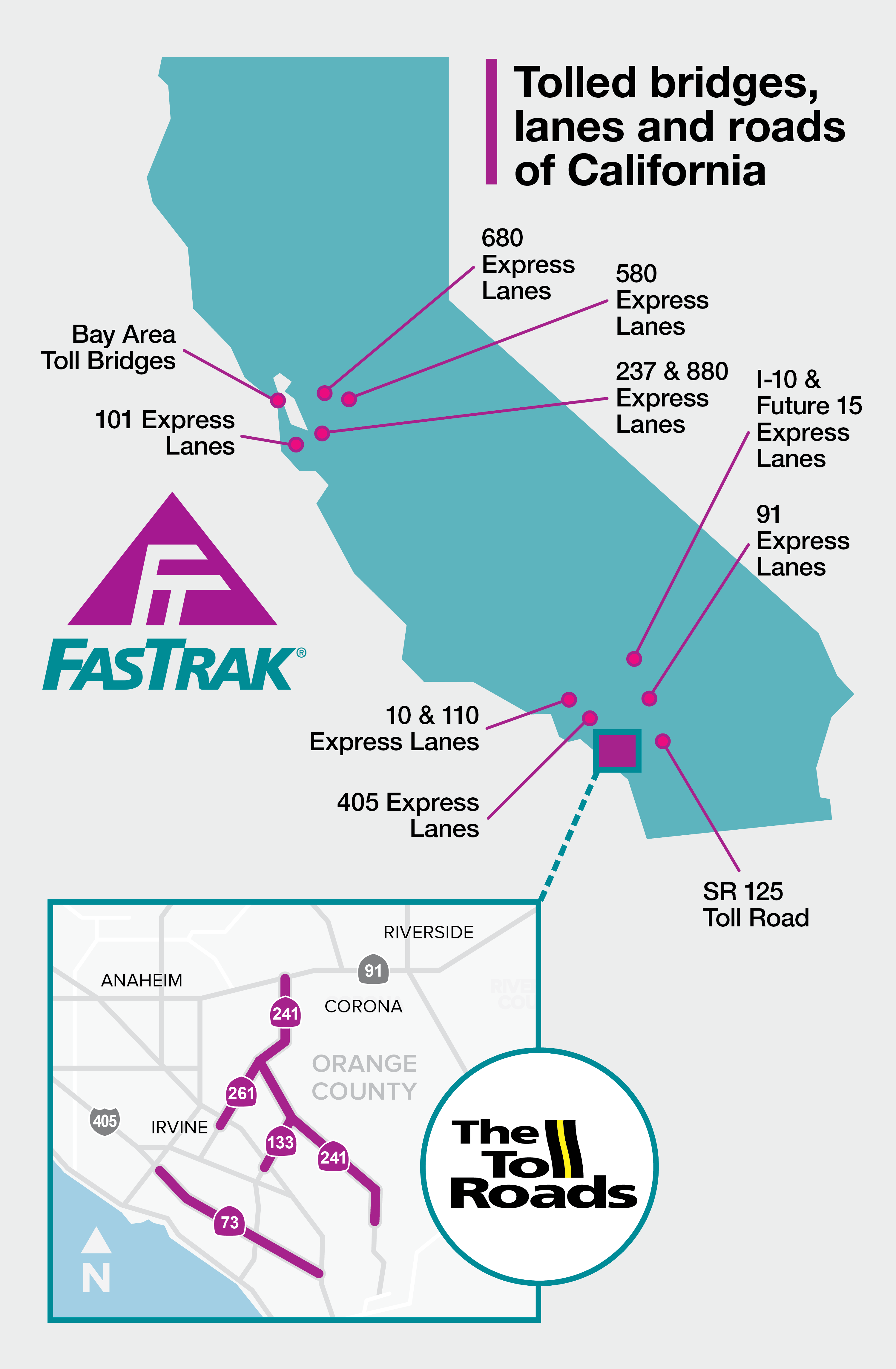
Tolls in California are concentrated in specific regions, primarily the San Francisco Bay Area and Orange County, with a few express lanes scattered elsewhere. Knowing these hotspots can help you plan your routes effectively.
The Bay Area’s Iconic Bridges
The Bay Area is renowned for its magnificent bridges, many of which are toll facilities. These include the iconic Golden Gate Bridge, the San Francisco-Oakland Bay Bridge, the Richmond-San Rafael Bridge, the San Mateo-Hayward Bridge, the Dumbarton Bridge, the Benicia-Martinez Bridge, the Carquinez Bridge, and the Antioch Bridge. It’s important to note that most of these bridges collect tolls only in one direction, typically when traveling into San Francisco or south/east across the bay. The Golden Gate Bridge, for example, is toll-free when heading north into Marin County but charges a toll when entering San Francisco. None of these bridges accept cash payments at toll booths anymore, making electronic payment methods essential. This shift has streamlined traffic but requires drivers to be prepared with an appropriate payment method.
The Toll Roads of Orange County
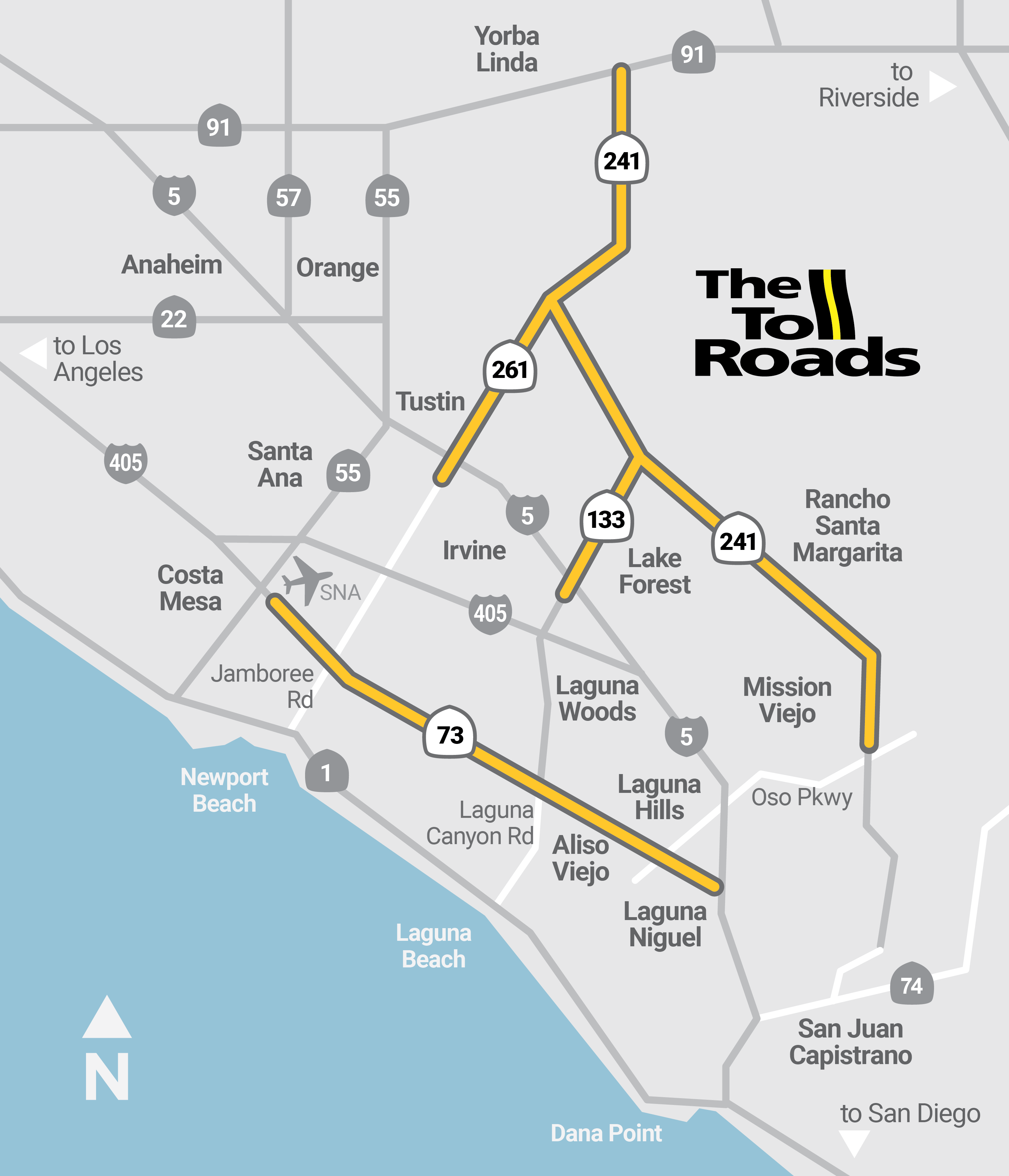
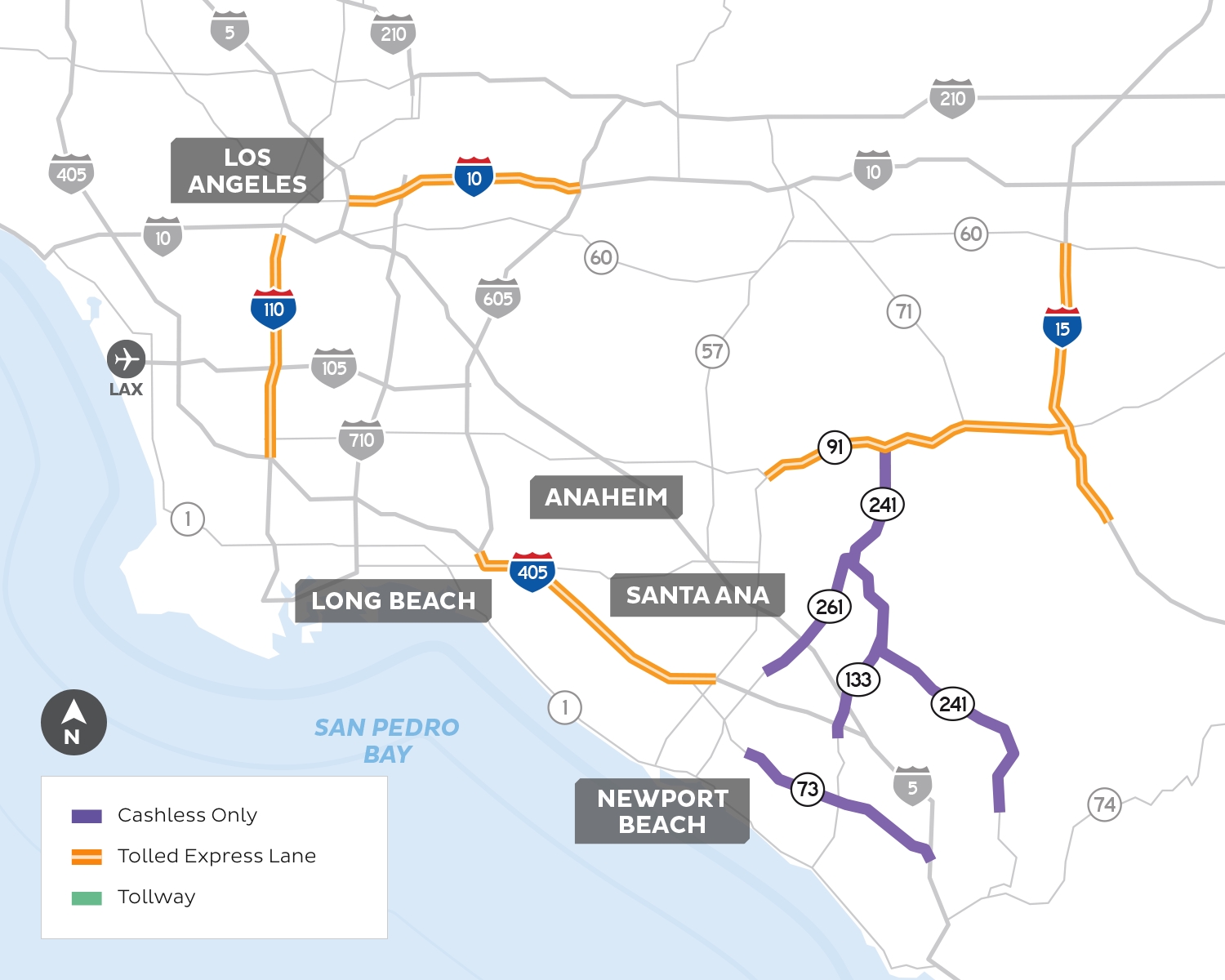
South of Los Angeles, Orange County is home to a system of privately operated toll roads known collectively as The Toll Roads. These include State Route 73 (SR 73), State Route 133 (SR 133), State Route 241 (SR 241), and State Route 261 (SR 261). These roads offer a faster alternative to the often-congested freeways, especially useful if you’re commuting to business hubs like Irvine or visiting coastal cities such as Newport Beach. Like the Bay Area bridges, The Toll Roads operate entirely electronically, with no cash payment options available at any point. They utilize overhead gantries that photograph license plates, requiring drivers to pay online or via an account.
Other Express Lanes and Toll Facilities
Beyond these main areas, California also features various express lanes (often referred to as FasTrak lanes or High-Occupancy Toll/HOT lanes) on existing freeways. Notable examples include sections of Interstate 15 (I-15) Express Lanes in San Diego and Riverside counties, and the State Route 125 (SR 125) South Bay Expressway also in San Diego. These lanes typically have dynamic pricing, meaning the toll amount changes based on congestion levels, offering solo drivers the option to pay for a faster commute. Carpoolers, or vehicles with a certain number of occupants and a transponder, can sometimes use these lanes for free or at a reduced rate. Understanding these various toll points is the first step towards a stress-free travel experience across California.
Primary Payment Methods for California Tolls
Successfully navigating California’s toll roads hinges on understanding the various payment methods available. Unlike the days of fumbling for change at a toll booth, the state has embraced electronic systems that prioritize efficiency and convenience, provided you’re prepared.
FasTrak: The Preferred and Most Economical Option
FasTrak is California’s electronic toll collection system and is by far the most convenient and cost-effective way to pay tolls. It uses a small, portable electronic device, called a transponder, which you mount on your vehicle’s windshield. As you drive through a toll facility, the transponder communicates with an overhead antenna, and the toll amount is automatically deducted from your prepaid FasTrak account.
The primary benefit of FasTrak is convenience; you never have to stop or worry about missing a payment. Moreover, tolls are often discounted for FasTrak users compared to other payment methods. This makes it an attractive option for anyone planning to use toll roads frequently during their stay or for those prioritizing a smooth, uninterrupted drive. While primarily beneficial for residents, visitors on extended trips or those planning extensive driving in toll areas may also find opening a FasTrak account worthwhile.
Setting Up Your FasTrak Account
Setting up a FasTrak account is straightforward. You can open an account online, by phone, or in person at various retail locations. You’ll typically need to provide your vehicle’s license plate number and a payment method (credit card or bank account) to set up automatic replenishment. Once your account is active, you’ll receive a transponder by mail, which you’ll then register to your vehicle. Some agencies, such as The Toll Roads in Orange County, also offer sticker transponders that are less visible and can be purchased directly from their websites or at retail outlets. It’s crucial to ensure your account always has sufficient funds, as an account with a negative balance can lead to penalties. The initial minimum balance varies depending on the agency, usually around $25.
One-Time Payments: Flexibility for Infrequent Users
For travelers who anticipate using a toll road only once or very infrequently, opening a FasTrak account might seem like overkill. In these scenarios, the “One-Time Payment” option is a highly flexible solution. This method allows you to pay tolls after you’ve driven on a toll facility, without needing an account or transponder.
How and When to Make a One-Time Payment
The process for a one-time payment involves remembering the date and time you used the toll road, along with your vehicle’s license plate number. You typically have a limited window – usually up to 5 days before and 5 days after your trip – to make a payment online or by phone. Simply visit the website of the specific toll agency (e.g., The Toll Roads or Bay Area Toll Authority) and follow the instructions for a one-time payment. You’ll enter your vehicle details and the date of travel, and the system will identify your toll(s). It’s essential to pay within the specified timeframe to avoid penalties. Missing this window will result in a “Toll Invoice” being mailed to the registered owner of the vehicle, which will include additional administrative fees. This method offers excellent flexibility for spontaneous trips but requires diligence in remembering to pay.
License Plate Accounts: A Convenient Alternative
A License Plate Account offers a middle ground between a full FasTrak account and a one-time payment. With this type of account, you link your vehicle’s license plate to a prepaid balance, but you don’t receive a physical transponder. When you drive on a toll road, cameras capture your license plate, and the toll is automatically deducted from your account.
This option is particularly useful for those who use toll roads somewhat regularly but perhaps not enough to warrant a transponder, or for individuals who prefer not to have a device on their windshield. It provides the convenience of automatic payment without the hardware. You can set up a License Plate Account online, providing your vehicle information and a payment method for automatic replenishment. While generally more expensive than FasTrak (as you don’t receive the transponder discount), it’s still significantly cheaper than receiving a toll invoice with penalties. It also eliminates the stress of remembering to make a one-time payment after each trip.
Special Considerations for Visitors and Rental Cars
For travelers exploring California in a rental car, paying tolls requires an extra layer of awareness. The agreements with rental car companies can be complex, and missteps can lead to significant additional charges.
Rental Car Agreements and Tolls: What You Need to Know
Many visitors to California opt for a rental car to explore the diverse landscapes, from the bustling streets of San Jose to the scenic routes of Big Sur. However, rental car agencies often have their own programs for handling tolls, which can add unexpected costs to your trip if you’re not careful. These programs typically involve a daily or per-toll service fee on top of the actual toll charge, even if you only use a toll road once.
Understanding Rental Car Toll Programs
Rental car companies usually partner with third-party toll management services or have their own proprietary systems. When you drive a rental car through an electronic toll plaza without your own FasTrak transponder or a pre-arranged payment, the toll agency photographs the license plate, identifies it as a rental vehicle, and sends an invoice to the rental company. The rental company then processes this toll, often adding a substantial “administrative fee” or “convenience fee” for each toll or a daily fee for the entire rental period, regardless of actual toll usage. This can quickly inflate your travel expenses. For instance, a $5 toll could end up costing you $15-$25 or more once the rental company’s fees are applied. It’s crucial to inquire about the rental company’s toll policy when you pick up the vehicle and to read your rental agreement carefully.
Avoiding Extra Fees with Your Rental
To avoid these potentially steep rental car toll fees, you have several options:
- Use your personal FasTrak transponder: If you have your own portable FasTrak transponder, you can typically use it in your rental car. Just be sure to add the rental car’s license plate number to your FasTrak account for the duration of your rental period and remove it afterward. This ensures the tolls are charged directly to your account.
- Make a One-Time Payment: If you know you’ll only use a toll road occasionally, you can make a one-time payment online for the rental car’s license plate. Be extremely diligent about this, as you’ll need to know the exact dates of travel and the rental car’s license plate number, which can be tricky if you swap cars or forget.
- Open a temporary License Plate Account: Some toll agencies allow you to open a temporary License Plate Account linked to your rental car’s license plate. This is similar to a personal FasTrak account but without the transponder. You’ll need to remember to close the account once your rental period is over.
- Opt out of the rental company’s program (if possible): Some rental companies allow you to decline their toll program, but this places the full responsibility on you to pay tolls promptly. If you choose this, ensure you commit to one of the above methods. Always confirm the rental company’s policy on this, as some programs are mandatory.
- Plan toll-free routes: For budget-conscious travelers, using navigation apps like Google Maps or Waze with the “avoid tolls” option can help you navigate California without encountering any tolls. This might add time to your journey, but it guarantees no surprise charges.
International Visitors and Toll Payments
International visitors face similar challenges to domestic travelers using rental cars, but with an added layer of complexity. If you’re an international tourist, setting up a FasTrak account might be difficult without a U.S. address or bank account. The most practical solutions are often:
- Rental Car Toll Programs (with caution): Carefully review the rental car agreement and be prepared for the associated fees. Sometimes, despite the added cost, the convenience offered by rental car programs is the path of least resistance for short-term international visitors.
- One-Time Payments: This is generally the best option if you’re not using a rental car’s program. You can usually pay online with an international credit card. Just be sure to do it within the specified timeframe.
- Designated Visitor Accounts: Some toll agencies are developing or have visitor-specific accounts that simplify payment for non-residents. Check the specific toll agency websites (e.g., The Toll Roads or FasTrak) for the most up-to-date options for international visitors.
Avoiding Fines and Navigating Non-Payment
The electronic nature of California’s toll system means that unpaid tolls don’t disappear; they accumulate, often with escalating penalties. Proactive management is key to avoiding costly fines and potential complications with vehicle registration.
The Consequences of Unpaid Tolls
If you pass through a toll facility without a valid FasTrak account, a License Plate Account, or without making a one-time payment within the allowed window, the toll agency will mail a “Toll Invoice” to the registered owner of the vehicle. This invoice will include the original toll amount plus an administrative fee, usually around $25. If this invoice goes unpaid, it will escalate into a “Notice of Delinquent Toll Violation,” which dramatically increases the penalty, potentially to $50-$100 per unpaid toll, in addition to the original toll amount and administrative fee.
Continued non-payment can lead to serious consequences:
- Vehicle Registration Holds: The California Department of Motor Vehicles (DMV) can place a hold on your vehicle registration, preventing you from renewing it until all outstanding tolls and penalties are paid.
- Collection Agencies: Unpaid violations can be sent to collection agencies, impacting your credit score.
- Court Appearances: In extreme cases of repeated non-payment, individuals may be required to appear in court.
- Rental Car Company Charges: For rental cars, the rental company will pay the fine and then charge it back to you, often with their own additional hefty administrative fees, as discussed earlier.
What to Do If You Miss a Payment
If you realize you’ve missed a toll payment or receive a Toll Invoice, don’t panic, but act quickly.
- Pay the Toll Invoice Promptly: The sooner you pay, the less the penalties will be. Most agencies provide multiple payment options: online, by mail, or by phone.
- Contact the Toll Agency: If you believe there’s an error on your invoice (e.g., you had a valid FasTrak transponder, or the vehicle wasn’t yours), contact the issuing toll agency immediately. Provide all relevant details, including the invoice number and date of travel.
- Dispute a Violation: If you receive a “Notice of Delinquent Toll Violation” and believe it’s incorrect, you have the right to dispute it. Follow the instructions on the notice carefully, providing any supporting evidence. Deadlines for disputes are strict, so don’t delay.
- Set Up a FasTrak Account Retroactively: In some cases, if you open a FasTrak account shortly after incurring a toll, you might be able to apply the tolls to your new account or get a reduction in penalties. This varies by agency and should be confirmed directly with them.
Proactive monitoring of your driving in California is the best defense against fines. Always assume any bridge or fast lane could be a toll facility and prepare accordingly.
Smart Travel Tips for a Seamless California Journey
Beyond understanding the mechanics of toll payments, adopting smart travel habits can greatly enhance your overall California experience, ensuring your focus remains on enjoyment rather than logistics.
Planning Your Route with Tolls in Mind
One of the most effective ways to manage tolls is to plan your routes meticulously before you set off. Whether you’re on a romantic getaway to Santa Barbara, a family trip to San Diego, or a business stay in Sacramento, incorporating tolls into your navigation strategy is essential.
- Check Maps in Advance: Before your trip, familiarize yourself with the major toll roads and bridges in the areas you plan to visit, particularly the Bay Area and Orange County.
- Use “Avoid Tolls” Option: When using GPS navigation apps like Google Maps, Waze, or Apple Maps, remember to activate the “avoid tolls” option if you prefer to bypass them entirely. Be mindful that this might result in longer travel times, especially during peak hours.
- Research Specific Attractions: If you’re heading to a specific attraction, such as Disneyland or a concert venue in Hollywood, check if the most direct routes involve toll roads. Sometimes, a slightly longer, toll-free alternative can save you money and hassle. This is particularly relevant for budget travelers who want to stretch their travel funds further.
Leveraging Technology: Navigation Apps and Websites
Modern technology offers invaluable tools for managing tolls:
- Real-time Toll Information: Apps like Waze are excellent for providing real-time toll information, including estimated costs, which can be particularly useful for express lanes with dynamic pricing.
- Official Toll Websites: Bookmark the official websites for FasTrak, The Toll Roads, and the Bay Area Toll Authority. These are your primary resources for opening accounts, making one-time payments, checking balances, and understanding any policy changes.
- Toll Calculators: Some toll agencies offer online toll calculators that allow you to estimate the cost of your trip beforehand. This is especially helpful for budget planning for longer journeys.
Budgeting for Tolls on Your California Adventure
Tolls, while seemingly minor, can add up, especially on extended trips or if you frequently use express lanes. Including them in your overall travel budget can prevent unwelcome surprises.
- Estimate Costs: Before your trip, make a rough estimate of potential toll costs based on your planned itinerary. Factor this into your daily spending budget, alongside accommodation, food, and activities.
- Consider a FasTrak Account for Longer Stays: If your trip to California is extended (e.g., a long-term stay for work or leisure) or involves extensive driving in toll-heavy areas like Orange County and the Bay Area, opening a FasTrak account might be the most economical and convenient option in the long run.
- Factor in Rental Car Fees: For those using rental cars, always budget for the potential rental company toll fees, which can be significantly higher than the actual toll itself. Assume the highest possible fee scenario to avoid surprises. This foresight ensures your travel budget remains intact, allowing you to fully enjoy everything from the culinary delights of Oakland to the natural wonders of Lake Tahoe.
Conclusion: Drive Smarter, Explore More
Navigating California’s toll roads might seem daunting at first, given the state’s move towards electronic payment systems. However, with a clear understanding of your options – from the convenience of FasTrak to the flexibility of one-time payments – you can ensure a smooth and penalty-free journey. For travelers, especially those relying on rental cars, pre-planning and familiarizing yourself with toll policies are paramount to avoid unexpected fees and streamline your adventure.
By leveraging technology, planning your routes strategically, and budgeting for potential toll costs, you can transform a potential source of stress into a seamless aspect of your California travel experience. Whether you’re chasing the sun along the coast, exploring vibrant cities like San Jose and Berkeley, or embarking on a thrilling family trip, being prepared for tolls allows you to focus on what truly matters: soaking in the diverse culture, breathtaking landscapes, and unforgettable moments that only California can offer. Drive smarter, explore more, and let nothing stand in the way of your ultimate California dream trip.
LifeOutOfTheBox is a participant in the Amazon Services LLC Associates Program, an affiliate advertising program designed to provide a means for sites to earn advertising fees by advertising and linking to Amazon.com. Amazon, the Amazon logo, AmazonSupply, and the AmazonSupply logo are trademarks of Amazon.com, Inc. or its affiliates. As an Amazon Associate we earn affiliate commissions from qualifying purchases.