
The journey between two of the Midwest’s most vibrant cities, Chicago, Illinois, and Milwaukee, Wisconsin, is a well-trodden path for both leisure and business travelers. Whether you’re planning a quick weekend getaway, a significant business trip, or exploring the rich cultural tapestry of the Great Lakes region, understanding the distance and various travel options is the first step towards an unforgettable experience. This guide delves into the proximity of these urban hubs, offering insights into how to navigate the trip, what to expect along the way, and how to make the most of your time in both destinations.

The Proximity: Unveiling the Distance Between Chicago and Milwaukee
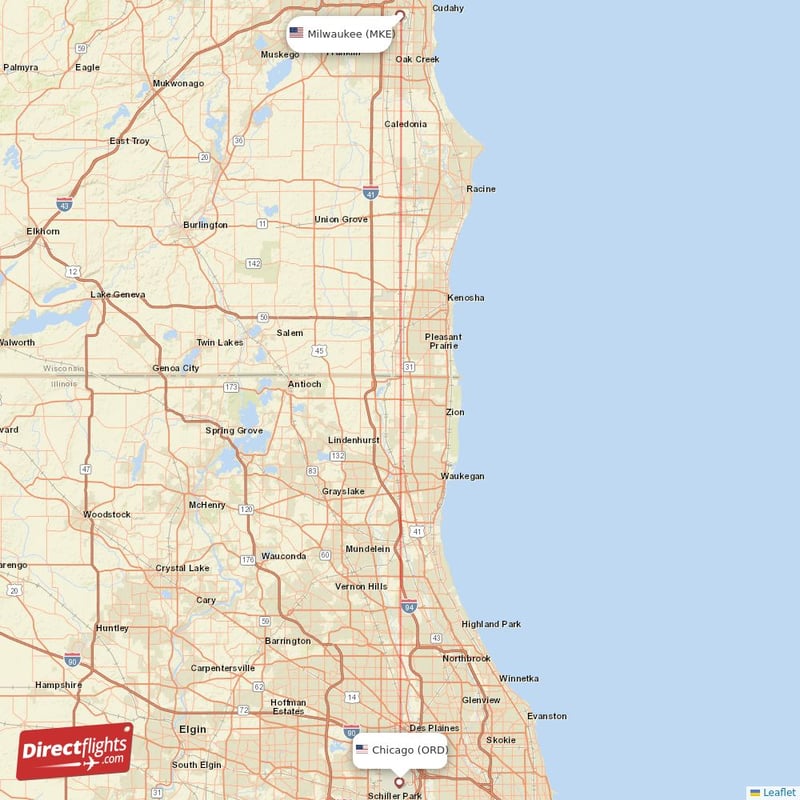
The relatively short distance between Chicago and Milwaukee makes them ideal neighbors for spontaneous excursions or planned itineraries. Situated along the picturesque shores of Lake Michigan, these cities offer a convenient connection that travelers frequently utilize.
Straight-Line vs. Driving Distance
When we talk about distance, it’s essential to distinguish between the straight-line (as the crow flies) and the actual driving distance. The straight-line distance between the city centers of Chicago and Milwaukee is approximately 80 to 85 miles (around 129-137 kilometers). This aerial measurement provides a good sense of their close geographic relationship.
However, for most travelers, the practical measure is the driving distance. Taking the most direct route, primarily via Interstate 94 (I-94) North, the average driving distance is around 90 to 95 miles (approximately 145-153 kilometers). This route traces a path around the southwestern edge of Lake Michigan, offering a generally flat and straightforward drive. Depending on specific starting and end points within each metropolitan area, this distance can vary slightly.
Why the Distance Matters for Travelers
The moderate distance between these two cities is a significant advantage for travelers. It means:
- Ease of Day Trips and Weekend Getaways: The commute is short enough to facilitate day trips, allowing visitors to experience the highlights of either city without requiring an overnight stay, although an overnight stay is highly recommended to fully immerse yourself.
- Business Travel Efficiency: For professionals, the connectivity allows for quick commutes between business hubs, fostering collaboration and market access across state lines.
- Access to Two Distinct Cultures: Travelers can easily combine a trip to Chicago’s bustling metropolis with Milwaukee’s more relaxed, yet equally vibrant, “Brew City” culture. This dual-city experience offers a broader perspective on the Midwestern lifestyle, from world-class museums and architectural marvels to historic breweries and scenic lakefronts.
- Diverse Event Participation: Whether it’s a major sporting event in Chicago or Summerfest in Milwaukee, the proximity allows residents and visitors alike to participate in a wide array of festivals, concerts, and conventions in both cities throughout the year.
Navigating the Journey: Your Travel Options
Traveling between Chicago and Milwaukee offers a variety of transportation methods, each with its own advantages in terms of cost, convenience, and travel time. Choosing the right mode depends on your budget, schedule, and personal preferences.
Driving: Flexibility and Scenic Routes
Driving is arguably the most popular way to travel between Chicago and Milwaukee due to the flexibility it offers.
- Route: The primary route is I-94 North. This interstate is well-maintained and typically offers a smooth ride.
- Travel Time: Under ideal conditions (no traffic, good weather), the drive usually takes around 1 hour and 30 minutes to 2 hours. However, traffic congestion, especially during peak hours around Chicago or on weekend afternoons heading into Wisconsin, can significantly extend this, sometimes pushing it to 2.5 to 3 hours or more.
- Pros:
- Flexibility: Depart and arrive on your own schedule.
- Convenience: Ideal for travelers with luggage, families with children, or those who prefer door-to-door service.
- Scenic Detours: While I-94 is direct, you can choose alternative routes closer to Lake Michigan for more scenic views, though these will add to your travel time.
- Cons:
- Traffic: Can be a major deterrent, particularly around Chicago’s metropolitan area.
- Parking: Finding and paying for parking in both city centers can be costly and challenging.
- Tolls: Expect to encounter tolls on parts of the interstate around Chicago.
Rail Travel: Comfort and Convenience with Amtrak
For those who prefer to relax and avoid the stresses of driving, train travel is an excellent option.
- Service: Amtrak’s Hiawatha Service runs multiple times a day between Chicago’s Union Station and the Milwaukee Intermodal Station.
- Travel Time: The train journey is incredibly efficient, typically taking just 1 hour and 30 minutes.
- Pros:
- Speed: Often quicker than driving, especially considering potential traffic.
- Comfort: Spacious seating, a cafe car, and the ability to move around.
- Convenience: Stations are centrally located in both cities, reducing the need for extensive local travel.
- Relaxation: Enjoy the scenery, read, work, or simply unwind without worrying about navigation.
- Cons:
- Fixed Schedule: You’re bound by train departure times.
- Cost: While often competitive with gas and parking, it can be pricier than bus travel, especially for last-minute bookings.
Bus Services: Economical and Accessible
Bus travel provides a cost-effective solution for those on a budget or looking for a simple, direct connection.
- Providers: Companies like Badger Bus and Greyhound offer frequent services between the two cities.
- Travel Time: Similar to driving, bus journeys typically range from 1 hour and 45 minutes to 2 hours and 30 minutes, depending on the number of stops and traffic conditions.
- Pros:
- Affordability: Generally the cheapest option, especially when booked in advance.
- Convenience: Many services depart from and arrive at central locations, often near train stations.
- Environmental Impact: A more eco-friendly option compared to driving alone.
- Cons:
- Comfort: Can be less comfortable than train travel, with less personal space.
- Punctuality: Subject to traffic delays, which can impact arrival times.
Air Travel: Quickest but Often Unnecessary
While both cities have international airports (O’Hare International Airport and Midway International Airport in Chicago; Milwaukee Mitchell International Airport in Milwaukee), flying between them is almost universally considered impractical due to the short distance.
- Travel Time: The actual flight time is minimal (around 30-45 minutes), but the total travel time, including getting to and from airports, security checks, and boarding, would far exceed that of driving, bus, or train.
- Pros: Generally none for this particular route.
- Cons:
- Inefficient: Takes significantly longer overall.
- Cost: Much more expensive than other options.
- Hassle: Airport procedures and transfers add unnecessary stress.
Beyond the Miles: Exploring What Awaits
The journey isn’t just about the distance; it’s about the destinations. Both Chicago and Milwaukee offer unique attractions, diverse culinary scenes, and rich cultural experiences that cater to every type of traveler.
Discovering Chicago’s Iconic Landmarks and Urban Charms
Chicago, often called the “Windy City,” is a global metropolis renowned for its stunning architecture, world-class museums, and vibrant arts scene.
- Landmarks & Attractions:
- Millennium Park: Home to the iconic “Cloud Gate” (the Bean), Pritzker Pavilion, and Crown Fountain.
- Art Institute of Chicago: One of the oldest and largest art museums in the United States, boasting an incredible collection.
- Navy Pier: A family-friendly destination with rides, restaurants, shops, and stunning lakefront views.
- Magnificent Mile: A shopper’s paradise along North Michigan Avenue, featuring high-end boutiques and department stores.
- Willis Tower (formerly Sears Tower): Experience breathtaking panoramic views from the Skydeck, including “The Ledge” glass balconies.
- Museum Campus: Home to the Field Museum, Shedd Aquarium, and Adler Planetarium.
- Culture & Food:
- Indulge in classic Chicago deep-dish pizza, Chicago-style hot dogs, and a thriving fine dining scene.
- Explore diverse neighborhoods like Wicker Park, Lincoln Park, and River North, each offering unique boutiques, galleries, and eateries.
- Catch a show at one of the many world-renowned theaters or enjoy live music at legendary jazz and blues clubs.
Unearthing Milwaukee’s Hidden Gems and Brew City Culture
Milwaukee, while smaller than its southern neighbor, holds its own with a rich history, a vibrant arts scene, and an undeniable charm. Known as “Brew City,” it proudly celebrates its brewing heritage.
- Landmarks & Attractions:
- Harley-Davidson Museum: A must-visit for motorcycle enthusiasts and history buffs, showcasing the legendary brand’s heritage.
- Milwaukee Art Museum: Famous for its iconic Quadracci Pavilion with its movable “wings” (Burke Brise Soleil) and an impressive collection spanning various eras.
- Historic Third Ward: A trendy warehouse district now filled with boutiques, art galleries, restaurants, and the popular Milwaukee Public Market.
- Brewery Tours: Explore the city’s brewing past and present with tours at Miller Brewery, Lakefront Brewery, or Pabst Mansion.
- Milwaukee Riverwalk: Stroll along the river, enjoy public art, and dine at waterside restaurants.
- Culture & Food:
- Sample diverse local cuisine, from traditional German influences to modern farm-to-table establishments.
- Experience the lively atmosphere of neighborhoods like Brady Street or Bay View.
- Enjoy Summerfest, the “World’s Largest Music Festival,” or countless other seasonal events that highlight Milwaukee’s festive spirit.
Planning Your Stay: Accommodation and Experiences
Whether your journey is for luxury travel or a budget-friendly adventure, both Chicago and Milwaukee offer a wide array of accommodation options and tailored experiences to suit every lifestyle.
Hotels and Resorts: Finding Your Perfect Retreat
From opulent five-star resorts to charming boutique hotels and convenient extended-stay apartments, securing the right accommodation is key to a comfortable trip.
- Luxury & Boutique Hotels:
- In Chicago, options like The Langham Chicago, The Peninsula Chicago, or Four Seasons Hotel Chicago offer unparalleled service, amenities, and often breathtaking views of the city or Lake Michigan.
- Milwaukee boasts historic luxury at the Pfister Hotel, unique design at The Iron Horse Hotel, and modern elegance at the Kimpton Journeyman Hotel, often found in revitalized districts like the Historic Third Ward.
- Mid-Range & Budget-Friendly:
- Both cities have numerous reliable chain hotels such as Hilton, Marriott, and Hyatt, offering comfortable stays with essential amenities. Consider locations slightly outside the immediate city center for better value.
- Hostels and guesthouses are also available, particularly in Chicago, for the most budget-conscious travelers.
- Apartments & Villas: For longer stays, family trips, or those seeking a home-away-from-home feel, serviced apartments or short-term villa rentals provide kitchen facilities and more living space, often offering a more authentic local experience.
- Booking Tips:
- Book well in advance, especially during peak seasons or major events like Summerfest in Milwaukee or conventions in Chicago.
- Compare prices across various booking platforms and check for direct hotel deals.
- Read reviews to ensure the accommodation meets your expectations for cleanliness, service, and location.
Budget to Luxury: Tailoring Your Lifestyle Journey
Your travel style significantly influences your itinerary, from dining choices to activities.
- Luxury Travel: Indulge in gourmet dining experiences, stay in five-star suites, book private tours of landmarks, and enjoy high-end shopping on Chicago’s Magnificent Mile. In Milwaukee, this might include private brewery experiences or upscale dining along the Riverwalk.
- Budget Travel: Explore free attractions like Millennium Park or Lincoln Park Zoo in Chicago. Utilize public transportation, enjoy street food or local diners, and opt for hostels or economy hotels. Milwaukee offers plenty of affordable fun, from exploring its distinct neighborhoods to enjoying free outdoor concerts.
- Family Trips: Look for hotels with pools and family-friendly amenities. Plan visits to attractions like the Shedd Aquarium or Museum of Science and Industry in Chicago, or the Milwaukee County Zoo and Discovery World in Milwaukee.
- Business Stays: Choose accommodations with business centers, reliable Wi-Fi, and convenient access to convention centers or corporate offices. Both cities are well-equipped with hotels catering to business travelers, often with executive lounges and meeting facilities. Consider properties close to Chicago’s McCormick Place or Milwaukee’s Wisconsin Center.
Making the Most of Your Trip: Tips and Considerations
A well-planned trip ensures a smoother and more enjoyable experience. Keep these tips in mind when traveling between Chicago and Milwaukee.
Seasonal Travel and Events
- Summer (June-August): Both cities truly come alive. Chicago hosts numerous outdoor festivals, beach activities, and boat tours. Milwaukee is famous for Summerfest and a multitude of ethnic festivals. While vibrant, expect larger crowds and higher accommodation prices. Book everything well in advance.
- Fall (September-November): Pleasant weather makes for comfortable exploration, beautiful autumn foliage, and fewer crowds than summer. It’s an excellent time for architectural boat tours in Chicago or enjoying harvest festivals in Wisconsin.
- Winter (December-February): Expect cold temperatures and snow. While some outdoor activities are limited, indoor attractions like museums, theaters, and holiday markets provide plenty of entertainment. Accommodation prices are often lower, making it a good time for budget travelers.
- Spring (March-May): The cities gradually awaken from winter, with blooming flowers and warming temperatures. It’s a great time for cultural events and enjoying the nascent outdoor scene before the summer rush.

Local Cuisine and Cultural Immersion
Don’t just see the sights; taste the local flavors and immerse yourself in the unique cultures of each city.
- Chicago: Beyond deep-dish pizza and hot dogs, explore diverse culinary neighborhoods like Pilsen for Mexican cuisine, Chinatown for authentic Asian fare, or Andersonville for its Swedish heritage. Attend a improv show at The Second City or listen to live jazz in Bronzeville.
- Milwaukee: Embrace its German roots with hearty pub food and of course, a wide selection of craft beers. The Milwaukee Public Market is a must-visit for local delicacies. Explore the distinct character of neighborhoods like Walker’s Point, known for its culinary scene and LGBTQ+ friendly establishments, or the historic architecture of Yankee Hill.
By understanding the distance, exploring your transportation options, and planning your itinerary to embrace the unique offerings of both Chicago and Milwaukee, you’re set for a fulfilling and memorable journey between these two Midwestern gems. Whether it’s the towering skyscrapers of Chicago or the historic breweries of Milwaukee, an incredible experience awaits just a short distance away.
LifeOutOfTheBox is a participant in the Amazon Services LLC Associates Program, an affiliate advertising program designed to provide a means for sites to earn advertising fees by advertising and linking to Amazon.com. Amazon, the Amazon logo, AmazonSupply, and the AmazonSupply logo are trademarks of Amazon.com, Inc. or its affiliates. As an Amazon Associate we earn affiliate commissions from qualifying purchases.