
California, a land of innovation, stunning landscapes, and unparalleled opportunity, attracts entrepreneurs from across the globe eager to launch their ventures in its dynamic economy. From the tech giants of Silicon Valley to the sun-kissed vineyards of Napa Valley and the vibrant entertainment hubs of Los Angeles, the Golden State offers a diverse ecosystem for nearly every type of business. However, before you can embark on your entrepreneurial journey, understanding the intricate process of registering a business in California is paramount. This guide will walk you through the essential steps, ensuring your enterprise is properly established and ready to thrive amidst California’s unique blend of innovation, culture, and tourism. Whether you envision a boutique hotel catering to discerning travelers, a culinary experience showcasing local flavors, or a tech startup revolutionizing digital landscapes, getting your registration right is the first critical step towards success in this sought-after destination.

Laying the Foundation: Essential Pre-Registration Steps
Before officially registering your business, several foundational decisions must be made. These initial choices will significantly impact your operational structure, legal obligations, and long-term financial health. Taking the time to consider each of these elements thoughtfully will pave the way for a smoother registration process and a more robust business model, allowing you to focus on the unique travel experiences, luxurious accommodations, or local cultural engagements your business will offer.
Choosing the Right Business Structure for Your Vision
The selection of your business structure is perhaps the most crucial decision you’ll make. It defines your legal liability, tax obligations, and administrative requirements. California recognizes several common business structures, each with distinct advantages and disadvantages:
-
Sole Proprietorship: This is the simplest and least expensive structure to form. It’s ideal for individual entrepreneurs, often service providers or freelancers, where the business and owner are legally inseparable. The owner reports business income and losses on their personal tax return. While offering maximum control and minimal paperwork, a sole proprietorship provides no personal liability protection, meaning your personal assets could be at risk if the business incurs debt or legal issues. Many small businesses in the travel and tourism sector, such as independent tour guides or travel consultants, might start as sole proprietorships due to their simplicity.
-
Partnership: Similar to a sole proprietorship but involves two or more owners. A general partnership implies all partners share in profits, losses, and liabilities. A limited partnership (LP) or limited liability partnership (LLP) offers some liability protection for certain partners, often those who contribute capital but aren’t involved in day-to-day management. Partnerships are common for ventures like co-owned bed and breakfasts, joint ventures in destination management, or collaborations between chefs opening a new restaurant. Like sole proprietorships, general partnerships lack personal liability protection for all partners.
-
Limited Liability Company (LLC): An LLC combines the liability protection of a corporation with the pass-through taxation of a sole proprietorship or partnership. Owners (members) are generally not personally liable for the company’s debts or liabilities, protecting personal assets. LLCs offer flexibility in management and taxation, making them popular for a wide range of businesses, including hotels, vacation rental management companies, or travel experience providers. Forming an LLC in California involves filing Articles of Organization with the California Secretary of State.
-
Corporation (C-Corp or S-Corp): A corporation is a separate legal entity from its owners, providing the strongest personal liability protection. Owners (shareholders) are generally only liable for the amount of their investment in the company. Corporations can raise capital more easily by selling stock and have perpetual existence. C-Corps are taxed separately from their owners (corporate tax), and shareholders are taxed again on dividends (double taxation). S-Corps avoid double taxation by passing profits and losses directly to the owners’ personal income without being subject to corporate tax rates. Corporations are often chosen by larger businesses, those planning to seek significant investment, or those operating in high-risk sectors like large-scale resort development or international travel agencies. Registering a corporation involves filing Articles of Incorporation with the California Secretary of State.
Your choice should align with your business’s size, growth potential, risk tolerance, and the number of owners. Many startups in vibrant cities like San Francisco or Los Angeles opt for LLCs or S-Corps for their balance of liability protection and tax benefits.
Naming Your Enterprise and Securing Your Identity
Once you’ve decided on your business structure, the next exciting step is choosing a name. Your business name is your brand identity, crucial for marketing and recognition, especially in sectors like tourism and hospitality where branding dictates guest perception and destination appeal.
-
Name Availability Search: Before falling in love with a name, you must verify its availability. For corporations and LLCs, you’ll need to check the California Secretary of State website to ensure your desired name isn’t already in use. For sole proprietorships and partnerships, while this isn’t strictly required for state registration, it’s wise to check to avoid future conflicts. A unique name is vital for differentiating your boutique hotel in Orange County or your adventure tour company near San Diego.
-
Fictitious Business Name (FBN) / Doing Business As (DBA): If you operate a sole proprietorship or partnership under a name different from your legal name, or if your LLC or corporation uses a name other than its officially registered name, you’ll likely need to file a Fictitious Business Name statement (also known as a DBA). This is typically done at the county clerk’s office where your principal place of business is located. For example, if “Jane Doe” opens a travel agency called “Golden State Adventures,” she would file a DBA for “Golden State Adventures.” This informs the public about the true ownership of the business and is often required by banks to open a business account. Publication in a local newspaper might also be necessary.
-
Trademark Search: Beyond state registration, consider a federal trademark search through the U.S. Patent and Trademark Office. This protects your brand name and logo nationwide, especially important for businesses with a broader reach or those planning to expand across multiple states or attract international visitors.
Navigating the Legal and Regulatory Landscape
With your business structure and name in place, the next phase involves fulfilling the various legal and regulatory requirements imposed by federal, state, and local governments. This can seem daunting, but breaking it down into manageable steps makes the process clearer and ensures compliance, letting you concentrate on providing exceptional guest experiences or innovative services.
Unlocking Necessary Licenses and Permits
The licenses and permits required for your business will largely depend on its type, location, and the specific activities it undertakes. This area is where the diversity of California’s economy truly comes into play, from wine tourism in Napa Valley to tech conferences in San Francisco.
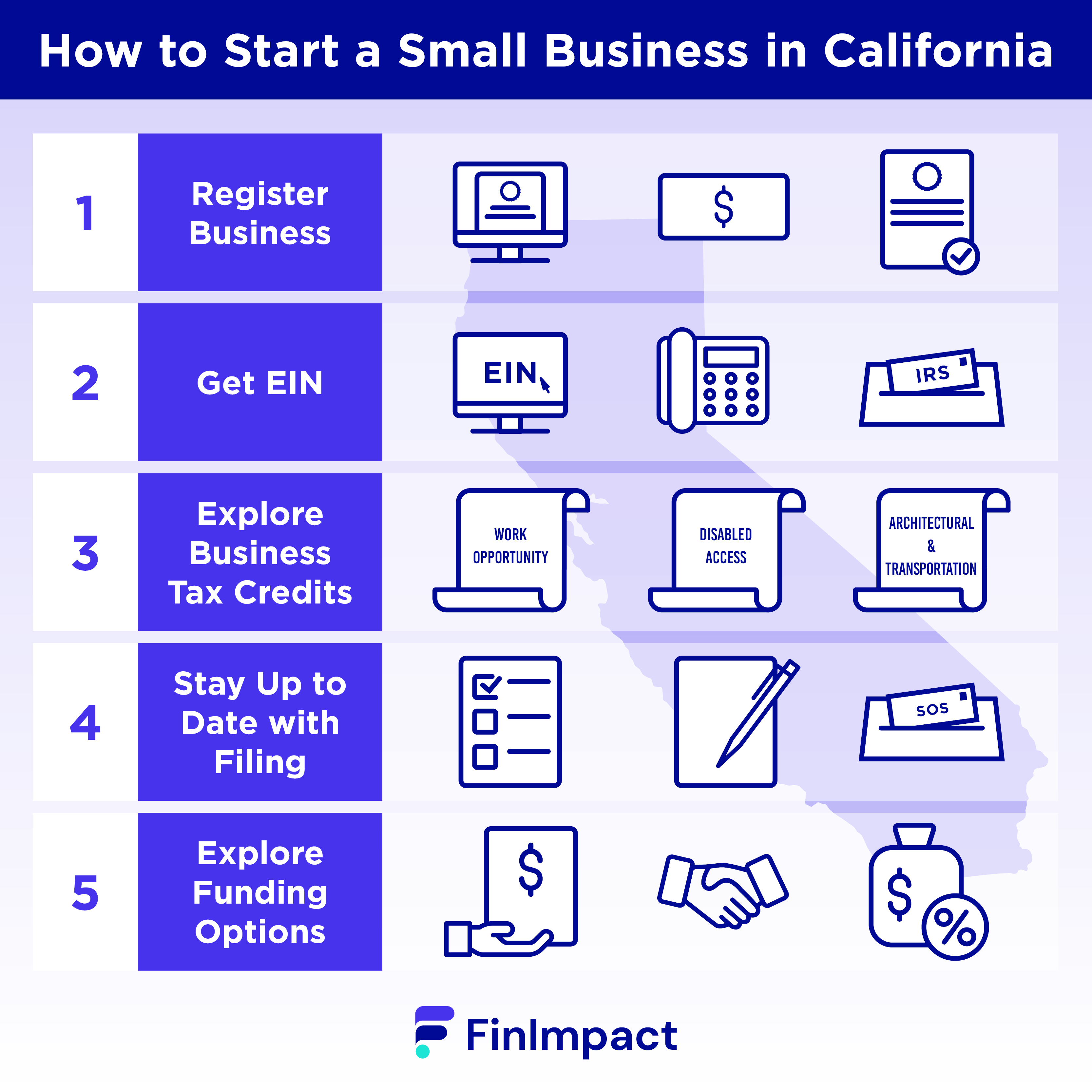
-
Federal Licenses and Permits: Most small businesses won’t need federal licenses unless they operate in highly regulated industries such as transportation, agriculture, broadcasting, or alcohol sales. For example, a business offering interstate travel tours might need a permit from the U.S. Department of Transportation.
-
State Licenses and Permits: California requires various state licenses depending on your industry. Examples include:
- Professional Licenses: Many professions, from architects and real estate agents (crucial for property management in accommodation) to cosmetologists and contractors, require specific state board licenses.
- Seller’s Permit: If your business sells or leases tangible personal property, you must register for a Seller’s Permit (resale number) with the California Department of Tax and Fee Administration (formerly the Board of Equalization). This allows you to collect sales tax. This is essential for retail shops in tourist areas, restaurants, or even online stores selling travel merchandise.
- Health Permits: Businesses handling food, such as restaurants, cafes, food trucks, or even hotels with dining facilities, need health permits from the county health department.
- Environmental Permits: Certain industries may require permits related to waste disposal, air quality, or water usage.
-
Local Licenses and Permits: These are issued by your city or county and are often the most varied.
- Business License (Business Tax Certificate): Almost every business in California needs a general business license from the city or county where it operates. This is essentially a tax for the privilege of doing business in that jurisdiction. The requirements and fees vary significantly by locality.
- Zoning and Land Use Permits: Ensure your business location complies with local zoning laws. If you plan to modify a building or change its use (e.g., converting a residential property into a short-term rental accommodation), you’ll need zoning approval and potentially building permits.
- Fire Permits: Depending on the nature of your business and its occupancy, fire department permits might be necessary, particularly for hotels, event venues, or large retail spaces.
The complexity of obtaining permits can vary greatly. A small online travel agency operating from a home office in San Diego will have far fewer requirements than a large resort complex in Palm Springs. Utilize resources like the California Office of Business and Economic Development (Go-Biz) Permit Assistance to help identify specific requirements for your industry and location.
Mastering Your Tax Obligations in the Golden State
Understanding and fulfilling your tax obligations is a critical component of legal business operation in California. This involves interacting with federal, state, and sometimes local tax agencies.
-
Federal Employer Identification Number (EIN): If you operate as a corporation, partnership, or LLC (taxed as a corporation or partnership), or if you plan to hire employees, you must obtain an EIN from the IRS. This nine-digit number is like a social security number for your business and is essential for tax filings, opening bank accounts, and other official business. Sole proprietorships without employees can often use the owner’s Social Security Number, but an EIN is still recommended for separation of personal and business finances.
-
State Tax Registration:
- Franchise Tax Board (FTB): For corporations and LLCs, you must register with the Franchise Tax Board and pay an annual minimum franchise tax, even if you don’t generate income. This is a significant consideration for any business structure offering limited liability in California.
- California Department of Tax and Fee Administration (CDTFA): As mentioned, if you sell tangible goods or provide certain taxable services, you need a Seller’s Permit from the California Department of Tax and Fee Administration to collect and remit sales tax. Additionally, if your business rents out hotel rooms or short-term accommodation, you’ll need to understand and remit Transient Occupancy Tax (TOT) to your local city or county, which is a major revenue source for tourist destinations.
Expanding Your Team: Employer Responsibilities
If your business plans to grow beyond a sole operation and hire employees, additional responsibilities and registrations come into play. California has comprehensive labor laws, and compliance is crucial to avoid penalties and foster a positive working environment, which is vital for any service-oriented industry like travel, hotels, or tourism.
Safeguarding Your Workforce and Adhering to Labor Laws
-
Employment Development Department (EDD): If you have employees, you must register with the Employment Development Department (EDD) within 15 days of paying wages of $100 or more. The Employment Development Department manages unemployment insurance, state disability insurance, and state payroll taxes. You’ll need to withhold and remit various payroll taxes from employee wages.
-
Workers’ Compensation Insurance: California law requires almost all employers to carry Workers’ Compensation insurance. This provides benefits to employees who are injured or become ill as a direct result of their job. Failure to carry this insurance can result in severe penalties. This is particularly important for businesses in the hospitality sector with employees involved in physical labor, from housekeepers to kitchen staff.
-
Unemployment Insurance (UI) & State Disability Insurance (SDI): As an employer, you contribute to both Unemployment Insurance and State Disability Insurance, providing a safety net for workers.
-
Labor Law Compliance: Beyond taxes and insurance, you must adhere to California’s robust labor laws regarding minimum wage, overtime, meal and rest breaks, workplace safety (OSHA), and anti-discrimination policies. Familiarize yourself with these regulations to ensure a fair and legal workplace.

Beyond Registration: Thriving in California’s Dynamic Economy
Registering your business is just the beginning. To truly thrive in California’s competitive yet rewarding landscape, a holistic approach is essential. This includes ongoing compliance, strategic planning, and leveraging the state’s unique advantages.
Once your business is legally established, focusing on operational excellence becomes paramount. For instance, if you’re venturing into the accommodation sector, understanding the nuances of local tourism, optimizing booking platforms, and offering unique guest experiences are vital. Boutique hotels in charming coastal towns, luxurious resorts nestled in wine country, or innovative urban apartments in bustling centers like Los Angeles all contribute to California’s vibrant travel and lifestyle economy. Consider partnering with local tour operators or incorporating local culture and cuisine into your offerings to enhance the visitor experience.
Maintaining meticulous records and staying informed about changing regulations is crucial for long-term success. Regular review of your financial standing, permits, and licenses will prevent future legal complications. Moreover, tapping into California’s vast network of entrepreneurial resources, from incubators in Silicon Valley to small business development centers in San Diego, can provide invaluable support and guidance.
California offers an incredible lifestyle for entrepreneurs, blending demanding business pursuits with unparalleled opportunities for leisure and inspiration. Imagine closing a crucial deal in San Francisco, then unwinding with a scenic drive down Highway 1, or drawing creative inspiration from the iconic landmarks and diverse attractions dotting the state. The ability to seamlessly integrate work with a rich personal life, exploring everything from world-class hotels to pristine natural parks, is a defining characteristic of the California dream.
By diligently following the registration steps outlined above and adopting a proactive approach to business management, you’ll not only establish a solid legal foundation but also position your enterprise to capture the immense potential that California offers, enabling you to build a successful venture that contributes to and benefits from the Golden State’s enduring appeal.
LifeOutOfTheBox is a participant in the Amazon Services LLC Associates Program, an affiliate advertising program designed to provide a means for sites to earn advertising fees by advertising and linking to Amazon.com. Amazon, the Amazon logo, AmazonSupply, and the AmazonSupply logo are trademarks of Amazon.com, Inc. or its affiliates. As an Amazon Associate we earn affiliate commissions from qualifying purchases.