
Understanding the intricacies of family and medical leave can feel like navigating a complex travel itinerary without a proper guide. For many, the prospect of taking time off work due to a personal health condition, to care for a family member, or to bond with a new child brings with it a critical question: will this time off be paid? In the United States, the federal Family Medical Leave Act (FMLA) provides job-protected leave, but it does not mandate paid leave. However, for residents and employees in California, the landscape is significantly different and much more favorable, thanks to a robust system of state-mandated paid leave programs.
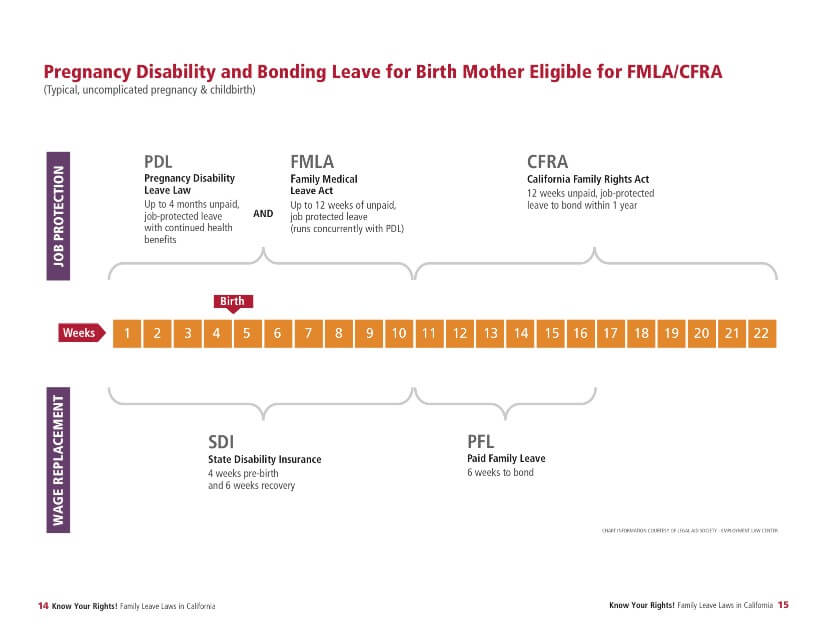
This article delves into how family and medical leave works in the Golden State, clarifying the interplay between federal and state laws, and most importantly, explaining the mechanisms through which eligible individuals can receive financial compensation during their time away from work. For those balancing careers with family responsibilities, planning a “family trip,” or considering an extended “business stay” with the flexibility to manage personal emergencies, comprehending these benefits is paramount. It’s about ensuring peace of mind, allowing individuals to focus on health and family without the added burden of severe financial stress, whether they’re enjoying the serenity of Yosemite National Park or navigating the urban bustle of Los Angeles.
Navigating the Landscape: FMLA, CFRA, and Job Protection
Before exploring the “paid” aspect, it’s crucial to understand the foundational laws that provide job protection when taking leave. Both federal and state laws offer overlapping, yet distinct, protections.
The Federal Family and Medical Leave Act (FMLA)
Enacted in 1993, the Family Medical Leave Act (FMLA) is a federal law that allows eligible employees of covered employers to take unpaid, job-protected leave for specified family and medical reasons. It guarantees that employees can return to their same or an equivalent job after their leave. Under FMLA, eligible employees can take up to 12 workweeks of leave in a 12-month period for:
- The birth of a child and to care for the newborn child within one year of birth.
- The placement with the employee of a child for adoption or foster care and to care for the newly placed child within one year of placement.
- To care for the employee’s spouse, child, or parent who has a serious health condition.
- A serious health condition that makes the employee unable to perform the essential functions of their job.
- Any qualifying exigency arising out of the fact that the employee’s spouse, child, or parent is a covered military member on active duty or called to active duty status.
To be eligible for FMLA, an employee must have worked for a covered employer for at least 12 months, have at least 1,250 hours of service during the 12-month period immediately preceding the leave, and work at a location where the employer has at least 50 employees within 75 miles. While FMLA ensures your job is safe, it explicitly states that the leave itself is unpaid. This is where California steps in with its own, more comprehensive protections.
The California Family Rights Act (CFRA)
California’s state equivalent to FMLA is the California Family Rights Act (CFRA). While CFRA largely mirrors FMLA in terms of reasons for leave and job protection, it often provides broader coverage and, importantly, can run concurrently or separately from FMLA, depending on the circumstances. For instance, CFRA covers domestic partners and grandparents for caregiving, which FMLA does not. CFRA also covers employers with 5 or more employees, significantly expanding access compared to FMLA’s 50-employee threshold.
Key aspects of CFRA:
- Eligibility: Employees must have more than 12 months of service with the employer and have worked at least 1,250 hours in the 12-month period before the leave.
- Reasons for Leave: Similar to FMLA, including one’s own serious health condition, caring for a family member, and bonding with a new child. It also explicitly includes leave for a “qualifying exigency” related to military deployment.
- Duration: Up to 12 workweeks in a 12-month period.
- Job Protection: Guarantees the same or a comparable position upon return.
Both FMLA and CFRA provide the crucial foundation of job protection, ensuring that an employee’s career isn’t jeopardized by life’s inevitable challenges. However, the pressing question remains: how does one manage financially during these periods of leave? This brings us to California’s groundbreaking paid leave programs.
The “Paid” Aspect: California’s State Disability Insurance (SDI) and Paid Family Leave (PFL)
California is a pioneer in offering state-mandated paid leave benefits. These programs are administered by the Employment Development Department (EDD) and are funded through employee payroll deductions. They provide partial wage replacement, making it feasible for many to take the necessary time off without completely sacrificing their income. These benefits are not directly part of FMLA or CFRA but run concurrently with them, meaning that while your job is protected by FMLA/CFRA, your income can be supplemented by SDI or PFL. This comprehensive system is a significant factor for individuals considering lifestyle adjustments, potentially impacting choices related to “family trips” or even “long-term stays” during recovery periods.
California State Disability Insurance (SDI)
State Disability Insurance (SDI) provides short-term wage replacement benefits to eligible California workers who are unable to work due to a non-work-related illness or injury, or a pregnancy. This program is particularly vital for those needing personal medical leave.
- Eligibility: To be eligible, you must be unable to work due to a non-work-related illness or injury, or pregnancy. You must have earned at least $300 in your SDI base period, have paid into SDI, and be under the care of a licensed physician or practitioner.
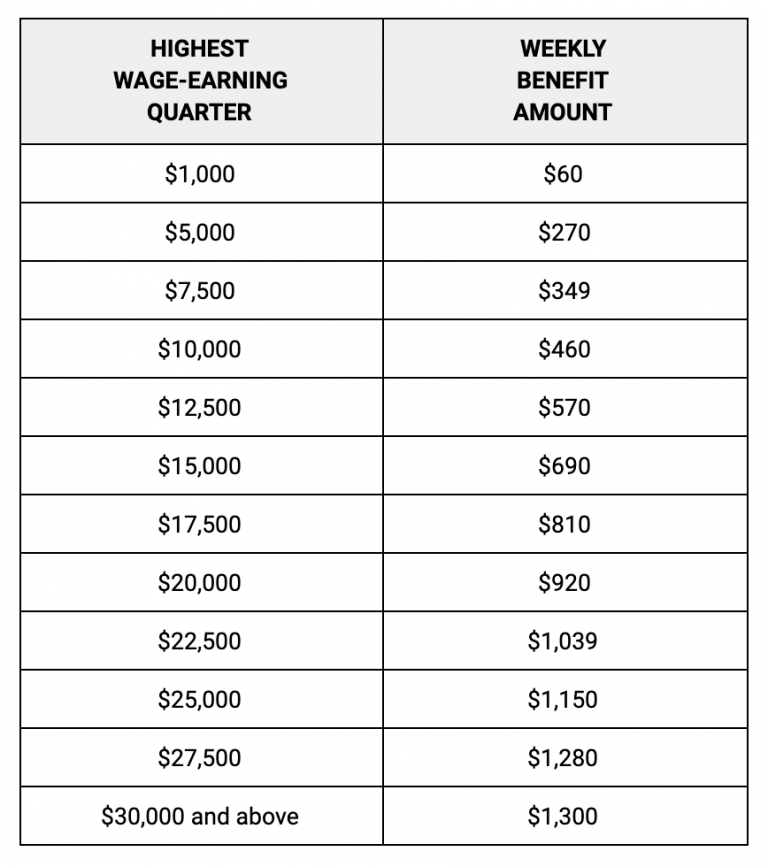
- Benefit Amounts: Typically, SDI provides approximately 60-70% of your average weekly wage (depending on income) earned 5 to 18 months before your claim start date. There’s a maximum weekly benefit amount, which is adjusted annually.
- Duration: Benefits can last up to 52 weeks.
- Application Process: Claims are filed online through the EDD’s website. A medical certificate from your physician is required.
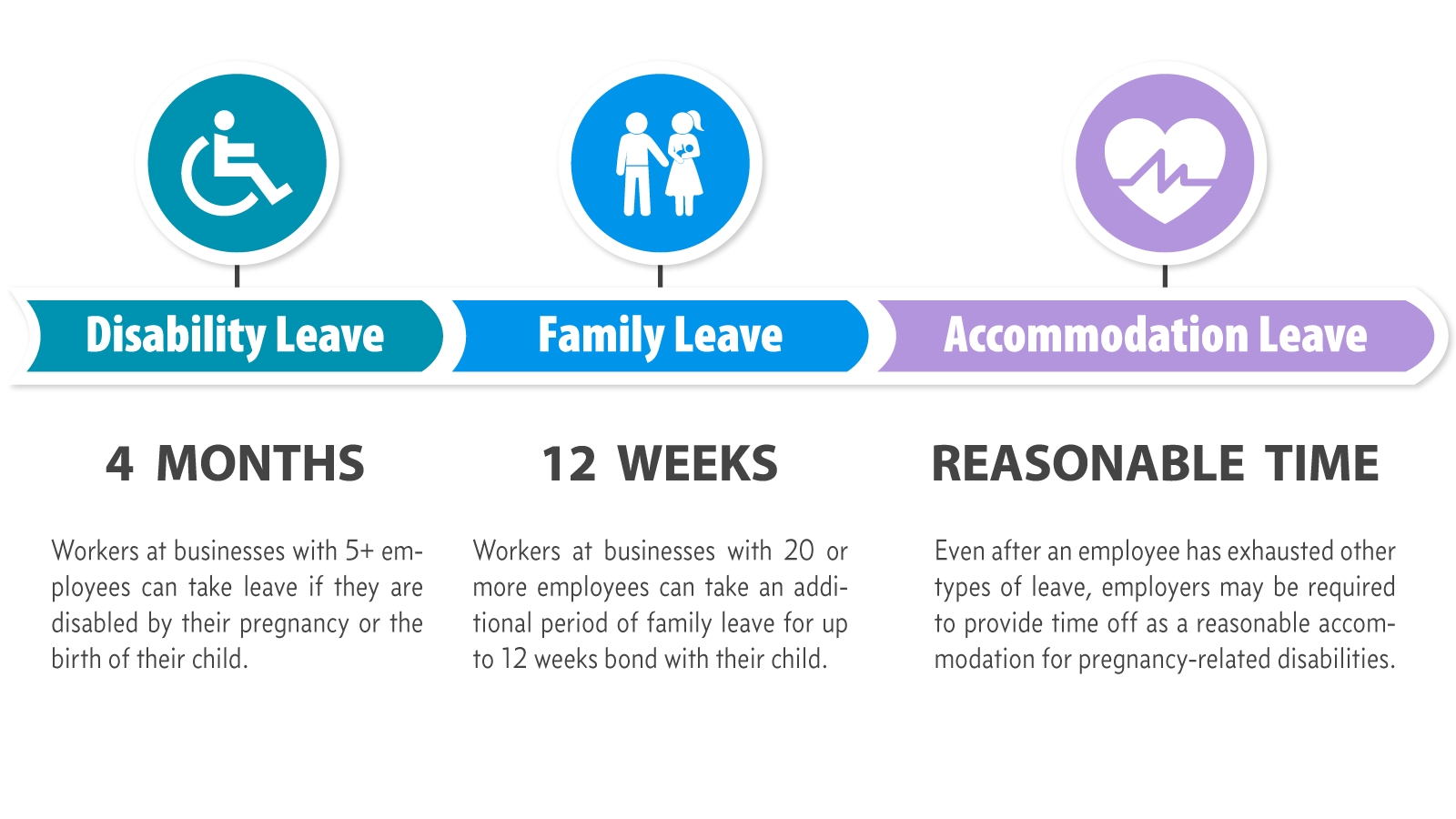
For an individual facing a serious health condition that prevents them from working, SDI offers a crucial financial safety net. Imagine a traveler exploring the cultural sights of San Francisco or the vibrant attractions of Disneyland Park who then faces an unexpected health issue. SDI ensures that while their physical recovery is underway, their financial well-being isn’t completely undermined.
California Paid Family Leave (PFL)
The Paid Family Leave (PFL) program is an extension of SDI, providing benefits to workers who need to take time off work to care for a seriously ill family member, bond with a new child, or participate in a qualifying event due to a family member’s military deployment to a foreign country. This program is a game-changer for “family trips” of a different kind – the crucial journey of caregiving and bonding.
- Eligibility: Similar to SDI, you must have paid into SDI through your employer payroll deductions and have earned at least $300 in your base period.
- Reasons for Leave:
- Bonding with a new child: This includes newborns, adopted children, or foster children. Both parents can take PFL.
- Caring for a seriously ill family member: This includes a child, parent, parent-in-law, grandparent, grandchild, sibling, spouse, or registered domestic partner.
- Military exigency: Arising from a family member’s active duty or call to active duty in the Armed Forces.
- Benefit Amounts: Like SDI, PFL typically replaces approximately 60-70% of your average weekly wage, up to the maximum weekly benefit amount.
- Duration: PFL provides up to eight weeks of benefits within any 12-month period.
- Application Process: Claims are also filed online through the EDD. Depending on the reason, you’ll need a birth certificate/adoption record or a medical certificate from the care recipient’s physician.
PFL is particularly beneficial for new parents. It allows them to spend invaluable time bonding with their infant without the complete loss of income, enabling “family trips” in the truest sense – the journey of building a family. This also facilitates choices around “accommodation,” whether it’s setting up a comfortable nursery at home or, in some cases, considering a temporary “long-term stay” near family support during the postpartum period.
Integrating Paid Leave with Lifestyle and Travel Considerations
Understanding California’s paid leave benefits extends beyond just financial relief; it significantly impacts lifestyle choices, including travel and accommodation planning. For remote workers, consultants, or those with flexible work arrangements, knowing these benefits exist can open doors to new possibilities, impacting how they view “business stays” or “luxury travel.”
Planning for Extended Stays or Remote Work During Leave
For individuals needing extended medical leave or caring for a family member, the thought of a complete halt to income can be terrifying. California’s SDI and PFL programs alleviate much of this pressure, allowing for greater flexibility. A person recovering from surgery in San Diego might opt for an extended stay in an “apartment” or “villa” that offers better accessibility or proximity to specialized medical care, rather than feeling confined to their primary residence if it’s not ideal for recovery. This flexibility is a direct benefit of partial wage replacement.
Moreover, for those whose recovery allows for light work or whose caregiving responsibilities permit some remote engagement, the security of PFL can enable a blended approach. They might arrange for a “business stay” in a serene location like Napa Valley or near Lake Tahoe, combining recovery or caregiving with a minimal level of work, if their employer and health condition allow. This aligns perfectly with the “lifestyle” aspect of a website focused on travel, offering solutions for complex life situations.
Impact on Family Trips and Destinations During Recovery or Bonding Periods
The ability to receive partial pay during leave profoundly influences how families can approach critical life events. New parents in California, for example, can use PFL to extend their bonding time. This extra time can be crucial for planning their first “family trip” with a newborn, even if it’s just a short excursion to a local “attraction” or a staycation in a resort with infant-friendly “amenities.” The financial security PFL provides means such choices are not solely dictated by a lack of income.
Similarly, if a family member requires prolonged care, PFL allows for more flexible arrangements. Instead of being completely tied to their home, a caregiver might explore temporary “accommodation” options closer to medical facilities or choose a more comfortable “suite” that accommodates a care receiver’s needs for a short period, transforming a stressful situation into one with more manageable “tourism” opportunities for the family involved.
Employer Responsibilities and Coordination with Other Benefits
While SDI and PFL are state benefits, employers still play a crucial role. They are responsible for informing employees about these programs and for ensuring proper payroll deductions are made. Employees should always communicate with their employer about their leave plans, even if applying for state benefits.
It’s also important to understand how state benefits coordinate with employer-provided leave, such as sick leave, vacation time, or short-term disability insurance. In California, employees often have the option to use accrued paid time off (PTO) to supplement their SDI or PFL benefits, effectively bringing their wage replacement closer to 100%. This strategic use of benefits can make a significant difference in maintaining financial stability during extended absences. For example, a stay at a luxurious “resort” in Beverly Hills might be more attainable if benefits are coordinated effectively.
Conclusion: Empowering California Residents
In conclusion, while the federal Family Medical Leave Act (FMLA) does not mandate paid leave, California stands out with its progressive and essential paid leave programs. Through State Disability Insurance (SDI) and Paid Family Leave (PFL), eligible workers can receive partial wage replacement during job-protected leave taken for their own serious health condition, to care for a seriously ill family member, or to bond with a new child. This robust system complements the job protections offered by FMLA and the California Family Rights Act (CFRA), creating a comprehensive safety net.
For individuals and families navigating life’s unpredictable moments, from the joy of welcoming a new child to the challenges of serious illness, these benefits offer invaluable financial security. They allow for greater flexibility in personal and professional “lifestyle” choices, impacting everything from how one plans for “family trips” and personal recovery to decisions about “accommodation” during periods of medical need or caregiving. Understanding these rights and benefits is not just about compliance; it’s about empowerment, enabling residents to live fuller lives with greater peace of mind, whether they’re admiring the Golden Gate Bridge or enjoying the shores of Santa Monica Pier. Knowing that financial support is available during critical times ensures that one can truly focus on what matters most: health, family, and well-being.
LifeOutOfTheBox is a participant in the Amazon Services LLC Associates Program, an affiliate advertising program designed to provide a means for sites to earn advertising fees by advertising and linking to Amazon.com. Amazon, the Amazon logo, AmazonSupply, and the AmazonSupply logo are trademarks of Amazon.com, Inc. or its affiliates. As an Amazon Associate we earn affiliate commissions from qualifying purchases.