
Embarking on a California road trip, especially along the iconic Pacific Coast Highway, is a dream for many travelers worldwide. The sheer cliffs, the crashing waves of the Pacific Ocean, and the unparalleled scenic beauty make Highway 1 one of the most celebrated routes on Earth. However, the very forces of nature that sculpt this breathtaking landscape – seismic activity, heavy rainfall, and coastal erosion – also make it notoriously susceptible to closures. The question “Is Highway 1 in California open?” is therefore not just a logistical query but often the first step in planning what promises to be an unforgettable adventure.
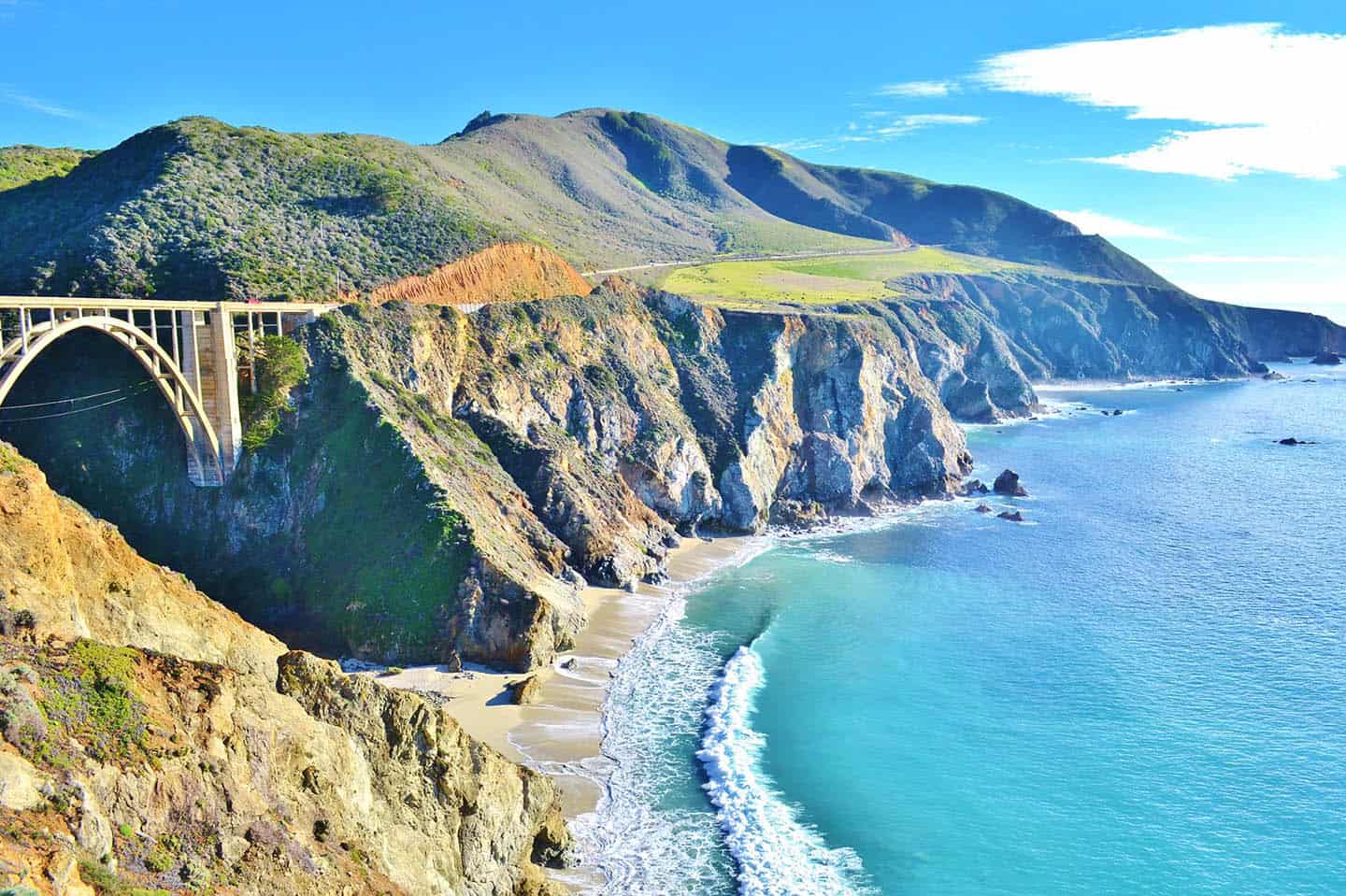
Understanding the dynamic nature of this legendary road is key to a successful journey. Unlike a static interstate, Highway 1 is a living, breathing entity, constantly reshaped by its environment. From the rugged shores of Mendocino County in the north to the sun-drenched beaches of Southern California, each segment offers a unique experience. But with beauty often comes fragility, and anticipating potential disruptions is part of the allure of exploring such a wild and untamed coastline. This guide aims to provide comprehensive insights into the status of Highway 1, how to stay informed, and how to make the most of your California coastal exploration, regardless of the road’s current state.
Navigating the Dynamic Landscape: Understanding Highway 1’s Status
The romance of Highway 1 lies in its dramatic meeting of land and sea, a geological ballet that enthralls and occasionally challenges travelers. The very elements that create its stunning vistas – steep cliffs, winding roads, and a relentless ocean – are also responsible for its intermittent closures. Before setting out on your California adventure, it’s crucial to understand why these closures occur and how to get the most up-to-date information.
Why Does Highway 1 Close? The Forces at Play
Highway 1’s susceptibility to closures is primarily due to its unique geographical position. Built precariously along the edge of continental landmasses, it faces constant assault from various natural phenomena:
- Landslides and Rockfalls: This is by far the most common reason for closures, especially in areas like Big Sur. Heavy rainfall saturates the already unstable hillsides, leading to mudslides that can engulf sections of the road or rockfalls that pose immediate hazards. Seismic activity, even minor tremors, can also destabilize cliffs. The famous 2017 Mud Creek slide, which buried a quarter-mile section of the highway under millions of tons of earth, stands as a testament to the immense power of these events.
- Coastal Erosion: The relentless pounding of waves, particularly during winter storms, gradually erodes the cliffs supporting the highway. This can undermine the roadbed, leading to collapses or requiring extensive structural repairs to prevent future damage.
- Storm Damage and Flooding: Intense storms can bring not only heavy rains that trigger landslides but also high winds that fell trees, and localized flooding that renders sections impassable.
- Maintenance and Construction: Beyond emergency repairs, ongoing maintenance is essential for preserving the integrity of this historic highway. Planned closures for resurfacing, bridge repairs, or slope stabilization projects are regular occurrences, though they are usually announced well in advance.
These events mean that a “fully open” Highway 1 is a fluid concept. Specific segments, particularly within the 90-mile stretch of Big Sur, are more prone to long-term closures. Therefore, checking the real-time status is not just a recommendation but a necessity for any traveler.
Your Go-To Sources for Real-Time Road Conditions
Fortunately, several reliable resources exist to help you ascertain the current state of Highway 1 before and during your trip:
- Caltrans QuickMap: This is the official and most authoritative source for road conditions in California. The Caltrans QuickMap website provides real-time updates on closures, construction, and traffic incidents, often with maps showing the exact affected sections. You can filter by highway number and region, making it indispensable for planning.
- Caltrans Social Media: Caltrans District 5 (which covers the crucial Big Sur section) often posts immediate updates on Twitter and other platforms, sometimes even with photos or videos of the road conditions.
- Local Tourism Boards and Chambers of Commerce: Websites for cities and regions along Highway 1, such as the Big Sur Chamber of Commerce or Monterey County Convention & Visitors Bureau, often provide curated updates relevant to their specific areas, including information on local businesses and attractions that might be affected.
- Google Maps and Other Navigation Apps: While useful for general navigation, remember that these apps rely on crowd-sourced data and official feeds. Always cross-reference with Caltrans for the most accurate and up-to-date information on long-term closures.
Checking these sources diligently will ensure you avoid unexpected detours and maximize your enjoyment of this incredible stretch of coastline.
Crafting Your Coastal Adventure: Itinerary Planning and Accommodation
Even if parts of Highway 1 are closed, the dream of a California coastal road trip is far from over. Strategic planning and a flexible mindset can unlock a wealth of experiences, allowing you to discover charming towns, iconic landmarks, and luxurious accommodations that epitomize the California lifestyle.
Must-See Stops Along the Open Sections
The beauty of Highway 1 lies in its segments, each offering distinct attractions and experiences. Even if a famous section like Big Sur is partially closed, there are countless other treasures to explore.
Starting from the north, the Mendocino Coast offers a rugged, artistic vibe with towns like Mendocino and Fort Bragg. Further south, the dramatic cliffs and elephant seal rookery at Point Reyes National Seashore are worth the detour.
The iconic Golden Gate Bridge welcomes travelers into San Francisco, a city brimming with landmarks, culture, and world-class dining. South of San Francisco, the drive to Monterey and Carmel-by-the-Sea is sublime. Monterey boasts the world-renowned Monterey Bay Aquarium and the historic Cannery Row, while Carmel-by-the-Sea is a fairytale village known for its art galleries, boutique shops, and beautiful white-sand beach.
If the Big Sur section is open, prepare for some of the most spectacular coastal views imaginable. Don’t miss the architectural marvel of Bixby Bridge, the purple sands of Pfeiffer Beach, and the tranquil beauty of Julia Pfeiffer Burns State Park, home to McWay Falls cascading directly onto the beach. Further south, near San Simeon, lies the opulent Hearst Castle, a historic estate offering a glimpse into the lavish lifestyle of a bygone era.

The Central Coast region offers more delights, from the laid-back surf town of Morro Bay with its iconic Morro Rock to the vibrant college town of San Luis Obispo and its mission. Continuing south, Santa Barbara, often called the “American Riviera,” charms with its Spanish colonial architecture, palm-lined beaches, and thriving wine scene.
Even as you approach Southern California, the coastal beauty persists, leading you through Malibu, Santa Monica, and into the sprawling metropolis of Los Angeles, before eventually reaching the vibrant city of San Diego with its Coronado Island and historic Gaslamp Quarter. Each of these cities and towns offers unique attractions and experiences, ensuring your road trip is rich with discovery.
Finding the Perfect Accommodation Along the Route
A coastal road trip is incomplete without equally spectacular places to rest and rejuvenate. Highway 1 boasts an incredible array of accommodation options, catering to every style and budget, from luxurious resorts to cozy boutique hotels and charming inns.
In San Francisco, you’ll find everything from historic grand hotels near Union Square to chic boutique hotels in Nob Hill or Fisherman’s Wharf. Heading south, Monterey offers a mix of family-friendly hotels along the waterfront and more upscale options. Carmel-by-the-Sea is famous for its romantic inns and charming bed & breakfasts, many with ocean views.
Within Big Sur, accommodation is more limited and often more expensive, reflecting the demand for its secluded beauty. Options range from luxury wilderness resorts like Post Ranch Inn and Ventana Big Sur to more rustic cabins and campgrounds. Booking well in advance is essential, especially during peak seasons.
As you continue down the coast, San Luis Obispo offers a good selection of modern hotels and motels, while Santa Barbara is renowned for its upscale beachfront resorts, boutique hotels in the Funk Zone, and charming Spanish-style inns. In Los Angeles and San Diego, the choices are endless, from luxury high-rise hotels to trendy boutique hotels and budget-friendly options, ensuring a stay that complements your journey. Many establishments prioritize amenities like ocean views, spa services, or farm-to-table dining, enhancing the overall travel experience.
Detours and Alternative Routes
A closure on Highway 1, while potentially disappointing, does not have to derail your trip. The primary alternative is Highway 101, a major north-south artery that runs parallel to the coast, usually just inland. This route is typically faster and more reliable, especially during periods of inclement weather.
If the Big Sur section of Highway 1 is closed, you will likely be rerouted onto Highway 101 for that segment. From Monterey, you would head east to join Highway 101 and then rejoin Highway 1 further south, past the affected area (e.g., near San Luis Obispo). This detour allows you to still experience significant portions of the coastal drive while navigating around the impassable section.
Embrace detours as opportunities to explore California’s diverse inland regions. Highway 101 itself offers access to the renowned Central Coast wine regions like Paso Robles and Santa Ynez Valley, quaint towns, and agricultural landscapes that offer a different, yet equally captivating, side of the Golden State. Being flexible with your itinerary is the golden rule for a Highway 1 adventure.
Beyond the Drive: Embracing the Coastal California Lifestyle
A journey along Highway 1 is more than just a drive; it’s an immersion into a unique lifestyle and a celebration of California’s natural beauty and vibrant culture. From outdoor activities to culinary delights, the coastal regions offer a myriad of ways to enrich your travel experience.
Activities and Experiences: Dive Deeper into Coastal Charm
The areas surrounding Highway 1 are ripe for exploration beyond the car window. Outdoor enthusiasts will find endless opportunities:
- Hiking: Numerous state parks and national forests along the route offer trails ranging from easy coastal strolls to challenging climbs with panoramic ocean views. Limekiln State Park in Big Sur and Point Lobos State Natural Reserve near Carmel are prime examples.
- Water Sports: Surfing is a quintessential California experience, with popular breaks from Santa Cruz to San Diego. Kayaking and paddleboarding are fantastic ways to explore calm bays like Morro Bay or the coves of Point Lobos.
- Whale Watching: Depending on the season, you can witness the majestic migration of gray whales from observation points along the coast or by taking a dedicated whale watching tour from Monterey or Santa Barbara.
- Wine Tasting: The Central Coast is home to burgeoning wine regions like Paso Robles, San Luis Obispo, and Santa Rita Hills. Many wineries offer tastings with stunning vineyard and ocean views.
- Wildlife Viewing: Keep an eye out for sea otters, harbor seals, and various seabirds. The elephant seal rookery at Piedras Blancas near San Simeon is a particularly fascinating stop.
For those interested in local culture and food, explore the art galleries in Carmel, the historic missions from San Juan Capistrano to San Luis Obispo, and savor fresh seafood at countless coastal restaurants. Each town has its own unique charm and tourism offerings.

Essential Travel Tips for a Seamless Journey
To ensure your Highway 1 travel experience is as smooth as the coastal breeze, consider these tips:
- Best Time to Visit: Spring (April-May) and Fall (September-October) generally offer the most pleasant weather, with fewer crowds than summer and less risk of winter storms and associated closures. Summer can bring “June Gloom” (foggy mornings) to certain coastal areas, though it usually burns off by afternoon.
- Pack Layers: Coastal weather can be unpredictable, with sunny mornings quickly turning into foggy or windy afternoons. Pack clothing that can be easily layered.
- Fuel Up: Gas stations can be sparse and expensive in remote sections like Big Sur. Fill your tank whenever you have the opportunity.
- Download Maps Offline: Cell service can be spotty or non-existent in many parts of Highway 1, especially in Big Sur. Download offline maps for navigation.
- Book Accommodation in Advance: Especially for popular destinations and unique boutique hotels or resorts in Big Sur, securing your lodging ahead of time is crucial, particularly during peak seasons.
- Respect Nature: Stay on marked trails, don’t disturb wildlife, and pack out everything you pack in. The beauty of Highway 1 depends on collective efforts to preserve it.
- Flexibility is Key: The most important tip for a Highway 1 trip is to remain flexible. Be prepared for potential detours or unexpected changes, and view them as opportunities to discover something new. Whether your lifestyle leans towards luxury travel or budget travel, embracing the unexpected will make your journey more memorable.
In conclusion, while the question “Is Highway 1 in California open?” is a valid and frequent concern, it should never deter you from experiencing this magnificent coastline. With proper planning, reliance on official updates, and an adventurous spirit, you can navigate its ever-changing status and still embark on an epic California road trip, discovering its unparalleled beauty, diverse accommodations, and countless experiences along the way. Your journey awaits!
LifeOutOfTheBox is a participant in the Amazon Services LLC Associates Program, an affiliate advertising program designed to provide a means for sites to earn advertising fees by advertising and linking to Amazon.com. Amazon, the Amazon logo, AmazonSupply, and the AmazonSupply logo are trademarks of Amazon.com, Inc. or its affiliates. As an Amazon Associate we earn affiliate commissions from qualifying purchases.