
Venturing through the diverse landscapes and vibrant cities of [California], travelers often find themselves eager to capture every moment. From the majestic redwoods of [Yosemite National Park] to the bustling streets of [Los Angeles] and the iconic vistas of [San Francisco], there’s a myriad of experiences waiting to be documented. However, beyond snapping photos of the [Golden Gate Bridge] or filming a scenic drive along [Big Sur], a crucial question arises for many: is it legal to record conversations? Especially for those navigating new environments, interacting with hotel staff, tour guides, or even fellow travelers, understanding the local laws around audio recording is paramount. [California] operates under a strict “two-party consent” law, a regulation that sets it apart from many other states and can have significant implications for visitors and residents alike. Ignorance of this law is no defense, and a misstep could transform a memorable trip into a regrettable legal entanglement. This comprehensive guide aims to demystify [California]’s recording laws, offering essential insights for anyone looking to responsibly enjoy their journey through the Golden State, ensuring their travel memories are cherished, not challenged.
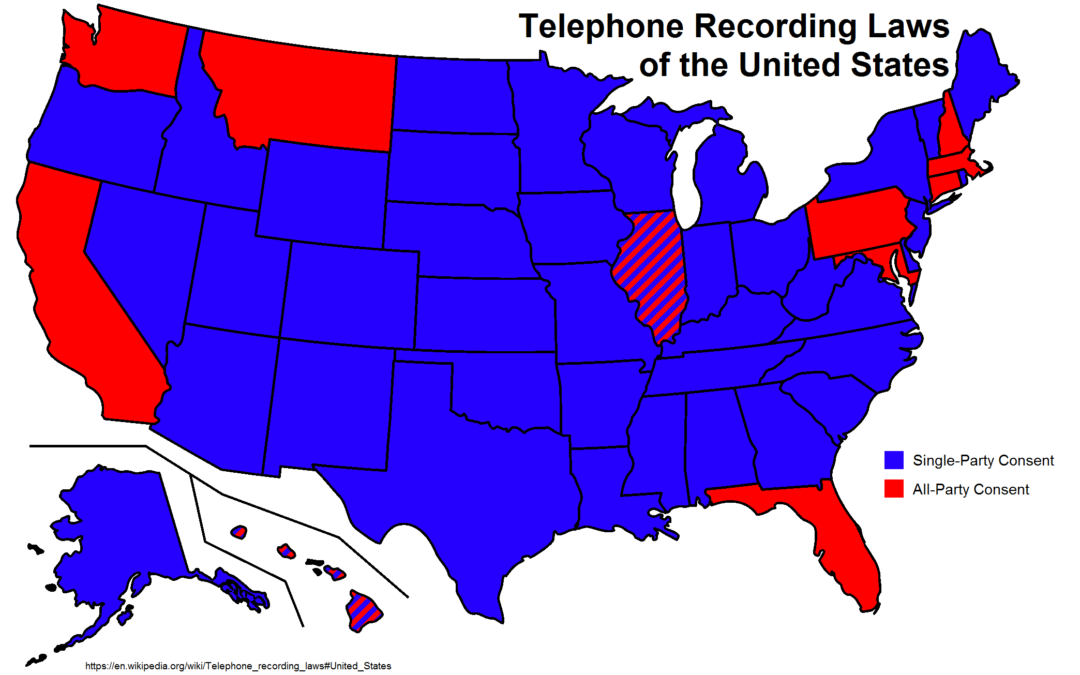
Understanding California’s Two-Party Consent Law
[California]’s stringent recording statutes are designed to protect individual privacy, making it one of the strictest states in the U.S. when it comes to intercepting communications. Unlike “one-party consent” states where only one person involved in a conversation needs to be aware of and consent to its recording, [California] adheres to a “two-party consent” rule. This distinction is not merely a legal technicality; it’s a fundamental difference that impacts how both residents and tourists can interact with and document their experiences in the state. For travelers exploring destinations from the wineries of [Napa Valley] to the beaches of [Santa Monica], understanding this law is not just advisable, but essential for maintaining peace of mind and avoiding potential legal pitfalls.The Basics: What Does “Two-Party Consent” Mean?
At its core, [California]’s “two-party consent” law, enshrined primarily in [California] Penal Code Section 632, dictates that it is illegal to record a confidential conversation without the consent of all parties involved. A “confidential communication” is broadly defined as any conversation where the parties have a reasonable expectation that no one else is listening in or recording. This means if you are talking to someone, and you want to record the conversation, you must explicitly inform them of your intention to record and obtain their consent before you start recording. Consent can be given verbally, but it must be clear and unambiguous. For instance, simply stating, “I’m recording this conversation, is that okay?” and receiving an affirmative “yes” or similar acknowledgement would generally suffice.
This law applies to both in-person conversations and telephonic communications. The underlying principle is that individuals have a right to privacy in their spoken words, and that right can only be waived if they are made aware of and agree to the recording. This is a crucial point for travelers who might be tempted to record a customer service interaction, a dispute with a service provider, or even a personal conversation, thinking they are gathering evidence or simply documenting their trip. Without the explicit consent of all participants, such recordings are illegal and inadmissible as evidence in court, and worse, could lead to serious legal repercussions. This strict adherence to privacy is a hallmark of [California]’s legal landscape, reflecting a broader societal value placed on personal autonomy and the sanctity of private discourse within its bustling cities and serene natural escapes.
Exceptions and Nuances for Travelers
While the two-party consent rule is robust, there are specific contexts and exceptions that travelers should be aware of, particularly concerning the distinction between private and public spaces. The critical factor is the “reasonable expectation of privacy.”
-
Public Places: In public spaces where there is no reasonable expectation of privacy, such as a bustling street in [San Francisco], a crowded park, or during a public demonstration, recording conversations may be permissible without consent. This is because, in such environments, individuals generally do not expect their conversations to be private. For example, if you are filming a general scene at the [Hollywood Walk of Fame] and accidentally capture snippets of conversations in the background, this would typically not be a violation. However, if you actively approach individuals in a public park and attempt to record a direct conversation with them without their knowledge, you would still be infringing on the two-party consent rule. The key is whether the focus is on a private communication or simply capturing the ambient sounds of a public setting.
-
Semi-Public or Commercial Spaces: Areas like lobbies of hotels (e.g., a [Marriott] or [Hilton] property), restaurants, or retail stores fall into a grey area. While these are accessible to the public, individuals might still have a reasonable expectation of privacy when engaging in personal conversations, especially if they are seated at a table or in a quieter corner. Recording a direct conversation with an employee at a check-in desk, even in a hotel lobby, without their consent, would likely be illegal if they have a reasonable expectation of privacy in that specific interaction.
-
Open and Obvious Recording: If a recording device is out in the open, clearly visible to all parties, and the circumstances suggest that all parties are aware of the recording, implied consent might be argued. However, relying on implied consent is risky and generally not recommended. It’s always safer and legally sounder to obtain explicit verbal consent. For instance, if you’re interviewing someone for a travel blog and have a microphone clearly visible, and they continue the conversation, this might be considered implied consent, but asking “Do you mind if I record this for my blog?” is always the best practice.
-
Emergency Situations: There might be extremely limited exceptions for recordings made in situations involving threats of violence or certain other emergencies. However, these are highly specific and should not be relied upon by the average traveler for general recording purposes.
Navigating these nuances requires careful consideration. When in doubt, the safest approach for any traveler in [California] is to always assume that consent is required and to explicitly ask for it before initiating any recording of a conversation. This proactive measure ensures compliance with [California] law and allows travelers to focus on enjoying their experiences, whether they are exploring the natural wonders or urban attractions of this dynamic state.
Practical Scenarios for Travelers and Tourists in California
For anyone exploring [California]’s renowned destinations, from its pristine beaches to its iconic theme parks like [Disneyland] and [Universal Studios Hollywood], encounters with various service providers and local individuals are inevitable. Whether it’s checking into a luxurious suite, negotiating a car rental, or simply seeking directions, these interactions form a significant part of the travel experience. Understanding how [California]’s two-party consent law applies to these everyday scenarios is vital, as a casual recording attempt could lead to unforeseen legal complications. This section explores common situations where travelers might consider recording conversations and outlines the legal boundaries they must observe.
Hotel Stays and Accommodation Disputes
Imagine checking into a boutique hotel in [Beverly Hills] or a resort overlooking the Pacific Ocean, only to find that your booking details are incorrect, the amenities advertised are unavailable, or there’s a significant issue with your room. In such stressful situations, a traveler might naturally think of recording their conversation with hotel management or front desk staff, believing it will serve as crucial evidence for a complaint or a dispute resolution. However, under [California] law, recording these conversations without the explicit consent of the staff members involved would be illegal.
Even if you are in the hotel lobby, which might appear public, your direct conversation with an employee about a personal issue regarding your stay is generally considered confidential. The employee has a reasonable expectation of privacy in that interaction. This applies to calls made from your hotel room to the front desk, conversations with a concierge, or discussions with housekeeping staff. If you wish to document such an exchange, you must inform the staff member that you intend to record and obtain their clear agreement. Without it, not only is the recording unlawful, but it could also escalate the situation, potentially leading to the hotel refusing service or even involving law enforcement. Instead of recording, travelers should opt for other documentation methods, such as taking detailed notes, requesting written confirmations via email, or asking for the names and positions of the individuals they speak with. Always remember that securing a positive outcome for your [accommodation] concerns is best achieved through respectful and lawful communication, especially when navigating issues at properties ranging from a budget motel to a [Ritz-Carlton] resort.
Tours, Attractions, and Public Spaces
[California]’s vibrant tourism industry offers countless guided tours, interactive attractions, and public events that draw millions of visitors annually. From guided tours through [Alcatraz Island] to celebrity bus tours in [Hollywood] or even simple interactions with street performers or vendors in [San Diego]’s Gaslamp Quarter, opportunities for conversation abound. Tourists often wish to capture the full experience, sometimes extending to the audio of their interactions.When participating in a guided tour, such as a wine tasting tour in [Napa Valley] or a historical walking tour in [Old Town Sacramento], direct conversations with your tour guide or fellow participants, especially those of a personal nature, would require two-party consent to record. While you can typically film and record the general ambiance of the tour or the guide’s public presentation without directly targeting and recording individual conversations, any one-on-one discussion with the guide or other tourists would fall under the consent requirement. For example, recording a private question-and-answer session with a guide after the main tour presentation without their explicit permission would be illegal.
Similarly, in crowded public spaces like theme parks ([Disneyland], [Universal Studios Hollywood]) or major landmarks ([Santa Monica Pier]), while you are free to record the general sights and sounds, deliberately focusing on and recording a specific, private conversation between individuals (even if they are strangers) without their consent is against the law if those individuals have a reasonable expectation of privacy in their discussion. The rule of thumb remains: if a conversation feels private, or if you are directly engaging someone in a dialogue you intend to record, always seek consent. This approach not only ensures legal compliance but also demonstrates respect for the privacy of those you encounter, enhancing your overall travel experience and interactions within the lively [California] scene.
Rental Services and Transportation
Traveling around [California] often involves utilizing various rental services and transportation options, from renting a car to using ride-sharing services like [Uber] or [Lyft], or even booking shuttle services. Interactions with drivers, rental agents, and customer service representatives are common, and issues can sometimes arise, prompting travelers to consider recording for their protection.
When picking up a rental car, you might have a detailed conversation with an agent about insurance, vehicle damage, or additional charges. If you were to record this conversation without the agent’s explicit consent, it would be illegal under [California]’s two-party consent law. The agent, while performing their job in a public-facing role, still has a reasonable expectation of privacy in a direct, one-on-one professional discussion with a customer. The same applies if you call their customer service line to resolve a billing dispute; you must inform them you are recording the call, and they must consent. Many companies, including rental car agencies, will typically state at the beginning of a call, “This call may be recorded for quality assurance purposes,” indicating their intent to record. If they say this, they are seeking your consent. If you wish to record, you must also state your intention.

For ride-sharing services like [Uber] and [Lyft], the situation is slightly more complex. Both companies have policies regarding recording. Generally, drivers and passengers are permitted to record within the vehicle for safety and security purposes, provided they comply with local laws. In [California], this still means two-party consent. Many [Uber] and [Lyft] drivers in [California] might have dash cams that record video and sometimes audio. If audio is being recorded, they should ideally notify passengers. As a passenger, if you wish to record a conversation with your driver (e.g., regarding a route dispute or an uncomfortable interaction), you would need their consent. If you are recording for personal safety and wish to use the recording as evidence, you should still attempt to verbally inform the driver. While ride-sharing apps may have their own terms of service, they do not override state laws regarding recording. The safest and most legally sound approach is always to verbally inform the other party that you are recording and obtain their consent. This ensures that your journey through [California], whether it’s a short ride to the [Los Angeles] International Airport or a scenic drive to [San Diego], remains free from legal complications.
Consequences of Illegal Recording in California
The allure of capturing every detail of a [California] trip can be strong, but the legal repercussions for illegally recording a confidential conversation are significant and far-reaching. [California]’s strict adherence to the two-party consent law means that violating it is not merely a minor infraction; it carries serious penalties that can derail a travel experience and have lasting negative impacts. Understanding these consequences is crucial for any visitor who might inadvertently or intentionally cross the line, emphasizing why obtaining consent is always the safest and most responsible course of action.
Legal Ramifications: Civil and Criminal Penalties
Violating [California]’s wiretapping and eavesdropping laws, specifically [California] Penal Code Section 632, can lead to both criminal and civil penalties.
-
Criminal Penalties: Illegal recording in [California] is generally considered a “wobbler” offense, meaning it can be prosecuted as either a misdemeanor or a felony, depending on the specifics of the case, the intent of the recorder, and the discretion of the prosecutor.
- Misdemeanor: For a first offense, a misdemeanor conviction can result in a fine of up to $2,500 and/or imprisonment in a county jail for up to one year.
- Felony: If the recording involved an element of malicious intent, prior convictions, or other aggravating factors, it could be charged as a felony. A felony conviction can lead to much harsher penalties, including a fine of up to $10,000 and/or imprisonment in a state prison for 16 months, two years, or three years.
These are not trivial consequences. Being arrested or facing charges while traveling can lead to immediate detention, requiring legal counsel, and potentially forcing the traveler to remain in [California] for court proceedings, effectively ending their trip prematurely and with considerable expense.
-
Civil Penalties: Beyond criminal charges, the individual whose conversation was illegally recorded can also file a civil lawsuit against the recorder.
- Under [California] Penal Code Section 637.2, an injured party can seek damages of $5,000 for each violation, or three times the amount of actual damages suffered, whichever is greater. This means that if multiple conversations were recorded, or if a single conversation had significant negative impacts, the financial penalties can quickly accumulate.
- The purpose of these civil penalties is not just to punish the violator but also to compensate the victim for the invasion of their privacy. This could include damages for emotional distress, reputational harm, or financial losses stemming from the illegally recorded conversation.
The dual threat of criminal prosecution and significant civil liability underscores the seriousness of [California]’s recording laws. For a tourist, what might seem like a harmless attempt to gather proof of a customer service issue can quickly escalate into a legal nightmare, with fines, potential jail time, and civil judgments that far outweigh the initial problem they were trying to solve.
Impact on Your Trip and Reputation
Beyond the direct legal and financial consequences, an illegal recording incident can severely impact a traveler’s immediate trip and long-term reputation.
- Interruption and Detention: If caught in the act of illegal recording or if a complaint is filed, law enforcement may become involved, leading to questioning, potential arrest, and detention. This means an immediate cessation of your travel plans, missing out on planned attractions like [Disneyland] or a scenic drive through [Big Sur], and spending valuable vacation time dealing with legal proceedings.
- Stress and Emotional Toll: Being accused of a crime in a foreign state or country (for international travelers) is incredibly stressful. The emotional burden of legal uncertainty, potential penalties, and navigating an unfamiliar legal system can overshadow any positive memories of the trip.
- Reputational Damage: Depending on the nature of the incident and any resulting legal actions, there could be lasting reputational damage. This is particularly relevant for business travelers or those who maintain a public profile. A criminal record, even for a misdemeanor, can impact future travel (especially to other countries), employment opportunities, and personal standing.
- Financial Strain: Legal fees, court costs, fines, and potential civil damages can quickly amount to tens of thousands of dollars, far exceeding the budget for even a luxury travel experience. This financial strain can be devastating, especially for something that could have been easily avoided by simply asking for consent.
- Inadmissibility of Evidence: Ironically, any illegally obtained recording will almost certainly be inadmissible as evidence in any legal proceedings. So, not only does the recording expose you to penalties, but it also fails to serve its intended purpose of providing proof or support for your claim.
For these reasons, the best advice for any traveler in [California] is to always err on the side of caution. Prioritizing consent and understanding the legal landscape ensures that your focus remains on enjoying the incredible experiences [California] has to offer, rather than navigating its courtrooms.
Best Practices for Ethical and Legal Recording While Traveling
Exploring the vibrant tapestry of [California] offers endless opportunities for memory-making, from the bustling markets of [Los Angeles] to the tranquil beauty of its national parks. While documenting these experiences is a natural inclination, it’s crucial to do so ethically and legally, especially when it involves audio recording of conversations. Adhering to [California]’s strict two-party consent law is not just a legal obligation but also a sign of respect for the privacy of the people and cultures you encounter. By adopting a few best practices, travelers can ensure their journey remains joyful and free from legal complications.
Always Seek Consent
The simplest and most effective strategy to ensure legal compliance in [California] is to always seek explicit consent from all parties involved before recording a conversation. This golden rule eliminates ambiguity and protects you from potential legal issues.
- Verbal Confirmation: Before you press record, clearly state your intention to record the conversation and ask for permission. For example, “I’d like to record our discussion for my notes, is that okay with you?” Wait for a clear, affirmative response, such as “Yes,” “Go ahead,” or “That’s fine.”
- Recording the Consent: Ideally, the consent itself should be part of the recording. This provides irrefutable proof that you obtained permission.
- Reaffirm if Necessary: If the conversation shifts significantly or new parties join, it’s good practice to briefly reaffirm consent.
- Visual Cues and Transparency: While not a substitute for verbal consent in [California], keeping your recording device visible can contribute to transparency. However, do not assume visibility implies consent.
- When in Doubt, Don’t Record: If you cannot obtain clear consent, or if you feel uncomfortable asking, it is always safer to refrain from recording the conversation. There are always alternative ways to document your interactions.
This practice not only ensures you stay within the bounds of [California] law but also fosters trust and respect in your interactions, whether you’re dealing with hotel staff, tour operators, or local residents.
Documenting Your Journey Responsibly
Capturing the essence of your [California] adventure doesn’t solely rely on audio recordings of conversations. There are numerous responsible and legal ways to document your journey without infringing on privacy laws.
- Detailed Notes: Carry a notebook or use a note-taking app on your phone. Jot down key points of conversations, names, dates, times, and resolutions. This is a highly effective and legally sound method for recalling details, especially in situations like accommodation disputes or rental car issues.
- Photography and Video (without audio of private conversations): Feel free to capture the visual splendor of [California]’s landmarks, attractions, and scenery. Take photos of your hotel room (before and after, if there’s an issue), rental car condition, or specific items you’re discussing. When filming video, be mindful of where your microphone is pointing. While capturing ambient sound in public is usually fine, intentionally recording private conversations in your video footage without consent is still illegal. Many cameras and phones allow you to disable audio recording or focus on video without capturing sensitive conversations.
- Email and Written Communication: Whenever possible, confirm important conversations or agreements in writing. Follow up a verbal discussion with an email summarizing what was discussed and agreed upon. For instance, after speaking with a [Hilton] manager about a booking modification, send an email: “Following up on our conversation today, it was agreed that…” This provides a clear, timestamped record that is legally admissible.
- Official Documentation: Keep copies of all receipts, booking confirmations, rental agreements, and any other official paperwork. These documents are invaluable for resolving disputes and are always legally sound.
- Voice Memos for Personal Reflection: You are always free to record your own thoughts and reflections using a voice memo app. This is a great way to log your experiences, reactions, and details you want to remember, without involving others’ conversations.
By leveraging these diverse methods, travelers can comprehensively document their experiences across [California], from the serene beauty of [Lake Tahoe] to the urban charm of [San Francisco], ensuring every memory is preserved responsibly and within the bounds of the law.
Specific Considerations for Business Travelers
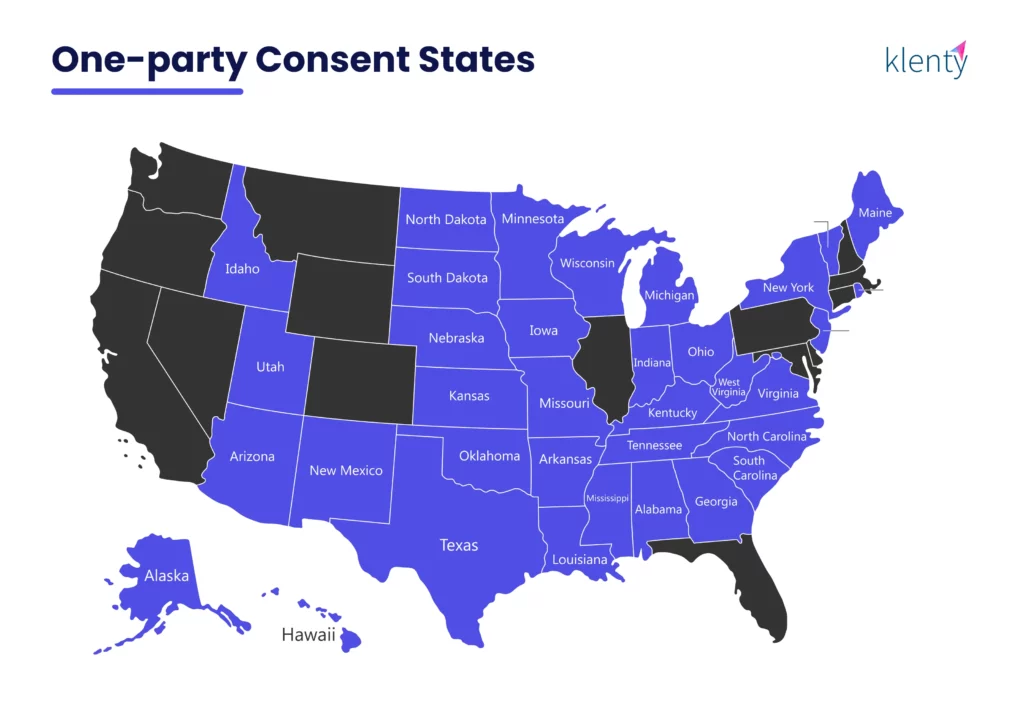
For individuals traveling to [California] for business, the stakes around recording conversations can be even higher. Business interactions often involve sensitive information, negotiations, and contractual agreements, making adherence to recording laws particularly critical.
- Meetings and Conferences: In business meetings, whether in a private office, a conference room, or a hotel business center, there is a strong expectation of privacy. Recording these discussions without the explicit consent of all participants is illegal and can lead to severe professional and legal consequences. This includes recording presentations, discussions with clients, colleagues, or vendors. Always ask for permission upfront, and if the meeting involves multiple people, ensure everyone is aware and agreeable.
- Confidentiality Agreements: Many business interactions are governed by Non-Disclosure Agreements (NDAs) or confidentiality clauses. Illegally recording a conversation in such a context could be seen as a breach of contract, adding another layer of legal exposure beyond the state’s recording laws.
- Interviews and Market Research: If conducting interviews or market research as part of your business travel, explicitly inform interviewees about your recording intentions and secure their consent. This is standard ethical and legal practice in most professional fields.
- Remote Work and Virtual Meetings: If you’re participating in virtual meetings while in [California], remember that [California]’s laws may apply if the conversation involves individuals located in [California] or if you, the recorder, are physically present in [California]. Always confirm with your company’s policy and the participants about recording virtual calls. Many virtual meeting platforms have built-in recording notifications that alert all participants, which helps fulfill the consent requirement.
- Legal Counsel: For complex business dealings or critical negotiations, consult with legal counsel regarding the specific requirements for documentation and recording. This proactive step can prevent costly mistakes.
Ultimately, whether you are a tourist marveling at the giant sequoias or a business executive closing a deal in [Silicon Valley], respecting [California]’s recording laws is non-negotiable. By prioritizing clear communication, always seeking consent, and utilizing alternative responsible documentation methods, you can ensure a smooth, enjoyable, and legally compliant experience throughout your travels in this captivating state.
LifeOutOfTheBox is a participant in the Amazon Services LLC Associates Program, an affiliate advertising program designed to provide a means for sites to earn advertising fees by advertising and linking to Amazon.com. Amazon, the Amazon logo, AmazonSupply, and the AmazonSupply logo are trademarks of Amazon.com, Inc. or its affiliates. As an Amazon Associate we earn affiliate commissions from qualifying purchases.