
The question “When did the Sonics leave Seattle?” resonates deeply with anyone who has ever visited this vibrant Pacific Northwest city or followed American sports. It’s a query steeped in local history, civic pride, and a lingering sense of loss for a sports team that was, for decades, an integral part of Seattle’s identity. Beyond the realm of sports, the story of the Seattle SuperSonics’ departure intertwines with the city’s broader narrative of urban development, cultural evolution, and its enduring appeal as a top-tier travel destination.
The short answer, for those seeking a quick resolution to this often-asked question, is 2008. In that year, after a protracted and emotionally charged battle over a new arena, the National Basketball Association (NBA) team relocated to Oklahoma City and was rebranded as the Oklahoma City Thunder. But to understand the full weight of this event, one must delve into the Sonics’ rich history, the socio-economic factors at play, and how Seattle has not only recovered but thrived, continuing to offer an unparalleled experience for travelers, tourists, and residents alike, even as the dream of an NBA return persists.
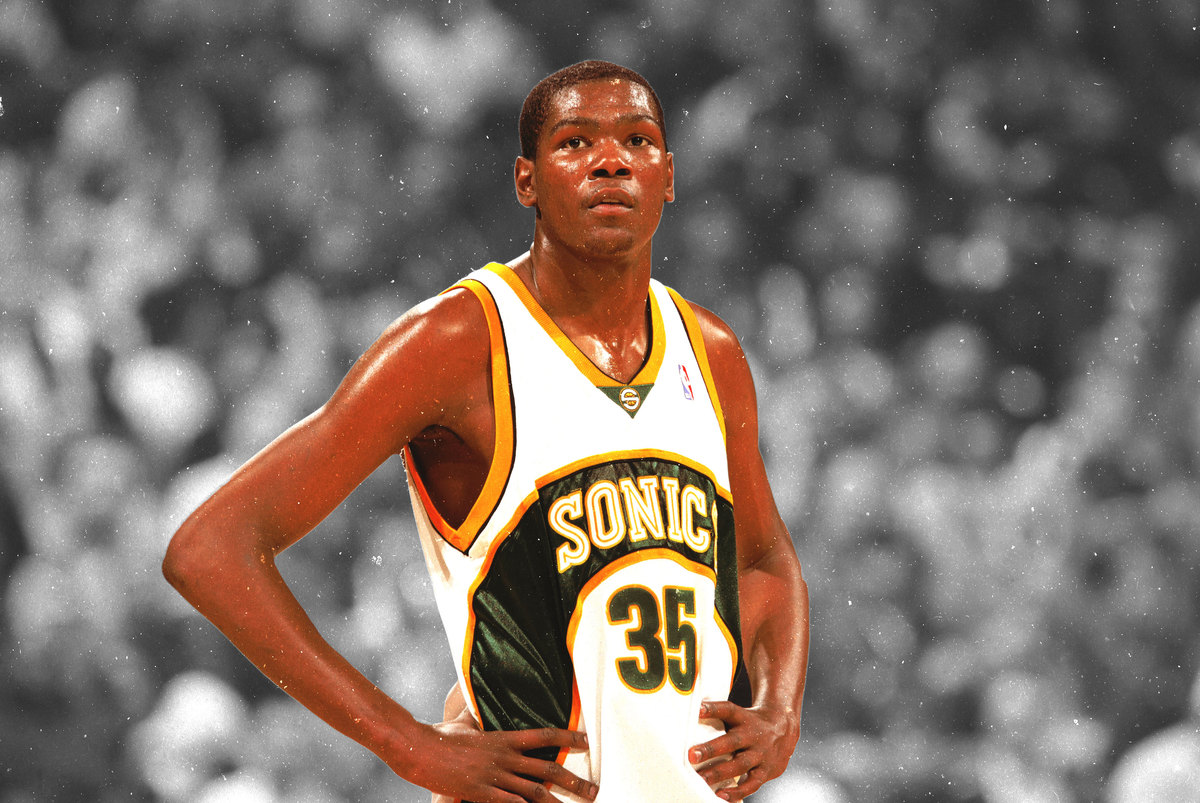
The Green and Gold Legacy: A Pillar of Seattle’s Identity
For over 40 years, the Sonics weren’t just a basketball team; they were a cultural cornerstone of the Emerald City. Their story began in 1967, and over the decades, they etched an indelible mark on the city’s landscape, both figuratively and literally, through their home at KeyArena in Downtown Seattle.
From Humble Beginnings to Championship Glory
The Seattle SuperSonics quickly built a passionate fanbase, fueled by exciting players and a dedication to the community. Their journey reached its zenith in 1979 when, under the guidance of legendary coach Lenny Wilkens and the heroics of players like Gus Williams and Dennis Johnson, they clinched the NBA Championship. This victory wasn’t just a sporting triumph; it was a moment of profound civic unity, a shared experience that cemented the team’s place in Seattle’s collective memory. For tourists visiting Seattle in those years, catching a Sonics game at KeyArena was as much a quintessential Seattle experience as visiting Pike Place Market or ascending the Space Needle.
The 1990s brought another golden era, showcasing superstar talents like Gary Payton and Shawn Kemp, who led the team to the NBA Finals in 1996. Their high-flying, intense style of play captivated audiences and further solidified the Sonics’ status as a beloved institution. The team’s iconic green and gold colors, emblazoned with a classic aboriginal-inspired logo, became synonymous with Seattle, reflecting a vibrant, energetic lifestyle. Many visitors seeking local culture would seek out Sonics merchandise, understanding it as a symbol of the city itself.
More Than Just a Game: Weaving into Seattle’s Culture and Tourism
The presence of a major sports franchise like the Sonics significantly impacts a city’s tourism and local culture. For decades, the team attracted visitors from across Washington State, the United States, and even internationally, eager to witness NBA action in person. Hotels in Downtown Seattle, Belltown, and nearby neighborhoods experienced a surge in bookings on game nights, boosting the local accommodation sector. Restaurants, bars, and shops around KeyArena thrived on the influx of fans.
Sports tourism is a vital component of a city’s economy, offering unique experiences that go beyond traditional sightseeing. The Sonics provided an essential piece of Seattle’s lifestyle, creating a shared sense of community and excitement. Families would plan trips around games, combining a visit to the Space Needle or the Museum of Pop Culture (MoPOP) with an evening of professional basketball. For many, the Sonics represented a dynamic, forward-thinking aspect of Seattle, a city known globally for its innovation and cultural richness.
The Unraveling: The Arena Dilemma and a Change of Ownership
Despite the team’s storied history and passionate fanbase, underlying issues began to surface in the early 2000s, primarily centered around the team’s home, KeyArena.
The Battle for a Modern Home
KeyArena, originally built for the 1962 World’s Fair as the Seattle Center Coliseum, underwent a major renovation in the mid-1990s. However, by the early 2000s, it was increasingly deemed outdated by NBA standards, lacking the luxury suites, modern amenities, and revenue-generating potential of newer arenas across the league. This put the Sonics at a financial disadvantage compared to other franchises.
The quest for a new, state-of-the-art arena became a protracted and contentious public debate. Proposals for privately funded stadiums were explored, alongside discussions about public contributions. The city, grappling with other urban development priorities, faced tough decisions regarding how best to allocate resources. For many residents, the arena debate touched upon broader questions of city planning, public investment, and the balance between retaining beloved institutions and ensuring fiscal responsibility. Visitors to Seattle might not have been directly involved in these debates, but the infrastructure discussions highlighted the challenges large cities face in maintaining their appeal and facilities, which directly impacts everything from major landmarks to the availability and quality of accommodation options.
The Sale to Clay Bennett: A Controversial Chapter
Adding another layer of complexity to the arena saga was the change of ownership. In 2001, Howard Schultz, the chairman of Starbucks, led a group of local investors to purchase the team. Initially seen as a move to keep the Sonics in Seattle, Schultz’s group struggled to secure public funding for a new arena. Frustrated by the lack of progress, Schultz announced in 2006 that he would sell the team to an investment group from Oklahoma City, led by Clay Bennett.
The sale was immediately met with suspicion and outrage from Sonics fans, who feared the team would be relocated. Despite assurances from Bennett’s group that they intended to keep the team in Seattle, their subsequent actions, including applying to the NBA for relocation just a year later, confirmed the fears. This controversial transaction became a stark reminder of the business side of sports, where investment, ownership, and financial viability often outweigh sentimental attachments, profoundly impacting a city’s lifestyle and cultural landscape. The business of sports team ownership has a direct impact on the tourism industry, as decisions made by owners can dictate whether a city remains a major sports destination, affecting everything from hotel occupancy to local spending.

The End of an Era: The Sonics’ Final Season and Departure
The period leading up to the Sonics’ departure was marked by intense legal battles, emotional protests, and a collective heartbreak for the city of Seattle.
The Heartbreaking Farewell (2007-2008)
The 2007-2008 NBA season was the final chapter for the Seattle SuperSonics in their original home. Fans packed KeyArena for what they knew would be the last time, expressing their love for the team and their anger at the impending move. Grassroots efforts, led by local activists and supported by prominent figures, rallied to “Save Our Sonics.” Legal challenges were filed, attempting to block the relocation, citing the team’s lease agreement with the city.
Ultimately, despite widespread community support and a valiant legal fight, the efforts to keep the team in Seattle were unsuccessful. On July 2, 2008, the NBA Board of Governors approved the relocation of the Sonics to Oklahoma City. The team’s colors, records, and trophies were left in Seattle for a potential future return, but the franchise itself moved. The departure of the Sonics left a palpable void in Seattle’s sports scene and its broader cultural identity. For those planning a trip to Seattle at the time, the absence of an NBA team meant a different kind of travel experience, one without the vibrant buzz of professional basketball nights.
A New Chapter in Oklahoma City
Following the relocation, the franchise was officially renamed the Oklahoma City Thunder, taking on new colors and a new identity. While a success story for Oklahoma City, the move continued to be a source of bittersweet feelings for Seattle. The relocation saga underscored the complex interplay between team ownership, municipal politics, and the enduring passion of sports fans. For travel enthusiasts, it highlighted how major league sports can profoundly influence a city’s appeal as a destination. Oklahoma City gained a major draw, while Seattle lost one of its most cherished cultural assets, impacting its lifestyle offerings for both residents and tourists.
Seattle Beyond the Sonics: A Thriving Destination with NBA Dreams
Despite the loss of the Sonics, Seattle has continued to flourish, evolving into a global hub for technology, culture, and tourism. The city’s resilience and innovative spirit have allowed it to maintain its status as a premier travel destination, all while keeping the flame alive for an NBA return.
A Resilient City: From Tech Hub to Tourist Haven
Seattle’s economic boom, fueled by tech giants like Microsoft (co-founded by Bill Gates and the late Paul Allen) and Amazon, alongside global companies like Boeing and Starbucks, has transformed its landscape. The city offers an incredible array of attractions for visitors, ensuring that its appeal extends far beyond sports. Tourists flock to the iconic Space Needle, explore the vibrant stalls of Pike Place Market, marvel at the artistic wonder of Chihuly Garden and Glass, and delve into music history at the Museum of Pop Culture (MoPOP).
Beyond these famous landmarks, Seattle offers a diverse range of experiences. You can stroll through the quirky Fremont Troll area, explore the historic Pioneer Square district, or enjoy stunning panoramic views from Kerry Park. The city’s waterfront, with its bustling ferries and scenic views of Puget Sound and the distant Olympic Mountains or Mount Rainier, provides a tranquil escape. Seattle’s proximity to nature, including Lake Union and the Ballard Locks, offers unique aquatic and outdoor adventures.
The city boasts a robust hotel sector, ranging from luxury accommodations in Downtown Seattle to charming boutique hotels and modern apartment rentals suitable for long-term stays. Whether travelers are looking for business-friendly amenities or a family-friendly resort, Seattle has options to suit every lifestyle and budget, reinforcing its status as a top destination even without NBA basketball.
The Future of Basketball in the Emerald City
Despite the void left by the Sonics, Seattle’s passion for sports has never waned. The city enthusiastically supports its other major league teams: the Seattle Seahawks (NFL) at Lumen Field, the Seattle Mariners (MLB) at T-Mobile Park, and the immensely successful Seattle Sounders FC (MLS). Furthermore, Seattle is home to the four-time WNBA champion Seattle Storm, who continue to bring basketball glory to the city.
Perhaps the most significant development, igniting renewed hope for an NBA return, is the transformation of KeyArena into the state-of-the-art Climate Pledge Arena. This impressive venue, which opened in 2021, is home to the NHL’s Seattle Kraken and the Seattle Storm. Built with sustainability at its core, it addresses all the concerns that led to the original Sonics’ departure. The existence of a modern, NBA-ready arena, combined with the city’s robust economy and fervent fanbase, makes Seattle a prime candidate for NBA expansion or relocation in the coming years. This potential return of NBA basketball would undoubtedly bring a new wave of sports tourism, influencing hotel bookings, travel itineraries, and boosting the overall lifestyle offerings for residents and visitors alike.

Conclusion
The Seattle SuperSonics left Seattle in 2008, marking a painful chapter in the city’s history. However, the story of their departure is not one of decline, but rather one of resilience and transformation. Seattle has not only moved forward but has thrived, cementing its place as a global leader in technology, culture, and tourism.
While the absence of an NBA team still stings for many, the city’s vibrant attractions—from iconic landmarks to world-class dining, and diverse accommodation options—continue to draw travelers from all corners of the globe. The dream of the green and gold returning to the hardcourt remains a cherished hope, fueled by the new Climate Pledge Arena and Seattle’s unwavering spirit. Whether you’re interested in its rich history, its natural beauty, its innovative spirit, or simply its bustling urban lifestyle, Seattle stands ready to offer an unforgettable travel experience, a city always looking to the future while honoring its past.
LifeOutOfTheBox is a participant in the Amazon Services LLC Associates Program, an affiliate advertising program designed to provide a means for sites to earn advertising fees by advertising and linking to Amazon.com. Amazon, the Amazon logo, AmazonSupply, and the AmazonSupply logo are trademarks of Amazon.com, Inc. or its affiliates. As an Amazon Associate we earn affiliate commissions from qualifying purchases.