
For many avid travelers and digital nomads, the allure of online entertainment, including gaming platforms, can be a constant companion, regardless of their physical location. Whether it’s unwinding after a day of exploring San Francisco’s iconic landmarks or passing time during a long-term stay in Los Angeles, the digital world offers a plethora of options. However, when it comes to platforms like Stake, an online crypto casino gaining significant traction globally, a crucial question arises for those residing in or visiting the Golden State: Is Stake legal in California? The answer, like much of the regulatory landscape surrounding online gambling in the United States, is nuanced and rooted in a complex interplay of state and federal laws. For those planning a luxurious escape to a California resort or a budget-friendly road trip through its diverse regions, understanding these legalities is paramount, especially when considering leisure activities that blend digital engagement with local regulations.
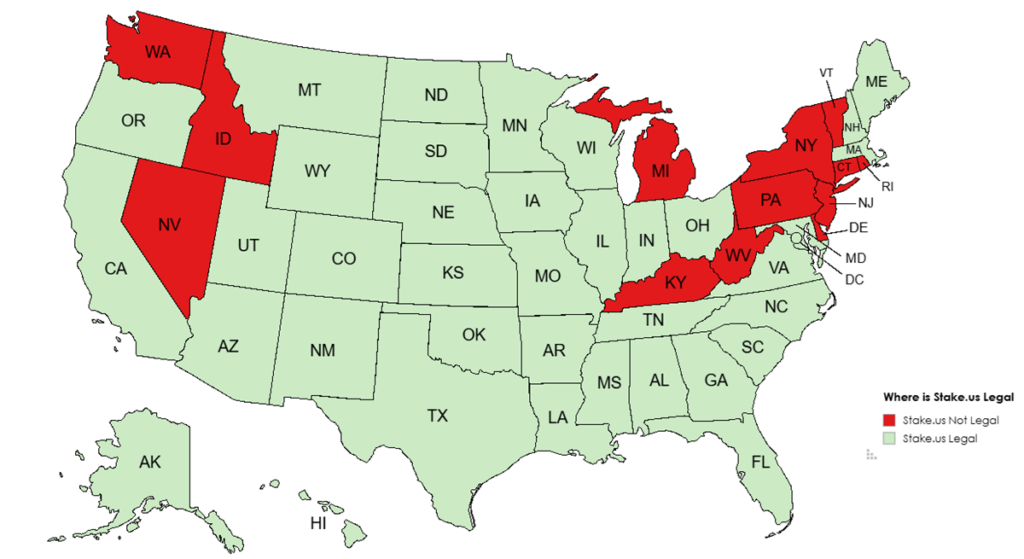
Understanding the Landscape of Online Gambling in California
The legal status of online gambling in California is a topic frequently debated, with significant implications for both residents and visitors. Unlike states such as Nevada, New Jersey, or Pennsylvania, which have fully regulated online casino markets, California has historically maintained a more conservative stance. This approach shapes the availability and legality of various online gaming platforms, including those like Stake that operate using cryptocurrencies.
The Current Legal Stance on Online Casinos
At present, online casinos, including crypto-based ones, are not explicitly legal or regulated at the state level in California. While brick-and-mortar casinos, primarily operated by Native American tribes under the Indian Gaming Regulatory Act (IGRA), as well as card rooms and horse racing, are legal and thriving, the digital equivalent remains outside the bounds of state-sanctioned operation. The California Penal Code contains provisions that prohibit unauthorized gambling operations, and while these codes were enacted long before the advent of the internet and crypto, their broad interpretation often extends to online platforms. This means that engaging with unregulated online casinos within California jurisdiction carries inherent risks, both legal and financial. For travelers seeking entertainment, this legal ambiguity means that what might be a routine leisure activity in a different country or state could be problematic when visiting California’s stunning destinations. The lack of state licensing also means there’s no regulatory oversight to protect players from unfair practices or to ensure secure transactions, a vital consideration for anyone accustomed to the regulated environments of hotels and accommodations.
Federal vs. State Regulations: A Complex Web
The legal landscape is further complicated by the interaction of federal and state laws in the United States. Key federal statutes, such as the Unlawful Internet Gambling Enforcement Act (UIGEA) of 2006, primarily target financial transactions related to illegal online gambling rather than individual players. However, UIGEA makes it illegal for gambling businesses to “knowingly accept payments in connection with the participation of another person in a bet or wager that involves the use of the Internet and that is unlawful under any federal or state law.” This means that even if a platform like Stake is based internationally, facilitating transactions for California residents where online casinos are not regulated could fall afoul of UIGEA. The Department of Justice’s interpretation of the Federal Wire Act, which historically applied to sports betting across state lines, has also been a contentious issue, sometimes expanding to cover other forms of online gambling, though recent legal challenges have narrowed its scope. This intricate web of federal and state laws means that even seemingly minor recreational activities involving online platforms require a degree of awareness, particularly for those whose lifestyle involves frequent travel across different legal jurisdictions. A stay at a luxury resort in Palm Springs might offer world-class amenities, but it won’t change the underlying legal framework governing online activities.
The Role of Cryptocurrency in Online Gaming
The rise of cryptocurrency has introduced another layer of complexity to the online gambling discussion. Platforms like Stake exclusively use cryptocurrencies for deposits and withdrawals, which can make them seem less traceable and, consequently, outside traditional financial regulations. This perceived anonymity often appeals to users, but it doesn’t necessarily exempt them from gambling laws. From a legal standpoint in California, the use of crypto does not alter the fundamental fact that the underlying activity—online casino gaming—is not regulated or explicitly legal. While cryptocurrency transactions themselves are not illegal, their application in an unauthorized gambling context can still be subject to existing prohibitions. This aspect is particularly relevant for the tech-savvy traveler or digital nomad who might be accustomed to using crypto for various transactions. While exploring the vibrant tech scene in Silicon Valley or enjoying a boutique hotel in San Diego, it’s crucial to remember that local laws take precedence, regardless of the payment method. The appeal of crypto casinos often lies in their global accessibility, but this accessibility does not override the specific legal requirements of individual states.
Implications for Travelers and Digital Nomads in California
For individuals whose lifestyle involves frequent travel, whether for leisure, business, or as a digital nomad, understanding the specific legal environment of each destination is crucial. California’s stance on online gambling has particular implications for how travelers can engage with online platforms, influencing their choices for entertainment and leisure while exploring the state’s many attractions.
Navigating Different Jurisdictions While Traveling
One of the primary challenges for travelers is navigating the patchwork of gambling laws across different states and countries. A platform that is legal and regulated in Europe or even a neighboring U.S. state like Nevada might be illegal or unregulated in California. This means that a digital nomad working from a beachfront apartment in Santa Monica might find themselves in a different legal situation than when they were just across the border in Las Vegas. Geo-blocking technologies are often employed by online gambling sites to comply with local regulations, preventing access from prohibited jurisdictions. However, some users might attempt to bypass these restrictions, which could lead to legal repercussions or forfeiture of winnings. For a traveler exploring California’s national parks or enjoying a stay at a luxurious resort near Lake Tahoe, awareness of these jurisdictional nuances is essential for responsible and worry-free engagement in online activities. The appeal of having a “stake” in an online game might be strong, but the legal framework varies dramatically.
Lifestyle Choices: Balancing Leisure and Legality
The allure of platforms like Stake lies in their convenience and accessibility, fitting seamlessly into a modern lifestyle that often blurs the lines between work, leisure, and travel. For those accustomed to the freedom of online entertainment, the restrictions in California can be a point of friction. This requires a conscious lifestyle choice: either abstain from such platforms while in the state or seek out legal alternatives. Travelers often choose destinations based on a combination of attractions, accommodation options, and the overall lifestyle they can experience. While California offers unparalleled beauty, culture, and entertainment, its specific gambling laws are a factor to consider for those whose leisure activities include online gaming. Instead of focusing on unregulated online options, a traveler might choose to immerse themselves in local cultural activities, explore new cuisines, or visit world-famous attractions like Disneyland or Universal Studios. The emphasis shifts from digital leisure to embracing the tangible experiences that make California a premier travel destination.

Exploring Regulated Gambling Alternatives in the Golden State
Fortunately, for those who enjoy gambling, California offers a plethora of legal and regulated brick-and-mortar options. The state is home to numerous tribal casinos, which provide a wide array of gaming experiences from slot machines to table games. Destinations like Pechanga Resort Casino in Temecula, Morongo Casino Resort & Spa near Palm Springs, or Cache Creek Casino Resort in Brooks offer not just gambling but also luxurious accommodation, fine dining, live entertainment, and spa services, making them complete tourism destinations. Additionally, card rooms throughout the state, such as The Commerce Casino, Hollywood Park Casino, The Bicycle Hotel & Casino, and Hustler Casino in the Los Angeles area, offer various poker games and other card-based amusements. These establishments are fully regulated and provide a secure environment for gaming, often integrated into larger resort complexes that cater to a comprehensive lifestyle experience. For tourists visiting Sacramento, San Diego, or exploring the scenic beauty around Lake Tahoe near Stateline and South Lake Tahoe, these legal venues provide a safer and fully compliant way to enjoy gaming, rather than relying on unregulated online platforms.
The Broader Context: Gambling, Tourism, and Economic Impact
The intersection of gambling, tourism, and state legislation creates a significant economic and cultural landscape. California’s approach to gambling, while restrictive on online fronts, has fostered a robust land-based casino industry that significantly contributes to its tourism sector and local economies.
How Legal Frameworks Shape Tourist Destinations
The legal framework surrounding gambling directly influences the type of tourism a destination attracts and how it positions itself. States like Nevada have built entire economies around legal gambling, with Las Vegas standing as the epitome of integrated resort tourism. These destinations offer not just gambling, but also world-class hotels, dining, entertainment, and shopping, creating a comprehensive experience. Similarly, New Jersey transformed Atlantic City through legalized casinos. California, by contrast, has largely focused on its natural beauty, diverse cities, and cultural attractions. While tribal casinos certainly draw visitors and provide employment, they exist within a broader tourism ecosystem that prioritizes other forms of entertainment. The decision to keep online casinos unregulated means that California foregoes potential tax revenues that regulated online markets in other states like Michigan, West Virginia, and Delaware generate. This choice impacts state budgets, infrastructure, and potentially the funding available for tourism promotion and development. When considering a long-term stay or exploring new travel experiences, understanding this regulatory philosophy helps in appreciating the unique offerings of California.
The Allure of Traditional Casinos and Resorts
Despite the global trend towards online gaming, the allure of traditional casinos and resorts remains strong, particularly for tourists. The experience of visiting a lavish casino like the ones found in Reno, Nevada, or California’s own tribal properties, extends far beyond just placing a bet. It encompasses the luxury of the accommodation, the gourmet dining options, the live shows, the spa treatments, and the vibrant social atmosphere. These integrated resorts are designed to offer a complete lifestyle and entertainment package, making them popular destinations for family trips, business stays, and romantic getaways. For example, staying at a resort and casino near Lake Tahoe not only provides gaming options but also immediate access to skiing, hiking, and stunning lake views. This comprehensive experience is something online platforms, by their very nature, cannot replicate. For those seeking accommodation that combines convenience with entertainment, these establishments offer a legally compliant and socially engaging alternative to platforms like Stake. The tangible aspects of a travel destination—the sights, sounds, and tastes—are often what truly define a memorable journey, and traditional casinos often enhance these through their resort amenities.
Responsible Gaming and Traveler Awareness
Regardless of whether gambling is online or in a physical venue, responsible gaming is a critical aspect for any traveler or individual. The legal ambiguities surrounding platforms like Stake in California mean that individuals engaging with them lack the consumer protections and responsible gaming tools mandated by regulated markets. In regulated casinos and card rooms within California, resources for problem gambling are readily available, and operators are subject to strict oversight. For travelers, especially those from jurisdictions where online gambling is legal, it’s important to adjust expectations and behaviors according to local laws. Awareness of potential risks, understanding the difference between regulated and unregulated platforms, and knowing where to seek help if gambling becomes problematic are crucial components of responsible tourism and a healthy lifestyle. Whether booking a luxurious suite or finding budget accommodation, integrating an understanding of local laws into one’s travel planning is a smart practice.
Future Outlook: Potential Changes and What They Mean for Your Travel Plans
The discussion around online gambling in California is far from settled. With neighboring states and numerous international jurisdictions embracing regulated online markets, there’s continuous pressure and debate within the Golden State about potentially legalizing and regulating online casinos and sports betting.
Legislative Efforts and the Path Forward
Over the years, various legislative efforts have attempted to bring online poker and sports betting to California, often backed by a coalition of card rooms, racetracks, and some tribal entities. While none have succeeded thus far, the conversation continues. Proponents often highlight the substantial tax revenues that could benefit state programs and infrastructure, as well as the consumer protection aspects that a regulated market would provide. The sheer size of California’s population makes it an incredibly attractive market for online gambling operators, and the potential economic impact is massive. For individuals planning extended stays or considering California as a digital nomad hub, staying informed about these legislative developments is wise. A change in the law could significantly alter the landscape of available leisure activities and potentially open up new avenues for entertainment that currently remain in a legal gray area or are outright prohibited.

Preparing for a Shifting Digital Landscape
The world of online gaming, cryptocurrencies, and digital travel is constantly evolving. What is illegal today could be regulated tomorrow, and vice versa. For the modern traveler and digital nomad, adaptability and informed decision-making are key. As California navigates its future with online gambling, visitors should always prioritize adherence to local laws and opt for regulated and secure entertainment options. While the convenience of platforms like Stake might be tempting, the legal risks in California make them problematic. Instead, embrace the diverse and legal entertainment options the state offers, from its world-class hotels and iconic landmarks to its vibrant local culture and exquisite cuisine. Whether you’re staying in a luxurious suite in Beverly Hills or exploring the natural wonders of Yosemite, California provides a wealth of experiences that are both memorable and legally sound, ensuring your travel adventures remain stress-free and enjoyable.
LifeOutOfTheBox is a participant in the Amazon Services LLC Associates Program, an affiliate advertising program designed to provide a means for sites to earn advertising fees by advertising and linking to Amazon.com. Amazon, the Amazon logo, AmazonSupply, and the AmazonSupply logo are trademarks of Amazon.com, Inc. or its affiliates. As an Amazon Associate we earn affiliate commissions from qualifying purchases.